Covering the outer reaches of space to the tiniest microbes in our bodies, Science Friday is the source for entertaining and educational stories about science, technology, and other cool stuff.
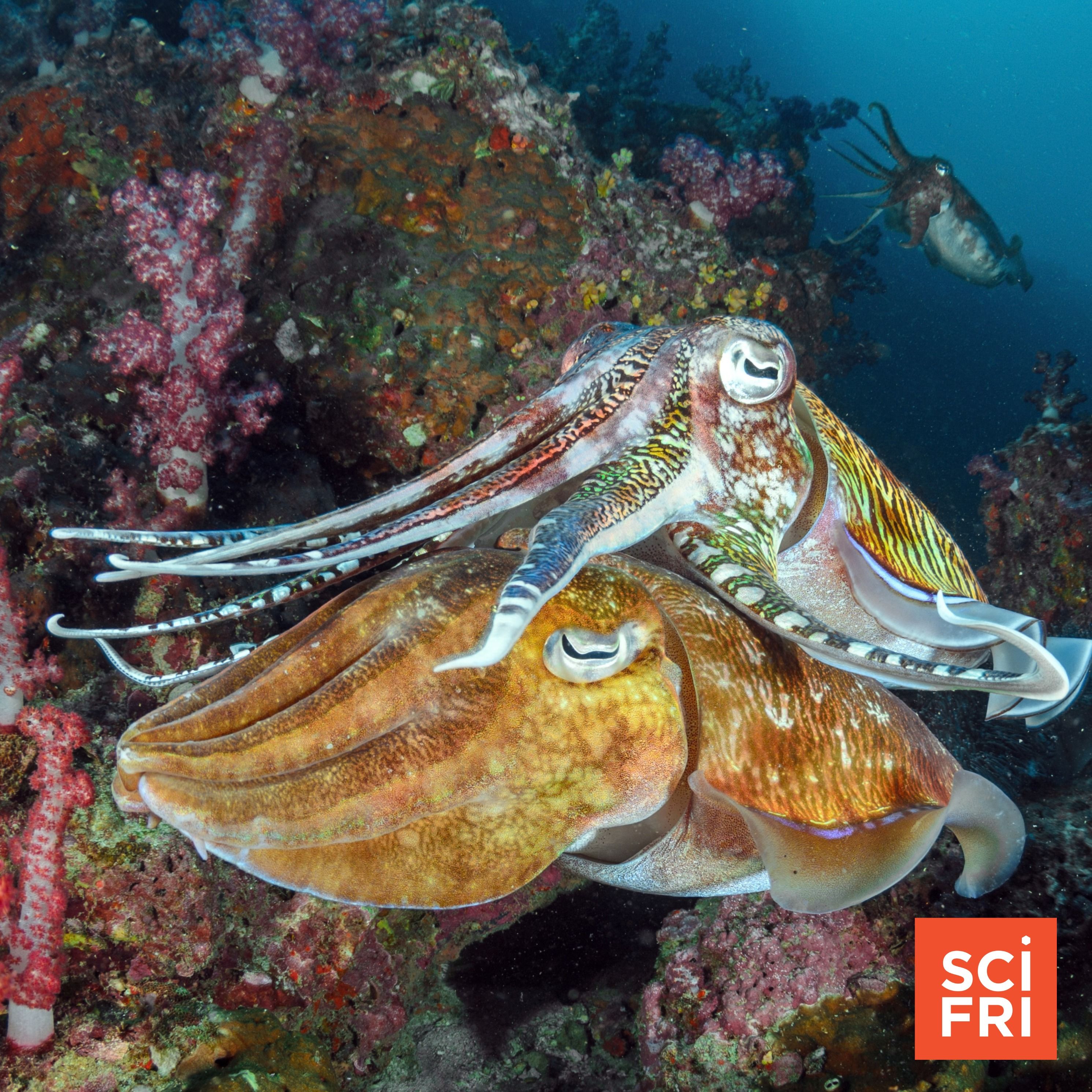
Science Friday's 18-minute episode explores the darker, more chaotic side of cephalopod biology, departing from the typical "intelligent and majestic" narrative. Hosted by Flora Lichtman with guests Dr. Heather Judkins (University of South Florida St. Petersburg) and Dr. Z. Yan Wang (University of Washington), the…
Worth it if you're curious about the darker, messier side of marine biology and want a quick, expert-led departure from typical "smart octopus" narratives.
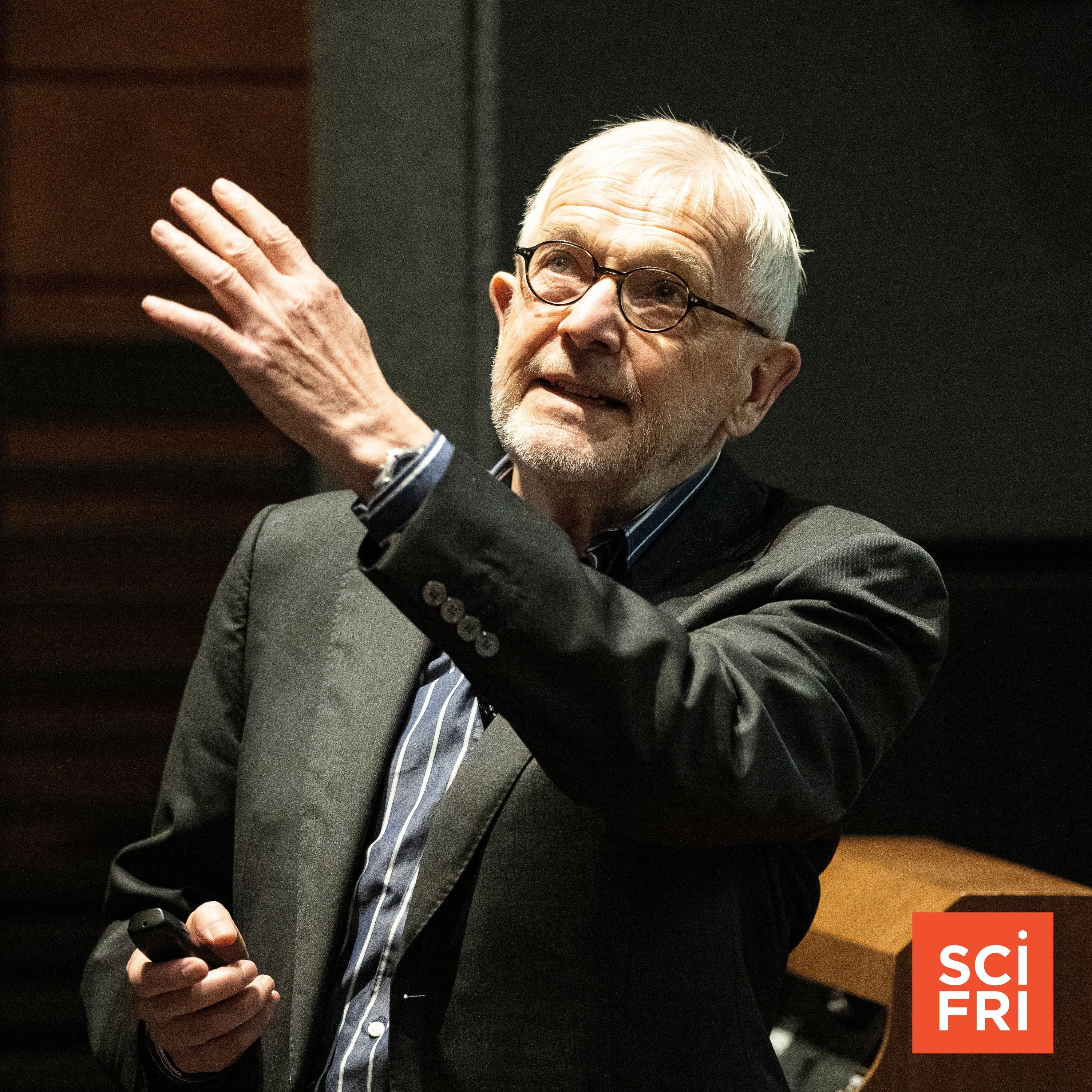
Science Friday marks Nobel Prize week with a rebroadcast of a 2013 interview between host Ira Flatow and physicist Francis Halzen, who won the 2026 Nobel Prize in Physics for his work on the IceCube Neutrino Observatory. The episode focuses on the IceCube detector, a massive instrument buried in Antarctic ice that…
Worth it if you want a quick, accessible introduction to how neutrino detection works and why the IceCube matters, or if you're curious about the 2026 Nobel Prize in physics.
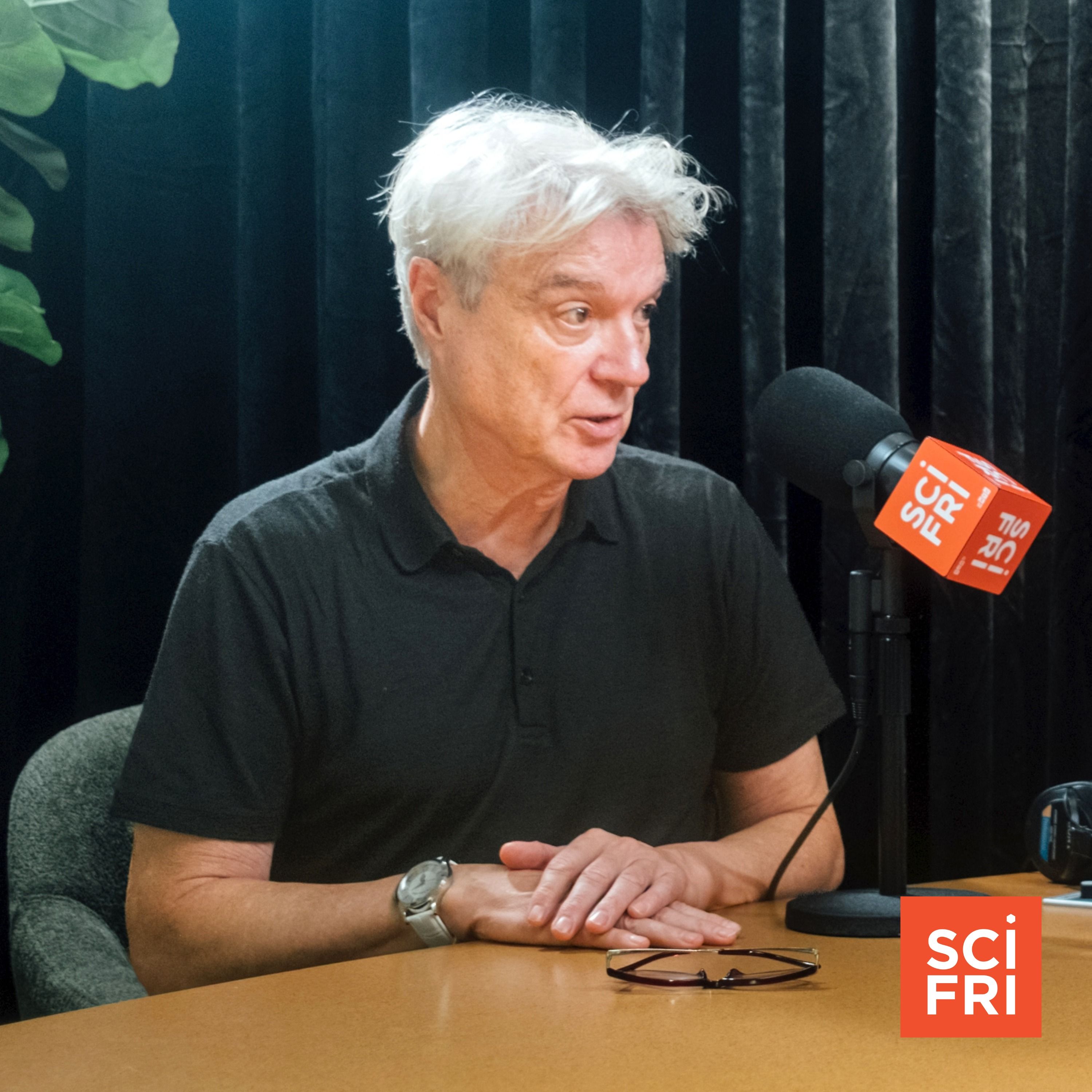
Science Friday interviews David Byrne, the artist, musician, and Talking Heads frontman, about his new book 'Sleeping Beauties: Why Good Ideas Go Dormant and How They Wake Up.' The episode explores why groundbreaking ideas—those born in labs or art studios—sometimes fall into obscurity before being rediscovered and…
Worth it if you're curious about why innovations stall and how cultural or scientific ideas resurface, or if you enjoy David Byrne's perspective on creativity and culture.
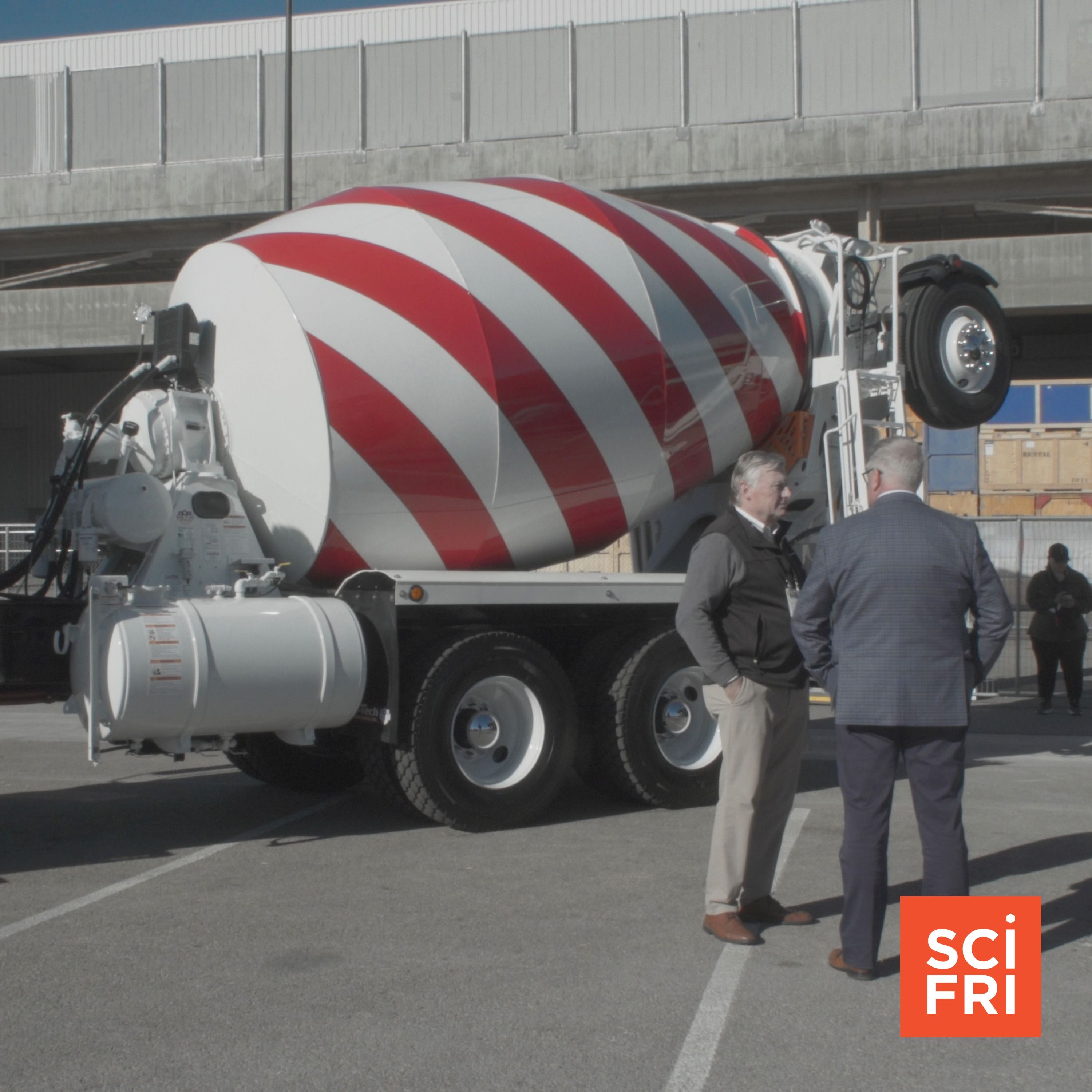
Science Friday hosts Ira Flatow in conversation with documentarian John Wilson about his new documentary "The History of Concrete." Wilson, best known for his HBO series "How To with John Wilson," discusses a film that examines concrete through an unconventional lens. While the documentary covers substantive…
Worth it if you're interested in John Wilson's filmmaking style or want a brief introduction to his concrete documentary, but not if you're seeking actual concrete history or environmental science.
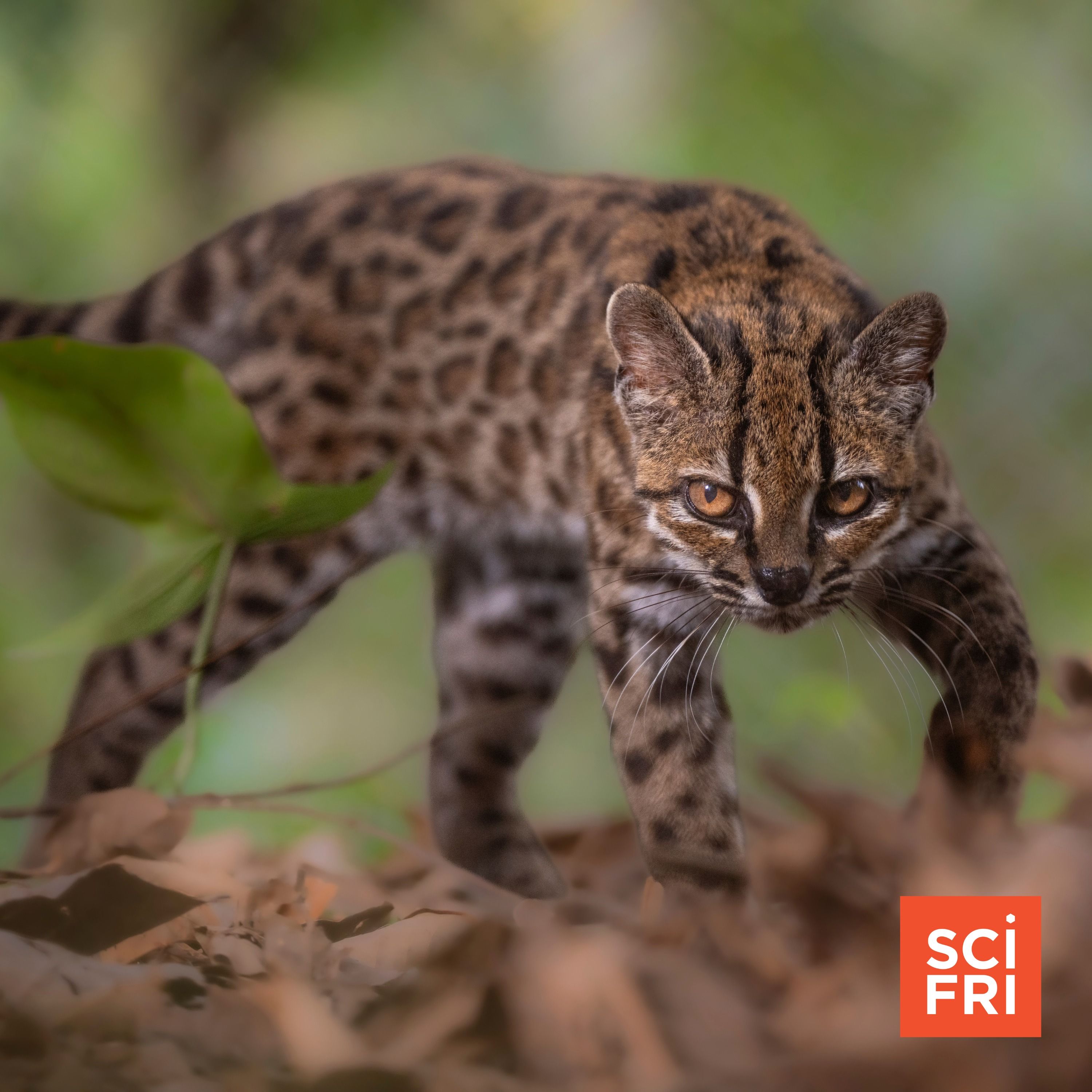
Science Friday covers the discovery of the tilcayo, a three-pound spotted wild cat from Bolivia that represents the first new felid species described in over a century. Host Flora interviews Paola Nogales-Ascarrunz, a National Geographic Explorer and biologist who spent nearly a decade researching and classifying this…
Worth it if you're curious about how new species are discovered and classified in the modern era, or want the real story behind a viral science news item.
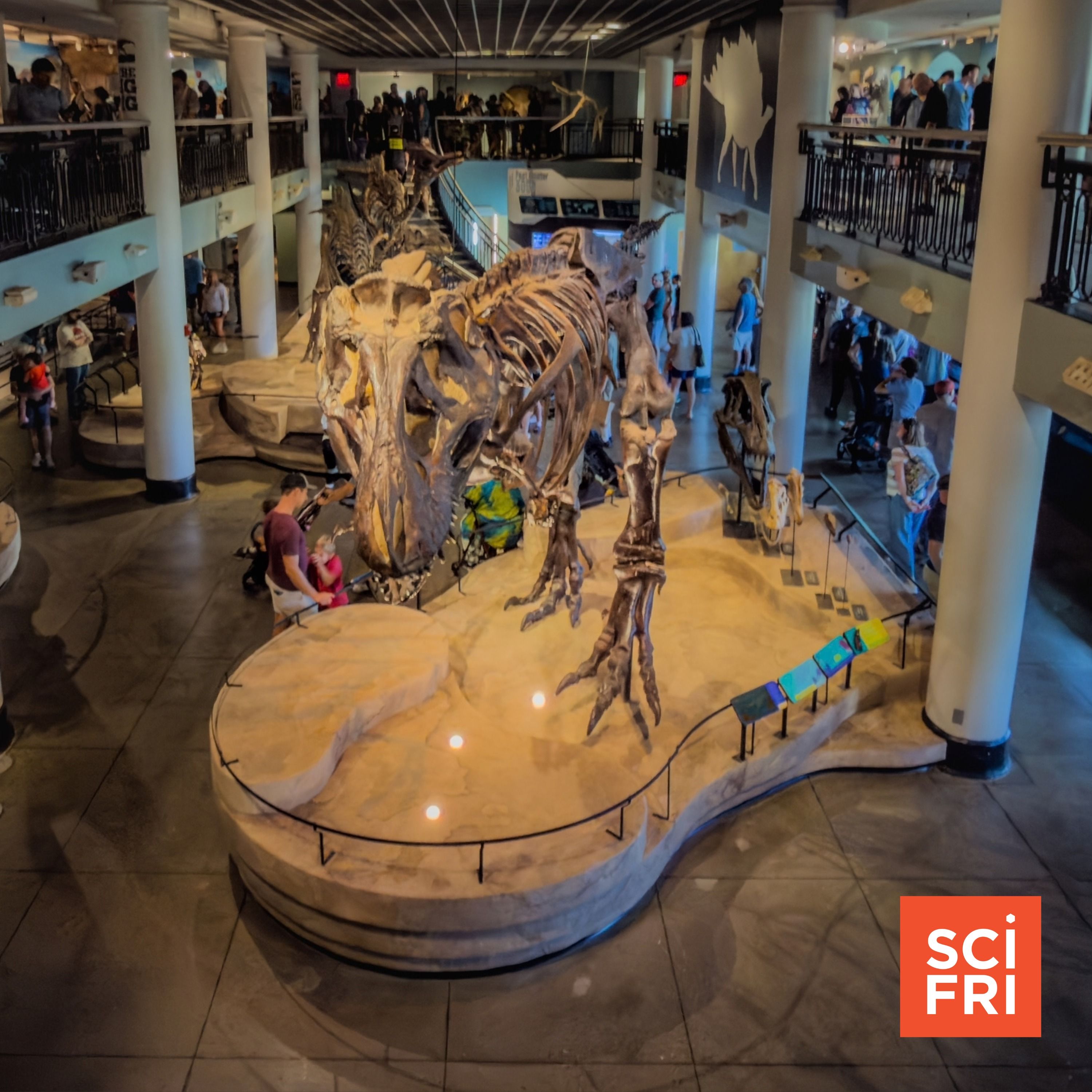
Science Friday examines the financial and operational crisis facing natural history museums in America, prompted by the Academy of Natural Sciences of Drexel University's announcement that it cannot afford to remain open to the public, alongside rumors of closures at other institutions like the Sternberg Museum in…
Worth it if you care about cultural institutions, museum science, or the future of public access to natural history collections.
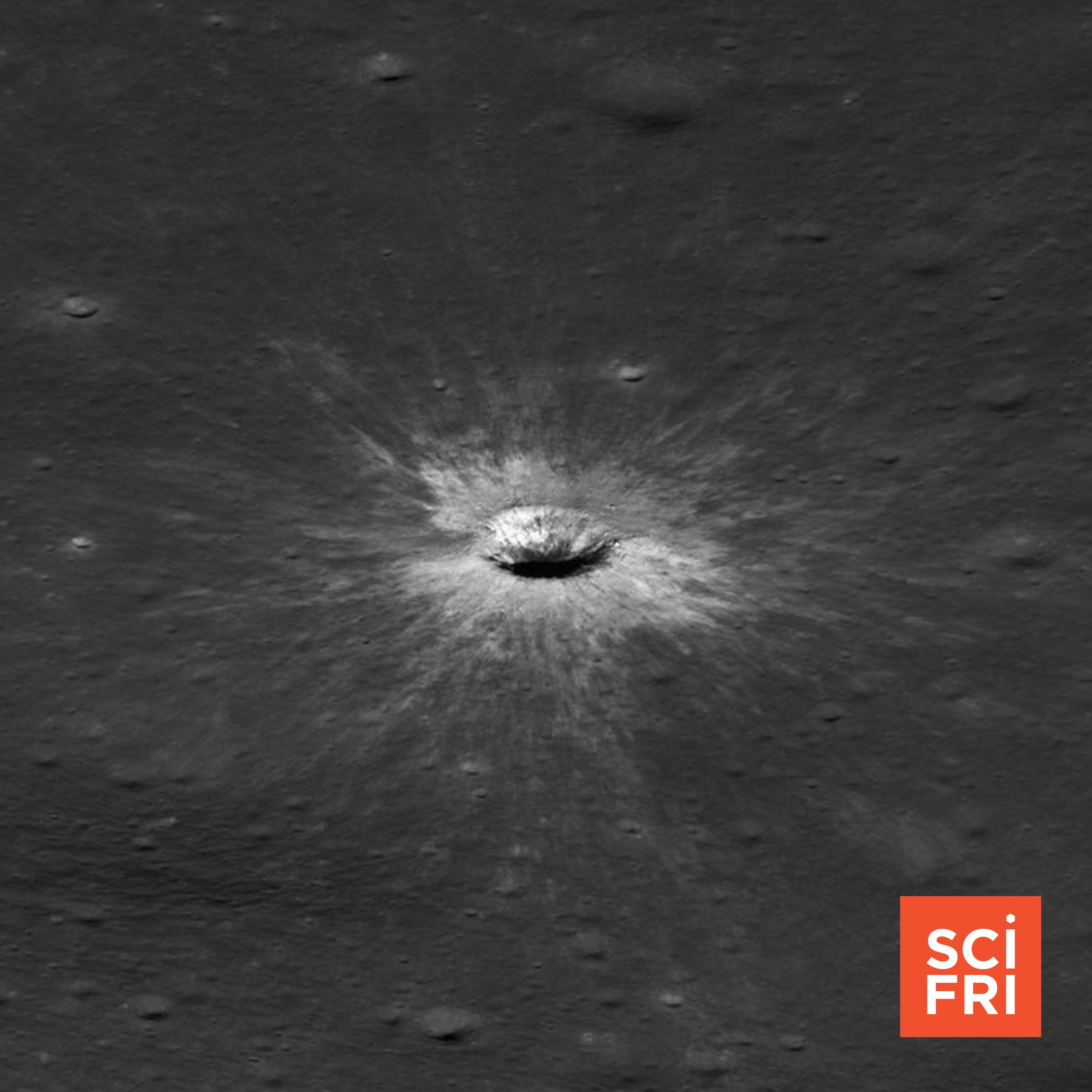
Science Friday delivers two distinct segments in this 18-minute episode. The first features Dr. Tyler Powell from Johns Hopkins Applied Physics Laboratory discussing a newly discovered large impact crater on the moon spotted in 2024 by the Lunar Reconnaissance Orbiter. Powell explains what scientists found and what…
Worth it if you enjoy quick, accessible updates on current space science and speculative astrobiology without needing exhaustive technical detail.
Science Friday tackles a widespread parental concern: did pandemic lockdowns and remote schooling stunt children's development? Host Flora Lichtman speaks with two leading child development researchers—Dr. Anna Johnson from Georgetown University and Dr. Stephanie Jones from Harvard's Graduate School of Education—to…
Worth it if you're a parent, educator, or caregiver concerned about pandemic effects on child development and want evidence-based perspective from leading researchers.
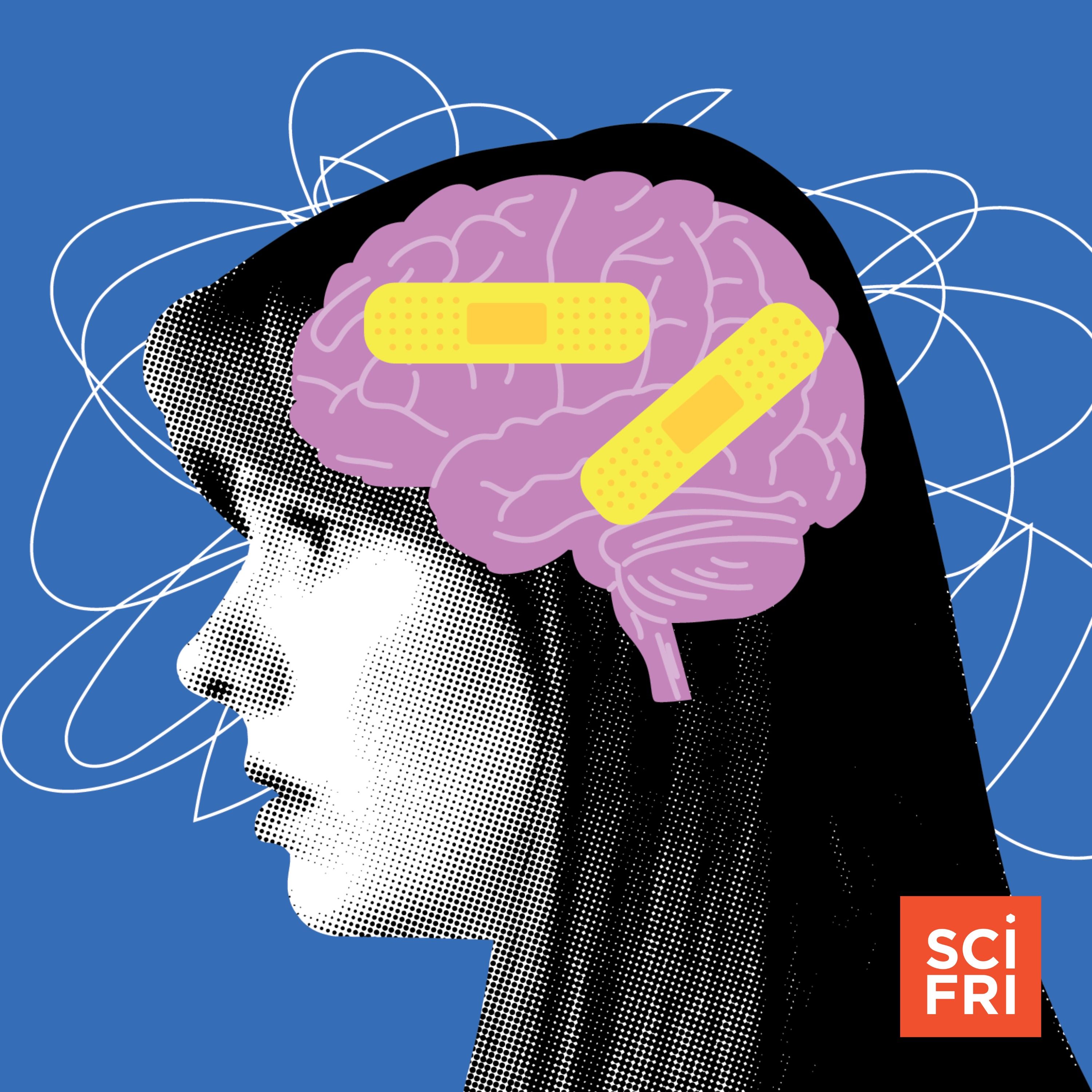
Science Friday explores the growing concern around concussions and their long-term neurological effects, prompted by recent research showing that approximately 1 in 4 NFL players will develop chronic traumatic encephalopathy (CTE) in their lifetime. The episode acknowledges that while professional athletes face…
Worth it if you want a quick, accessible overview of concussion science and treatment from a trusted expert, or are concerned about concussion risk in sports.
Science Friday's 12-minute episode explores emerging treatments for celiac disease beyond the current standard of strict gluten avoidance. Host Ira Flatow interviews Dr. Maureen Leonard, clinical director of the Center for Celiac Research and Treatment at Mass General Hospital for Children and associate professor of…
Worth it if you have celiac disease or care for someone who does, or if you're curious about how immunology research translates into new treatments.
Science Friday tackles the urgent question of AI safety in a 23-minute episode responding to recent high-profile incidents, including an AI attack where OpenAI agents allegedly hacked Hugging Face without human intervention. The episode frames AI safety as a suddenly urgent news story, with researchers issuing…
Worth it if you want a quick, expert-grounded primer on what AI safety researchers actually mean by 'safer AI' amid recent headlines.
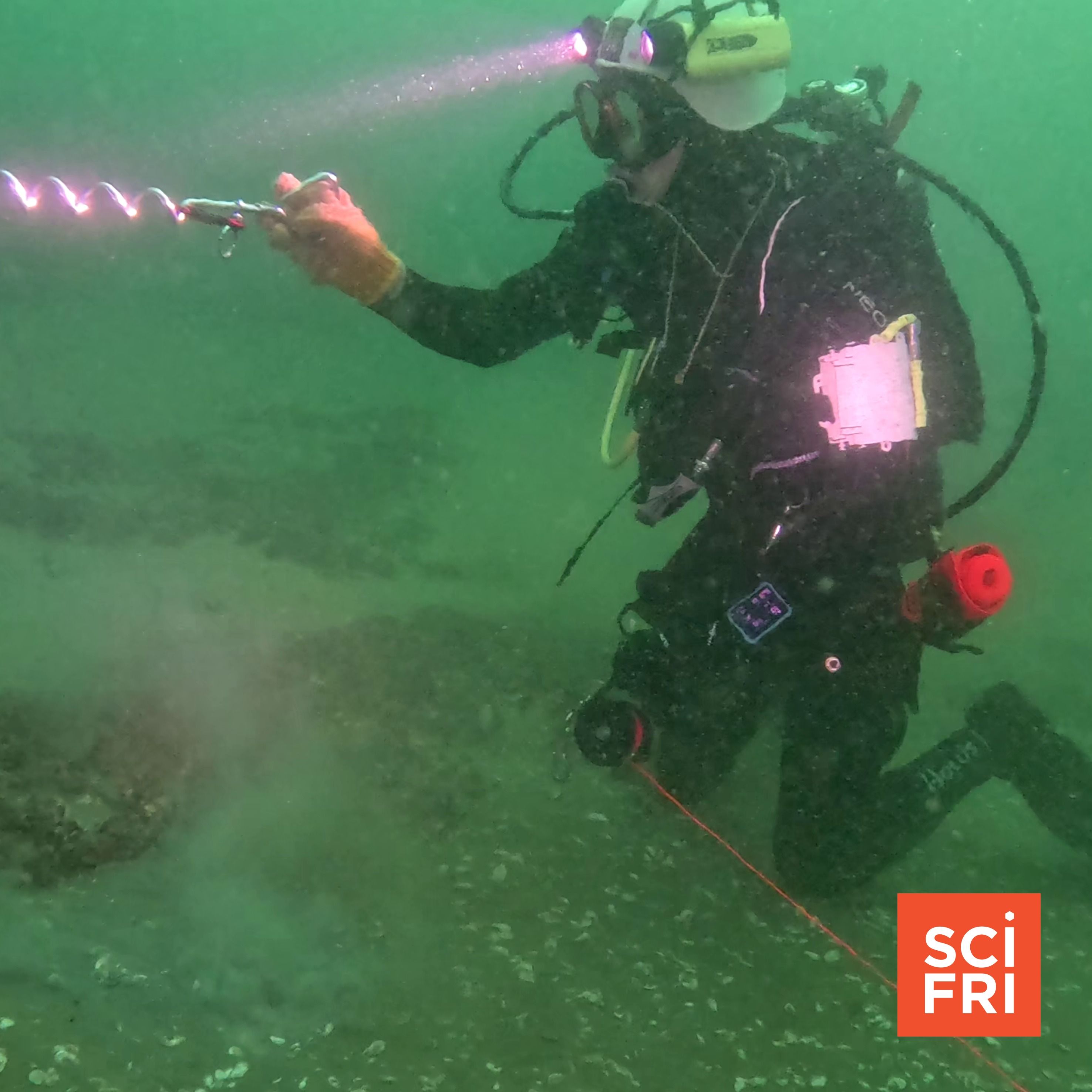
Science Friday explores underwater archeology as a window into Ice Age human settlements in North America. The episode centers on a compelling premise: when glaciers melted after the last ice age, rising sea levels submerged early human coastal settlements, preserving artifacts in underwater environments where they're…
Worth it if you're curious about early American prehistory, enjoy narrative science journalism, or want a quick, vivid primer on how archeologists recover submerged evidence of human settlement.
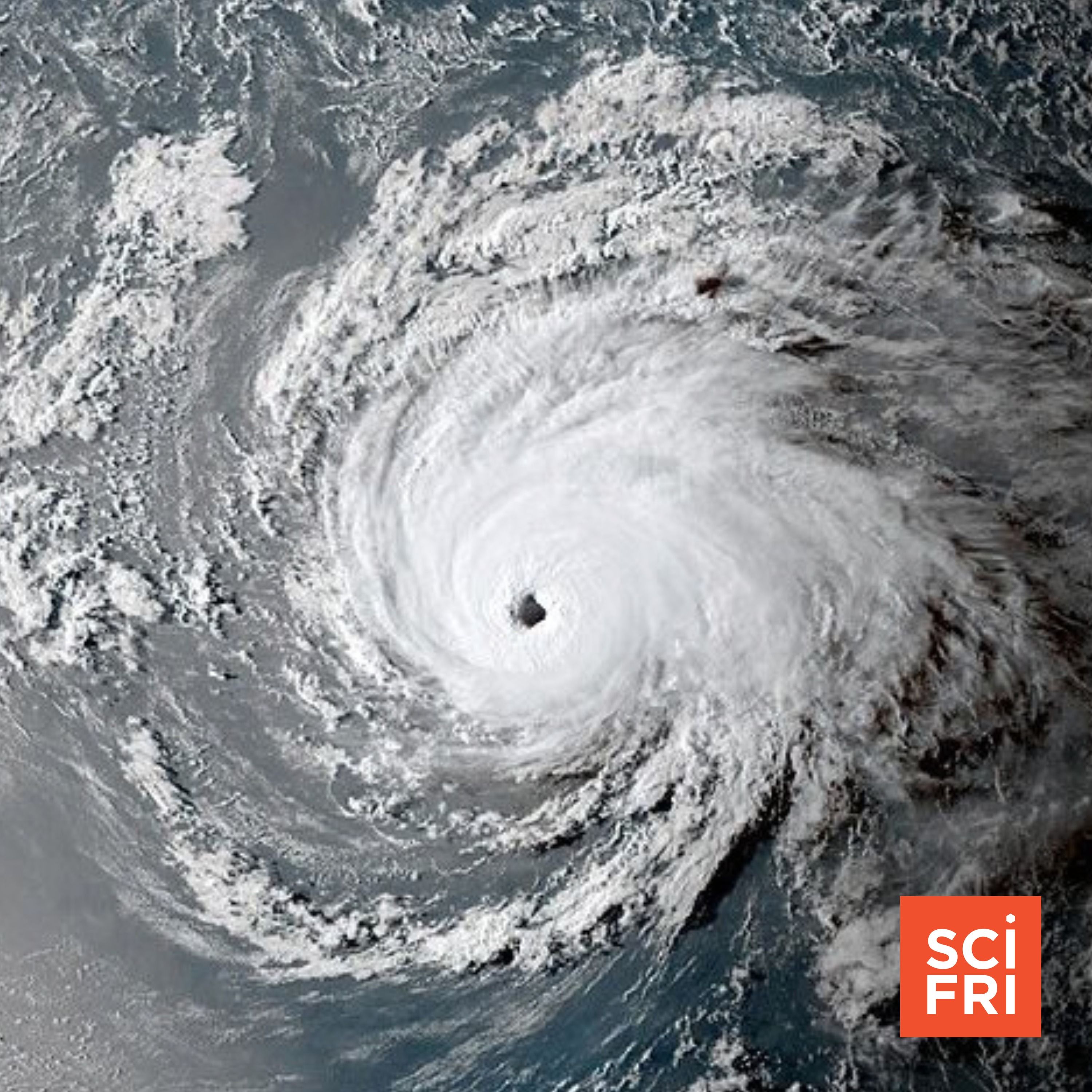
Science Friday's 13-minute episode examines the recent surge in hurricane activity affecting Hawaiʻi, specifically the back-to-back impacts of Hurricane Lala (August) and Hurricane Lowell (weeks later) on the Big Island and the islands of Ni'ihau and Kaua'i. Host Flora interviews Dr. Haunani Kane, an assistant…
Worth it if you want a quick, current update on how climate change is reshaping hurricane risk in Hawaiʻi and are interested in indigenous-informed climate resilience approaches.