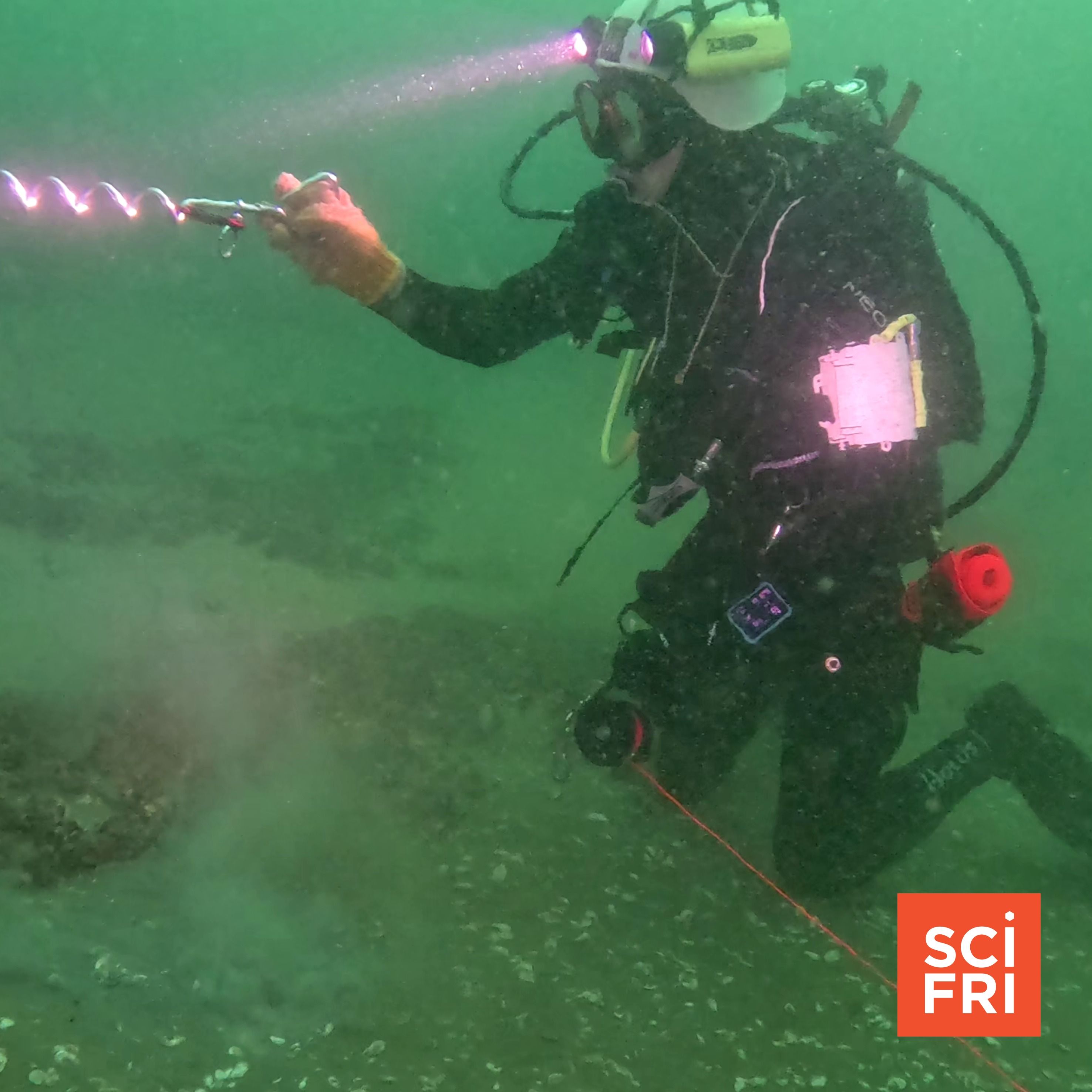
Underwater archeology reveals clues about Ice Age humans
Evaluation and Summary
Science Friday explores underwater archeology as a window into Ice Age human settlements in North America. The episode centers on a compelling premise: when glaciers melted after the last ice age, rising sea levels submerged early human coastal settlements, preserving artifacts in underwater environments where they're remarkably well-preserved. The show sends reporter Reid Frazier—an energy reporter from The Allegheny Front—to accompany an underwater archeology team on an excursion in Lake Erie, providing firsthand narrative of the fieldwork. Host Flora then interviews Dr. Jessi Halligan, an underwater archeologist and associate professor at Texas A&M, who discusses her discoveries at a significant site in Florida. The episode promises to reveal what life was like for early Americans through these submerged artifacts and the detective work required to find and study them. The framing emphasizes the dramatic intersection of geology (glacial melting, rising coastlines), archeology (artifact preservation and excavation), and human prehistory (settlement patterns and daily life in the early Americas). By combining a reporter's on-the-ground account with expert analysis from a leading researcher in the field, the episode appears designed to make an esoteric scientific practice accessible and engaging. The 18-minute length suggests a focused, digestible treatment rather than an exhaustive deep dive.
Verdict: A well-executed, accessible introduction to underwater archeology with credible experts and engaging fieldwork narrative that delivers exactly what the title promises, though the brief format limits substantive depth.
Science rubric
-
Scientific accuracy 3/5 20%
Show notes describe accurate basic science (glacial melting, coastal inundation, artifact preservation) without visible errors, but lack detail to verify precision or uncertainty acknowledgment.
-
Clarity for non-experts 4/5 20%
The premise is vivid and concrete (scuba gear, trowels, submerged settlements), and pairing a reporter's fieldwork narrative with expert interview should make underwater archeology accessible to general audiences.
-
Sense of discovery 3/5 15%
Underwater archeology itself is not new, but the episode frames specific discoveries at Lake Erie and Florida sites as revealing insights about early American life, suggesting fresh findings without claiming revolutionary breakthroughs.
-
Substance 3/5 15%
Two substantive elements (fieldwork narrative plus expert interview) promise solid content, but 18 minutes limits depth; likely includes some padding or surface-level coverage of complex topics.
-
Delivers on its title 5/5 15%
Title promises underwater archeology revealing Ice Age human clues; description directly delivers on both elements with specific sites, methods, and expert discussion.
-
Value for time 4/5 15%
18 minutes is appropriate for a focused Science Friday segment combining narrative and interview; likely well-paced, though show notes don't confirm whether it avoids tangents.
Worth it if you're curious about early American prehistory, enjoy narrative science journalism, or want a quick, vivid primer on how archeologists recover submerged evidence of human settlement.
Based on the episode description. AI-generated; it can be wrong.
Show notes
More from Science Friday
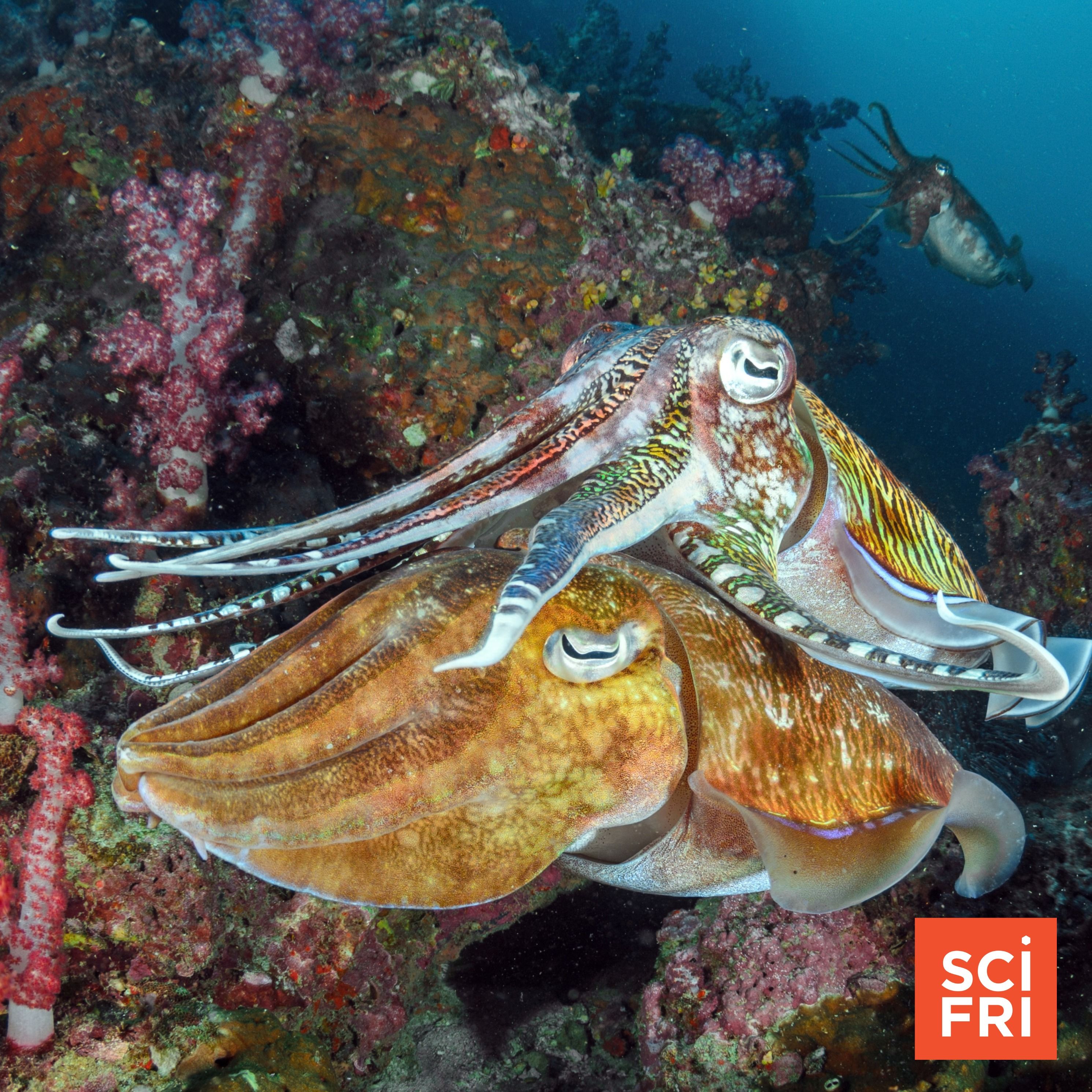
Science Friday's 18-minute episode explores the darker, more chaotic side of cephalopod biology, departing from the typical "intelligent and majestic" narrative. Hosted by Flora Lichtman with guests Dr. Heather Judkins (University of South Florida St. Petersburg) and Dr. Z. Yan Wang (University of Washington), the…
Worth it if you're curious about the darker, messier side of marine biology and want a quick, expert-led departure from typical "smart octopus" narratives.
Science Friday marks Nobel Prize week with a rebroadcast of a 2013 interview between host Ira Flatow and physicist Francis Halzen, who won the 2026 Nobel Prize in Physics for his work on the IceCube Neutrino Observatory. The episode focuses on the IceCube detector, a massive instrument buried in Antarctic ice that…
Worth it if you want a quick, accessible introduction to how neutrino detection works and why the IceCube matters, or if you're curious about the 2026 Nobel Prize in physics.
Science Friday interviews David Byrne, the artist, musician, and Talking Heads frontman, about his new book 'Sleeping Beauties: Why Good Ideas Go Dormant and How They Wake Up.' The episode explores why groundbreaking ideas—those born in labs or art studios—sometimes fall into obscurity before being rediscovered and…
Worth it if you're curious about why innovations stall and how cultural or scientific ideas resurface, or if you enjoy David Byrne's perspective on creativity and culture.
Science Friday hosts Ira Flatow in conversation with documentarian John Wilson about his new documentary "The History of Concrete." Wilson, best known for his HBO series "How To with John Wilson," discusses a film that examines concrete through an unconventional lens. While the documentary covers substantive…
Worth it if you're interested in John Wilson's filmmaking style or want a brief introduction to his concrete documentary, but not if you're seeking actual concrete history or environmental science.
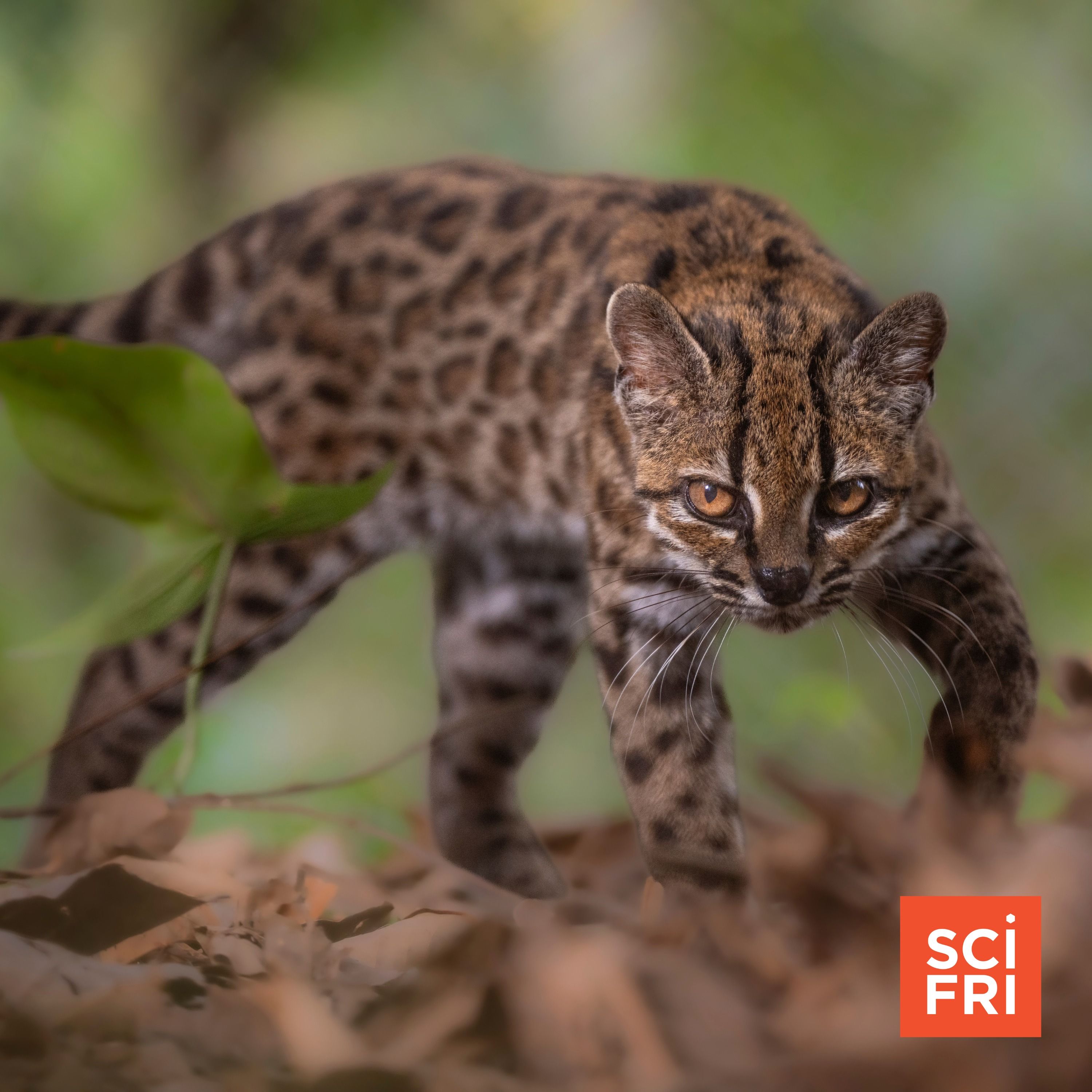
Science Friday covers the discovery of the tilcayo, a three-pound spotted wild cat from Bolivia that represents the first new felid species described in over a century. Host Flora interviews Paola Nogales-Ascarrunz, a National Geographic Explorer and biologist who spent nearly a decade researching and classifying this…
Worth it if you're curious about how new species are discovered and classified in the modern era, or want the real story behind a viral science news item.
Science Friday examines the financial and operational crisis facing natural history museums in America, prompted by the Academy of Natural Sciences of Drexel University's announcement that it cannot afford to remain open to the public, alongside rumors of closures at other institutions like the Sternberg Museum in…
Worth it if you care about cultural institutions, museum science, or the future of public access to natural history collections.