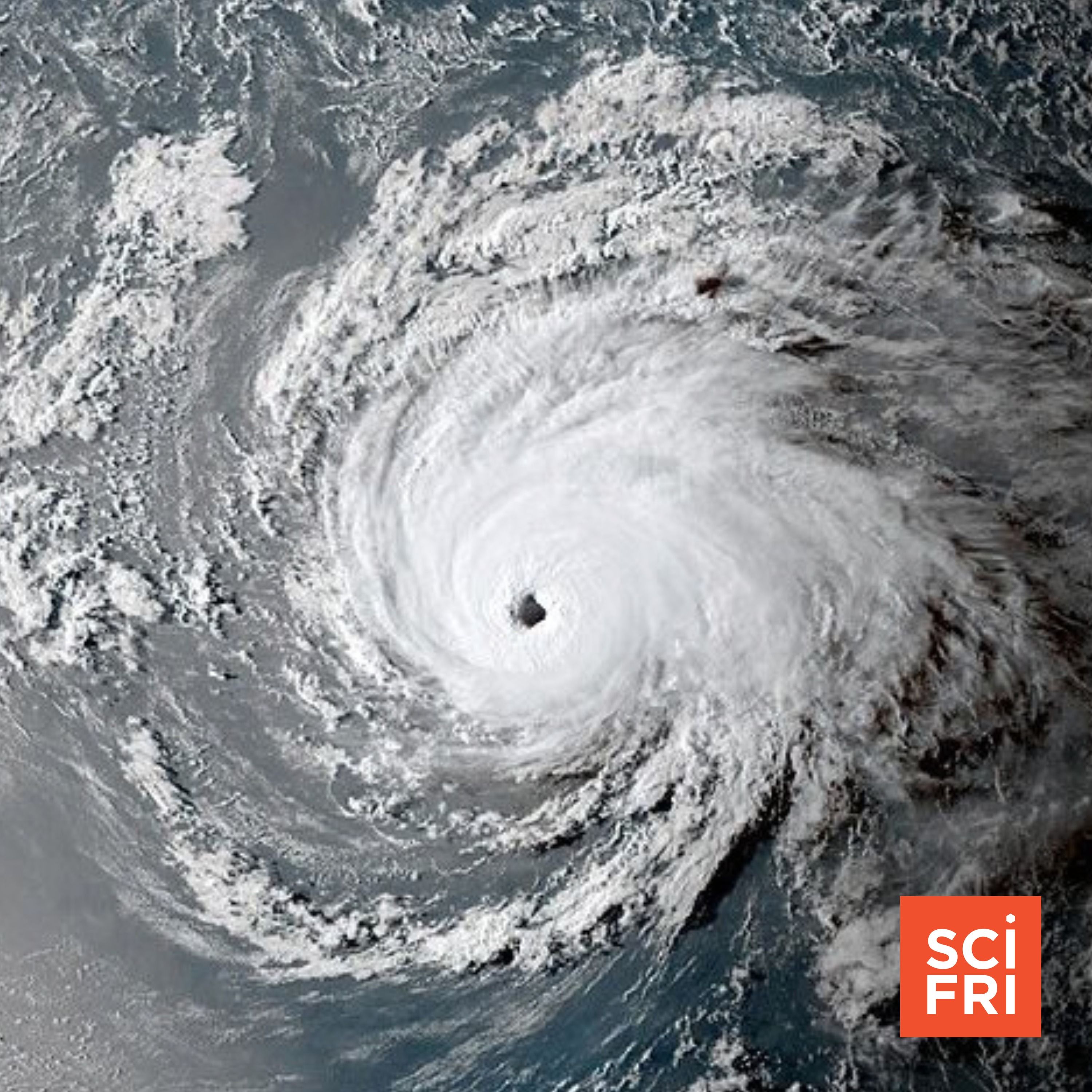
Climate change is increasing hurricane risk for Hawaiʻi
Evaluation and Summary
Science Friday's 13-minute episode examines the recent surge in hurricane activity affecting Hawaiʻi, specifically the back-to-back impacts of Hurricane Lala (August) and Hurricane Lowell (weeks later) on the Big Island and the islands of Ni'ihau and Kaua'i. Host Flora interviews Dr. Haunani Kane, an assistant professor at the University of Hawaiʻi at Mānoa, who specializes in climate change impacts on island communities. The episode frames Hawaiʻi's historical insulation from severe hurricanes as context for why this summer's twin storms represent a notable shift. The discussion centers on three main themes: (1) what scientists understand about this particular hurricane season and its causes, (2) how climate change is manifesting along Hawaiʻi's coasts beyond just hurricane frequency, and (3) the concept of resilience in island communities. Kane's expertise appears to encompass both the physical science of climate impacts and the human dimensions—the episode notes her focus on 'island people' alongside environmental systems. A significant element highlighted is the importance of coral reefs in hurricane resilience, suggesting the episode explores natural infrastructure's role in adaptation. The episode also emphasizes 'combining different types of knowledge,' implying integration of indigenous Hawaiian perspectives with Western scientific approaches. The description positions this as timely reporting on an active climate story rather than historical analysis, with concrete recent examples (named storms, specific islands affected, tangible damage like flooding and power outages) grounding the discussion. At 13 minutes, this is a short-form episode, suggesting a focused rather than comprehensive treatment. The show notes promise transcripts within 1-3 days and encourage audience engagement through multiple platforms and a call-in line for science questions.
Verdict: A timely, well-sourced short-form episode on an urgent climate story with a credible expert, but the brief format and limited show notes prevent assessment of whether it achieves real depth or clarity on the science.
Science rubric
-
Scientific accuracy 3/5 20%
Guest is a credentialed climate scientist at a major university; no claims in the description appear overstated, but the brief format limits depth to assess precision on specific climate mechanisms.
-
Clarity for non-experts 3/5 20%
Concrete examples (named hurricanes, specific islands, visible damage) make the topic accessible, but the show notes don't reveal whether technical climate concepts are explained clearly.
-
Sense of discovery 3/5 15%
The angle of combining indigenous knowledge with Western science and the focus on reef resilience suggest some fresh perspective, but the core story (climate change increasing hurricane risk) is well-established.
-
Substance 3/5 15%
Three substantive themes (hurricane season analysis, coastal climate impacts, resilience strategies) promise solid content, but 13 minutes limits how deeply each can be explored.
-
Delivers on its title 4/5 15%
Title promises climate change and hurricane risk for Hawaiʻi; the episode directly addresses both through recent storms and expert analysis, though brevity may limit depth of the causal explanation.
-
Value for time 4/5 15%
13 minutes is tight and appropriate for a focused interview; no indication of padding, though the format inherently limits exploration of complex topics.
Worth it if you want a quick, current update on how climate change is reshaping hurricane risk in Hawaiʻi and are interested in indigenous-informed climate resilience approaches.
Based on the episode description. AI-generated; it can be wrong.
Show notes
More from Science Friday
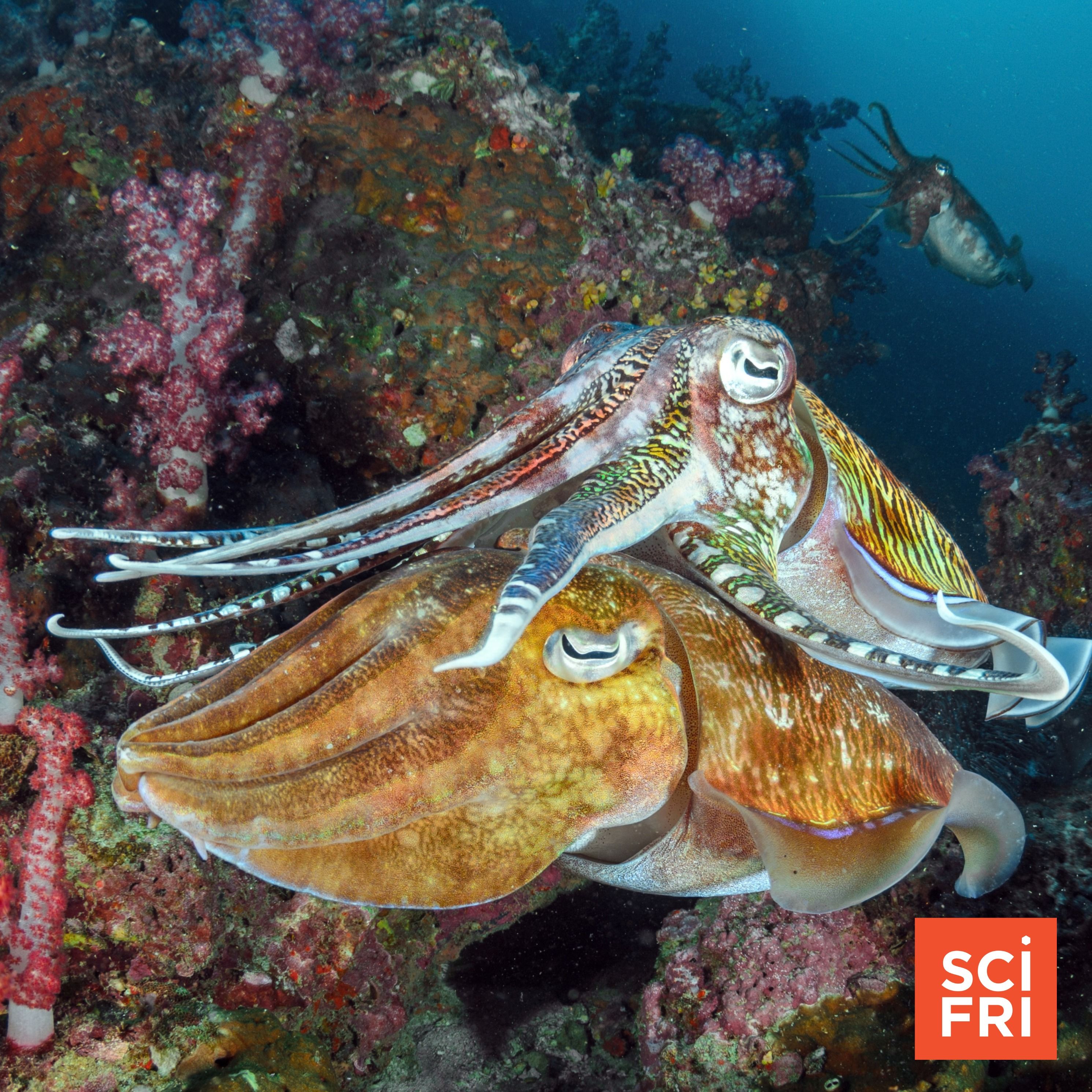
Science Friday's 18-minute episode explores the darker, more chaotic side of cephalopod biology, departing from the typical "intelligent and majestic" narrative. Hosted by Flora Lichtman with guests Dr. Heather Judkins (University of South Florida St. Petersburg) and Dr. Z. Yan Wang (University of Washington), the…
Worth it if you're curious about the darker, messier side of marine biology and want a quick, expert-led departure from typical "smart octopus" narratives.
Science Friday marks Nobel Prize week with a rebroadcast of a 2013 interview between host Ira Flatow and physicist Francis Halzen, who won the 2026 Nobel Prize in Physics for his work on the IceCube Neutrino Observatory. The episode focuses on the IceCube detector, a massive instrument buried in Antarctic ice that…
Worth it if you want a quick, accessible introduction to how neutrino detection works and why the IceCube matters, or if you're curious about the 2026 Nobel Prize in physics.
Science Friday interviews David Byrne, the artist, musician, and Talking Heads frontman, about his new book 'Sleeping Beauties: Why Good Ideas Go Dormant and How They Wake Up.' The episode explores why groundbreaking ideas—those born in labs or art studios—sometimes fall into obscurity before being rediscovered and…
Worth it if you're curious about why innovations stall and how cultural or scientific ideas resurface, or if you enjoy David Byrne's perspective on creativity and culture.
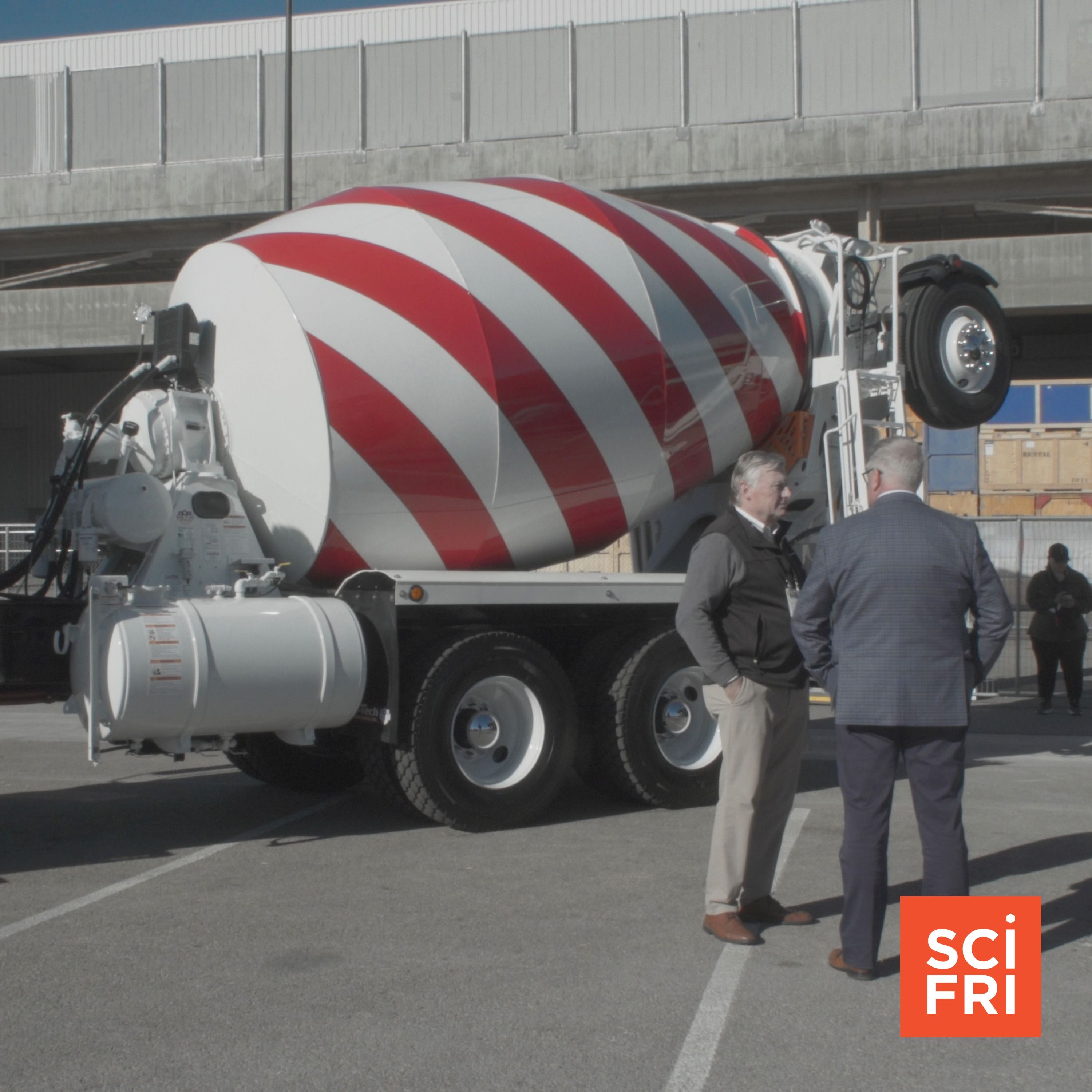
Science Friday hosts Ira Flatow in conversation with documentarian John Wilson about his new documentary "The History of Concrete." Wilson, best known for his HBO series "How To with John Wilson," discusses a film that examines concrete through an unconventional lens. While the documentary covers substantive…
Worth it if you're interested in John Wilson's filmmaking style or want a brief introduction to his concrete documentary, but not if you're seeking actual concrete history or environmental science.
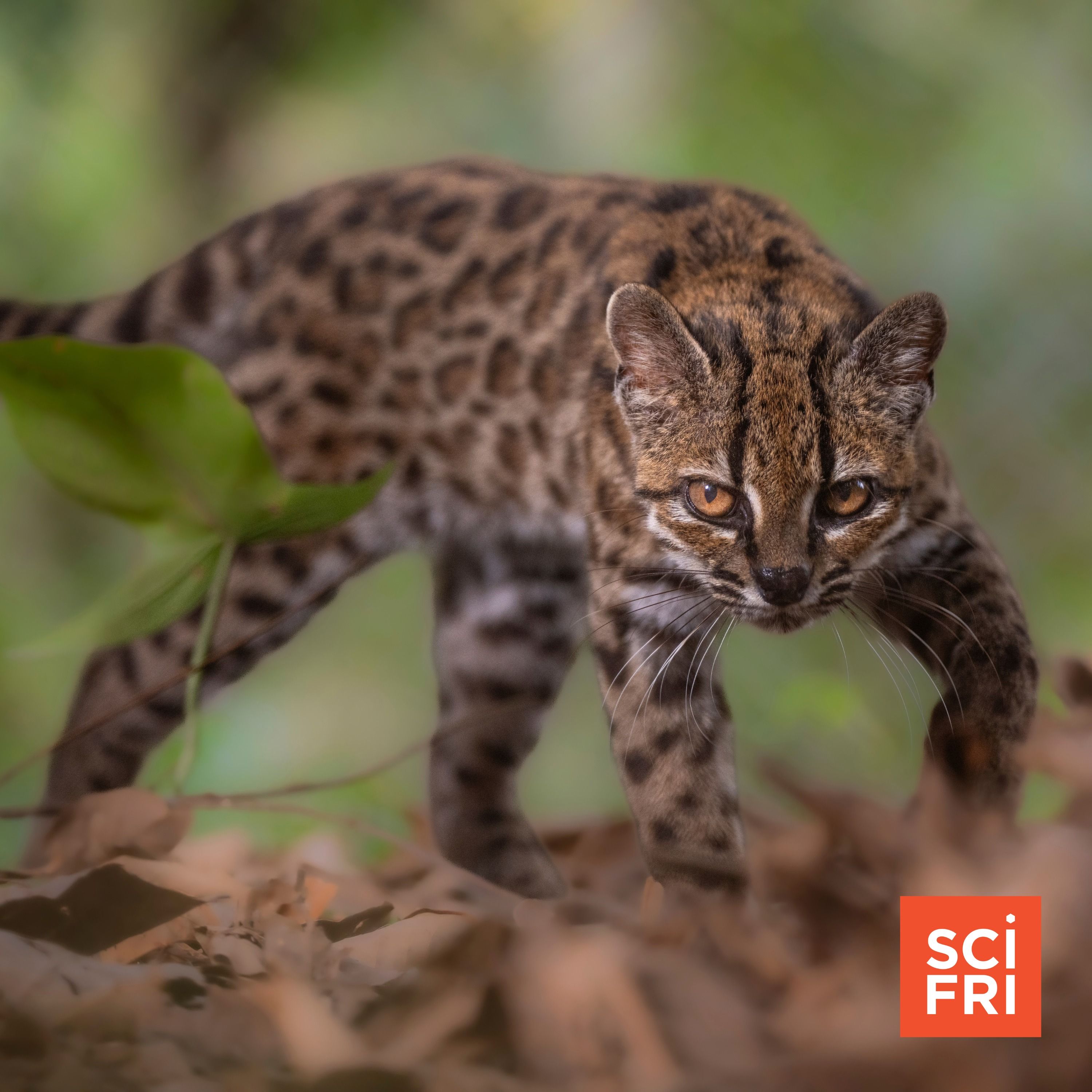
Science Friday covers the discovery of the tilcayo, a three-pound spotted wild cat from Bolivia that represents the first new felid species described in over a century. Host Flora interviews Paola Nogales-Ascarrunz, a National Geographic Explorer and biologist who spent nearly a decade researching and classifying this…
Worth it if you're curious about how new species are discovered and classified in the modern era, or want the real story behind a viral science news item.
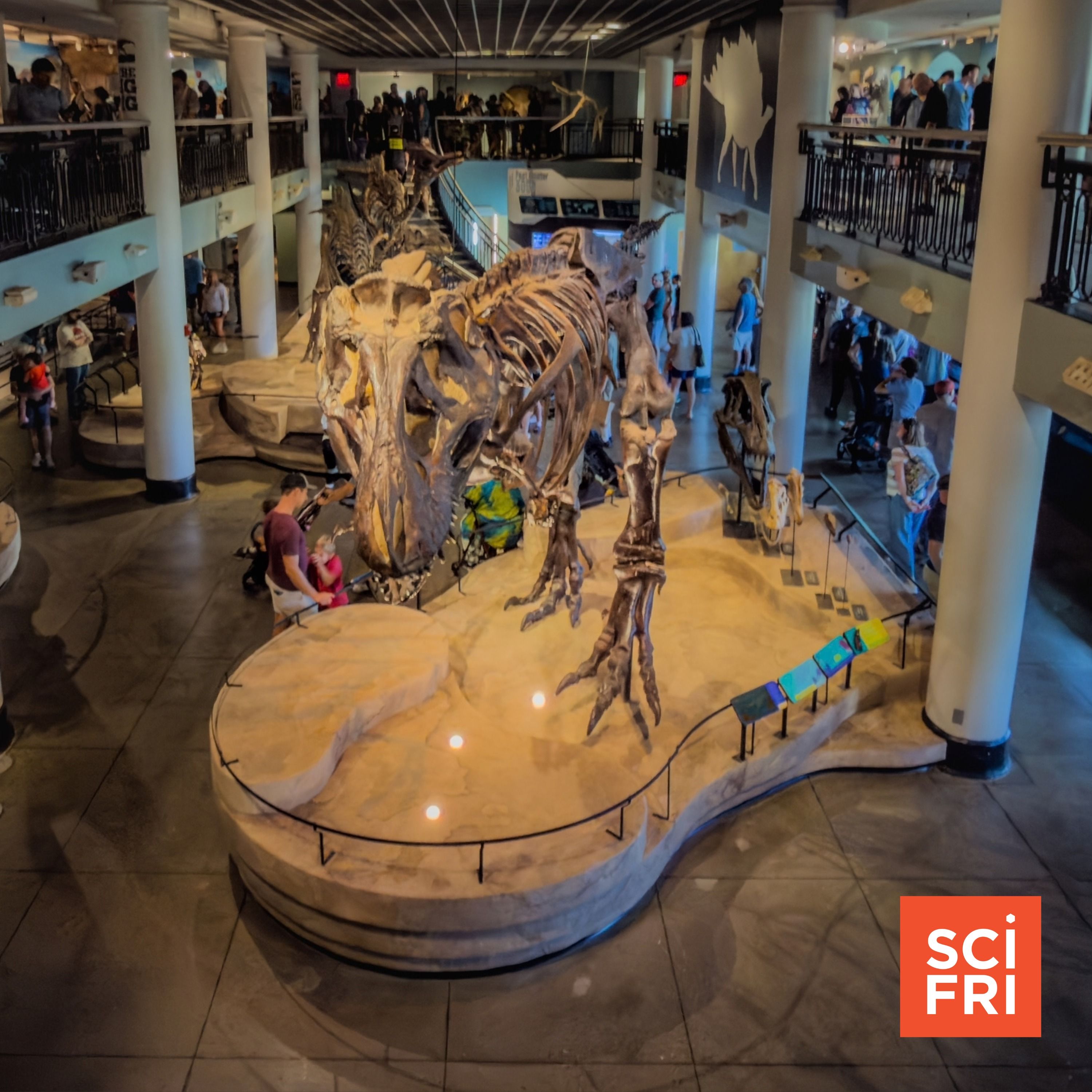
Science Friday examines the financial and operational crisis facing natural history museums in America, prompted by the Academy of Natural Sciences of Drexel University's announcement that it cannot afford to remain open to the public, alongside rumors of closures at other institutions like the Sternberg Museum in…
Worth it if you care about cultural institutions, museum science, or the future of public access to natural history collections.