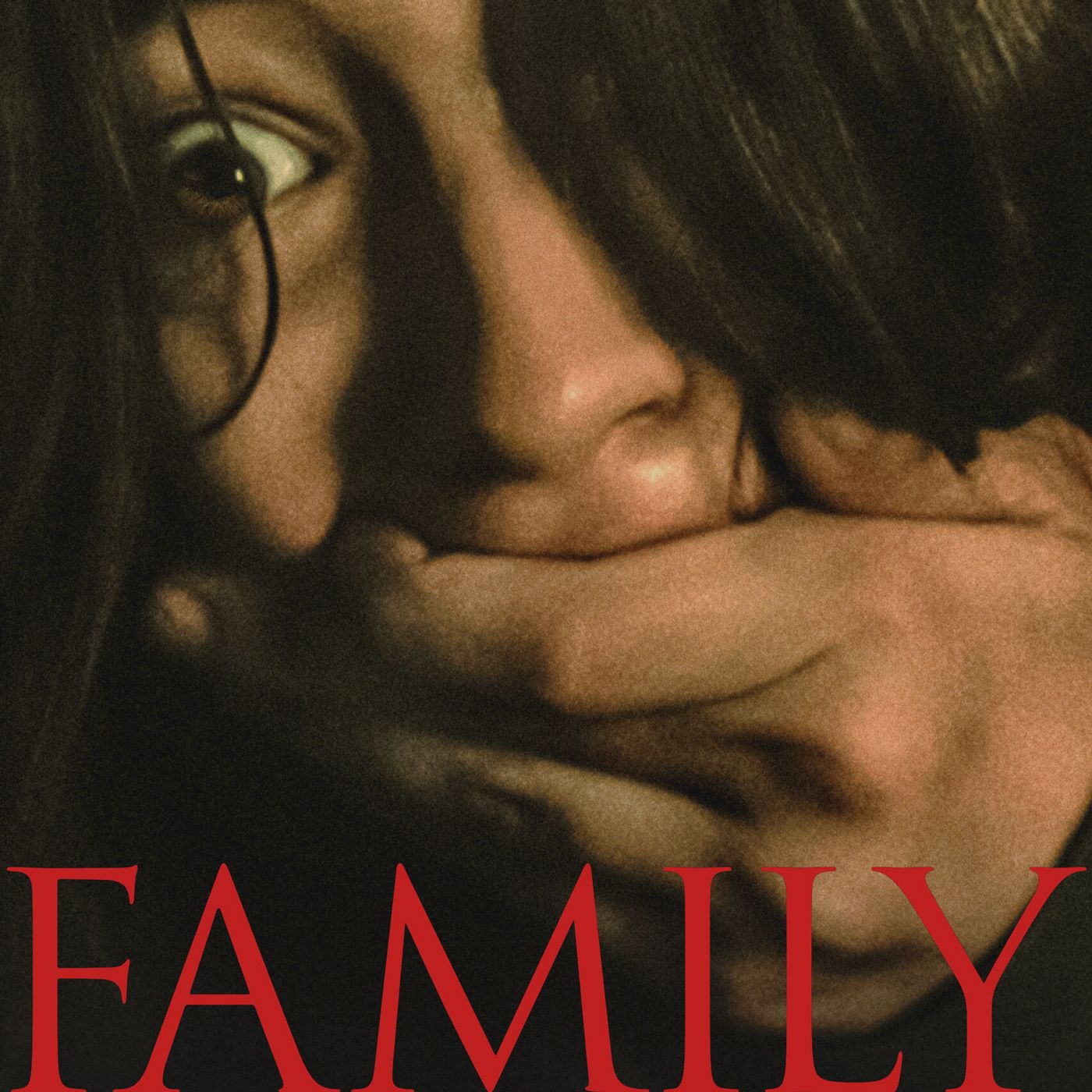
Special Report: Family (2026)
Evaluation and Summary
The Projection Booth's special report on Family (2026) offers a dual-perspective deep dive into first-time writer-director Benjamin Finkel's personal horror film and its young lead's experience making it. Finkel discusses the film's autobiographical roots—built from his childhood trauma after his father's death from cancer when he was fourteen—and traces the unlikely path from script to screen. He details how a screenwriting professor's recommendation to a literary manager led to a self-shot fake trailer (filmed in his childhood home) that attracted Fifth Season as a studio partner. Finkel also credits cinematographer Elisha Christian's work in tying the camera to his protagonist's point of view, and reveals how Ruth Wilson joined the project after just one coffee meeting and a phone call. The episode then shifts to Cameron Dawson Gray, the ten-year-old actress playing Johanna in her first feature role, who discusses the transition from shorter series and short-film work to a full feature shot out of order. Gray shares practical insights about working with a scream coach to build confidence for intense emotional scenes, a memorable birthday celebration on set (the crew brought cake during her one day off), and the surprisingly playful atmosphere on set—the crew joked they were "shooting a rom-com" despite the film's horror elements. She credits this lighthearted environment with building the trust necessary to commit fully to the film's darker material. The episode balances industry-side storytelling (development, casting, cinematography) with the actor's on-set experience, offering both craft knowledge and human-interest angles. The 36-minute runtime suggests focused conversation without excessive padding, though the show notes don't indicate whether the hosts dig into thematic analysis, the film's reception, or deeper critical examination of how personal trauma translates to horror cinema.
Verdict: A well-structured insider conversation with genuine access to a first-time filmmaker and young lead, offering solid behind-the-scenes knowledge and production anecdotes, but lacking the critical depth or thematic analysis that would elevate it beyond competent film journalism.
TV & Film rubric
-
Critical insight 2/5 20%
Show notes focus on production anecdotes and behind-the-scenes stories rather than critical analysis of the film's themes, artistic choices, or how trauma is processed through the horror genre.
-
Behind-the-scenes knowledge 4/5 20%
Strong insider access with both director and young lead discussing development (script-to-manager-to-studio), casting decisions, cinematography approach, and on-set practices like scream coaching and crew dynamics.
-
Entertainment 3/5 15%
Personal anecdotes (birthday cake on set, joking about rom-com tone) and dual-guest structure provide engaging human interest, though the show notes don't indicate comedic timing or particularly lively conversation.
-
Substance 3/5 15%
Solid mix of development story, casting process, technical craft (cinematography, acting coaching), and set culture; no obvious padding evident, but depth of each topic unclear from notes alone.
-
Delivers on its title 4/5 15%
Title promises a special report on Family (2026); episode delivers director and lead actor interviews covering the film's origins, production, and creative process, though critical analysis of the film itself may be limited.
-
Value for time 3/5 15%
36 minutes is reasonable for two separate guest interviews with production detail; pacing unclear from notes, but runtime suggests no major bloat.
Worth it if you're interested in indie film development, child acting, or the personal stories behind horror cinema, but less essential if you want sharp critical analysis of the film itself.
Based on the episode description. AI-generated; it can be wrong.
Show notes
More from The Projection Booth
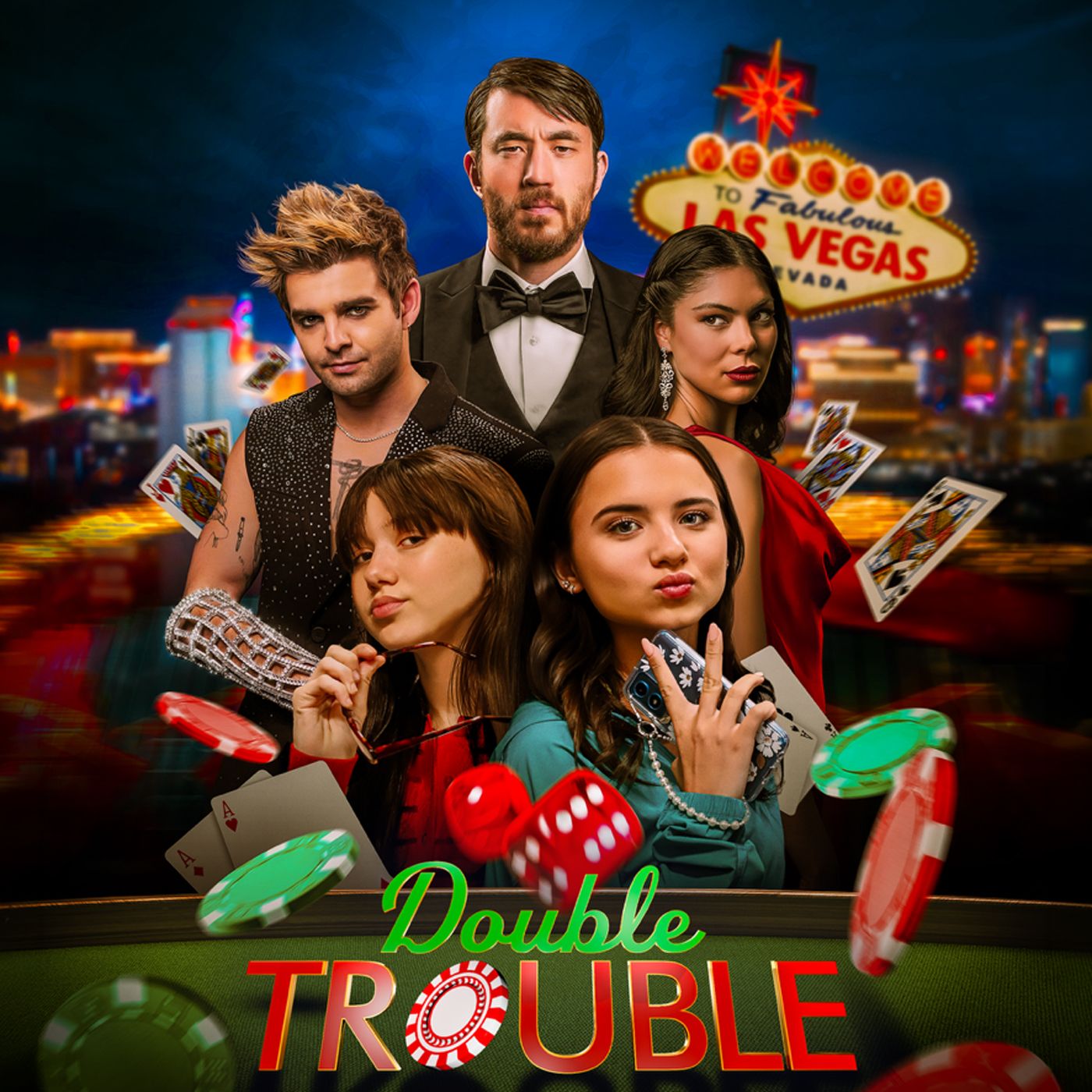
The Projection Booth's special report features director Shaun Paul Piccinino discussing his 2026 film Double Trouble, a Vegas heist comedy starring real-life sisters Madeleine and Violet McGraw. Piccinino, a former stuntman and martial artist with background in Jackie Chan documentaries, describes the film's…
Worth it if you're interested in film production logistics, heist comedies, or how directors solve real-world shooting challenges in unconventional locations.
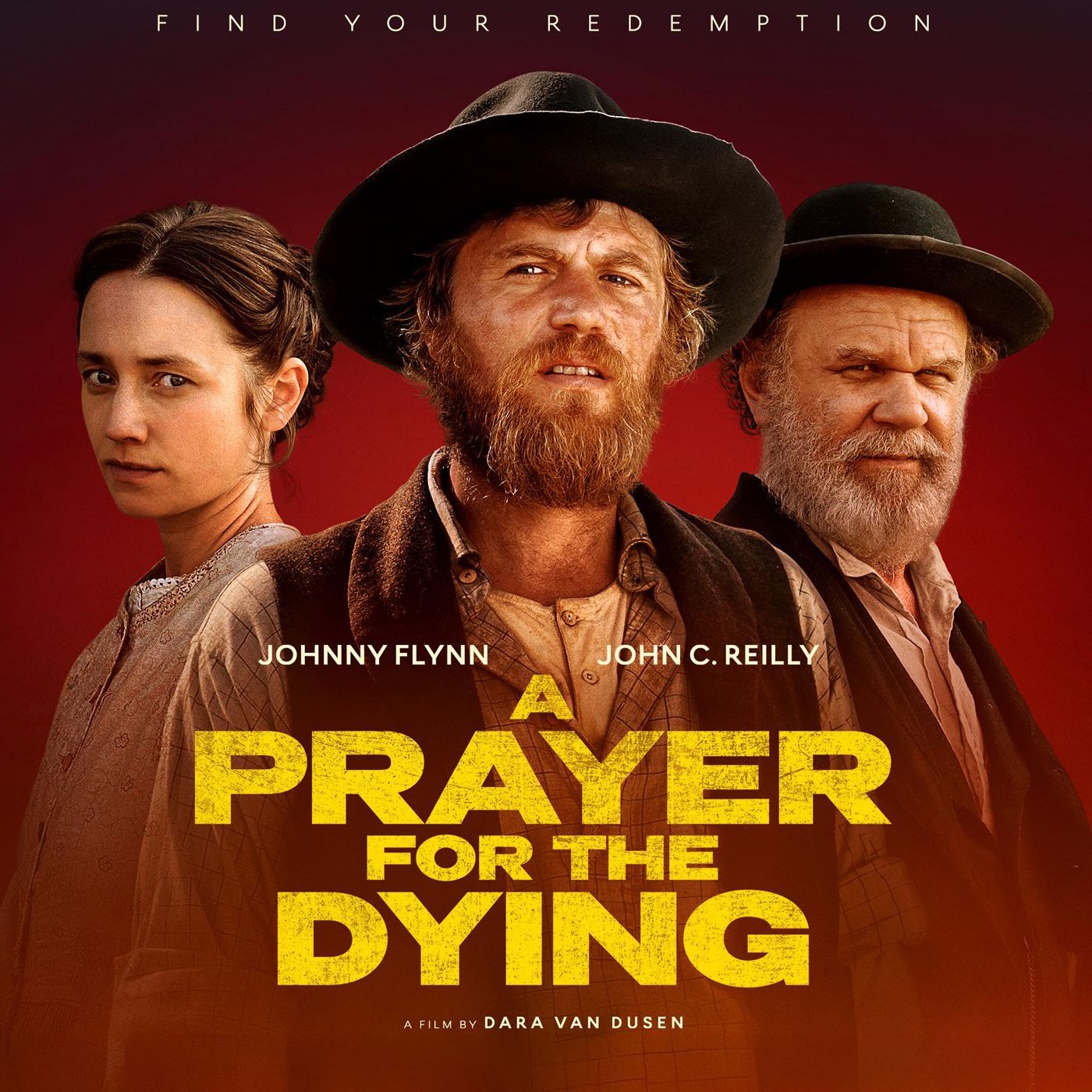
The Projection Booth's special report features actor Johnny Flynn discussing his role as Jacob Hansen, an unreliable Civil War veteran narrator, in Dara Van Dusen's directorial debut A Prayer for the Dying. The conversation centers on Flynn's approach to embodying a character whose PTSD distorts the audience's…
Worth it if you're interested in A Prayer for the Dying, first-time filmmakers, or Johnny Flynn's approach to complex character work.
The Projection Booth hosts cinematographer Bella Gonzales for a deep dive into shooting Ted Lasso's season 4 premiere, which marks the show's first return to Kansas. Gonzales, brought on as the series' first American DP by director Declan Lowney, discusses the visual strategy for distinguishing Kansas from the…
Worth it if you care about cinematography, production design, or want to understand how visual storytelling shapes a TV series.
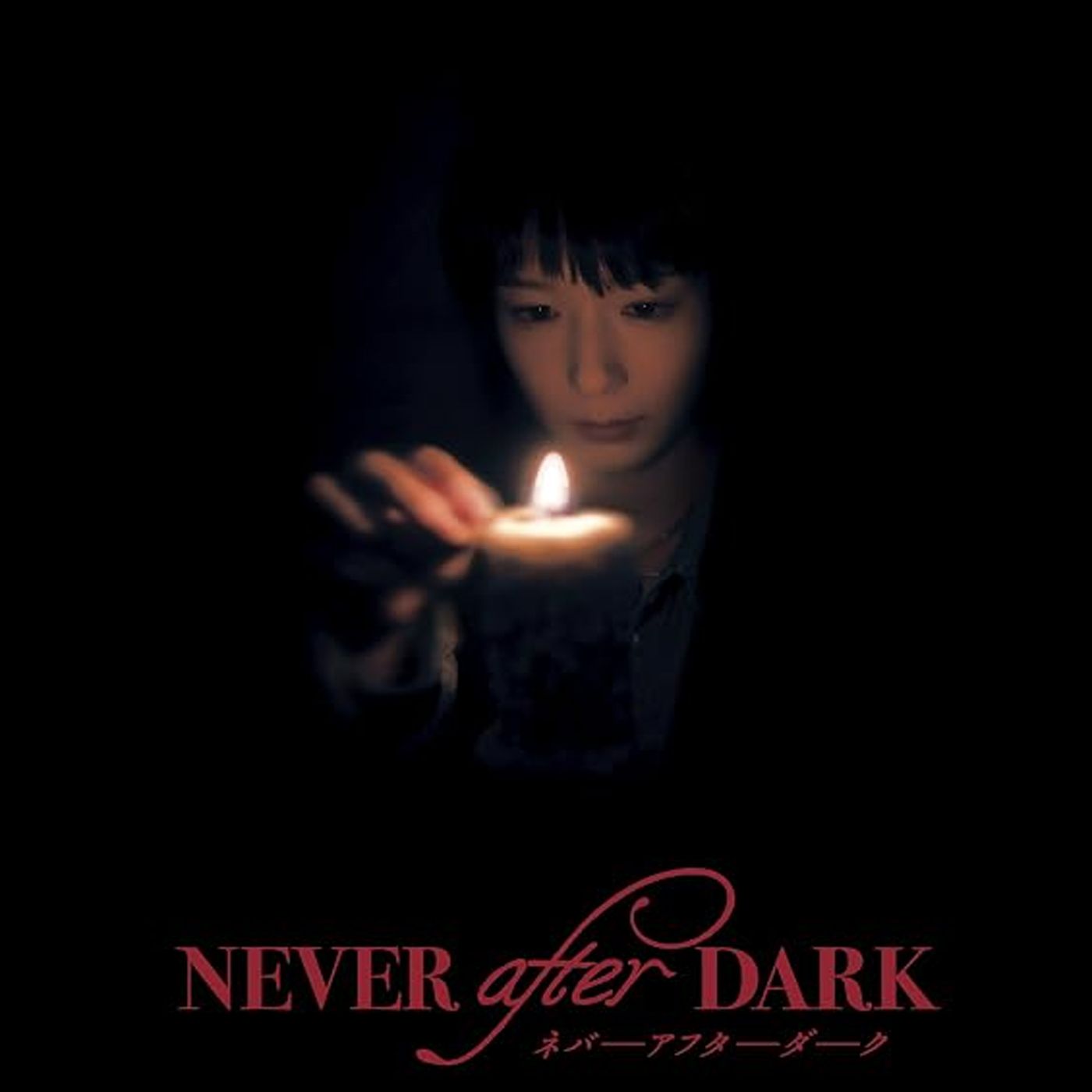
The Projection Booth's special report focuses on Never After Dark (2026), a ghost story film directed by Dave Boyle that aims to find fresh ground in a familiar genre. Host Mike White interviews Boyle and co-star Moeka Hoshi about the film's creative approach and production challenges. The episode's primary focus is…
Worth it if you're interested in film sound design, Japanese-Western production collaboration, or behind-the-scenes filmmaking logistics.
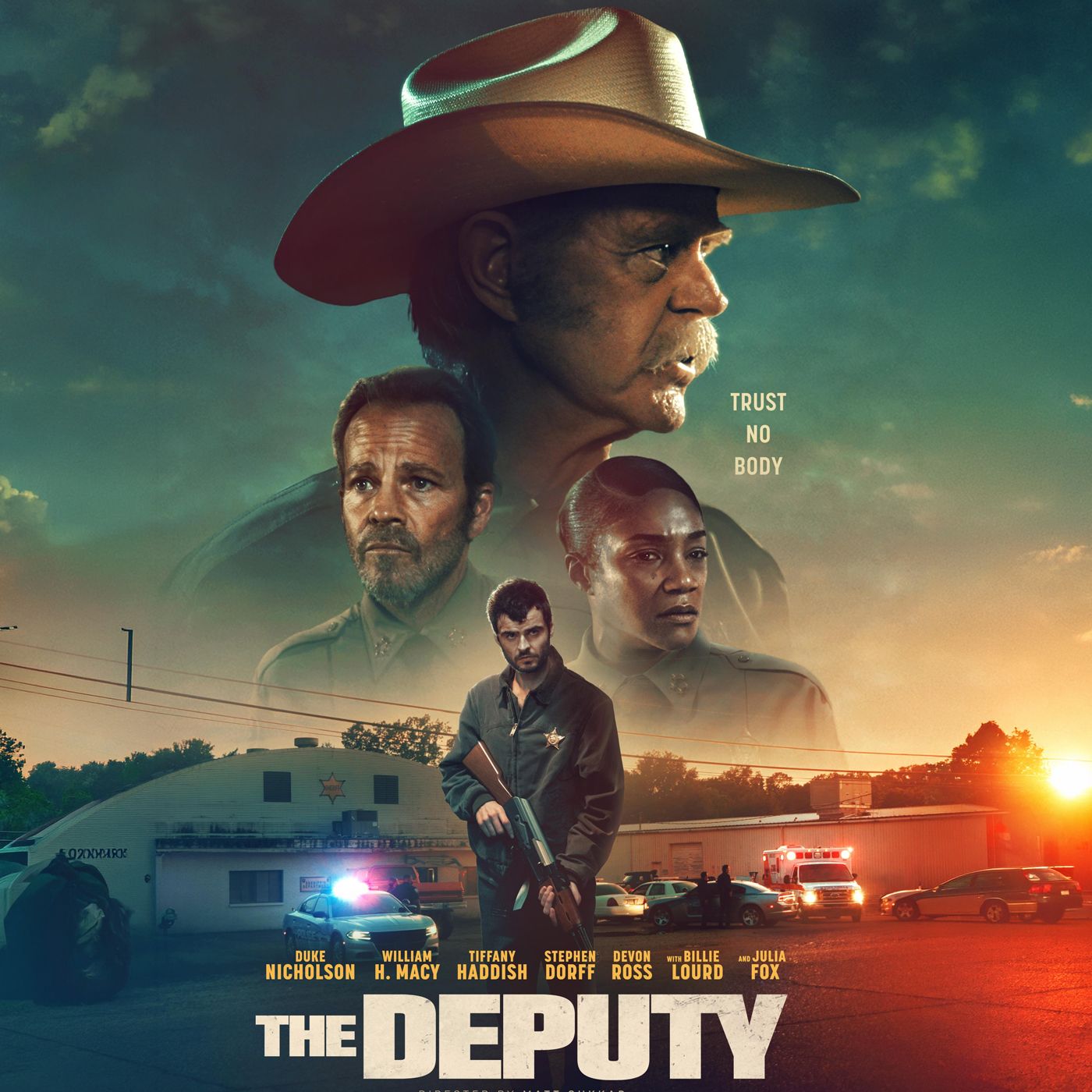
The Projection Booth's special report focuses on Matt Sukkar's directorial debut, The Deputy (2026), a crime comedy-thriller starring William H. Macy and Duke Nicholson. Host Mike White interviews Sukkar about the film's conception and production. Sukkar reveals he cold-approached Macy with a letter to cast him as…
Worth it if you're interested in independent filmmaking, directorial debuts, or want to understand the creative and logistical decisions behind The Deputy before or after seeing it.
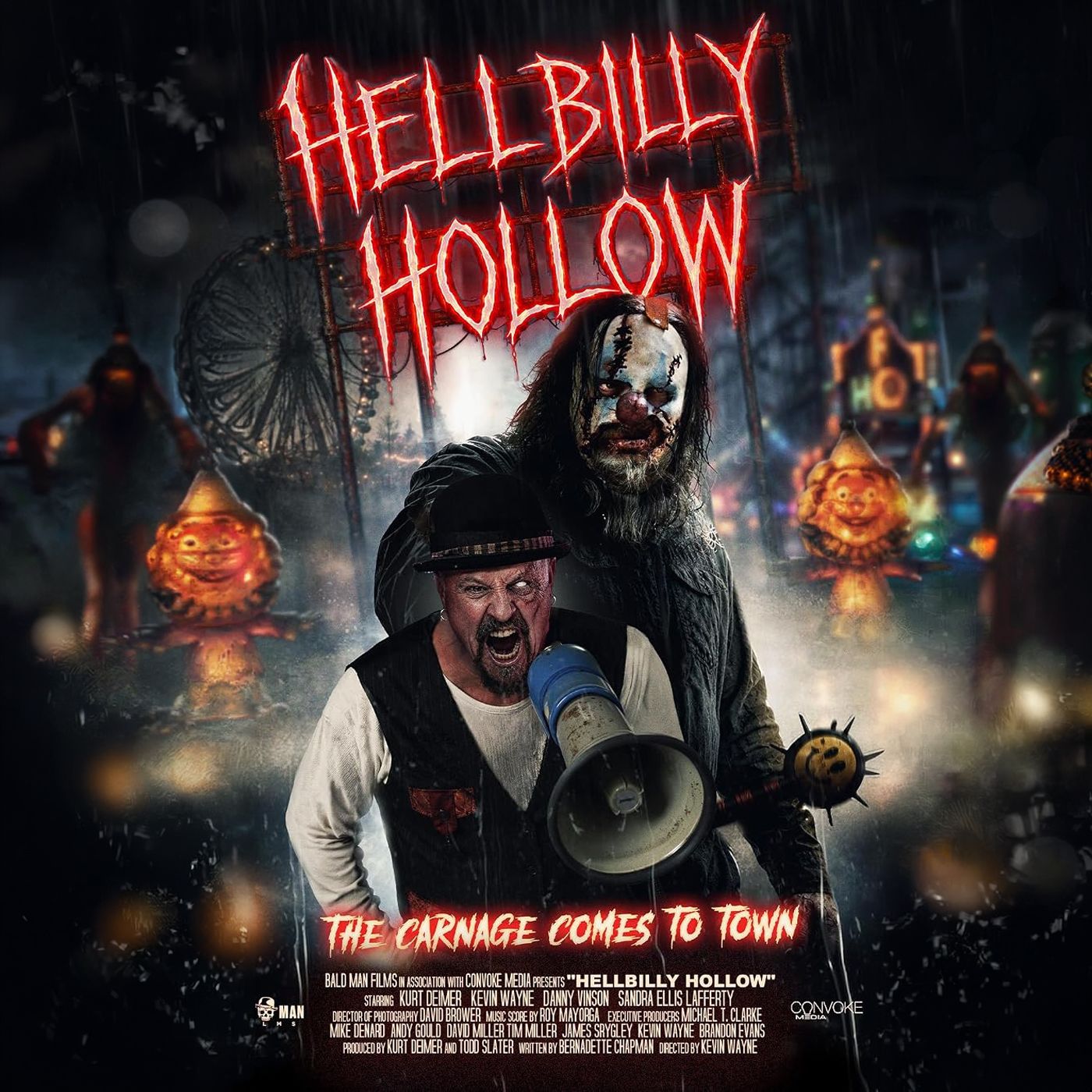
The Projection Booth's special report focuses on the making of Hellbilly Hollow (2026), a new horror film built around a real haunted attraction in Vincent, Alabama. Host Mike White interviews the film's two leads and director: Kurt Deimer, a musician-actor who was killed off in John Carpenter's 2018 Halloween, and…
Worth it if you're interested in indie horror filmmaking, franchise building, or want insider stories about how filmmakers leverage real locations and pandemic downtime to launch new horror properties.