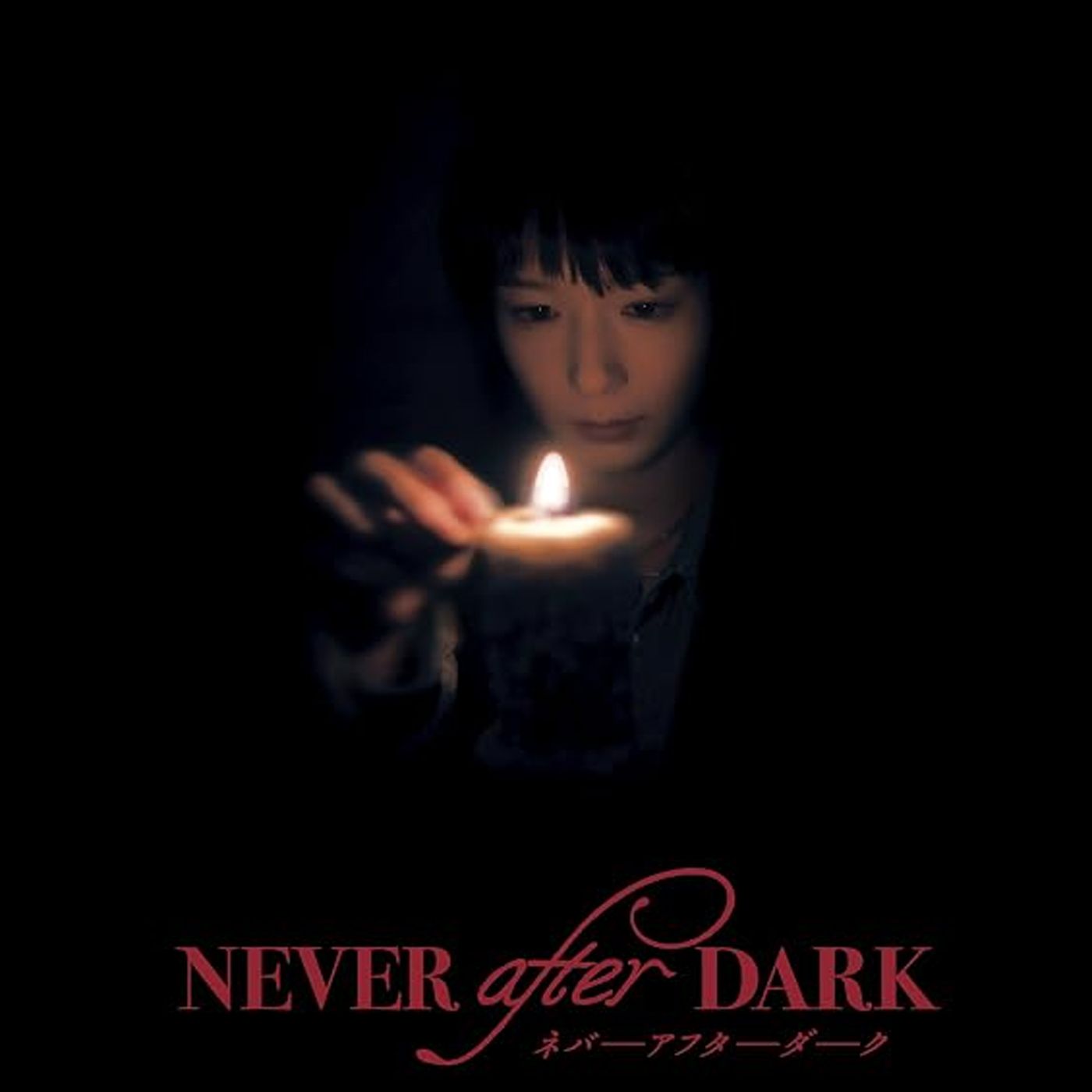
Special Report: Never After Dark (2026)
Evaluation and Summary
The Projection Booth's special report focuses on Never After Dark (2026), a ghost story film directed by Dave Boyle that aims to find fresh ground in a familiar genre. Host Mike White interviews Boyle and co-star Moeka Hoshi about the film's creative approach and production challenges. The episode's primary focus is sound design, with Boyle highlighting the collaboration between Japanese sound designer Natsuko Inoue (known for Godzilla Minus One and House of Ninjas) and American mixer Carlos at Warner Bros., alongside composer Jonathan Snipes. Boyle frames this East-West pairing as unusual and deliberate, emphasizing how sound holds the film together structurally. Hoshi discusses the unconventional acting challenge of playing medium Airi opposite Kurumi Inagaki's character Miku, who appears only as a reflection in mirrors. This meant performing entire scenes without direct eye contact with her scene partner, relying instead on taped marks to hit precise mirror angles—a technical and emotional constraint that shaped the performances. Boyle also touches on castmate Mutsuo Yoshioka's performance as a mysterious character, noting it played funnier than written, suggesting the film may have comedic elements alongside its horror premise. The episode concludes with a forward-looking hint: Boyle is developing a remake of the J-horror classic Pulse, which he describes as his favorite script he's ever received. The episode appears to deliver solid behind-the-scenes access, with the director and lead actor discussing concrete production details—sound design choices, performance constraints, and casting decisions. However, the show notes don't indicate whether there's critical analysis of the film itself, thematic exploration, or discussion of how these technical choices serve the story. The focus seems primarily on craft and production logistics rather than deeper artistic insight. The episode's length (19 minutes) is relatively brief for covering both the film and these production elements, which may limit depth. The material suggests this is a promotional interview tied to the film's release rather than a retrospective or critical examination.
Verdict: Solid behind-the-scenes access and concrete production details make this worthwhile for film craft enthusiasts, but lack of critical analysis and promotional framing limit broader appeal.
TV & Film rubric
-
Critical insight 2/5 20%
Show notes focus on production logistics and craft decisions without evidence of critical analysis or thematic exploration of the film itself.
-
Behind-the-scenes knowledge 4/5 20%
Direct interviews with director and lead actor discussing specific production choices (sound design collaboration, mirror-acting constraints, casting decisions) provide solid insider access.
-
Entertainment 3/5 15%
Anecdotes about unconventional acting techniques and casting surprises suggest engaging conversation, but show notes don't indicate humor or particularly lively discussion.
-
Substance 3/5 15%
Concrete production details about sound design, performance challenges, and casting provide real content, but 19 minutes limits depth and may include padding.
-
Delivers on its title 4/5 15%
A 'special report' on Never After Dark delivers director and actor interviews with production details, though the scope of coverage across the film's elements is unclear.
-
Value for time 3/5 15%
19 minutes is brief for covering multiple production aspects and two guests; pacing likely reasonable but may feel rushed or leave topics underdeveloped.
Worth it if you're interested in film sound design, Japanese-Western production collaboration, or behind-the-scenes filmmaking logistics.
Content flags
- Sponsored Episode is a promotional interview timed to the film's release, with director and star discussing the production.
Based on the episode description. AI-generated; it can be wrong.
Show notes
More from The Projection Booth
The Projection Booth's special report features director Shaun Paul Piccinino discussing his 2026 film Double Trouble, a Vegas heist comedy starring real-life sisters Madeleine and Violet McGraw. Piccinino, a former stuntman and martial artist with background in Jackie Chan documentaries, describes the film's…
Worth it if you're interested in film production logistics, heist comedies, or how directors solve real-world shooting challenges in unconventional locations.
The Projection Booth's special report features actor Johnny Flynn discussing his role as Jacob Hansen, an unreliable Civil War veteran narrator, in Dara Van Dusen's directorial debut A Prayer for the Dying. The conversation centers on Flynn's approach to embodying a character whose PTSD distorts the audience's…
Worth it if you're interested in A Prayer for the Dying, first-time filmmakers, or Johnny Flynn's approach to complex character work.
The Projection Booth hosts cinematographer Bella Gonzales for a deep dive into shooting Ted Lasso's season 4 premiere, which marks the show's first return to Kansas. Gonzales, brought on as the series' first American DP by director Declan Lowney, discusses the visual strategy for distinguishing Kansas from the…
Worth it if you care about cinematography, production design, or want to understand how visual storytelling shapes a TV series.
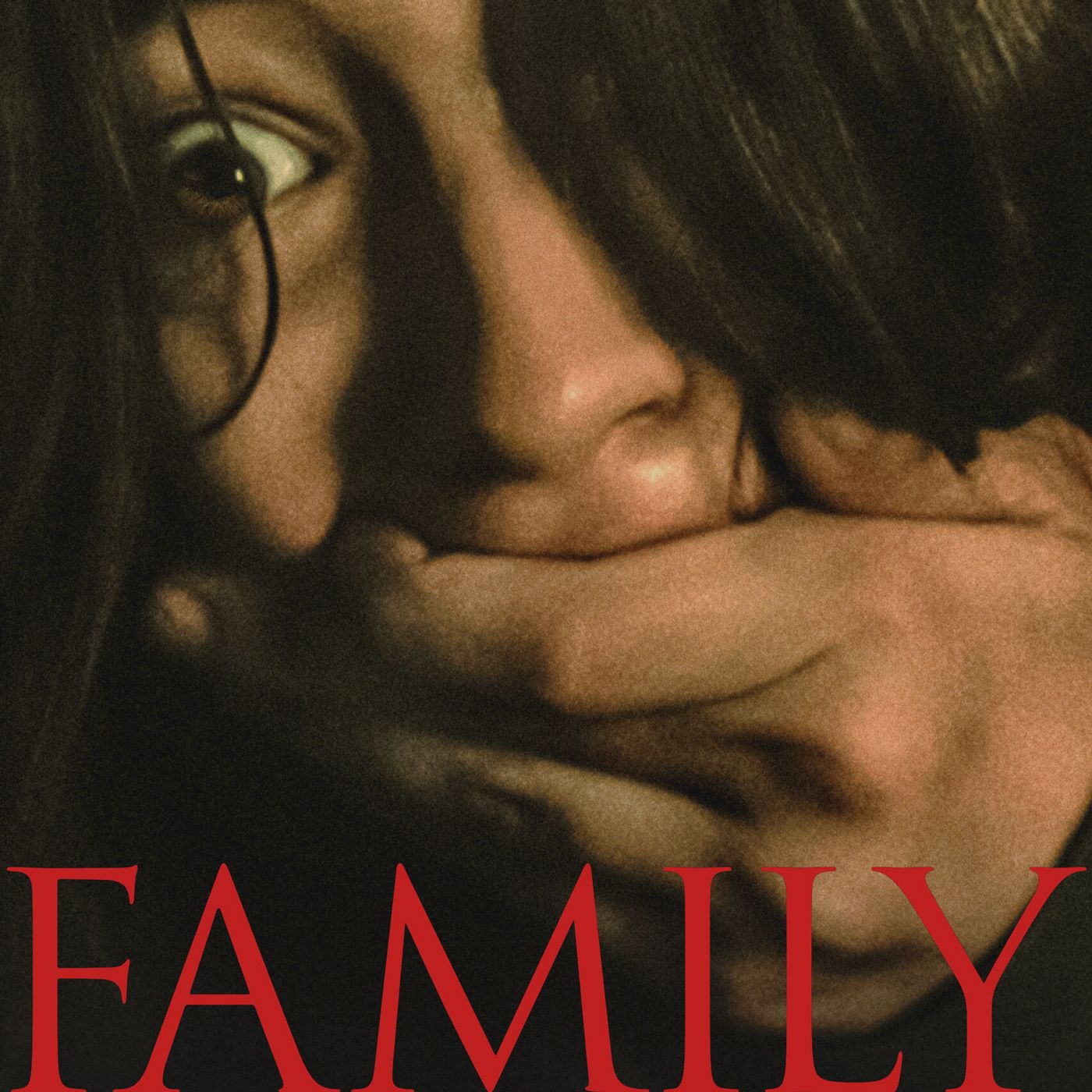
The Projection Booth's special report on Family (2026) offers a dual-perspective deep dive into first-time writer-director Benjamin Finkel's personal horror film and its young lead's experience making it. Finkel discusses the film's autobiographical roots—built from his childhood trauma after his father's death from…
Worth it if you're interested in indie film development, child acting, or the personal stories behind horror cinema, but less essential if you want sharp critical analysis of the film itself.
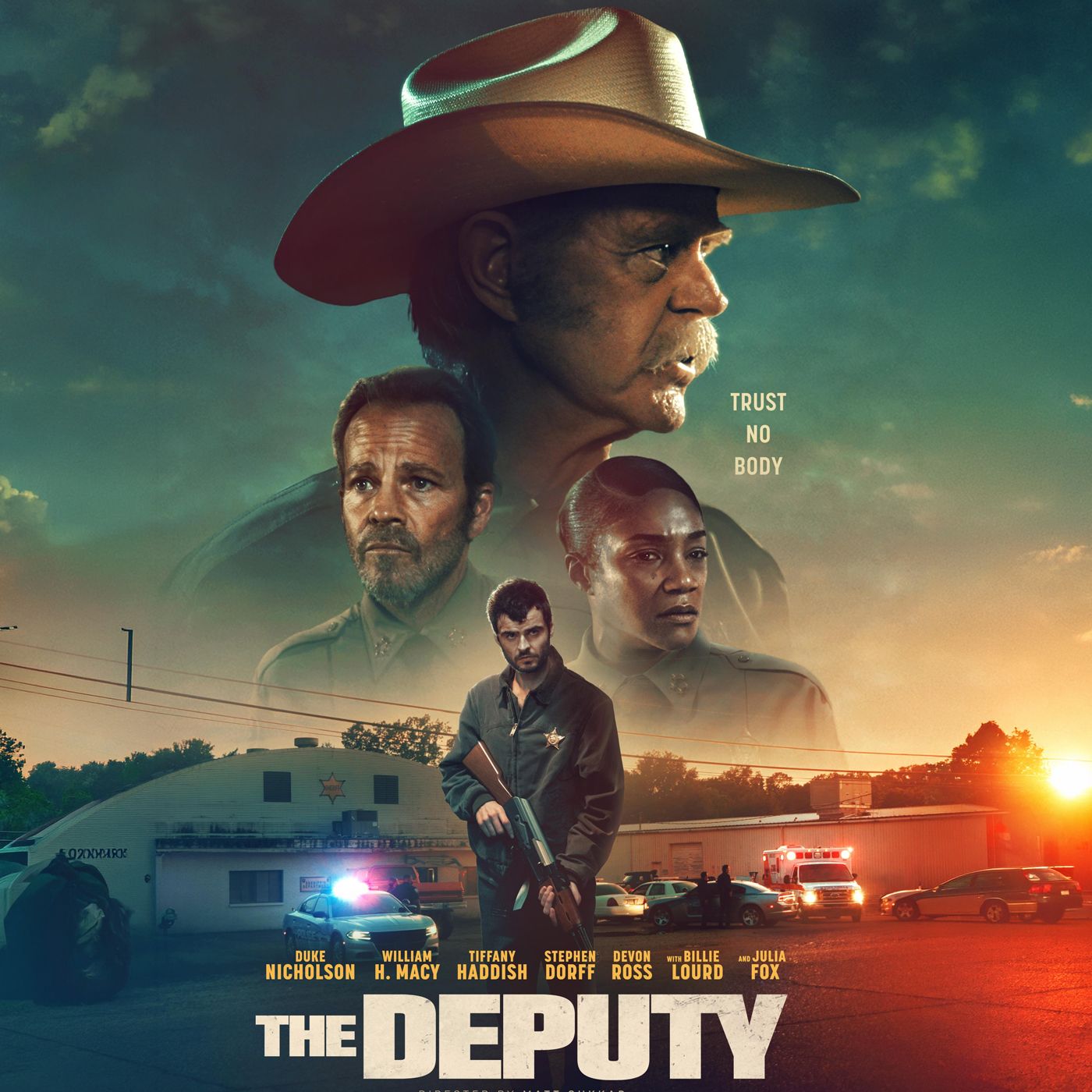
The Projection Booth's special report focuses on Matt Sukkar's directorial debut, The Deputy (2026), a crime comedy-thriller starring William H. Macy and Duke Nicholson. Host Mike White interviews Sukkar about the film's conception and production. Sukkar reveals he cold-approached Macy with a letter to cast him as…
Worth it if you're interested in independent filmmaking, directorial debuts, or want to understand the creative and logistical decisions behind The Deputy before or after seeing it.
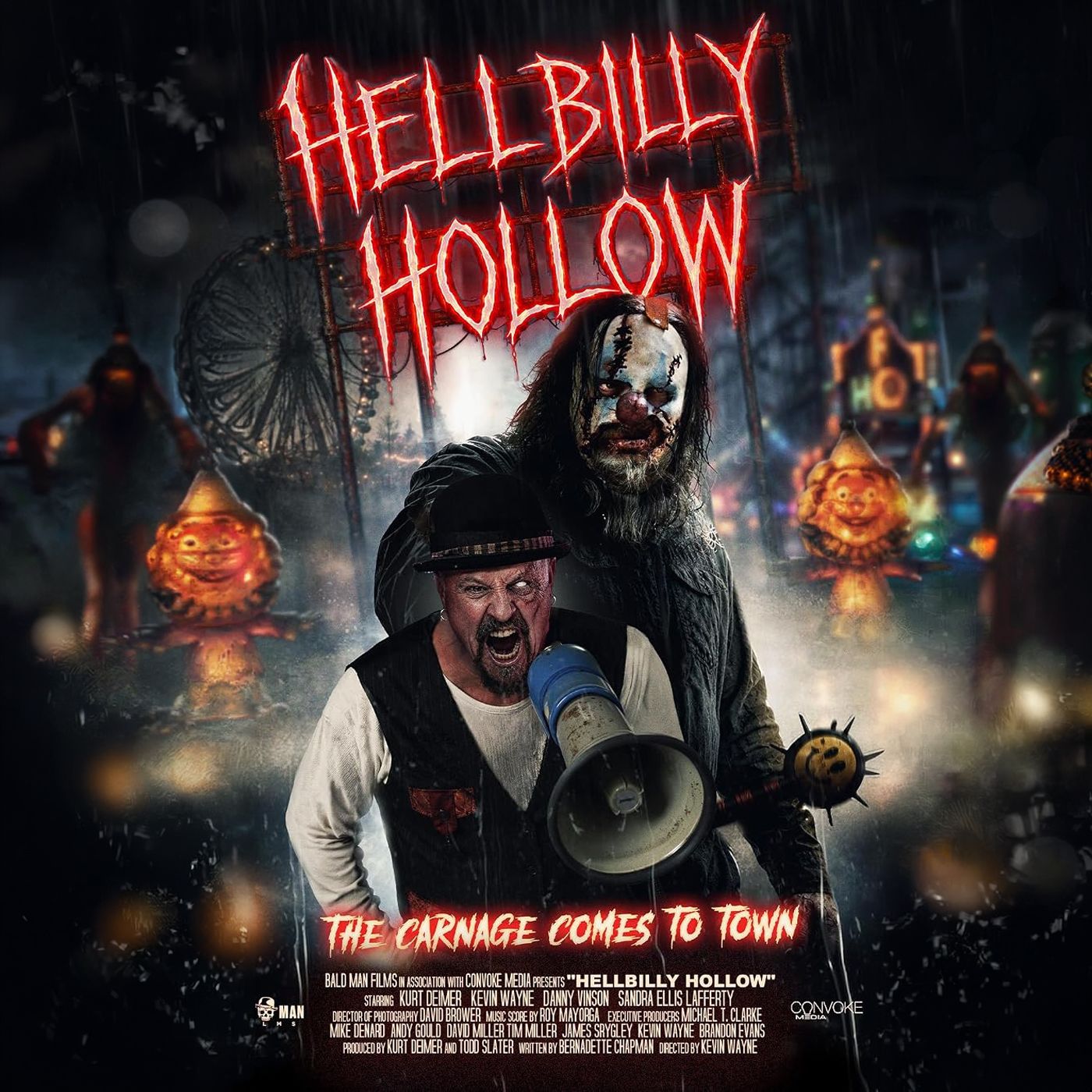
The Projection Booth's special report focuses on the making of Hellbilly Hollow (2026), a new horror film built around a real haunted attraction in Vincent, Alabama. Host Mike White interviews the film's two leads and director: Kurt Deimer, a musician-actor who was killed off in John Carpenter's 2018 Halloween, and…
Worth it if you're interested in indie horror filmmaking, franchise building, or want insider stories about how filmmakers leverage real locations and pandemic downtime to launch new horror properties.