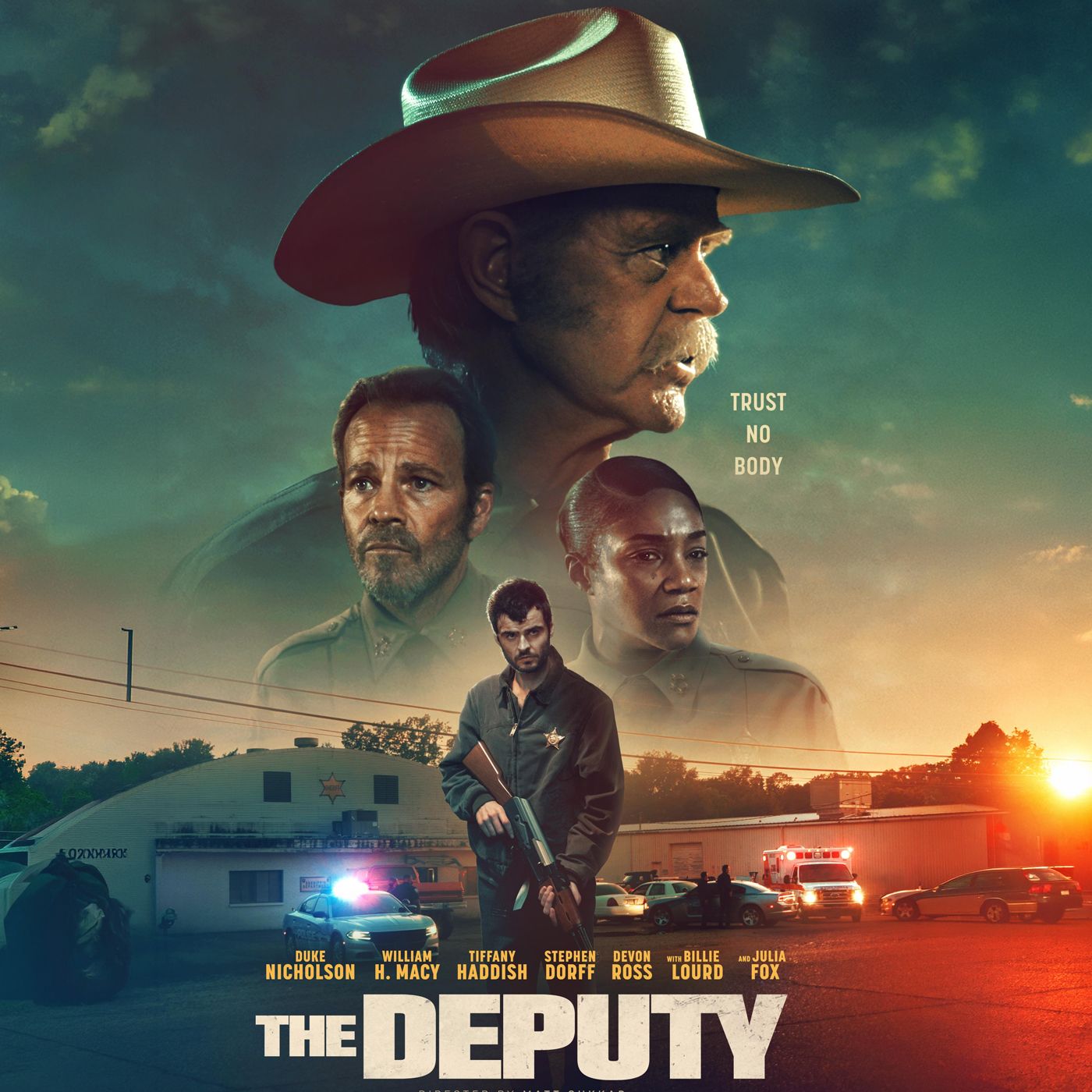
Special Report: The Deputy (2026)
Evaluation and Summary
The Projection Booth's special report focuses on Matt Sukkar's directorial debut, The Deputy (2026), a crime comedy-thriller starring William H. Macy and Duke Nicholson. Host Mike White interviews Sukkar about the film's conception and production. Sukkar reveals he cold-approached Macy with a letter to cast him as Sheriff Krueger, establishing the film's tonal foundation around Martin Scorsese's After Hours—a narrative structure where one bad decision spirals into an increasingly absurd night as the protagonist desperately tries to restore normalcy. The film adapts Victor Gischler's novel, relocated from Oklahoma to Natchez, Mississippi, with Carlo Bernard's script receiving a full dialect and cultural reference overhaul to fit the new setting. The story follows rookie deputy Toby Sawyer through a catastrophic overnight shift surrounded by an ensemble cast including Tiffany Haddish, Stephen Dorff, Billie Lourd, and Julia Fox—described by Sukkar as "eccentric, weird, but real." Production details emerge around the film's scrappy aesthetic: the sheriff's station was a converted mechanic shop dressed by production designer Julie Tosh with taxidermy and desk-drawer trinkets that mirror the film's own low-budget resourcefulness. Sukkar discusses the logistical challenges of shooting nights with strict hour limits due to underage cast members, and the unconventional post-production process where editor Javier Velasco worked across four cities (Mississippi, New York, Mexico City, and Los Angeles), changing locations to keep the same footage feeling fresh during editing. A personal note emerges: Sukkar lived with his real-life close friend and star Duke Nicholson throughout the shoot. The episode concludes by noting the film's September 25 release and Sukkar's nationwide theater tour with Q&A sessions. The interview captures both the creative vision and the grinding practical realities of independent filmmaking, emphasizing how constraint breeds innovation.
Verdict: A solid insider's look at an indie film's making with genuine production knowledge and creative vision, though the short runtime and lack of critical depth prevent it from reaching must-listen status.
TV & Film rubric
-
Critical insight 3/5 20%
Sukkar articulates clear tonal influences (Scorsese's After Hours) and thematic intent, but the show notes don't reveal whether White pushes deeper into the film's themes, performances, or cultural resonance.
-
Behind-the-scenes knowledge 4/5 20%
Rich production details: cold-approach casting strategy, location scouting and script adaptation, set design philosophy, multi-city editing logistics, and personal creative partnership dynamics provide genuine insider perspective.
-
Entertainment 3/5 15%
Anecdotes about casting, living with the lead actor, and creative problem-solving suggest engaging conversation, but the 20-minute format and show-notes-only evidence prevent confirmation of pacing or humor.
-
Substance 4/5 15%
Dense with concrete production stories, creative decisions, and logistical solutions; covers casting, adaptation, design, editing workflow, and tour plans without apparent padding.
-
Delivers on its title 5/5 15%
Titled as a special report on The Deputy, it delivers director interview, production breakdown, creative influences, and release context exactly as promised.
-
Value for time 4/5 15%
20 minutes is tight for this much ground; the density of production detail and creative insight suggests efficient pacing, though the brevity may leave some topics underdeveloped.
Worth it if you're interested in independent filmmaking, directorial debuts, or want to understand the creative and logistical decisions behind The Deputy before or after seeing it.
Based on the episode description. AI-generated; it can be wrong.
Show notes
More from The Projection Booth
The Projection Booth's special report features director Shaun Paul Piccinino discussing his 2026 film Double Trouble, a Vegas heist comedy starring real-life sisters Madeleine and Violet McGraw. Piccinino, a former stuntman and martial artist with background in Jackie Chan documentaries, describes the film's…
Worth it if you're interested in film production logistics, heist comedies, or how directors solve real-world shooting challenges in unconventional locations.
The Projection Booth's special report features actor Johnny Flynn discussing his role as Jacob Hansen, an unreliable Civil War veteran narrator, in Dara Van Dusen's directorial debut A Prayer for the Dying. The conversation centers on Flynn's approach to embodying a character whose PTSD distorts the audience's…
Worth it if you're interested in A Prayer for the Dying, first-time filmmakers, or Johnny Flynn's approach to complex character work.
The Projection Booth hosts cinematographer Bella Gonzales for a deep dive into shooting Ted Lasso's season 4 premiere, which marks the show's first return to Kansas. Gonzales, brought on as the series' first American DP by director Declan Lowney, discusses the visual strategy for distinguishing Kansas from the…
Worth it if you care about cinematography, production design, or want to understand how visual storytelling shapes a TV series.
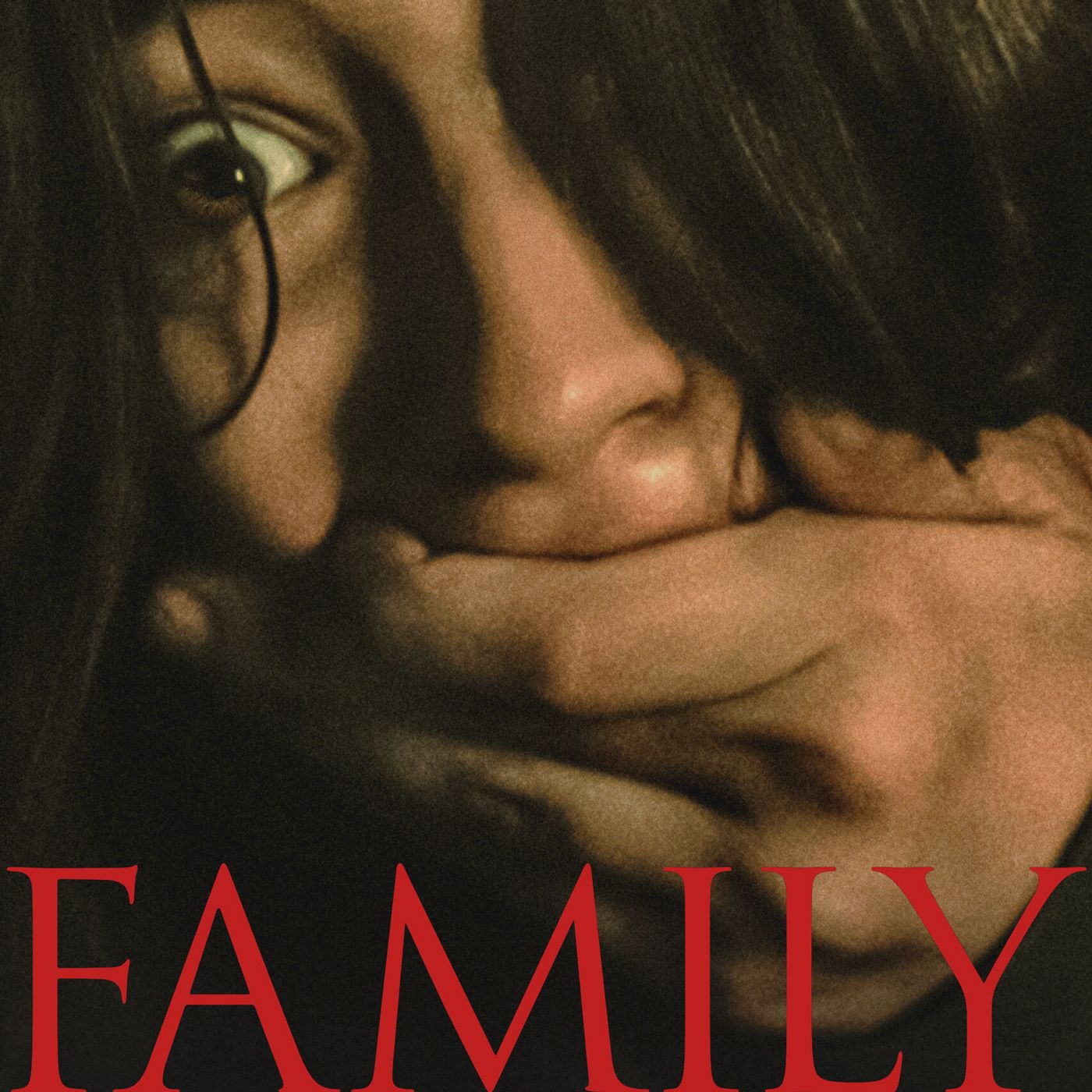
The Projection Booth's special report on Family (2026) offers a dual-perspective deep dive into first-time writer-director Benjamin Finkel's personal horror film and its young lead's experience making it. Finkel discusses the film's autobiographical roots—built from his childhood trauma after his father's death from…
Worth it if you're interested in indie film development, child acting, or the personal stories behind horror cinema, but less essential if you want sharp critical analysis of the film itself.
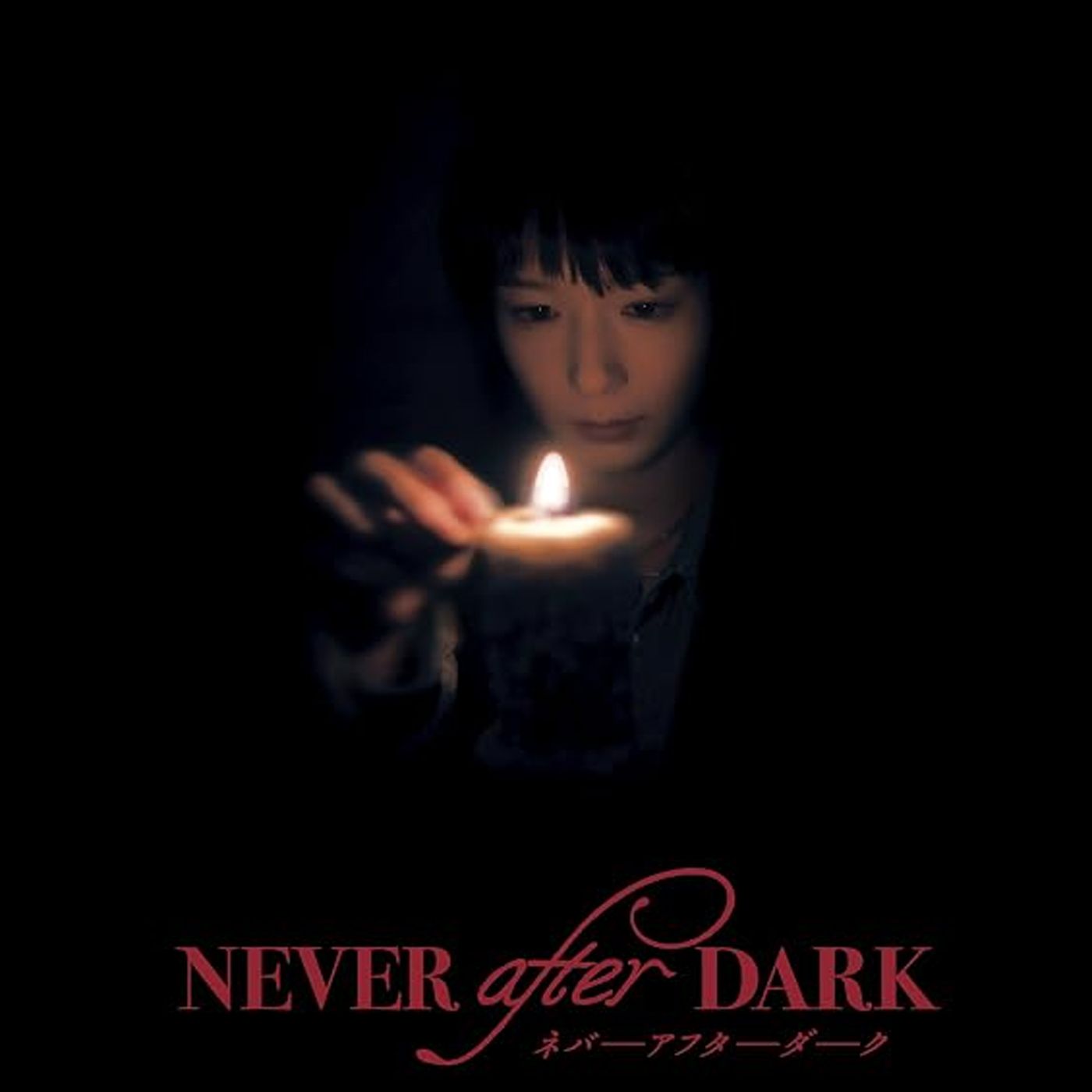
The Projection Booth's special report focuses on Never After Dark (2026), a ghost story film directed by Dave Boyle that aims to find fresh ground in a familiar genre. Host Mike White interviews Boyle and co-star Moeka Hoshi about the film's creative approach and production challenges. The episode's primary focus is…
Worth it if you're interested in film sound design, Japanese-Western production collaboration, or behind-the-scenes filmmaking logistics.
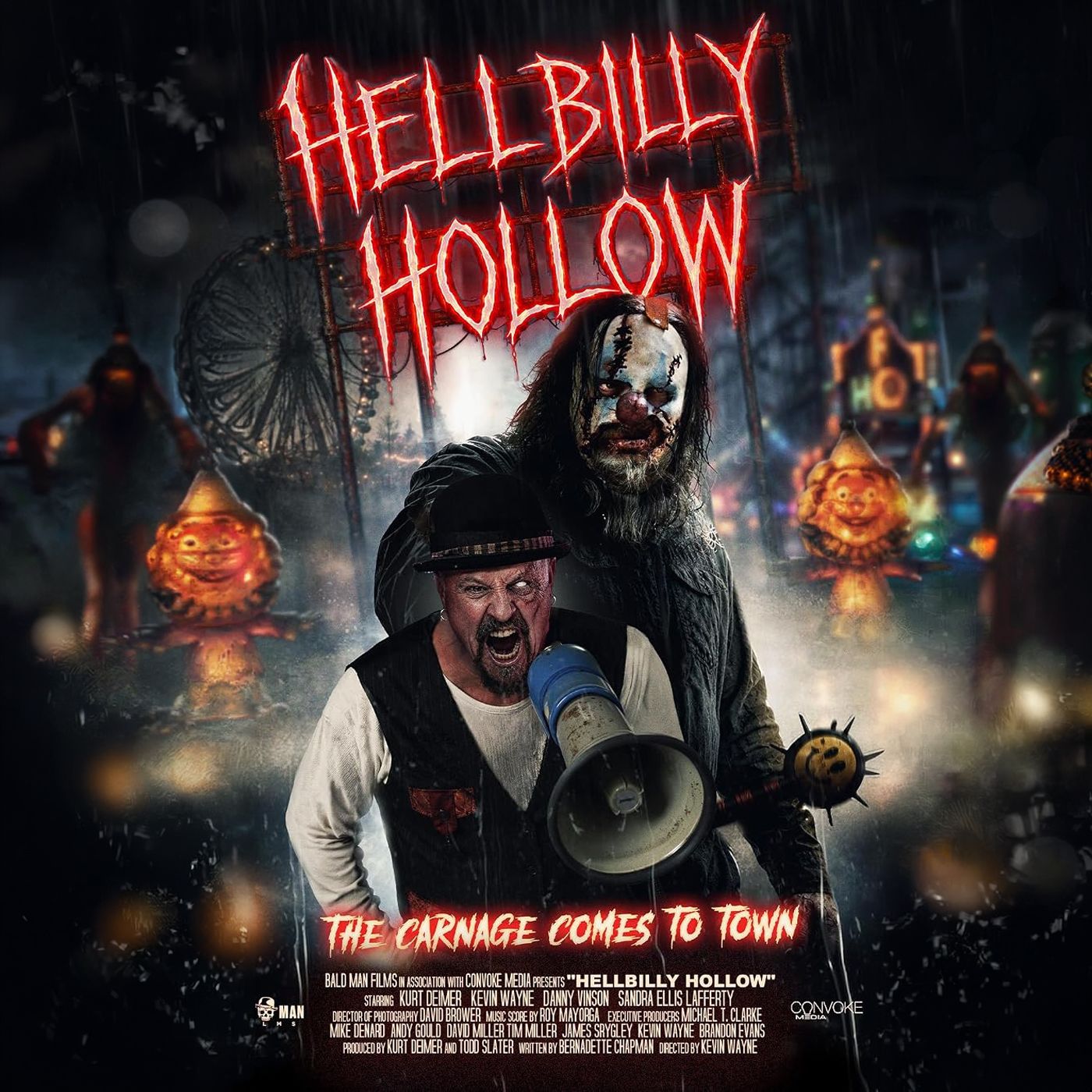
The Projection Booth's special report focuses on the making of Hellbilly Hollow (2026), a new horror film built around a real haunted attraction in Vincent, Alabama. Host Mike White interviews the film's two leads and director: Kurt Deimer, a musician-actor who was killed off in John Carpenter's 2018 Halloween, and…
Worth it if you're interested in indie horror filmmaking, franchise building, or want insider stories about how filmmakers leverage real locations and pandemic downtime to launch new horror properties.