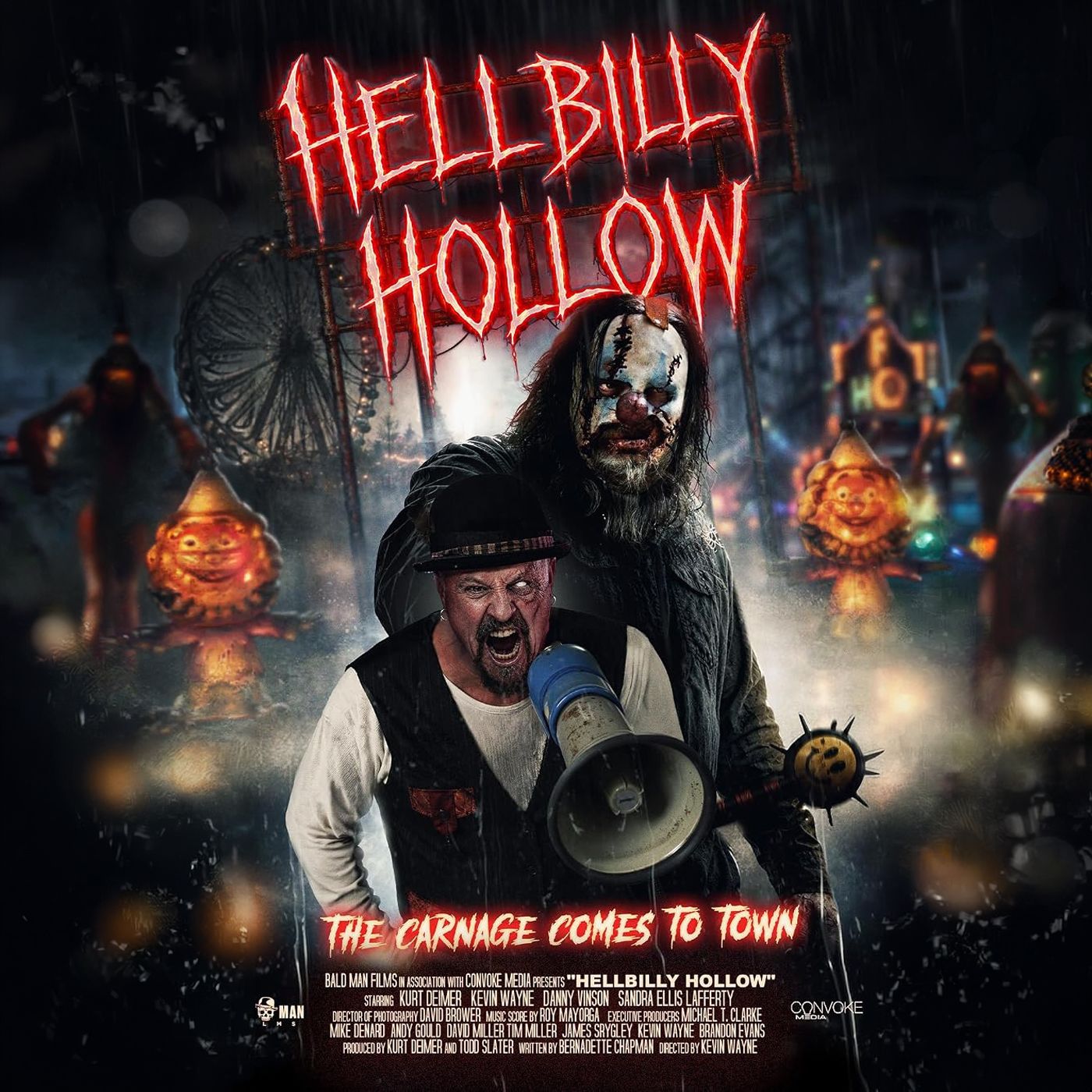
Special Report: Hellbilly Hollow (2026)
Evaluation and Summary
The Projection Booth's special report focuses on the making of Hellbilly Hollow (2026), a new horror film built around a real haunted attraction in Vincent, Alabama. Host Mike White interviews the film's two leads and director: Kurt Deimer, a musician-actor who was killed off in John Carpenter's 2018 Halloween, and Kevin Wayne, who directs and plays the childlike killer Tickles. The episode explores how Deimer pitched the idea to Wayne—to create their own horror franchise in the mold of Halloween and Michael Myers—and how they built the film's two killers (Bull and Tickles) around the actual layout of Hellbilly Hollow, shooting entirely on-site while living in campers. Key topics include Wayne's directorial approach and the creative freedom he gave Deimer to improvise Bull's character, described as having a "deep inner soul of craziness." The conversation also covers the three-week production timeline, the pandemic's unexpected benefit in giving Deimer time to produce original songs that score the film (mixed by mentor Chris Lord-Alge), and the filmmakers' ambitious plans for expanding the franchise. The episode touches on upcoming sequels and other genre roles already in development, including a new killer character for producer Andy Gould, known for House of 1000 Corpses and The Devil's Rejects. The interview captures the filmmakers' enthusiasm for launching a horror franchise and their hands-on approach to building it from a real location rather than a constructed set.
Verdict: A solid behind-the-scenes special report that delivers insider access to an unconventional horror film's creation, though it prioritizes production anecdotes over critical analysis.
TV & Film rubric
-
Critical insight 2/5 20%
Show notes describe production logistics and creative decisions but offer no evidence of analytical critique or deeper examination of the film's themes, execution, or place in horror cinema.
-
Behind-the-scenes knowledge 4/5 20%
Direct interviews with director and star discussing improvisation, on-set living conditions, music production with Chris Lord-Alge, and franchise strategy provide solid insider perspective on the making of the film.
-
Entertainment 3/5 15%
The premise of launching a horror franchise from a real haunted attraction with colorful characters (Bull and Tickles) and the filmmakers' ambition suggest engaging conversation, though the show notes don't confirm the execution was lively
-
Substance 3/5 15%
The episode covers production details, creative process, music scoring, and franchise plans with reasonable depth, but the 23-minute length and show-notes format suggest some topics may receive only surface treatment.
-
Delivers on its title 5/5 15%
The title promises a special report on Hellbilly Hollow, and the episode delivers exactly that: interviews with the filmmakers, production details, creative choices, and the film's origins and future plans.
-
Value for time 3/5 15%
At 23 minutes with two guests and multiple topics (production, music, franchise plans), the pacing appears reasonable, though the brevity may limit depth on any single subject.
Worth it if you're interested in indie horror filmmaking, franchise building, or want insider stories about how filmmakers leverage real locations and pandemic downtime to launch new horror properties.
Based on the episode description. AI-generated; it can be wrong.
Show notes
More from The Projection Booth
The Projection Booth's special report features director Shaun Paul Piccinino discussing his 2026 film Double Trouble, a Vegas heist comedy starring real-life sisters Madeleine and Violet McGraw. Piccinino, a former stuntman and martial artist with background in Jackie Chan documentaries, describes the film's…
Worth it if you're interested in film production logistics, heist comedies, or how directors solve real-world shooting challenges in unconventional locations.
The Projection Booth's special report features actor Johnny Flynn discussing his role as Jacob Hansen, an unreliable Civil War veteran narrator, in Dara Van Dusen's directorial debut A Prayer for the Dying. The conversation centers on Flynn's approach to embodying a character whose PTSD distorts the audience's…
Worth it if you're interested in A Prayer for the Dying, first-time filmmakers, or Johnny Flynn's approach to complex character work.
The Projection Booth hosts cinematographer Bella Gonzales for a deep dive into shooting Ted Lasso's season 4 premiere, which marks the show's first return to Kansas. Gonzales, brought on as the series' first American DP by director Declan Lowney, discusses the visual strategy for distinguishing Kansas from the…
Worth it if you care about cinematography, production design, or want to understand how visual storytelling shapes a TV series.
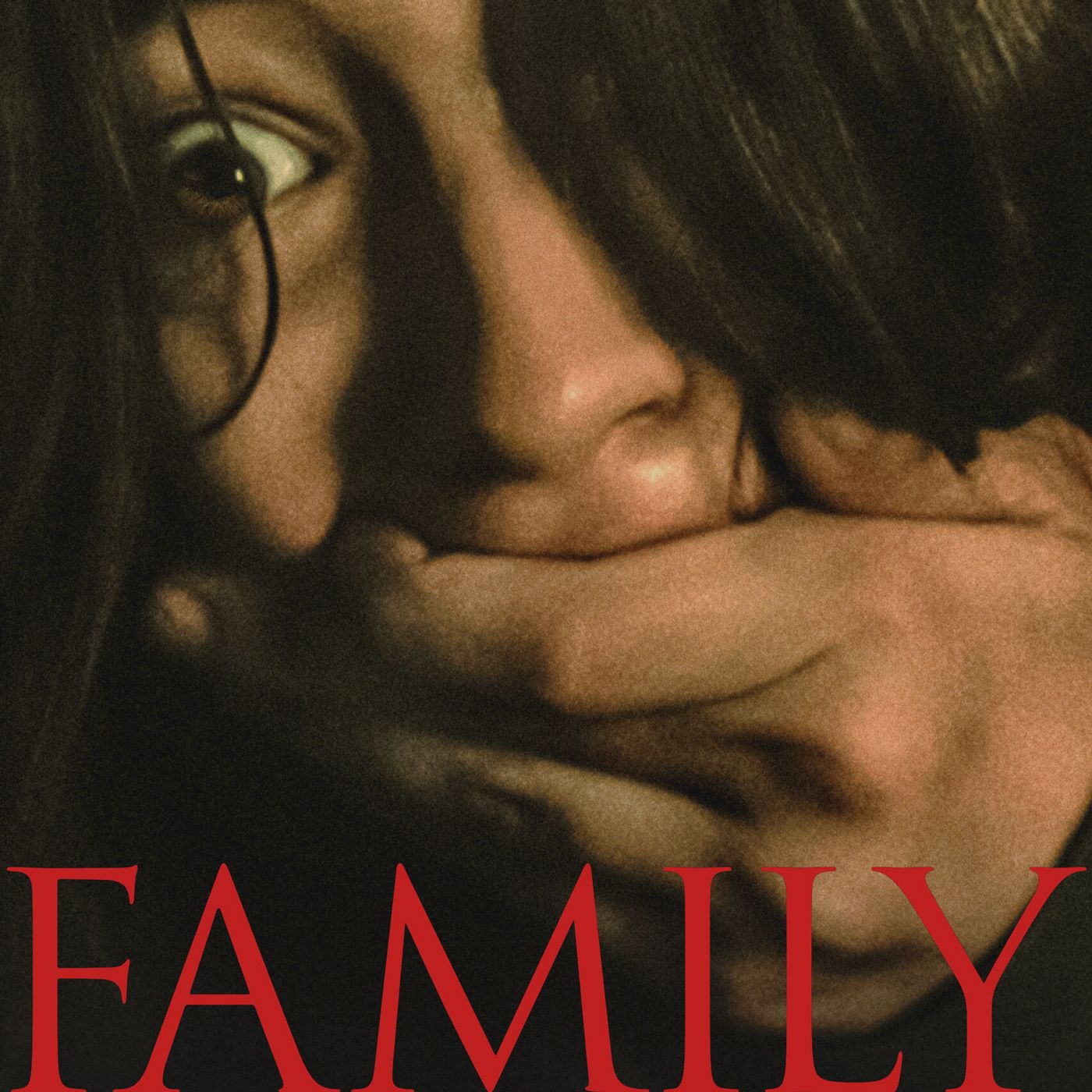
The Projection Booth's special report on Family (2026) offers a dual-perspective deep dive into first-time writer-director Benjamin Finkel's personal horror film and its young lead's experience making it. Finkel discusses the film's autobiographical roots—built from his childhood trauma after his father's death from…
Worth it if you're interested in indie film development, child acting, or the personal stories behind horror cinema, but less essential if you want sharp critical analysis of the film itself.
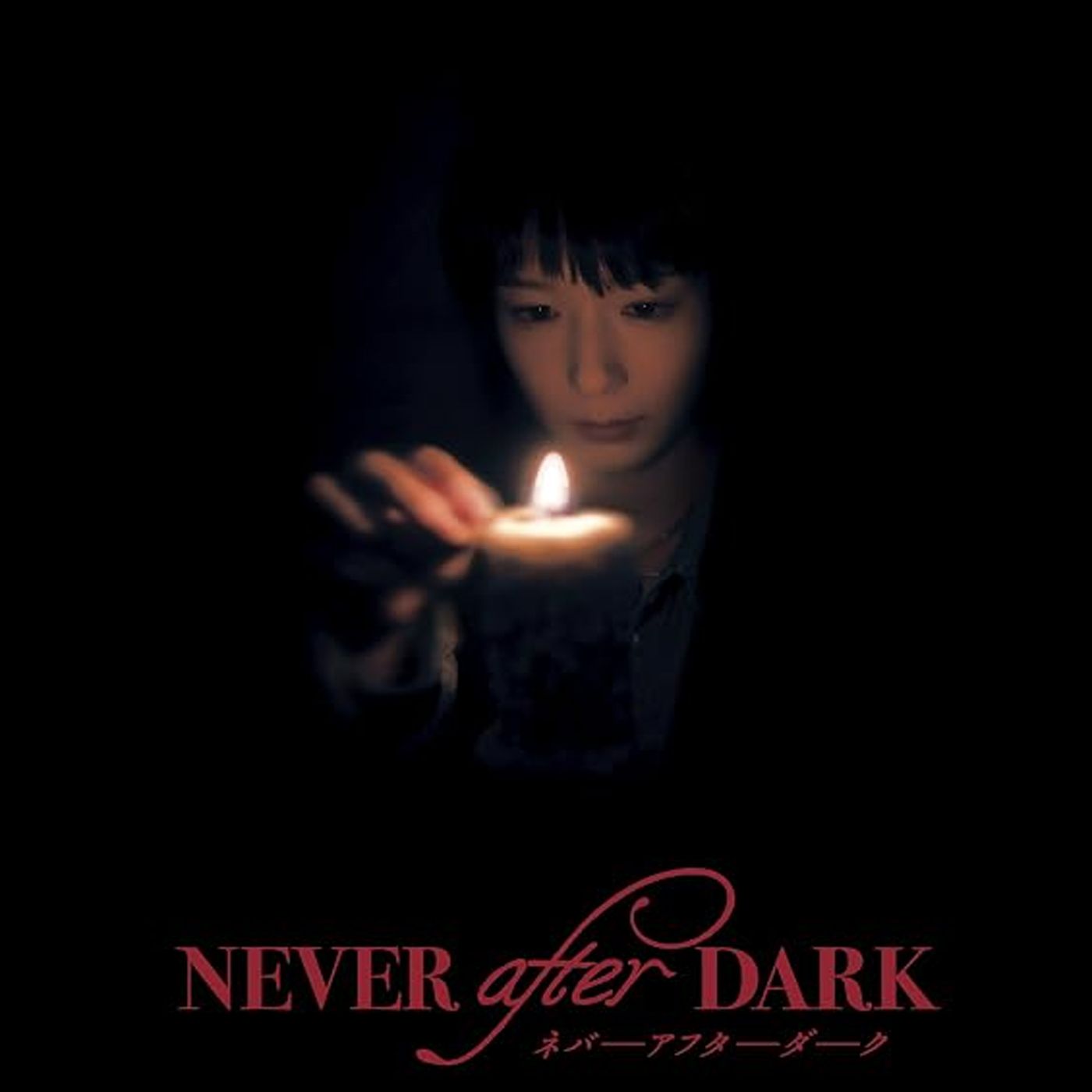
The Projection Booth's special report focuses on Never After Dark (2026), a ghost story film directed by Dave Boyle that aims to find fresh ground in a familiar genre. Host Mike White interviews Boyle and co-star Moeka Hoshi about the film's creative approach and production challenges. The episode's primary focus is…
Worth it if you're interested in film sound design, Japanese-Western production collaboration, or behind-the-scenes filmmaking logistics.
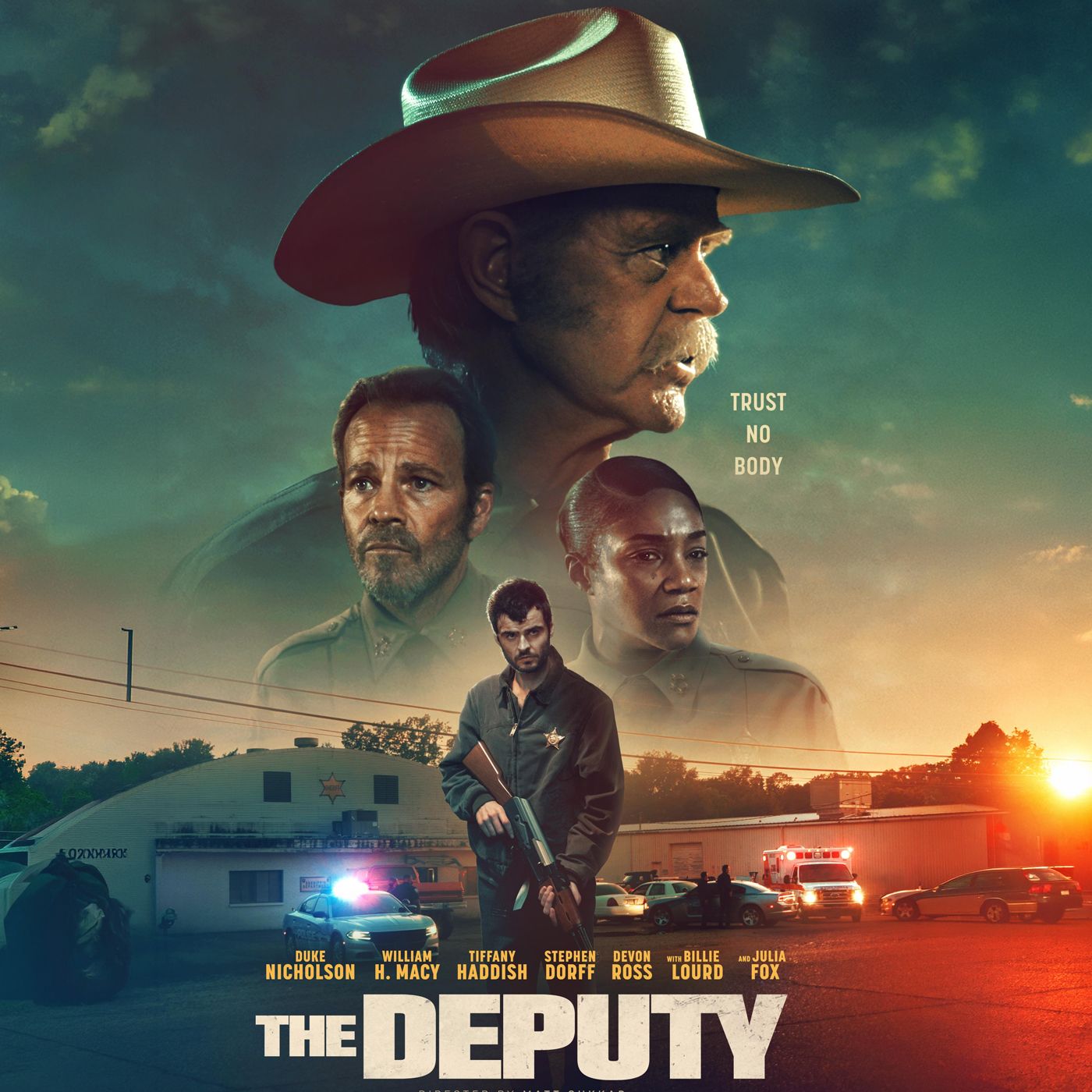
The Projection Booth's special report focuses on Matt Sukkar's directorial debut, The Deputy (2026), a crime comedy-thriller starring William H. Macy and Duke Nicholson. Host Mike White interviews Sukkar about the film's conception and production. Sukkar reveals he cold-approached Macy with a letter to cast him as…
Worth it if you're interested in independent filmmaking, directorial debuts, or want to understand the creative and logistical decisions behind The Deputy before or after seeing it.