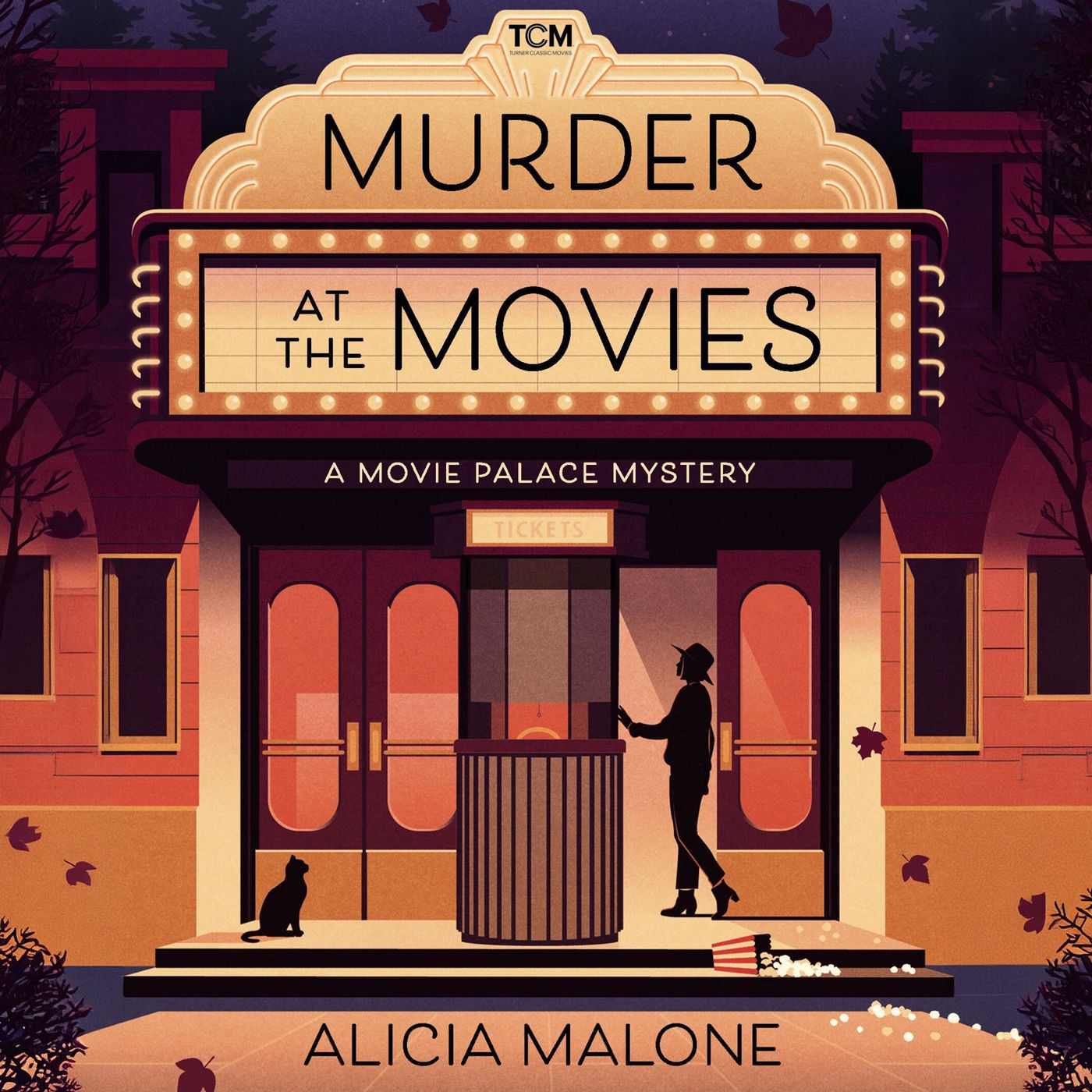
Special Report: Murder at the Movies (2026)
Evaluation and Summary
The Projection Booth's special report features Alicia Malone, longtime TCM host, discussing her debut novel *Murder at the Movies: A Movie Palace Mystery*, published October 6th by Running Press—the first fiction title TCM and Running Press have ever co-published. Host Mike White explores how Malone's career immersed in classic film (screwball comedies, noir thrillers) led her to write herself into a mystery story. The novel centers on Audrey Sullivan, a Los Angeles transplant who inherits her grandmother's movie palace on a fictional Maine island, only to discover a body in the aisle after a Hitchcock screening. Malone recounts the book's origin as an accidental pitch over coffee with her editor Cindy Sipala, and reveals how her longtime fantasy of running a theater became the novel's central premise. She discusses the creative discipline required—meeting deadlines and word counts—and getting early notes from noir historian Eddie Muller. A significant focus is the Easter eggs embedded throughout the book for TCM viewers to spot, reflecting Malone's deep knowledge of classic cinema. The conversation also touches on her influences in the cozy-mystery genre, citing Lorna Barrett's Book Town series and Richard Osman's *Thursday Murder Club* as inspiration. Malone discusses balancing her novel work with her ongoing TCM hosting duties, her role in *The Gilded Age*, and her *Reel Destinations* work. The episode also mentions that a sequel, *A Killer in the Credits*, is already underway. The 20-minute format keeps the discussion focused on the book's genesis, creative process, and Malone's transition from on-air personality to published novelist, with emphasis on how her TCM expertise shaped the novel's DNA.
Verdict: A solid, well-focused author interview that delivers on its promise and offers genuine insider perspective, but lacks critical depth and sharp analysis to elevate it beyond a pleasant promotional conversation.
TV & Film rubric
-
Critical insight 2/5 20%
Show notes indicate discussion of creative process and influences but no evidence of sharp analysis of the novel's themes, craft choices, or literary merit beyond surface-level origin story.
-
Behind-the-scenes knowledge 4/5 20%
Direct access to the author discussing her creative process, editorial collaboration with Cindy Sipala, notes from noir historian Eddie Muller, and insider perspective on TCM's first fiction venture provides genuine behind-the-scenes insigh
-
Entertainment 3/5 15%
Conversational format with an established TCM personality discussing her book is engaging for fans, but show notes suggest straightforward interview structure without evidence of humor or particularly lively banter.
-
Substance 3/5 15%
Covers book genesis, creative discipline, influences, Easter eggs, and career balance, but 20 minutes limits depth; show notes suggest solid content without evidence of dense exploration or surprising revelations.
-
Delivers on its title 5/5 15%
Title promises a special report on *Murder at the Movies* novel; episode delivers author interview, book origins, creative process, and publication details—fully on-topic.
-
Value for time 4/5 15%
20 minutes is appropriate for an author interview covering genesis, process, influences, and career balance without apparent padding; tight enough to respect listener time while covering key ground.
Worth it if you're a TCM fan curious about Alicia Malone's transition to fiction writing or interested in the creative process behind cozy mysteries with classic-film DNA.
Content flags
- Sponsored Episode is a promotional interview for Malone's book release, published the day after the episode aired; functions as launch-day publicity.
Based on the episode description. AI-generated; it can be wrong.
Show notes
More from The Projection Booth
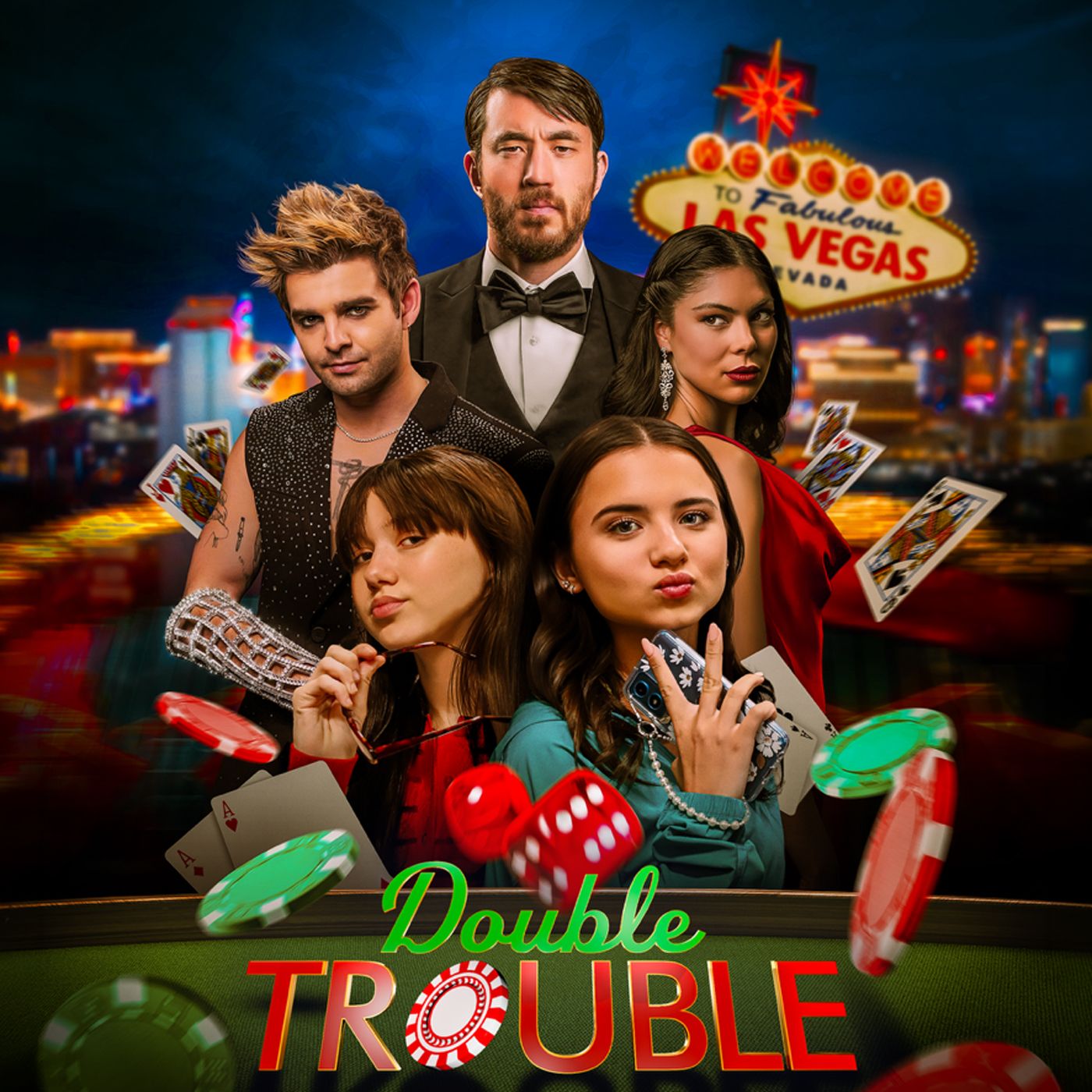
The Projection Booth's special report features director Shaun Paul Piccinino discussing his 2026 film Double Trouble, a Vegas heist comedy starring real-life sisters Madeleine and Violet McGraw. Piccinino, a former stuntman and martial artist with background in Jackie Chan documentaries, describes the film's…
Worth it if you're interested in film production logistics, heist comedies, or how directors solve real-world shooting challenges in unconventional locations.
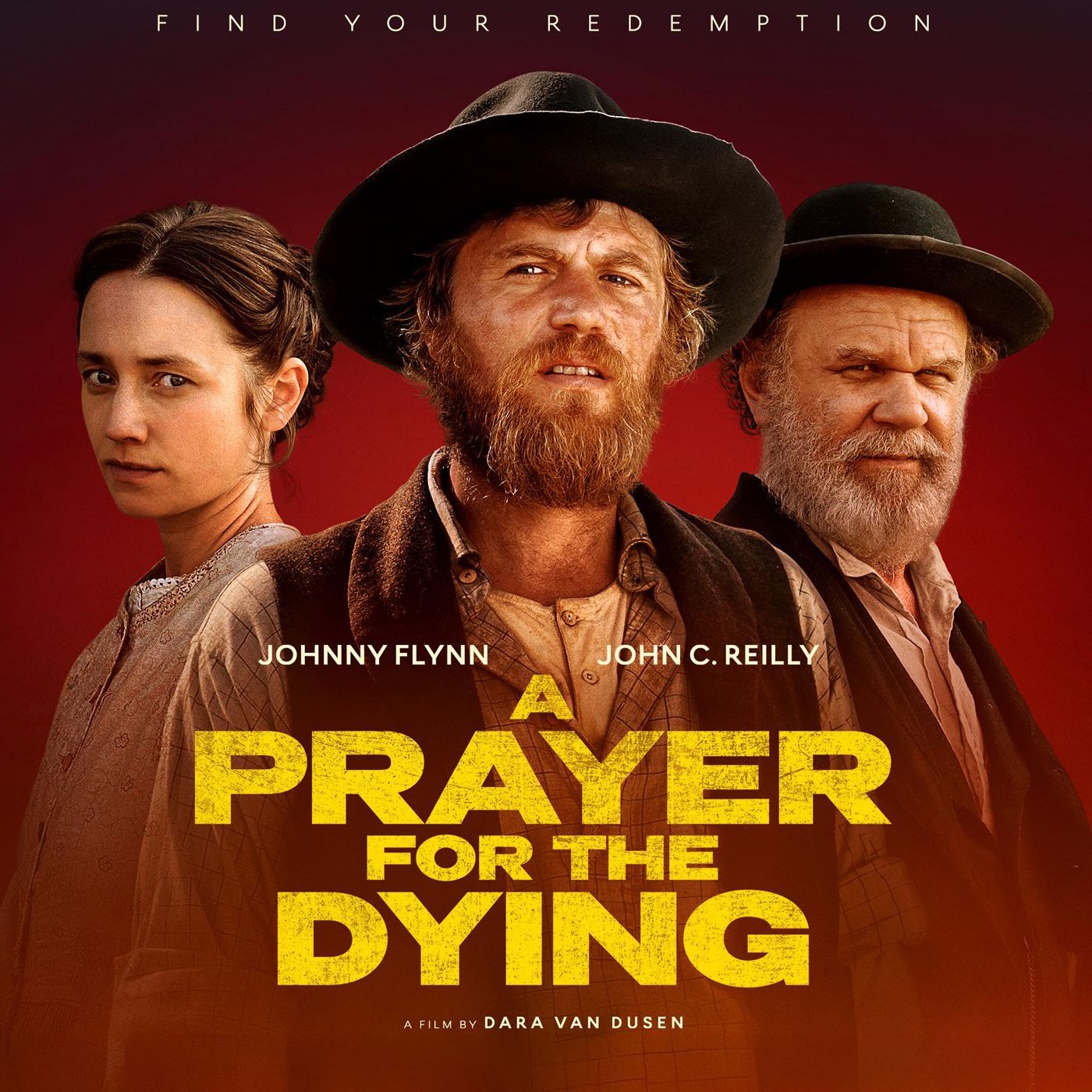
The Projection Booth's special report features actor Johnny Flynn discussing his role as Jacob Hansen, an unreliable Civil War veteran narrator, in Dara Van Dusen's directorial debut A Prayer for the Dying. The conversation centers on Flynn's approach to embodying a character whose PTSD distorts the audience's…
Worth it if you're interested in A Prayer for the Dying, first-time filmmakers, or Johnny Flynn's approach to complex character work.
The Projection Booth hosts cinematographer Bella Gonzales for a deep dive into shooting Ted Lasso's season 4 premiere, which marks the show's first return to Kansas. Gonzales, brought on as the series' first American DP by director Declan Lowney, discusses the visual strategy for distinguishing Kansas from the…
Worth it if you care about cinematography, production design, or want to understand how visual storytelling shapes a TV series.
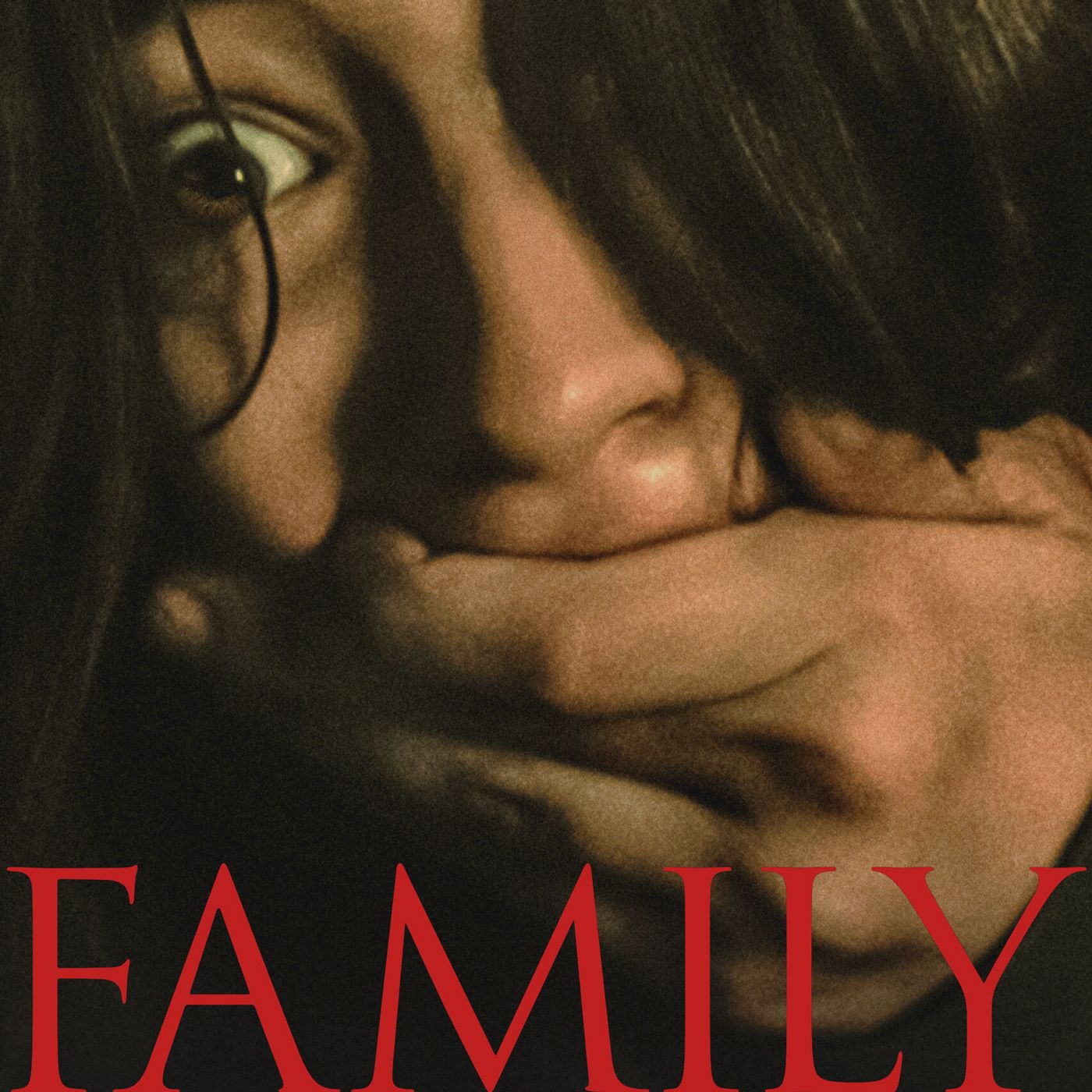
The Projection Booth's special report on Family (2026) offers a dual-perspective deep dive into first-time writer-director Benjamin Finkel's personal horror film and its young lead's experience making it. Finkel discusses the film's autobiographical roots—built from his childhood trauma after his father's death from…
Worth it if you're interested in indie film development, child acting, or the personal stories behind horror cinema, but less essential if you want sharp critical analysis of the film itself.
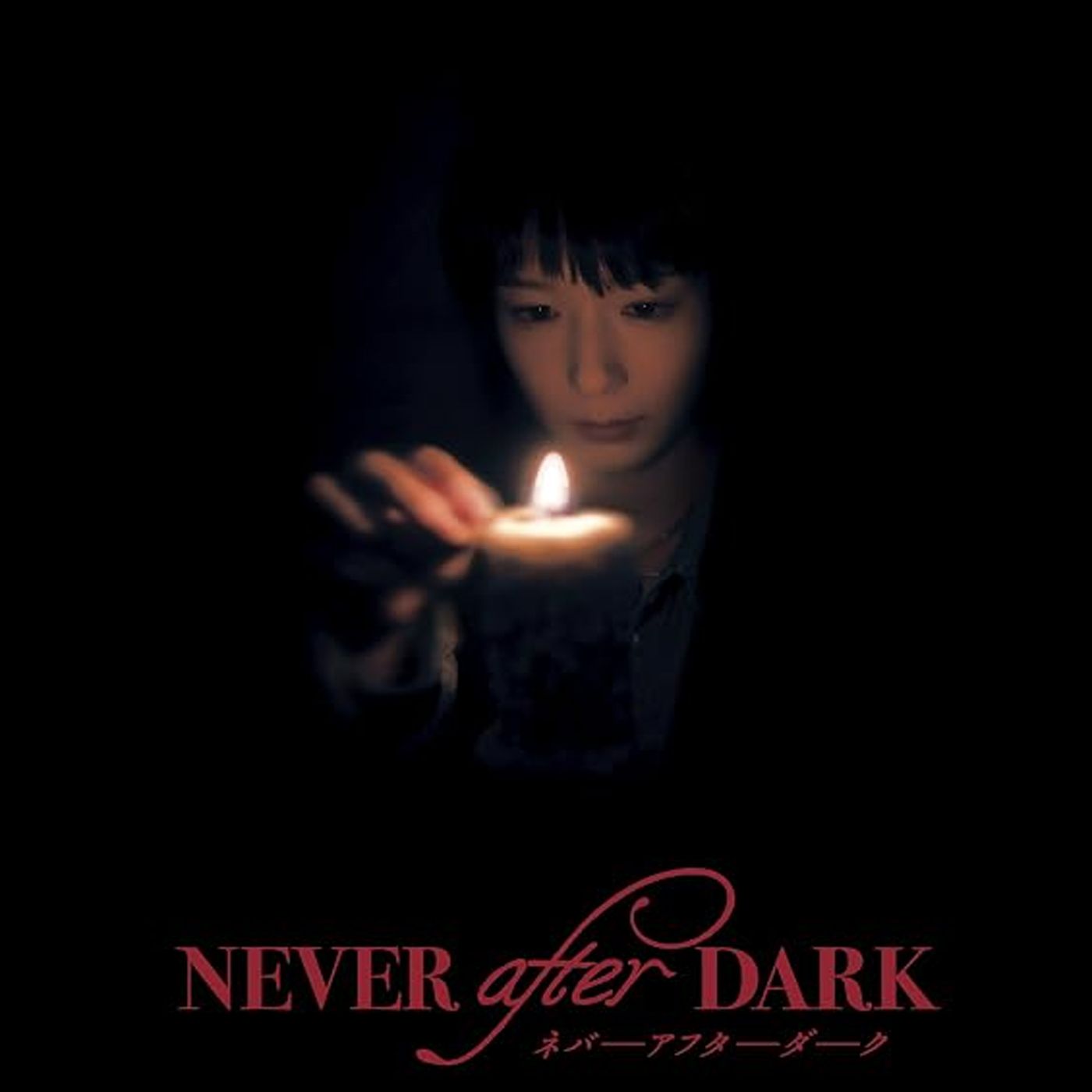
The Projection Booth's special report focuses on Never After Dark (2026), a ghost story film directed by Dave Boyle that aims to find fresh ground in a familiar genre. Host Mike White interviews Boyle and co-star Moeka Hoshi about the film's creative approach and production challenges. The episode's primary focus is…
Worth it if you're interested in film sound design, Japanese-Western production collaboration, or behind-the-scenes filmmaking logistics.
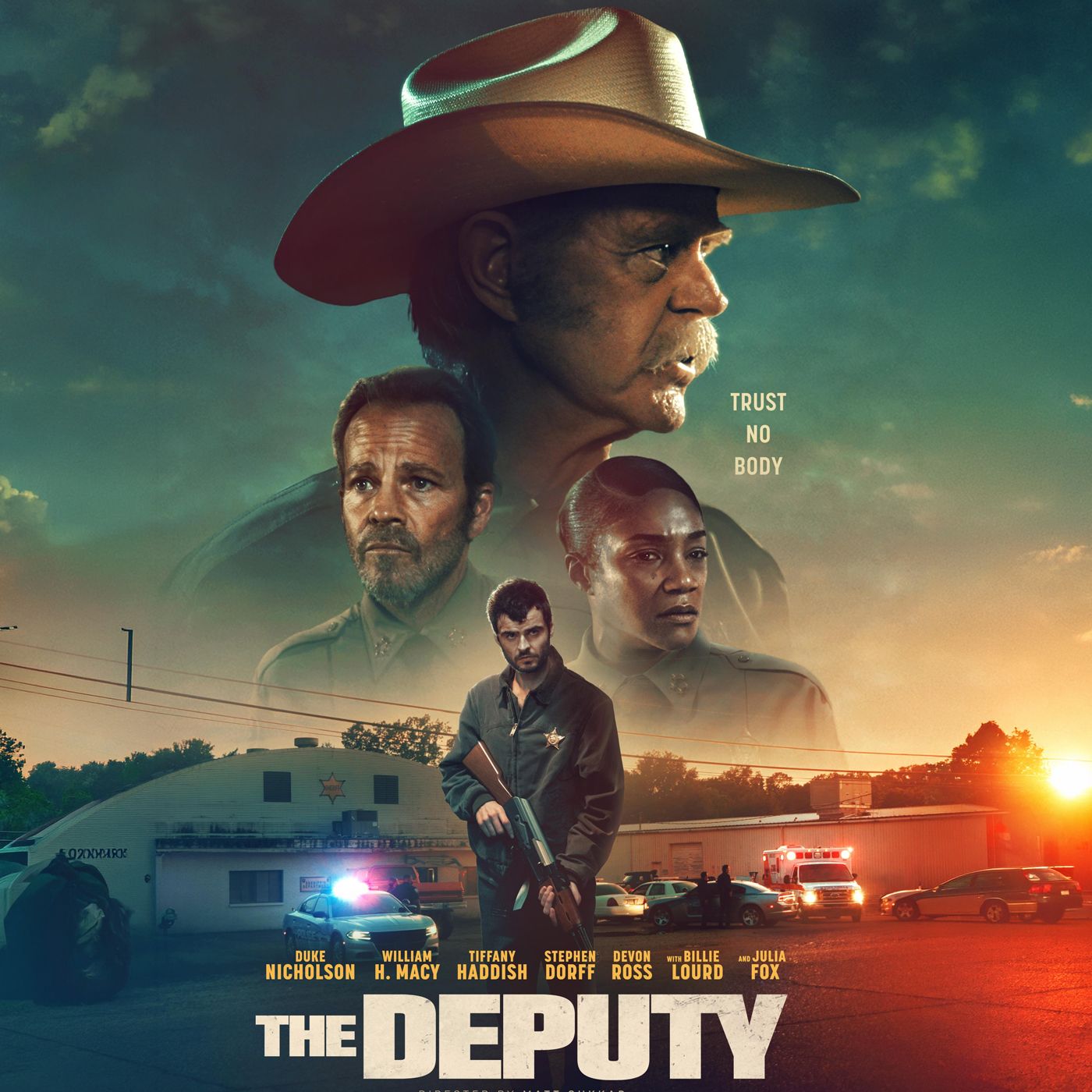
The Projection Booth's special report focuses on Matt Sukkar's directorial debut, The Deputy (2026), a crime comedy-thriller starring William H. Macy and Duke Nicholson. Host Mike White interviews Sukkar about the film's conception and production. Sukkar reveals he cold-approached Macy with a letter to cast him as…
Worth it if you're interested in independent filmmaking, directorial debuts, or want to understand the creative and logistical decisions behind The Deputy before or after seeing it.