CODA Telescope
Evaluation and Summary
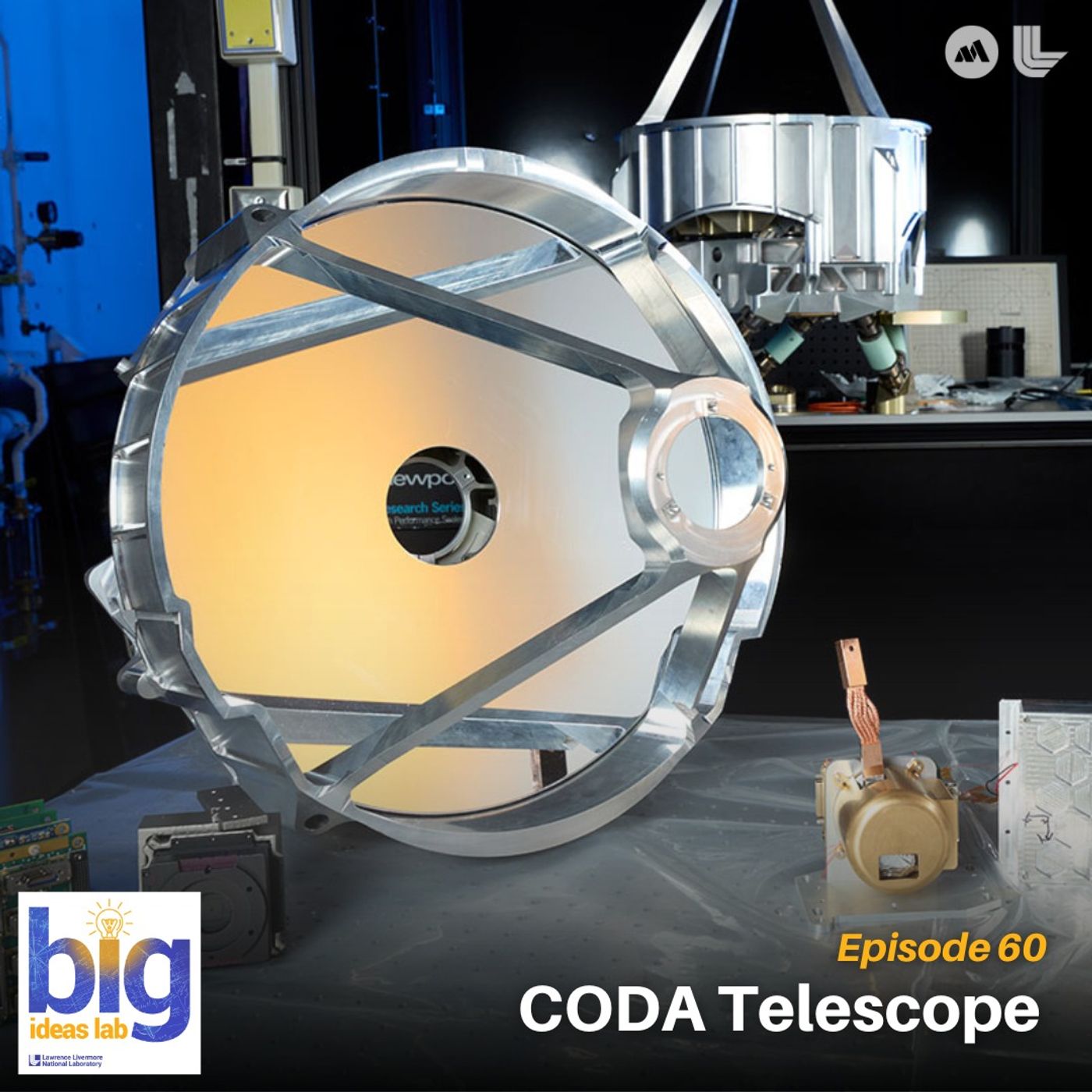
Big Ideas Lab explores how Lawrence Livermore National Laboratory revolutionized space telescope design through the CODA (Coronagraph Optical Design for Astrophysics) telescope. Rather than pursuing the traditional aerospace approach of building exquisite, one-of-a-kind instruments with no margin for error, LLNL adopted a manufacturing-first philosophy: design for 'good enough' performance while prioritizing manufacturability, cost reduction, and practical engineering constraints. This shift in mindset enabled NASA's Pandora exoplanet mission—initially just a concept—to become a viable space mission. The episode features Jordan Karburn (Deputy Project Manager of Pandora and Principal Investigator of CODA) and Shawn Higbee (Mission Manager for Space Sensing at LLNL), who explain how rethinking the engineering and integration process for space telescopes unlocked new possibilities. The core insight is that innovation doesn't always require inventing entirely new technology; sometimes it means applying existing tools and materials more cleverly and pragmatically. The 24-minute episode is professionally produced by Mission.org with sound design by Matthew Powell and scripting by Caroline Kidd, suggesting a polished narrative approach rather than a raw interview format. The partnership with Lawrence Livermore National Laboratory is disclosed, indicating the episode is institutional storytelling with direct access to the project leads.
Verdict: A well-produced, focused episode on a genuinely interesting engineering philosophy that enabled real-world space innovation, with credible experts and clear framing, though the brief length and institutional partnership limit depth and independence.
Science rubric
-
Scientific accuracy n/a
Source material provides no technical details, data, or specific claims about telescope performance, exoplanet detection capabilities, or engineering specifications to evaluate accuracy.
-
Clarity for non-experts 3/5 25%
The core concept—'design for good enough instead of perfect'—is accessible and well-framed as a philosophy shift, but without hearing the episode, the depth of explanation for non-specialists remains unclear.
-
Sense of discovery 4/5 19%
The premise that manufacturing-first thinking enabled a NASA mission is genuinely fresh; the reframing of 'good enough' as innovation rather than compromise is a compelling angle rarely highlighted in space technology coverage.
-
Substance 3/5 19%
The show notes promise a focused narrative about design philosophy and its practical impact, with two expert guests, suggesting solid content; however, 24 minutes is brief for deep technical or historical substance.
-
Delivers on its title 4/5 19%
Title 'CODA Telescope' directly names the subject; description clearly explains what CODA is and why it matters, with no apparent mismatch between promise and scope.
-
Value for time 3/5 19%
At 24 minutes with professional production and two expert guests, the pacing likely balances narrative storytelling with information; without hearing it, assume reasonable efficiency for the format.
Worth it if you're interested in how practical engineering thinking can unlock innovation in aerospace, or curious about how NASA missions actually become feasible.
Content flags
- Sponsored Episode is produced in partnership with Lawrence Livermore National Laboratory and features their employees as primary sources, making it institutional storytelling rather than independent journalism.
Based on the episode description. AI-generated; it can be wrong.
Show notes
More from Big Ideas Lab

Big Ideas Lab explores rare-earth elements (REEs)—materials critical to modern technology like smartphones, electric vehicles, and military hardware—and why the U.S. faces a supply chain crisis despite these elements being relatively abundant in the Earth's crust. The core problem isn't scarcity of the raw materials…
Worth it if you want a quick, accessible primer on why rare-earth elements matter and how cutting-edge science might solve America's supply-chain vulnerability.
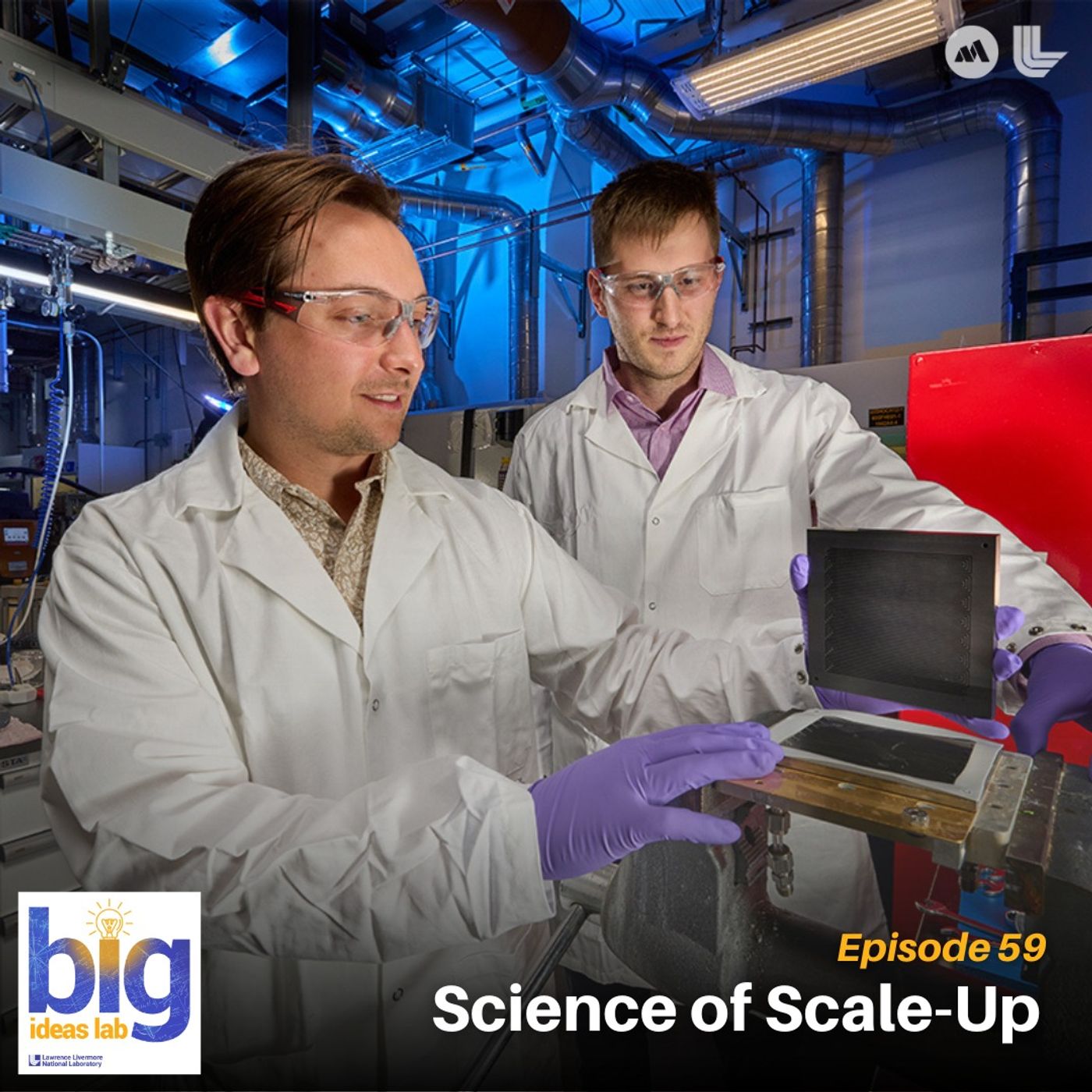
Big Ideas Lab's 'Science of Scale-Up' explores the often-overlooked gap between laboratory breakthroughs and real-world deployment. The episode features Lawrence Livermore National Laboratory (LLNL) researchers Sarah Baker (Group and Program Leader for Carbon Technologies) and Andrew Wong (Materials Scientist)…
Worth it if you're interested in how scientific breakthroughs become real products, or curious about the hidden engineering challenges between lab and market.