
Why What Matters Most Is Almost Never the Loudest | John R. Miles - EP 825
Evaluation and Summary
John R. Miles explores the cognitive bias that draws human attention toward visible, dramatic, and immediate things while overlooking quiet, foundational elements that create lasting value. The episode opens with the famous Joshua Bell experiment—where a world-class violinist playing a $3.5 million Stradivarius in a Washington, D.C. Metro station earned only $32.17—to illustrate how context and salience shape perception more than objective quality. Miles connects this principle across multiple domains: markets, workplaces, leadership, and organizational culture. He draws on his own experience at Dell, where a promising Android and cloud strategy was abandoned despite its potential, illustrating how companies can mistake legacy value for future opportunity and get pulled toward hype. The core concept is salience bias: our tendency to notice what is flashy and immediate while missing what is subtle but important. Miles argues that intelligent people remain vulnerable to this pattern, and organizations often reward dramatic behavior while overlooking quiet contribution. He emphasizes that human trust, dignity, culture, and connection—though harder to measure—carry enormous consequences. The episode references Alex Edmans' advice to "see the other side" as a decision-making practice and introduces Miles' "Signal Audit" as a tool to separate external applause from intrinsic value. The takeaway frames adaptability not as moving faster but as filtering noise to see what others miss. The episode concludes with a reflective question: where are you investing your best energy in something loud while starving something quiet that actually matters? The underlying message is that recognizing signal amid noise is a learnable skill essential for meaningful decision-making.
Verdict: A thoughtful exploration of an important cognitive bias with practical framing, but limited by reliance on anecdote over research and lack of clinical expertise, making it solid motivational content rather than rigorous guidance.
Health & Fitness rubric
-
Evidence-based claims 3/5 20%
Uses the well-documented Joshua Bell experiment as anchor, references Alex Edmans' research, but relies heavily on personal anecdote (Dell experience) and conceptual frameworks without citing specific studies on salience bias or organizatio
-
Expert credentials 3/5 20%
John R. Miles has corporate leadership experience at Dell and appears to be an established podcast host and author, but no clinical or research credentials are evident; positioning is more as a business thought leader than domain expert.
-
Safe and practical advice 4/5 15%
Advice is sensible and grounded in reflection rather than extreme claims; the Signal Audit tool and 'see the other side' practice are practical frameworks, though the episode doesn't address who this approach suits best or potential limitat
-
Substance 3/5 15%
Solid conceptual content with the Joshua Bell hook and Dell case study, but at 22 minutes the episode likely contains some padding; show notes suggest depth but don't confirm how densely packed the actual delivery is.
-
Delivers on its title 5/5 15%
Title promises exploration of why what matters most is rarely loudest; episode directly addresses this through salience bias, the Joshua Bell experiment, organizational dynamics, and personal examples, fully delivering on the premise.
-
Value for time 3/5 15%
22 minutes is reasonable for the concept, but without hearing the episode it's unclear if pacing is tight or if there are tangents; show notes suggest focused content but don't confirm execution.
Worth it if you're interested in decision-making psychology, organizational culture, or personal reflection on where you're investing attention—less so if you need evidence-based health or fitness guidance.
Based on the episode description. AI-generated; it can be wrong.
Show notes
More from Passion Struck with John R. Miles
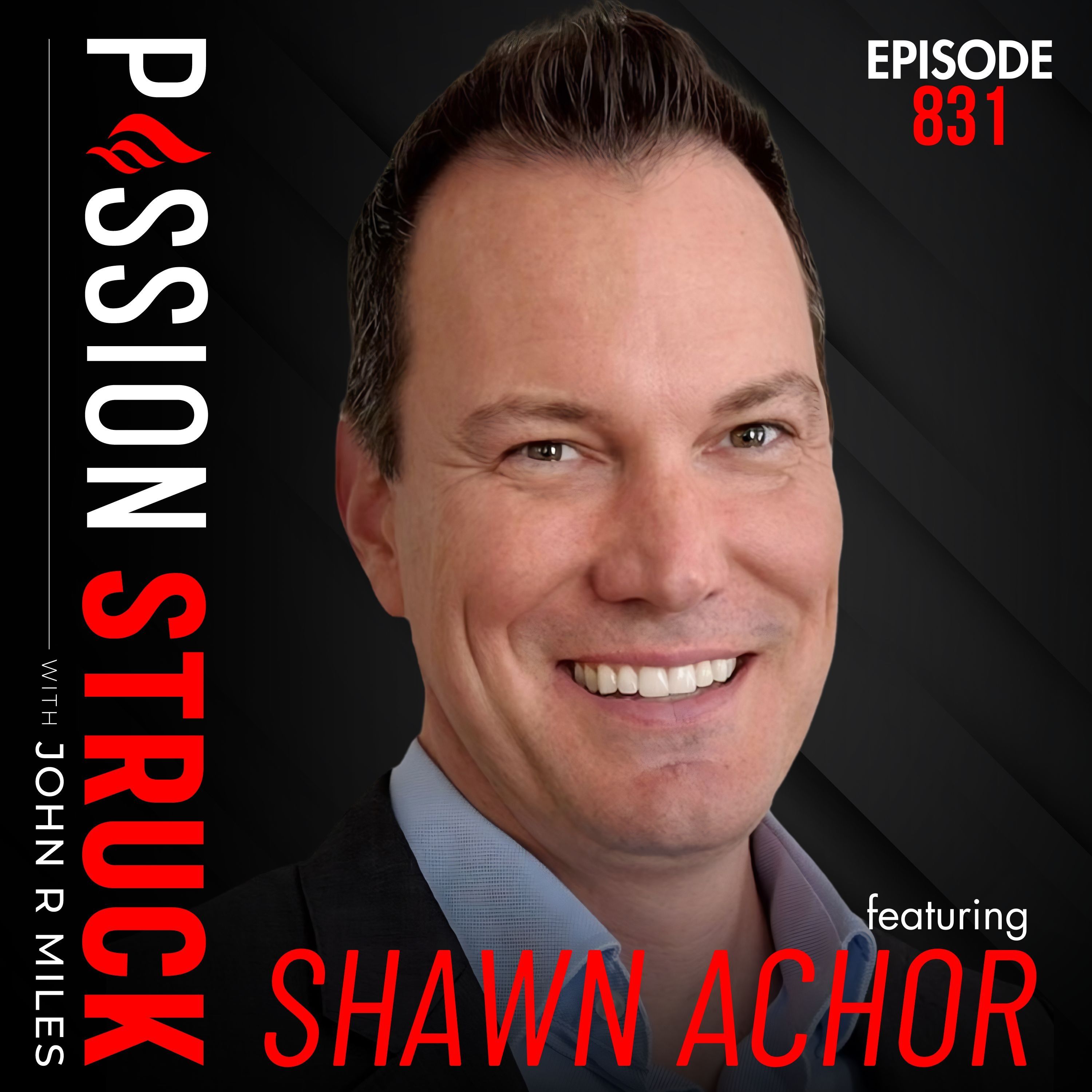
Passion Struck host John R. Miles interviews Shawn Achor, a positive psychology researcher and bestselling author, to explore how our beliefs shape happiness, success, and future outcomes. The episode centers on Achor's research into the power of beliefs—not as wishful thinking, but as grounded convictions connected…
Worth it if you're interested in positive psychology, want to understand how beliefs drive outcomes, or seek practical frameworks for building grounded optimism and a sense of mattering.
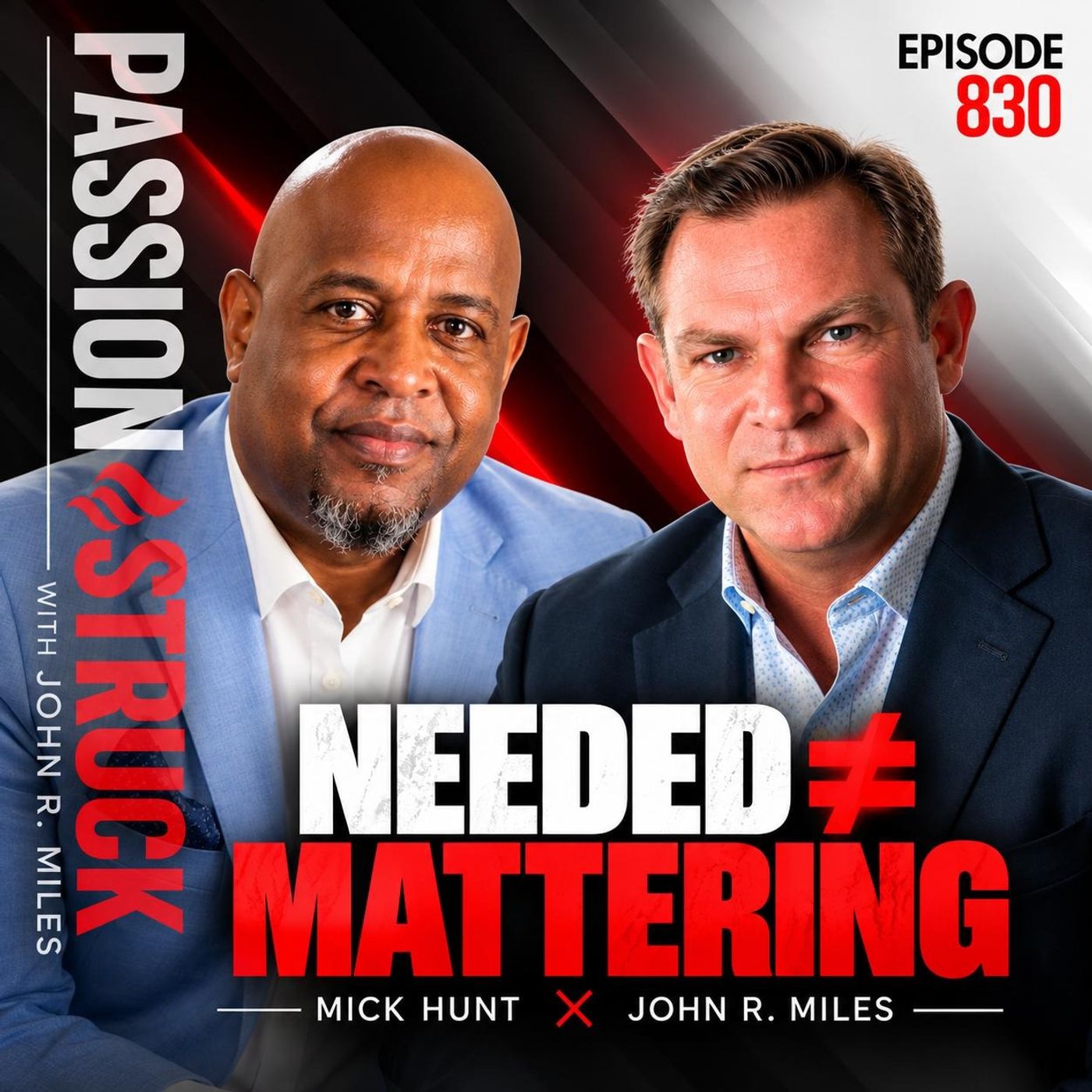
Passion Struck host John R. Miles sits down with Mick Hunt (from Mick Unplugged) to discuss Miles' new book, The Mattering Effect. The core premise is a paradox: you can achieve conventional success—be productive, admired, needed—and still feel like you don't matter. Miles shares his personal journey, including a…
Worth it if you struggle with feeling empty despite external success, or are drawn to personal development narratives and frameworks for rebuilding self-worth.

John R. Miles launches his book 'The Mattering Effect' by exploring five foundational insights into why burnout, loneliness, and disconnection plague modern life—even among successful, productive people. The core thesis reframes these struggles not as individual failings but as systemic issues rooted in a fundamental…
Worth it if you're drawn to philosophical frameworks about meaning and belonging, or curious about Miles' 'Mattering Effect' book before committing to it.

This is the finale of Passion Struck's 'Adaptive Human' series, in which host John R. Miles synthesizes lessons from ten prior conversations with guests including Angela Duckworth, Martin Seligman, David Epstein, Cole Brauer, and Alec Litowitz. The episode introduces the concept of 'The Great Erasure'—the cultural…
Worth it if you've followed the entire Adaptive Human series and are interested in philosophical frameworks about identity, productivity culture, and meaning—but not if you're seeking research-backed strategies or practical guidance.

Passion Struck episode 827 features Alec Litowitz, investor and founder of Magnetar Capital, discussing his concept of adaptability as a meta-skill for thriving in uncertain environments. The episode centers on Litowitz's core metaphor: you're not stuck, you're swimming in the wrong direction. This framework…
Worth it if you're interested in decision-making frameworks, leadership philosophy, or how to think about AI's broader impact beyond tool adoption.
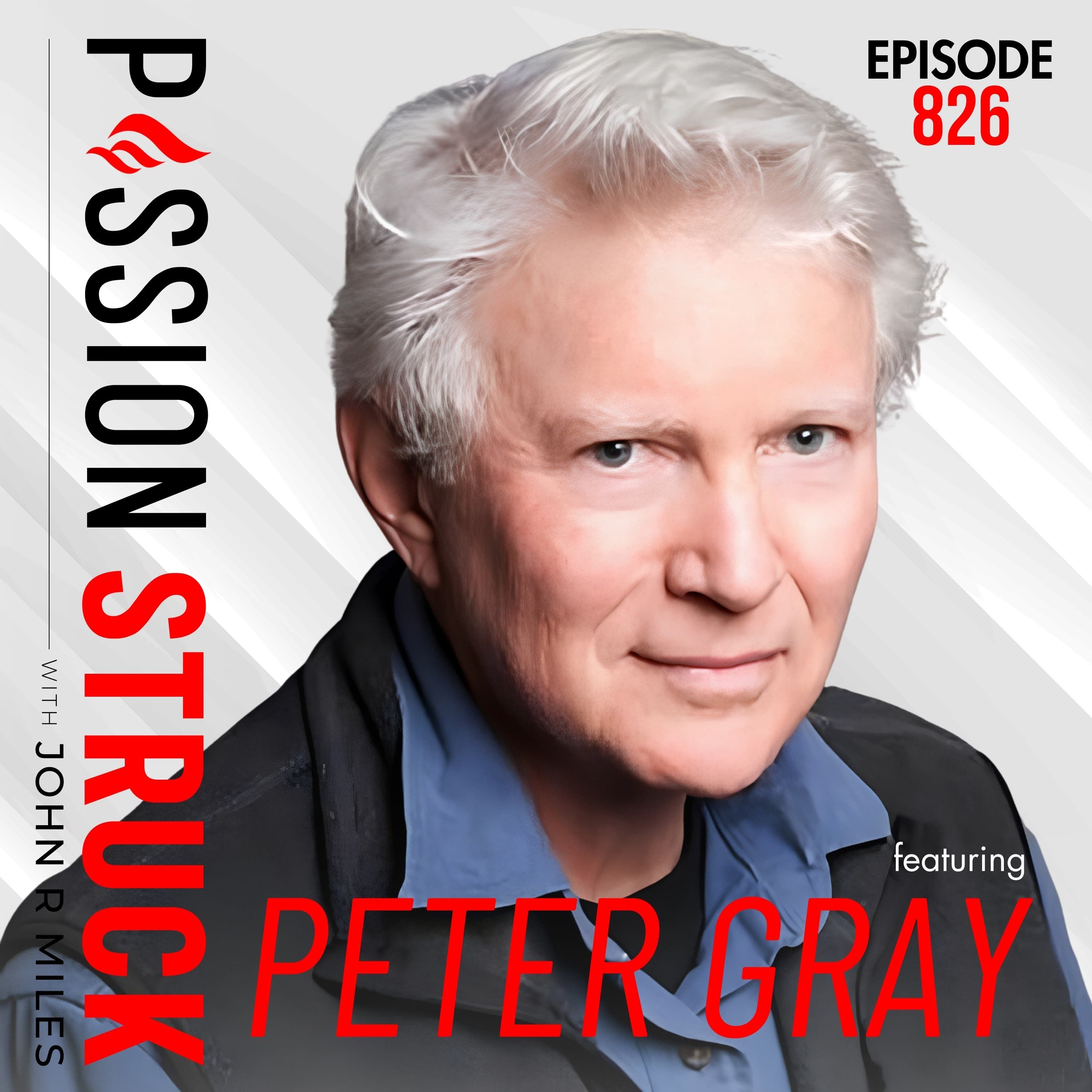
Passion Struck host John R. Miles interviews Dr. Peter Gray, a developmental psychologist and author of 'Restoring Childhood,' to discuss how modern parenting and education have stripped children of independence and free play—with significant consequences for their mental health and development. Gray argues that…
Worth it if you're a parent questioning achievement-focused parenting culture, interested in child development research, or seeking practical ways to foster independence and autonomy in your children.