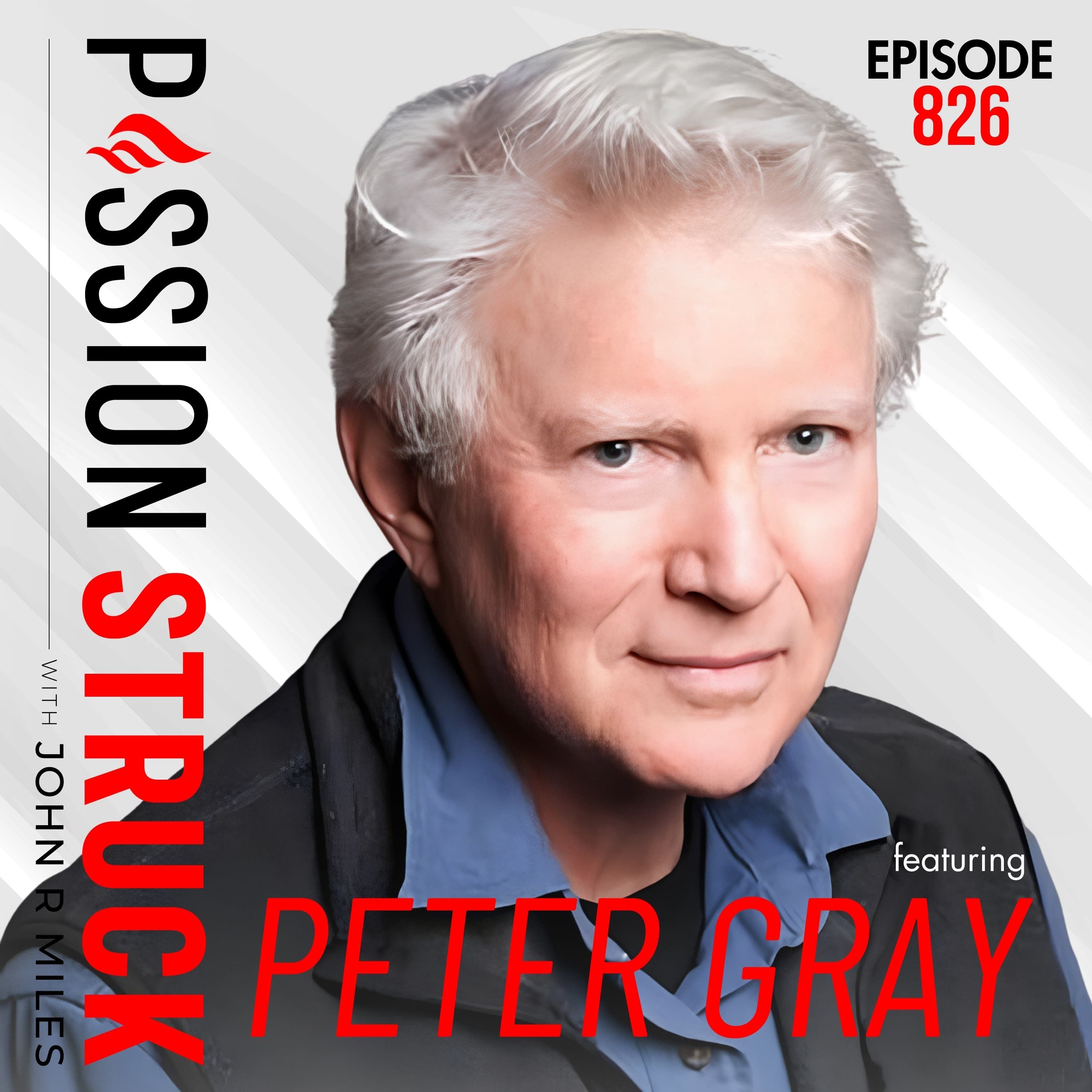
Your Kids Don’t Need More Achievement. They Need More Freedom | Dr. Peter Gray - EP 826
Evaluation and Summary
Passion Struck host John R. Miles interviews Dr. Peter Gray, a developmental psychologist and author of 'Restoring Childhood,' to discuss how modern parenting and education have stripped children of independence and free play—with significant consequences for their mental health and development. Gray argues that childhood has a biological purpose: gradually learning to take charge of one's own life. However, contemporary childhood is characterized by excessive supervision, structured activities, academic pressure, and résumé building, leaving little room for unsupervised exploration. The episode explores why free play teaches irreplaceable skills that adults cannot simply instruct, traces how society gradually removed freedom from childhood, and examines how turning childhood into achievement-focused résumé building can undermine a child's sense of agency. Gray connects autonomy and self-determination to children's sense that their lives matter, and argues that children discover passions through curiosity and exploration rather than parental planning. The conversation addresses the youth mental health crisis, with Gray challenging the narrative that smartphones alone are responsible. Practical takeaways include a simple parental question: 'Are there things you would like to do independently that you're not doing right now?' The episode positions restoring childhood not as giving unlimited freedom but as creating incremental opportunities for self-discovery. The show notes emphasize that this is educational content, not a substitute for professional advice, and include promotional material for John Miles' book 'The Mattering Effect' and related merchandise. The episode appears to blend substantive discussion of child development research with the host's broader 'mattering' philosophy and personal brand.
Verdict: A well-credentialed expert delivering on a clearly defined thesis about childhood independence, with practical takeaways, though the show notes alone don't confirm whether the execution avoids padding or promotional drift.
Health & Fitness rubric
-
Evidence-based claims 3/5 20%
Gray is a developmental psychologist with decades of research, but show notes don't specify which studies support claims; mix of research-backed perspective and philosophical argument about childhood's purpose.
-
Expert credentials 4/5 20%
Dr. Peter Gray is a recognized developmental psychologist and researcher with published work on play and education; strong relevant credentials for the topic.
-
Safe and practical advice 4/5 15%
Advice focuses on gradually increasing independence and asking reflective questions rather than extreme prescriptions; grounded in developmental principles and presented as starting points for parents.
-
Substance 3/5 15%
Show notes outline multiple substantive topics (biological purpose of childhood, free play benefits, agency, mental health, practical parenting steps) but without detail on depth or examples; 77 minutes suggests solid content but padding un
-
Delivers on its title 5/5 15%
Title promises discussion of why kids need freedom over achievement; show notes confirm this is the core thesis explored throughout, with specific focus on independence, agency, and alternatives to résumé building.
-
Value for time 3/5 15%
77 minutes for a single-guest interview on a focused topic; show notes suggest substantive material but typical podcast pacing may include some repetition or tangential discussion common to the format.
Worth it if you're a parent questioning achievement-focused parenting culture, interested in child development research, or seeking practical ways to foster independence and autonomy in your children.
Content flags
- Ad-heavy Show notes include multiple promotional pushes for host's book 'The Mattering Effect,' merchandise, speaking bookings, and Substack; typical for this podcast but notable relative to educational content.
Based on the episode description. AI-generated; it can be wrong.
Show notes
More from Passion Struck with John R. Miles
Passion Struck host John R. Miles interviews Shawn Achor, a positive psychology researcher and bestselling author, to explore how our beliefs shape happiness, success, and future outcomes. The episode centers on Achor's research into the power of beliefs—not as wishful thinking, but as grounded convictions connected…
Worth it if you're interested in positive psychology, want to understand how beliefs drive outcomes, or seek practical frameworks for building grounded optimism and a sense of mattering.
Passion Struck host John R. Miles sits down with Mick Hunt (from Mick Unplugged) to discuss Miles' new book, The Mattering Effect. The core premise is a paradox: you can achieve conventional success—be productive, admired, needed—and still feel like you don't matter. Miles shares his personal journey, including a…
Worth it if you struggle with feeling empty despite external success, or are drawn to personal development narratives and frameworks for rebuilding self-worth.
John R. Miles launches his book 'The Mattering Effect' by exploring five foundational insights into why burnout, loneliness, and disconnection plague modern life—even among successful, productive people. The core thesis reframes these struggles not as individual failings but as systemic issues rooted in a fundamental…
Worth it if you're drawn to philosophical frameworks about meaning and belonging, or curious about Miles' 'Mattering Effect' book before committing to it.

This is the finale of Passion Struck's 'Adaptive Human' series, in which host John R. Miles synthesizes lessons from ten prior conversations with guests including Angela Duckworth, Martin Seligman, David Epstein, Cole Brauer, and Alec Litowitz. The episode introduces the concept of 'The Great Erasure'—the cultural…
Worth it if you've followed the entire Adaptive Human series and are interested in philosophical frameworks about identity, productivity culture, and meaning—but not if you're seeking research-backed strategies or practical guidance.
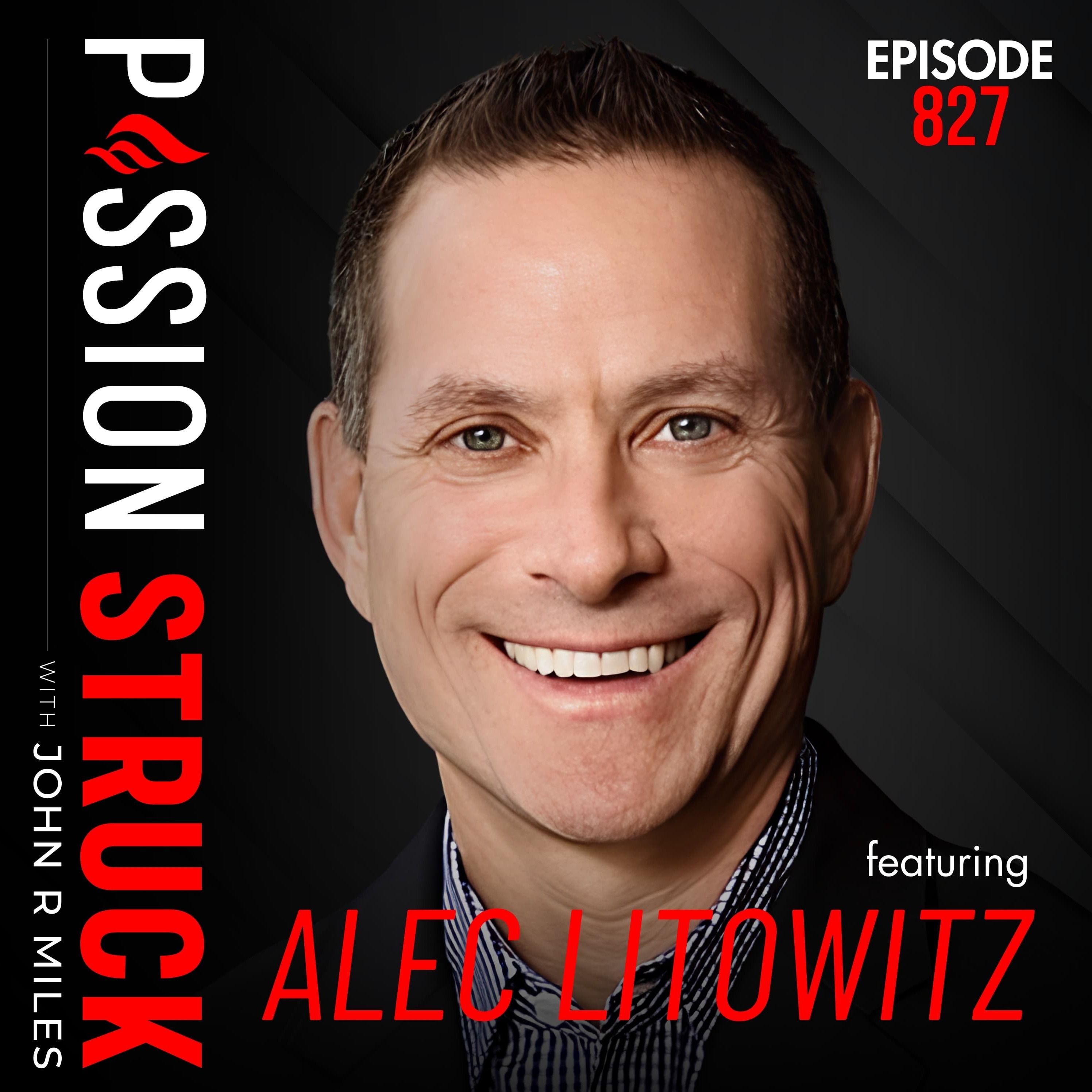
Passion Struck episode 827 features Alec Litowitz, investor and founder of Magnetar Capital, discussing his concept of adaptability as a meta-skill for thriving in uncertain environments. The episode centers on Litowitz's core metaphor: you're not stuck, you're swimming in the wrong direction. This framework…
Worth it if you're interested in decision-making frameworks, leadership philosophy, or how to think about AI's broader impact beyond tool adoption.
John R. Miles explores the cognitive bias that draws human attention toward visible, dramatic, and immediate things while overlooking quiet, foundational elements that create lasting value. The episode opens with the famous Joshua Bell experiment—where a world-class violinist playing a $3.5 million Stradivarius in a…
Worth it if you're interested in decision-making psychology, organizational culture, or personal reflection on where you're investing attention—less so if you need evidence-based health or fitness guidance.