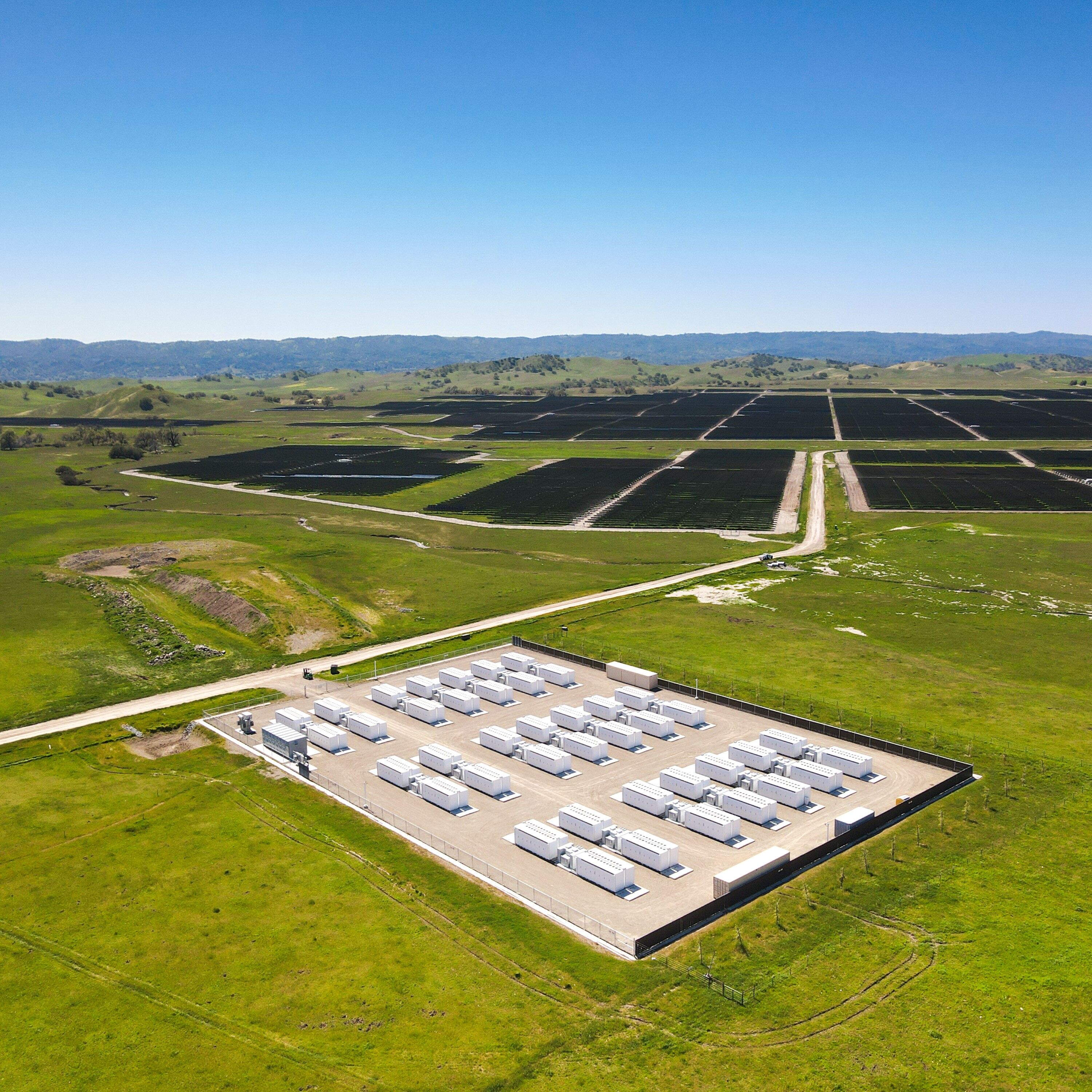
When batteries get a facelift, so does renewable energy
Evaluation and Summary
Short Wave revisits the role of grid-scale battery storage in renewable energy infrastructure, focusing on California's rapidly expanding battery capacity. The episode features Cooper Katz McKim from The Indicator (Planet Money) as a guest to discuss how batteries are becoming critical infrastructure for storing energy produced by renewable sources. The key takeaway is that California now has sufficient grid-scale battery storage to power millions of homes for several hours, and battery power has become the second-largest energy source on many days in the state. The episode frames batteries as a solution to a longstanding challenge in renewable energy: the mismatch between when energy is produced (sunny/windy days) and when it's needed (peak demand hours). The show notes reference a three-part battery series, suggesting this episode is part of a larger exploration of battery technology and its role in the energy transition. The episode is relatively brief at 13 minutes, positioning it as an accessible introduction to the topic rather than a deep dive.
Verdict: A competent but incremental overview of battery storage's role in renewable energy, with timely California data but limited novelty or depth for a general audience.
Science rubric
-
Scientific accuracy 3/5 20%
Claims about California's battery storage capacity and its ranking as second-largest energy source appear plausible but lack specific data, citations, or uncertainty caveats in the notes provided.
-
Clarity for non-experts 3/5 20%
The framing (batteries solve storage problem for renewables) is conceptually clear, but the show notes provide minimal detail about how the episode explains technical concepts or makes them vivid.
-
Sense of discovery 2/5 15%
Battery storage as a renewable energy solution is well-established; the episode revisits rather than breaks new ground, though specific California statistics may be timely.
-
Substance 2/5 15%
At 13 minutes with limited detail in show notes, the episode appears to offer a brief overview rather than dense exploration; the reference to a three-part series suggests this is a lighter entry point.
-
Delivers on its title 4/5 15%
Title promises battery innovation's impact on renewable energy; the episode directly addresses this with California case study, though 'facelift' metaphor suggests deeper transformation than show notes indicate.
-
Value for time 3/5 15%
13 minutes is appropriate for an overview episode, though without transcript details it's unclear if pacing is tight or if there's padding; reasonable length for the apparent scope.
Worth it if you're new to renewable energy storage challenges and want a quick, accessible introduction to how batteries are scaling up in California.
Based on the episode description. AI-generated; it can be wrong.
Show notes
More from Short Wave

Short Wave explores a significant gap in ADHD diagnosis: the exclusion of emotional dysregulation from the DSM diagnostic criteria, despite clinical recognition of this symptom since the 1970s. The episode features Dr. Sasha Hamdani, who discusses her book "Too Sensitive" and explains the neuroscience behind Rejection…
Worth it if you have ADHD, suspect you might, or are interested in how diagnostic criteria get shaped by measurement convenience rather than clinical reality.

Short Wave tackles the nuanced question of screen time's effects on young people's brain development, challenging the prevailing narrative that all screen time is harmful. The episode features an interview with the author of a study that found a positive relationship between screen time and brain development—a…
Worth it if you're a parent or educator tired of one-sided screen-time warnings and want evidence-based perspective on what actually matters.

Short Wave explores white nose syndrome, a fungal disease devastating little brown bat populations across the U.S. over the past decade, bringing some colonies to near extinction. The episode centers on recent research by conservation biologist Giorgia Auteri and her team, who discovered genetic mutations in bats that…
Worth it if you're interested in wildlife conservation, evolutionary biology, or how natural selection operates in real-time ecological crises.

Short Wave's 10-minute episode explores a recent scientific finding that eating alone may cause blood sugar spikes compared to eating socially with others. The episode frames this discovery within the broader context of social eating's health benefits—lower stress, decreased inflammation, and even increased…
Worth it if you enjoy bite-sized science news about health and social behavior and don't need deep technical detail.

Short Wave's 14-minute episode explores the surprising frequency of new species discoveries on Earth, prompted by the recent announcement of a newly identified cat species—the first in over a century. The episode features John Wiens, a professor of ecology and evolutionary biology at the University of Arizona, who…
Worth it if you enjoy bite-sized science news that connects current events (the cat discovery) to broader questions about biodiversity and want a quick, engaging introduction to how much life remains unknown on Earth.

Short Wave tackles the inflammation hype cycle that dominates wellness social media. The episode brings on immunologist Shruti Naik to fact-check viral claims about inflammation as a catch-all explanation for bloating, fatigue, digestive issues, and serious diseases like Alzheimer's and cardiovascular disease. The…
Worth it if you're tired of inflammation claims flooding your social media and want a quick, expert-backed reality check on what's actually scientifically sound.