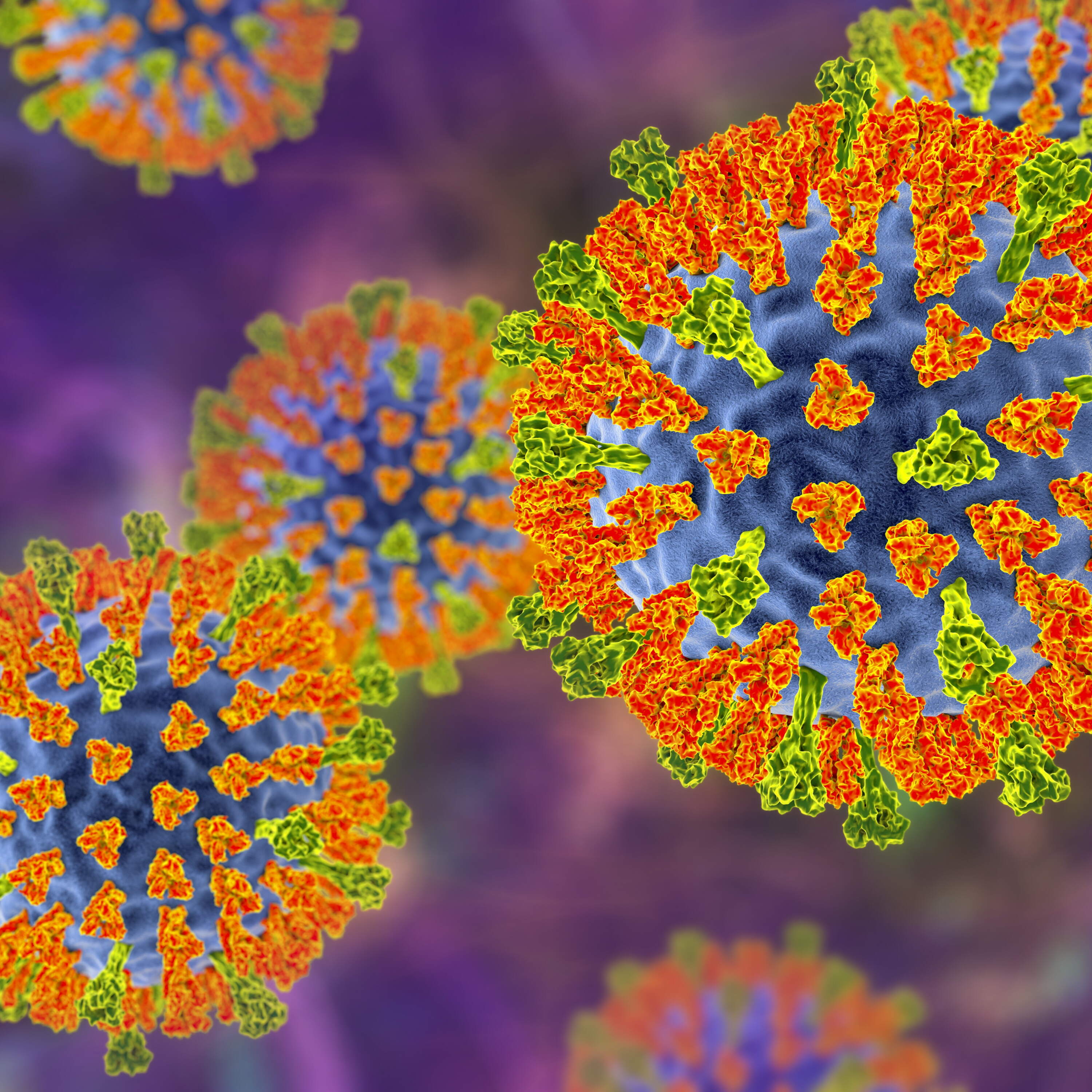
Vaccinated or not, we’re on the brink of a measles epidemic
Evaluation and Summary
Short Wave examines the resurgence of measles across multiple U.S. states, featuring epidemiologist Michael Mina to explain the current outbreak landscape and epidemic risk. The episode opens with the concrete reality: documented hundreds of cases concentrated in Pennsylvania, South Carolina, Texas, and Utah, predominantly among unvaccinated populations. The framing suggests a critical gap in public discourse—while politicians debate semantics around measles-related deaths, public health experts are sounding alarms about something larger: the trajectory toward a full-scale epidemic rather than isolated outbreaks. The episode promises to address three key questions: who faces the greatest risk, what conditions enable measles to spread so readily now, and whether intervention strategies exist to reverse course. By bringing in Mina, an epidemiologist with credibility in outbreak analysis, the episode positions itself to move beyond surface-level reporting into the mechanisms driving resurgence. The 14-minute format suggests a focused, accessible deep-dive rather than exhaustive coverage. The episode appears designed for general audiences concerned about public health trends, offering both current-event relevance (active outbreaks) and explanatory depth (why this matters beyond headlines). The title directly promises discussion of epidemic risk, and the description indicates the episode will deliver on that by examining threat levels and potential solutions.
Verdict: A timely, well-framed public health explainer with credible expertise that delivers on its title, though the short format and limited source material prevent confident assessment of depth and clarity.
Science rubric
-
Scientific accuracy n/a
Source material does not provide enough detail about specific claims, data cited, or how Mina's expertise is deployed to assess accuracy; episode content itself is not available.
-
Clarity for non-experts n/a
Cannot evaluate without hearing how concepts are explained; 14-minute format and NPR's typical style suggest accessibility, but no evidence of explanation quality in show notes.
-
Sense of discovery 3/5 25%
The framing that politicians debate definitions while experts worry about epidemic trajectory offers a fresh angle beyond standard outbreak coverage, though the core facts (measles resurgence, unvaccinated populations) are well-known.
-
Substance 3/5 25%
Show notes indicate three substantive questions (who's at risk, why spread is possible, how to reverse it) with expert input, but 14 minutes limits depth; likely solid but not dense.
-
Delivers on its title 4/5 25%
Title promises epidemic discussion; description explicitly addresses epidemic risk, who's vulnerable, and intervention possibilities—strong alignment with promised scope.
-
Value for time 3/5 25%
14 minutes is appropriate for a focused explainer with one expert guest; likely well-paced but brevity may limit exploration of nuance.
Worth it if you want a quick, expert-backed update on measles resurgence and epidemic risk without getting lost in political debate.
Based on the episode description. AI-generated; it can be wrong.
Show notes
More from Short Wave

Short Wave explores a significant gap in ADHD diagnosis: the exclusion of emotional dysregulation from the DSM diagnostic criteria, despite clinical recognition of this symptom since the 1970s. The episode features Dr. Sasha Hamdani, who discusses her book "Too Sensitive" and explains the neuroscience behind Rejection…
Worth it if you have ADHD, suspect you might, or are interested in how diagnostic criteria get shaped by measurement convenience rather than clinical reality.

Short Wave tackles the nuanced question of screen time's effects on young people's brain development, challenging the prevailing narrative that all screen time is harmful. The episode features an interview with the author of a study that found a positive relationship between screen time and brain development—a…
Worth it if you're a parent or educator tired of one-sided screen-time warnings and want evidence-based perspective on what actually matters.

Short Wave explores white nose syndrome, a fungal disease devastating little brown bat populations across the U.S. over the past decade, bringing some colonies to near extinction. The episode centers on recent research by conservation biologist Giorgia Auteri and her team, who discovered genetic mutations in bats that…
Worth it if you're interested in wildlife conservation, evolutionary biology, or how natural selection operates in real-time ecological crises.

Short Wave's 10-minute episode explores a recent scientific finding that eating alone may cause blood sugar spikes compared to eating socially with others. The episode frames this discovery within the broader context of social eating's health benefits—lower stress, decreased inflammation, and even increased…
Worth it if you enjoy bite-sized science news about health and social behavior and don't need deep technical detail.

Short Wave's 14-minute episode explores the surprising frequency of new species discoveries on Earth, prompted by the recent announcement of a newly identified cat species—the first in over a century. The episode features John Wiens, a professor of ecology and evolutionary biology at the University of Arizona, who…
Worth it if you enjoy bite-sized science news that connects current events (the cat discovery) to broader questions about biodiversity and want a quick, engaging introduction to how much life remains unknown on Earth.

Short Wave tackles the inflammation hype cycle that dominates wellness social media. The episode brings on immunologist Shruti Naik to fact-check viral claims about inflammation as a catch-all explanation for bloating, fatigue, digestive issues, and serious diseases like Alzheimer's and cardiovascular disease. The…
Worth it if you're tired of inflammation claims flooding your social media and want a quick, expert-backed reality check on what's actually scientifically sound.