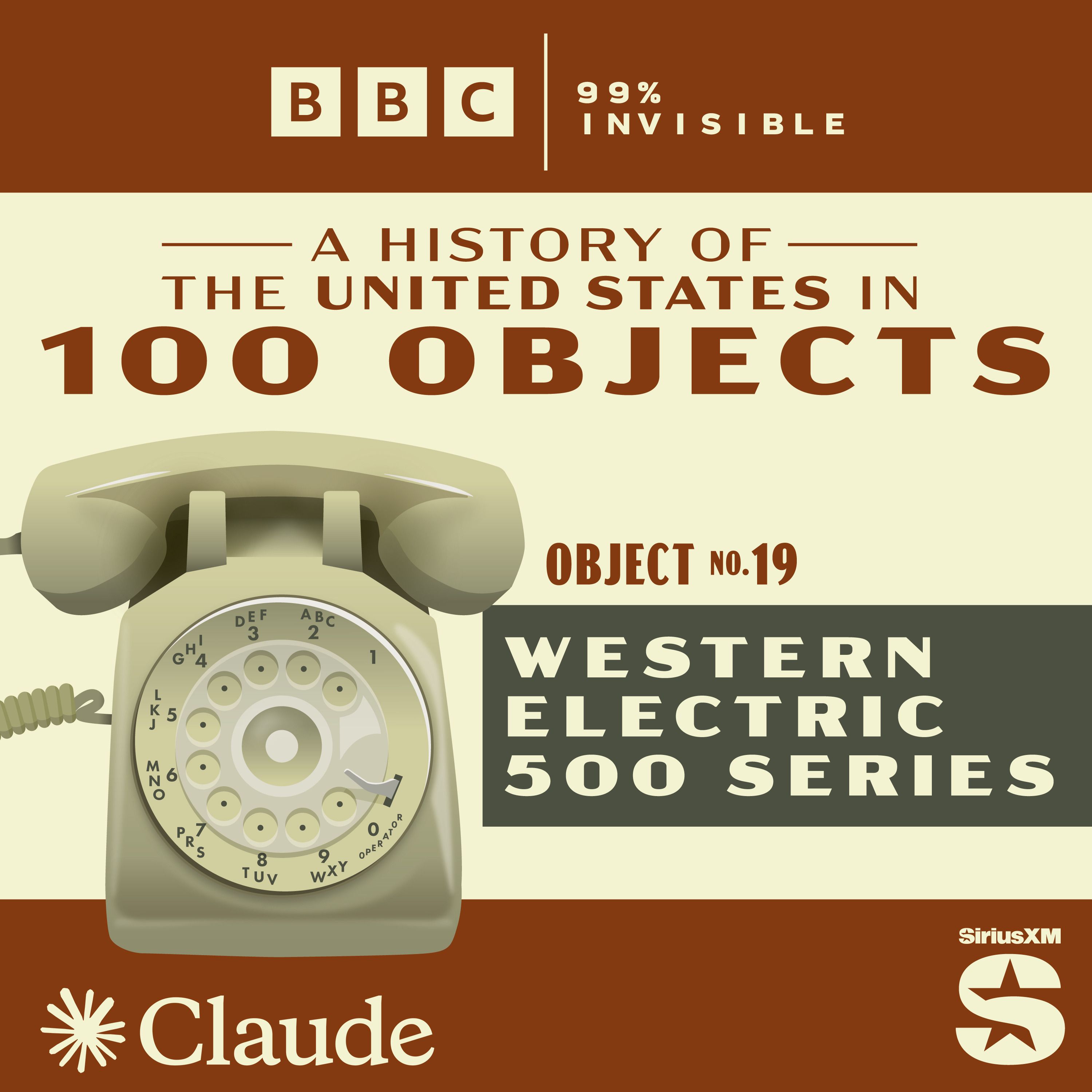
100 Objects #19: Western Electric 500 Series
Evaluation and Summary
99% Invisible's 100 Objects series examines the Western Electric 500 Series Telephone, a ubiquitous device that dominated American homes and offices for over 50 years. Hosted by Roman Mars with guest Adam Savage (former MythBuster), the episode explores why this particular phone became the default standard and what made it superior to predecessors and successors. The discussion presumably covers the phone's design, engineering, cultural impact, and the trade-offs involved when technology eventually moved beyond it. The episode frames the 500 Series as a case study in how a single object can define an era and shape user experience across generations. At 39 minutes, it fits the series' format of examining historically significant everyday objects through the lens of design, innovation, and cultural meaning. The collaboration between Mars's narrative expertise and Savage's maker/engineering perspective suggests the episode likely balances technical detail with accessible storytelling about why this phone mattered and what we lost in abandoning it.
Verdict: A well-matched host-guest pairing tackling a genuinely interesting design history topic with apparent expertise, though the show notes don't reveal whether it offers surprising insights or remains a solid but conventional retrospective.
Arts rubric
-
Insight into the work 3/5 20%
Show notes promise exploration of design superiority and cultural dominance but don't specify what novel insights are revealed about the phone's engineering or legacy.
-
Expertise and access 4/5 20%
Adam Savage brings hands-on maker expertise and credibility; Roman Mars is an established design/culture journalist; both are well-suited to discuss industrial design and cultural history.
-
Sparks curiosity 3/5 15%
The premise—why one phone dominated for 50 years—is inherently interesting, but the description doesn't hint at surprising revelations that would make you urgently seek out the phone's history.
-
Substance 3/5 15%
39 minutes with two knowledgeable hosts discussing a single object suggests solid content, but show notes don't indicate whether it's densely packed with stories and analysis or padded with tangents.
-
Delivers on its title 4/5 15%
Title and description clearly promise a history of the 500 Series and explanation of its dominance; show notes indicate the episode directly addresses both.
-
Value for time 3/5 15%
39 minutes is reasonable for a design deep-dive, but without hearing the episode, it's unclear if pacing is tight or if it includes filler.
Worth it if you're interested in industrial design history, how everyday objects shape culture, or enjoy 99% Invisible's narrative approach to material culture.
Content flags
- Ad-heavy Multiple sponsor reads (Claude, SiriusXM Podcasts+) and data collection notices relative to a 39-minute episode.
Based on the episode description. AI-generated; it can be wrong.
Show notes
More from 99% Invisible

99% Invisible explores the architectural and cultural significance of bricks in Chicago, examining how this humble building material tells the story of the city's development and character. The episode promises a "closer look at the messy, beautiful bricks hiding across Chicago," suggesting a deep dive into brick…
Worth it if you enjoy 99% Invisible's design-focused storytelling and have curiosity about architectural history or Chicago's built environment.

This 99% Invisible episode explores the AA sobriety chip—a small plastic token awarded to members marking milestones in their recovery journey—through the personal lens of comedian and podcaster Jamie Loftus. Loftus, who grew up around her father's collection of AA chips and now has her own, investigates the origins…
Worth it if you're interested in American social history, recovery narratives, or how everyday objects encode cultural meaning—or if you appreciate 99% Invisible's signature approach to finding big stories in small things.
This 99% Invisible episode explores the unexpected cultural journey of the Swiss alphorn call—a traditional mountain sound—and traces how it crossed the Atlantic to become an influential element in American country music. The episode title 'Tootle of a Devilish Song' suggests a playful investigation into this musical…
Worth it if you enjoy unexpected cultural connections, music history, or 99% Invisible's signature approach to revealing hidden stories in everyday culture.
99% Invisible explores the unexpected journey of the Rocky statue—a movie prop from the 1976 film 'Rocky' that transformed into one of Philadelphia's most iconic public monuments. The episode traces how a fictional boxer's bronze likeness, originally created for cinema, became embedded in the city's identity and…
Worth it if you enjoy stories about how public symbols and monuments emerge from unexpected places, or if you're curious about Philadelphia's cultural history and institutional conflicts.

This 99% Invisible episode examines hair relaxer as the 18th object in their 'History of the United States in 100 Objects' series. The episode explores how chemical hair relaxers became ubiquitous in Black American life, with 85-95% of Black women having used one at some point. Roman Mars and producer Priscilla Alabi…
Worth it if you're interested in how consumer products reflect and reinforce racial dynamics, or want to understand the economic and cultural history of Black beauty practices in America.
This episode of 99% Invisible explores the dramatic history behind a legendary typeface, framed around a spectacular friendship breakup and an act of revenge. Based on the title "Doves Type" and the teaser, the episode likely covers the Doves typeface, a historically significant Arts and Crafts movement typeface. The…
Worth it if you enjoy design history, interpersonal drama, and narrative-driven explorations of how creative conflict shapes cultural artifacts.