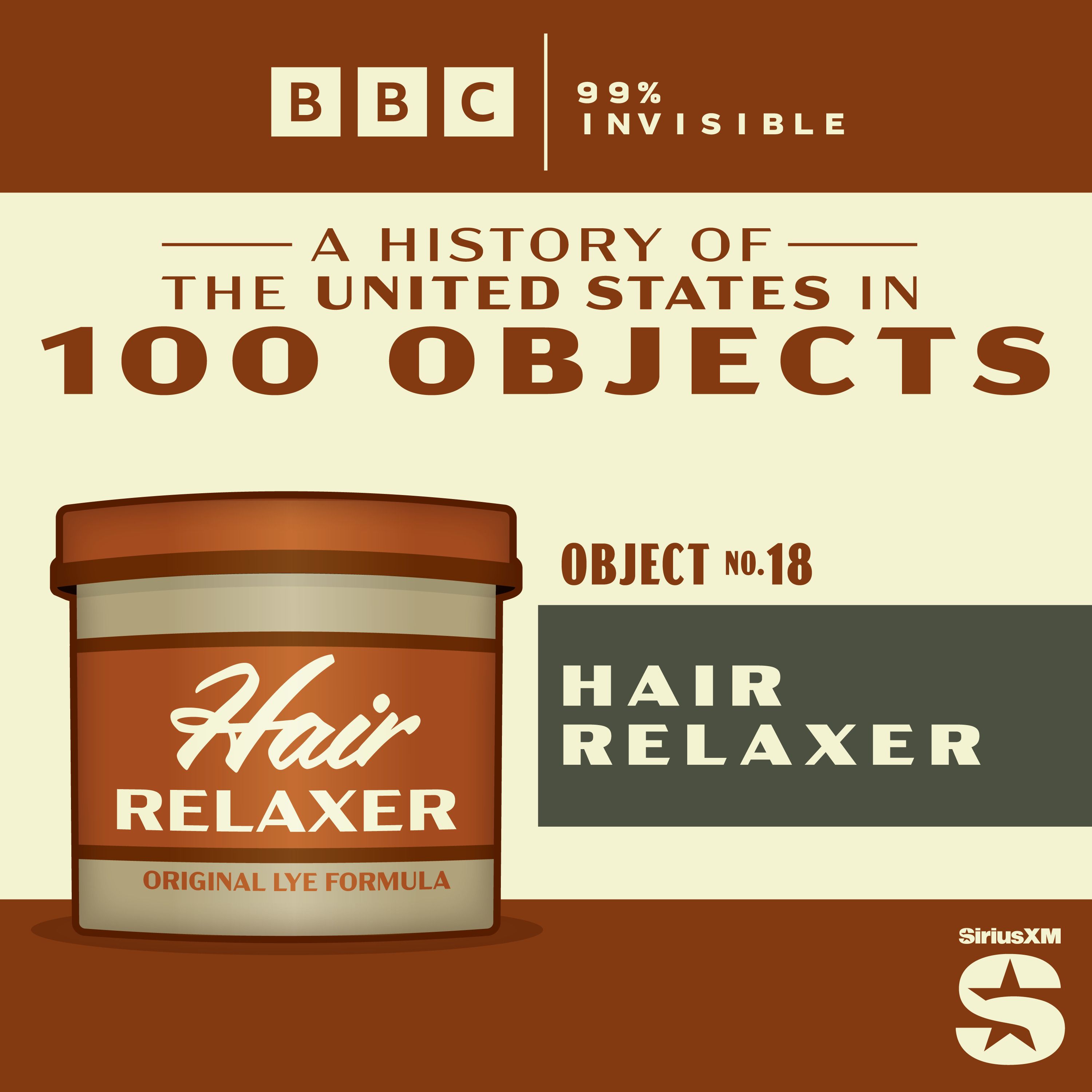
100 Objects #18: Hair Relaxer
Evaluation and Summary
This 99% Invisible episode examines hair relaxer as the 18th object in their 'History of the United States in 100 Objects' series. The episode explores how chemical hair relaxers became ubiquitous in Black American life, with 85-95% of Black women having used one at some point. Roman Mars and producer Priscilla Alabi frame the product as a paradox: it simultaneously enabled Black economic opportunity and entrepreneurship while reinforcing harmful beauty standards that positioned natural Black hair as a problem requiring chemical 'fixing.' The episode promises to investigate this contradiction as a lens into broader American racial and cultural tensions. The description hints at recent health research revealing physical costs associated with relaxer use, suggesting the episode moves beyond historical narrative into contemporary health implications. The framing positions hair relaxer as a mirror reflecting America's contradictions around race, beauty, economics, and bodily autonomy.
Verdict: A conceptually strong episode with genuine cultural relevance and an intriguing paradox at its core, but limited source material prevents full assessment of execution and depth.
Arts rubric
-
Insight into the work n/a
Show notes don't describe the actual content, analysis depth, or specific insights revealed about hair relaxer history or cultural significance
-
Expertise and access 3/5 40%
Roman Mars is an established podcast host with credibility; Priscilla Alabi as producer suggests insider perspective, but no guest experts or sources are mentioned
-
Sparks curiosity 4/5 30%
The framing of hair relaxer as both economic enabler and cultural harm is genuinely compelling and makes you want to understand the full story
-
Substance n/a
Cannot assess from show notes alone whether the 35-minute runtime contains dense analysis or padding
-
Delivers on its title 4/5 30%
Title promises examination of hair relaxer as historical object; description confirms exploration of its history, economics, and cultural impact, though health research angle is mentioned but not detailed
-
Value for time n/a
35 minutes is reasonable for this topic but pacing cannot be evaluated from description alone
Worth it if you're interested in how consumer products reflect and reinforce racial dynamics, or want to understand the economic and cultural history of Black beauty practices in America.
Content flags
- Ad-heavy Multiple sponsor reads mentioned (SiriusXM Podcasts+, Simplecast/AdsWizz) suggesting ad load typical of 99% Invisible
Based on the episode description. AI-generated; it can be wrong.
Show notes
More from 99% Invisible

99% Invisible explores the architectural and cultural significance of bricks in Chicago, examining how this humble building material tells the story of the city's development and character. The episode promises a "closer look at the messy, beautiful bricks hiding across Chicago," suggesting a deep dive into brick…
Worth it if you enjoy 99% Invisible's design-focused storytelling and have curiosity about architectural history or Chicago's built environment.
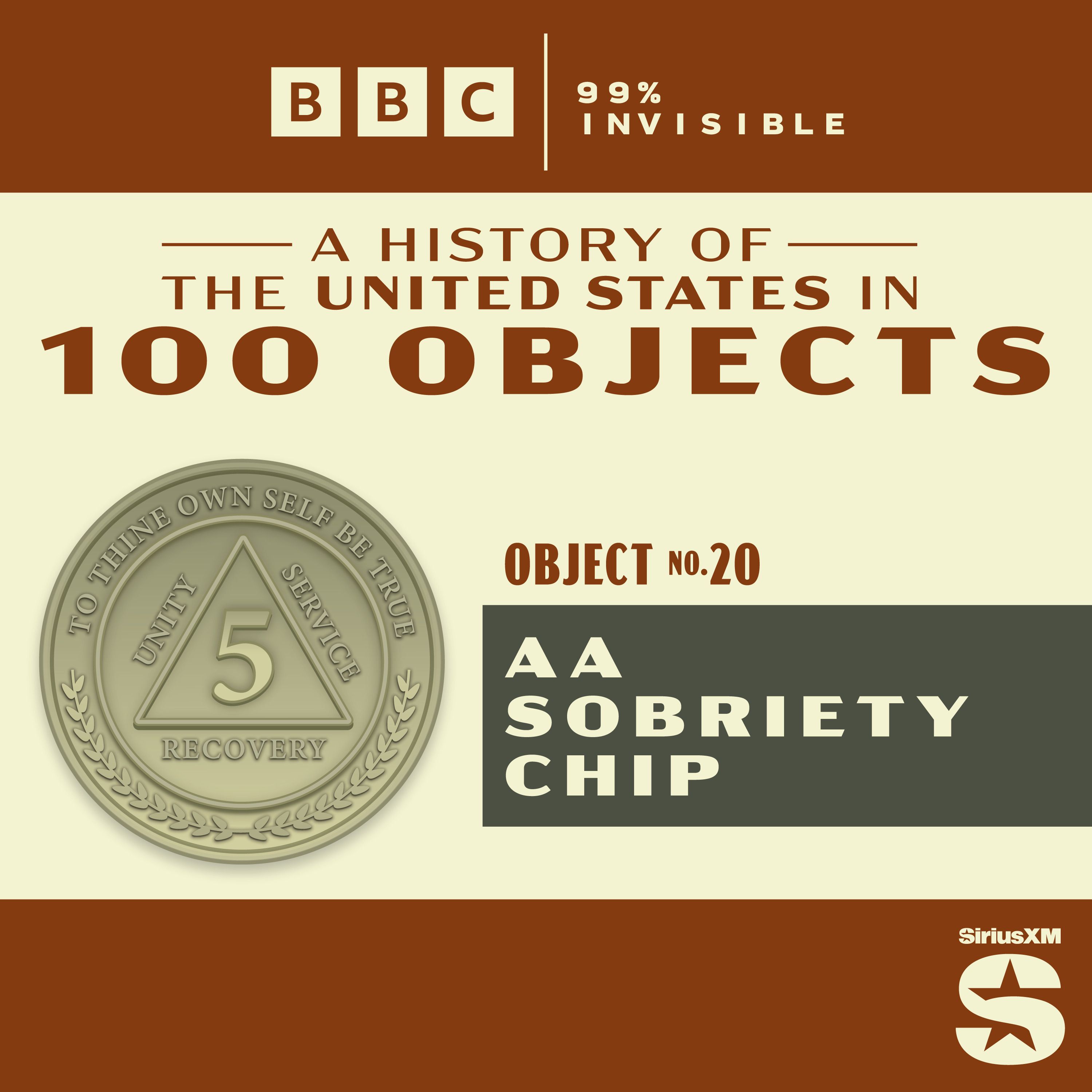
This 99% Invisible episode explores the AA sobriety chip—a small plastic token awarded to members marking milestones in their recovery journey—through the personal lens of comedian and podcaster Jamie Loftus. Loftus, who grew up around her father's collection of AA chips and now has her own, investigates the origins…
Worth it if you're interested in American social history, recovery narratives, or how everyday objects encode cultural meaning—or if you appreciate 99% Invisible's signature approach to finding big stories in small things.
This 99% Invisible episode explores the unexpected cultural journey of the Swiss alphorn call—a traditional mountain sound—and traces how it crossed the Atlantic to become an influential element in American country music. The episode title 'Tootle of a Devilish Song' suggests a playful investigation into this musical…
Worth it if you enjoy unexpected cultural connections, music history, or 99% Invisible's signature approach to revealing hidden stories in everyday culture.

99% Invisible's 100 Objects series examines the Western Electric 500 Series Telephone, a ubiquitous device that dominated American homes and offices for over 50 years. Hosted by Roman Mars with guest Adam Savage (former MythBuster), the episode explores why this particular phone became the default standard and what…
Worth it if you're interested in industrial design history, how everyday objects shape culture, or enjoy 99% Invisible's narrative approach to material culture.
99% Invisible explores the unexpected journey of the Rocky statue—a movie prop from the 1976 film 'Rocky' that transformed into one of Philadelphia's most iconic public monuments. The episode traces how a fictional boxer's bronze likeness, originally created for cinema, became embedded in the city's identity and…
Worth it if you enjoy stories about how public symbols and monuments emerge from unexpected places, or if you're curious about Philadelphia's cultural history and institutional conflicts.
This episode of 99% Invisible explores the dramatic history behind a legendary typeface, framed around a spectacular friendship breakup and an act of revenge. Based on the title "Doves Type" and the teaser, the episode likely covers the Doves typeface, a historically significant Arts and Crafts movement typeface. The…
Worth it if you enjoy design history, interpersonal drama, and narrative-driven explorations of how creative conflict shapes cultural artifacts.