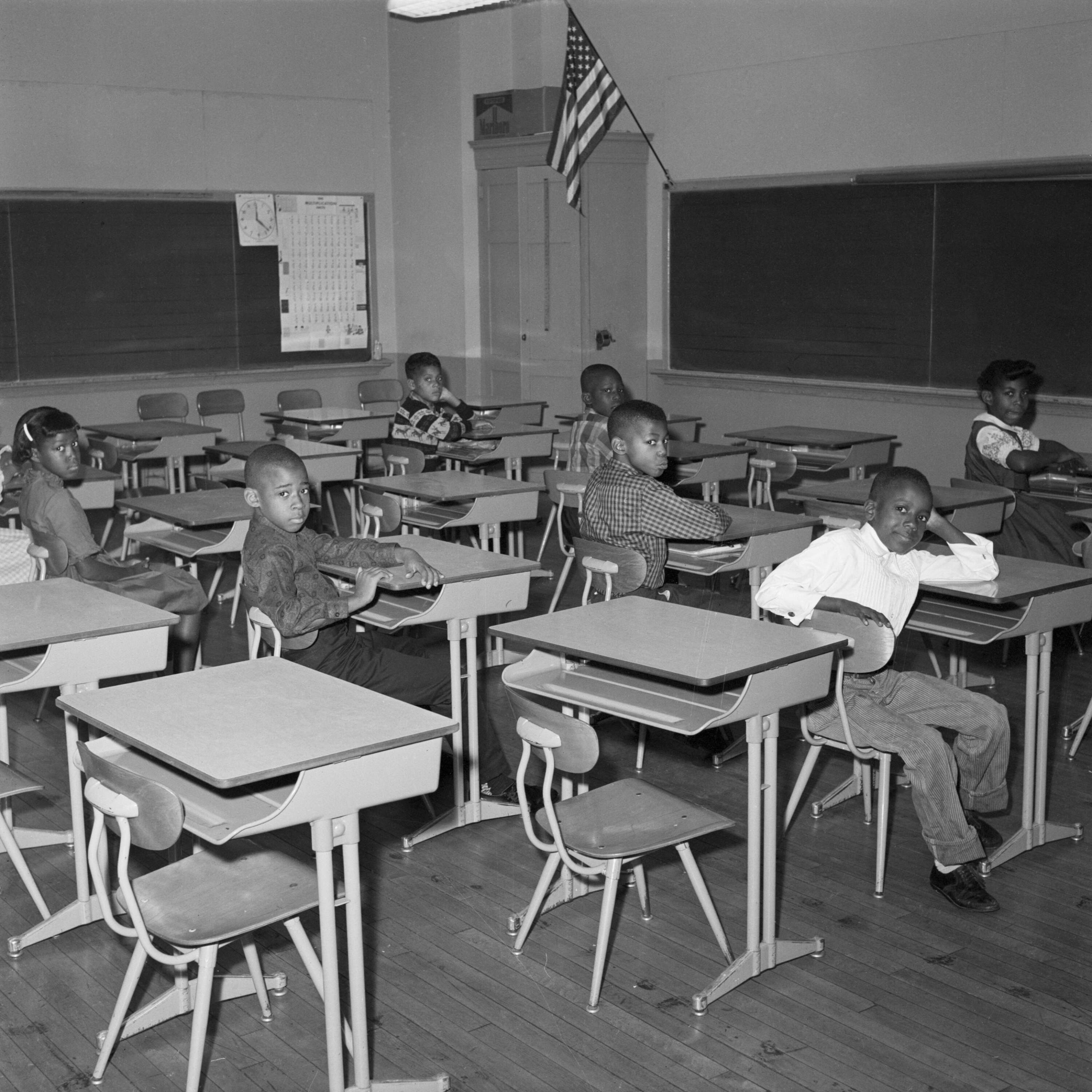
The school report that changed public education
Evaluation and Summary
Throughline examines the Coleman Report, a landmark 1966 federal survey commissioned to address educational inequality in America. The episode traces how this massive research initiative came together and explores its seismic impact on American education policy over the subsequent six decades. The report's findings—particularly its controversial conclusion that school resources matter less than family background in determining student outcomes—ignited a sustained national debate about race, educational equity, and the fundamental purpose of American schooling. The episode features Victoria Cain, a historian at Northeastern University who studies education policy, and Thomas Kane, an education economist at Harvard, both well-positioned to contextualize the report's origins, methodology, and far-reaching consequences. The narrative appears to follow both the historical arc of how the report came to be commissioned and the policy turbulence it created, suggesting the episode explores not just what Coleman found but how those findings were interpreted, contested, and weaponized in debates over school desegregation, busing, and resource allocation. The episode promises to illuminate how a single research project became a flashpoint in American culture wars and shaped educational policy for generations.
Verdict: A well-framed historical episode with credible experts that promises to deliver on its title, but show notes lack detail about narrative depth, primary source work, or the specific policy mechanisms that made the Coleman Report transformative.
History rubric
-
Research depth 3/5 20%
Two credentialed academic guests (historian and economist) suggest solid research, but show notes don't detail primary sources, archival material, or depth of investigation beyond the report itself.
-
Storytelling 3/5 20%
The framing of a 'story' of how the report 'came together' and 'unleashed' debate suggests narrative structure, but show notes provide limited evidence of vivid storytelling or compelling narrative arc.
-
Context and nuance 3/5 15%
The description acknowledges the report 'unleashed a 60-year debate' and mentions multiple dimensions (race, resources, purpose of education), suggesting some nuance, but doesn't clarify how competing interpretations are explored.
-
Substance 3/5 15%
37 minutes with two expert guests discussing a complex historical report suggests solid content, though show notes don't indicate whether the episode goes beyond summarizing the report to explore its actual influence.
-
Delivers on its title 4/5 15%
Title promises 'the school report that changed public education'; description confirms the episode covers both the report's origins and its 60-year policy impact, directly addressing what changed and why.
-
Value for time 3/5 15%
37 minutes is reasonable for covering a report's history and consequences with expert guests, though without hearing the episode, pacing cannot be fully assessed; length seems appropriate for the scope.
Worth it if you're interested in the history of American education policy, the origins of school desegregation debates, or how research shapes public policy.
Based on the episode description. AI-generated; it can be wrong.
Show notes
More from Throughline

Throughline presents an episode centered on Gaza's experience during a year-long ceasefire that began in October 2025. The episode features NPR's Anas Baba, one of the few remaining full-time American journalists reporting from Gaza, who serves as both a resident and correspondent documenting conditions on the ground.…
Worth it if you want sustained, experiential reporting on Gaza's ceasefire period from someone with rare on-the-ground access and are willing to accept a personal narrative approach over comprehensive analysis.

Throughline examines existential threats to humanity—climate change, nuclear weapons, and AI—by drawing parallels to the dinosaur extinction event. The episode features five expert guests: David Sepkoski (historian of science and author on extinction and diversity), Owen Brian Toon (atmospheric scientist), Alec…
Worth it if you're interested in existential risk, deep history, or how scientific understanding of past catastrophes informs present-day thinking about climate and technology.
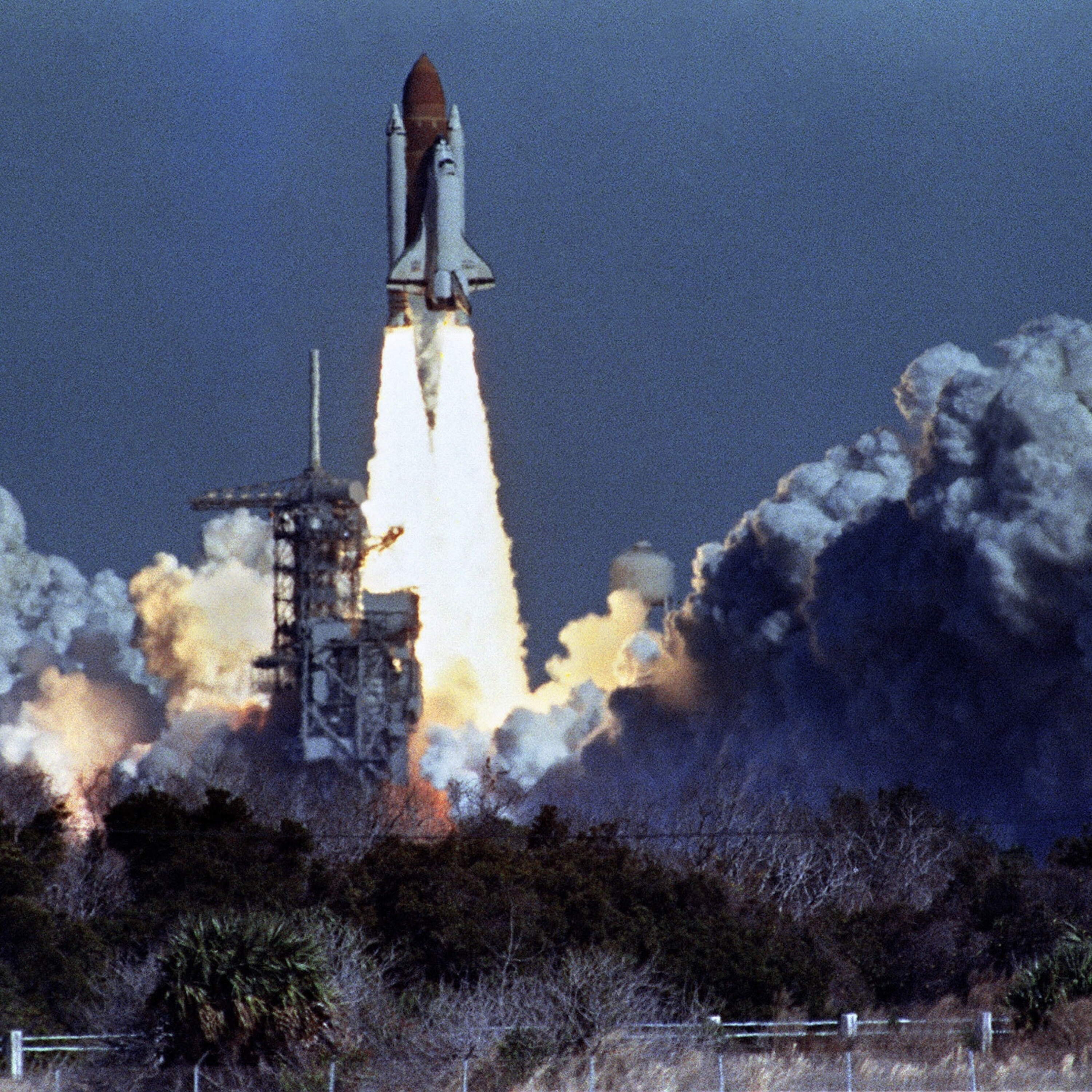
This Throughline episode examines the Challenger disaster of January 28, 1986, through the perspective of Brian Russell, an engineer who worked on the shuttle program. Russell had spent months before the launch warning NASA that freezing temperatures could compromise a critical O-ring seal in the shuttle's design. The…
Worth it if you're interested in the human cost of the Challenger disaster, engineering ethics, or how individuals process responsibility for preventable tragedies.

Throughline examines the Democratic Socialists of America (DSA) through the lens of its intellectual founder Michael Harrington, a pivotal but controversial figure in American socialist history. The episode traces Harrington's ideological journey from devout Catholicism through revolutionary socialism to eventual…
Worth it if you're interested in American socialist history, the DSA's intellectual foundations, or the strategic debates about how the left should engage with electoral politics.
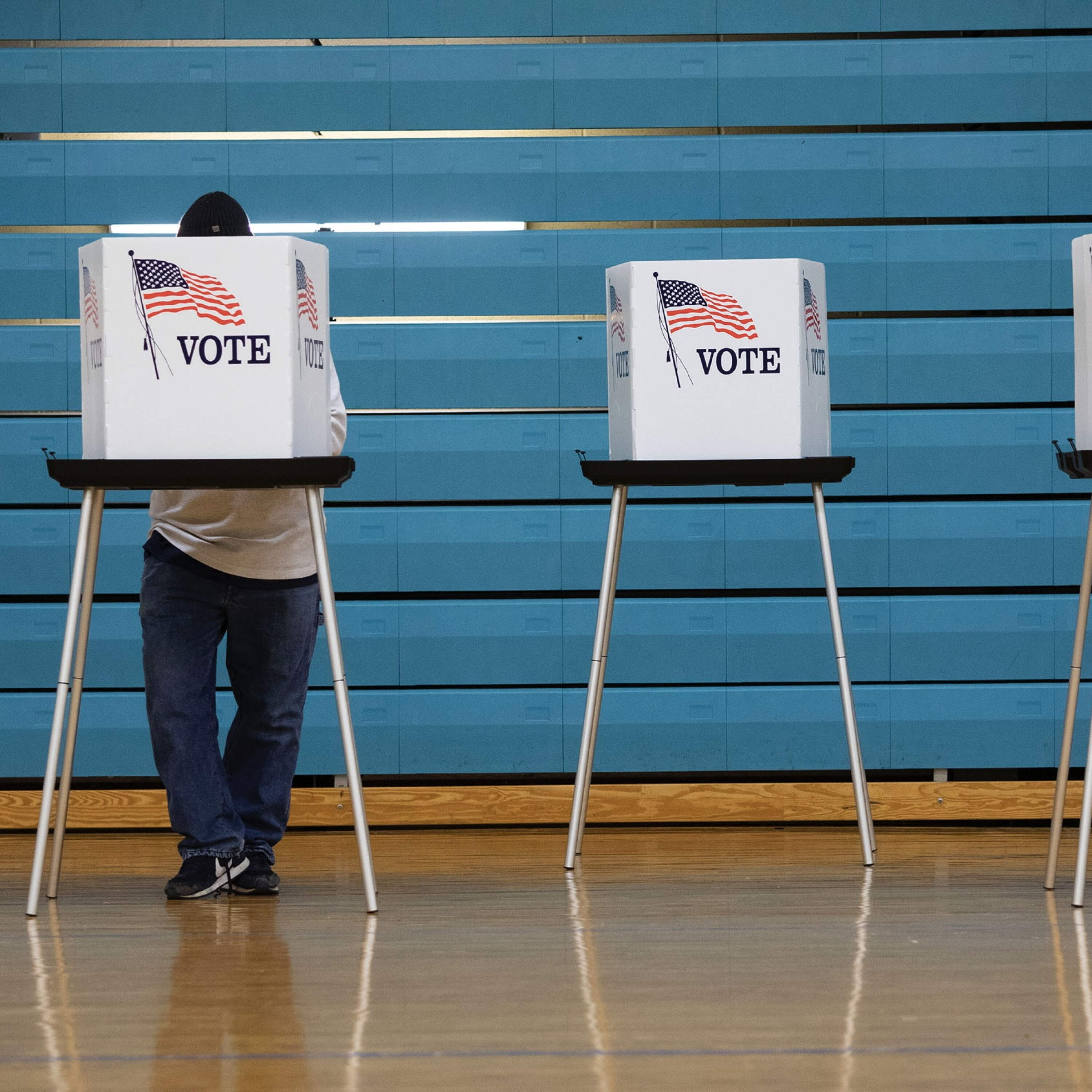
Throughline examines how two swing states—Arizona and Michigan—have shaped American voting patterns and electoral strategy, with lessons for the current midterm election. The episode traces the GOP's voter suppression playbook back to Arizona in the 1960s, featuring John A. Jenkins (biographer of Chief Justice William…
Worth it if you're interested in how historical voting patterns and state-level organizing strategies shape contemporary swing-state politics, or want context on voter suppression and grassroots mobilization.

Throughline explores the cultural and historical roots of baseball's relationship with music, specifically focusing on walk-up songs and stadium music traditions. The episode features two expert guests: John Thorn, MLB's Official Baseball Historian and accomplished author, and Nancy Faust, the legendary organist who…
Worth it if you're a baseball fan curious about stadium traditions, enjoy music history, or want a quick, authoritative primer on how walk-up songs became part of the sport.