
How baseball got its beat
Evaluation and Summary
Throughline explores the cultural and historical roots of baseball's relationship with music, specifically focusing on walk-up songs and stadium music traditions. The episode features two expert guests: John Thorn, MLB's Official Baseball Historian and accomplished author, and Nancy Faust, the legendary organist who played for the Chicago White Sox for decades. The episode examines how baseball evolved into a musical sport and traces the origins of the walk-up song tradition—the custom of playing a batter's chosen song as they approach the plate. Given the timing around MLB's postseason, the episode uses the contemporary relevance of walk-up songs as a hook into deeper historical inquiry. The show notes indicate the episode is 32 minutes long, suggesting a focused exploration rather than an exhaustive deep dive. The presence of Thorn, who holds an official MLB historian position, suggests the episode likely draws on credible historical sources and insider knowledge. Faust's participation as a former stadium organist adds first-hand experiential perspective on how music functioned in baseball culture over several decades. The episode appears to bridge popular culture (modern walk-up songs) with baseball history, exploring how musical traditions became embedded in the sport's identity. The correction note about the Brooklyn Dodgers' relocation (1958, not 1952) suggests the producers fact-checked their work, though this also indicates at least one error made it through initial editing. The episode likely covers the evolution from early stadium organ music to contemporary playlist-driven walk-up songs, potentially examining how technology and cultural shifts changed baseball's sonic landscape.
Verdict: A solid, well-sourced episode on an accessible topic with credible experts, but the show notes provide limited evidence of exceptional depth, storytelling craft, or surprising insights.
History rubric
-
Research depth 3/5 25%
Credible guests (official MLB historian and longtime stadium organist) suggest solid research, but 32 minutes limits depth; the correction note shows fact-checking occurred.
-
Storytelling n/a
No information in show notes about narrative structure, pacing, or how the story unfolds; cannot assess storytelling quality.
-
Context and nuance 3/5 19%
Two guests with different perspectives (historian and practitioner) suggest some nuance, but show notes don't reveal whether causes, competing views, or uncertainties are explored.
-
Substance 3/5 19%
Expert guests and a focused topic suggest solid content, but 32 minutes with two guests may include padding; unclear how much time is devoted to actual historical detail versus anecdotes.
-
Delivers on its title 4/5 19%
Title promises explanation of how baseball became musical and walk-up song origins; guest list and description directly address both, though depth unknown.
-
Value for time 3/5 19%
32 minutes is reasonable for a focused historical segment; no evidence of excessive tangents, but also no indication of exceptional tightness or efficiency.
Worth it if you're a baseball fan curious about stadium traditions, enjoy music history, or want a quick, authoritative primer on how walk-up songs became part of the sport.
Based on the episode description. AI-generated; it can be wrong.
Show notes
More from Throughline

Throughline presents an episode centered on Gaza's experience during a year-long ceasefire that began in October 2025. The episode features NPR's Anas Baba, one of the few remaining full-time American journalists reporting from Gaza, who serves as both a resident and correspondent documenting conditions on the ground.…
Worth it if you want sustained, experiential reporting on Gaza's ceasefire period from someone with rare on-the-ground access and are willing to accept a personal narrative approach over comprehensive analysis.

Throughline examines existential threats to humanity—climate change, nuclear weapons, and AI—by drawing parallels to the dinosaur extinction event. The episode features five expert guests: David Sepkoski (historian of science and author on extinction and diversity), Owen Brian Toon (atmospheric scientist), Alec…
Worth it if you're interested in existential risk, deep history, or how scientific understanding of past catastrophes informs present-day thinking about climate and technology.

This Throughline episode examines the Challenger disaster of January 28, 1986, through the perspective of Brian Russell, an engineer who worked on the shuttle program. Russell had spent months before the launch warning NASA that freezing temperatures could compromise a critical O-ring seal in the shuttle's design. The…
Worth it if you're interested in the human cost of the Challenger disaster, engineering ethics, or how individuals process responsibility for preventable tragedies.

Throughline examines the Democratic Socialists of America (DSA) through the lens of its intellectual founder Michael Harrington, a pivotal but controversial figure in American socialist history. The episode traces Harrington's ideological journey from devout Catholicism through revolutionary socialism to eventual…
Worth it if you're interested in American socialist history, the DSA's intellectual foundations, or the strategic debates about how the left should engage with electoral politics.

Throughline examines how two swing states—Arizona and Michigan—have shaped American voting patterns and electoral strategy, with lessons for the current midterm election. The episode traces the GOP's voter suppression playbook back to Arizona in the 1960s, featuring John A. Jenkins (biographer of Chief Justice William…
Worth it if you're interested in how historical voting patterns and state-level organizing strategies shape contemporary swing-state politics, or want context on voter suppression and grassroots mobilization.
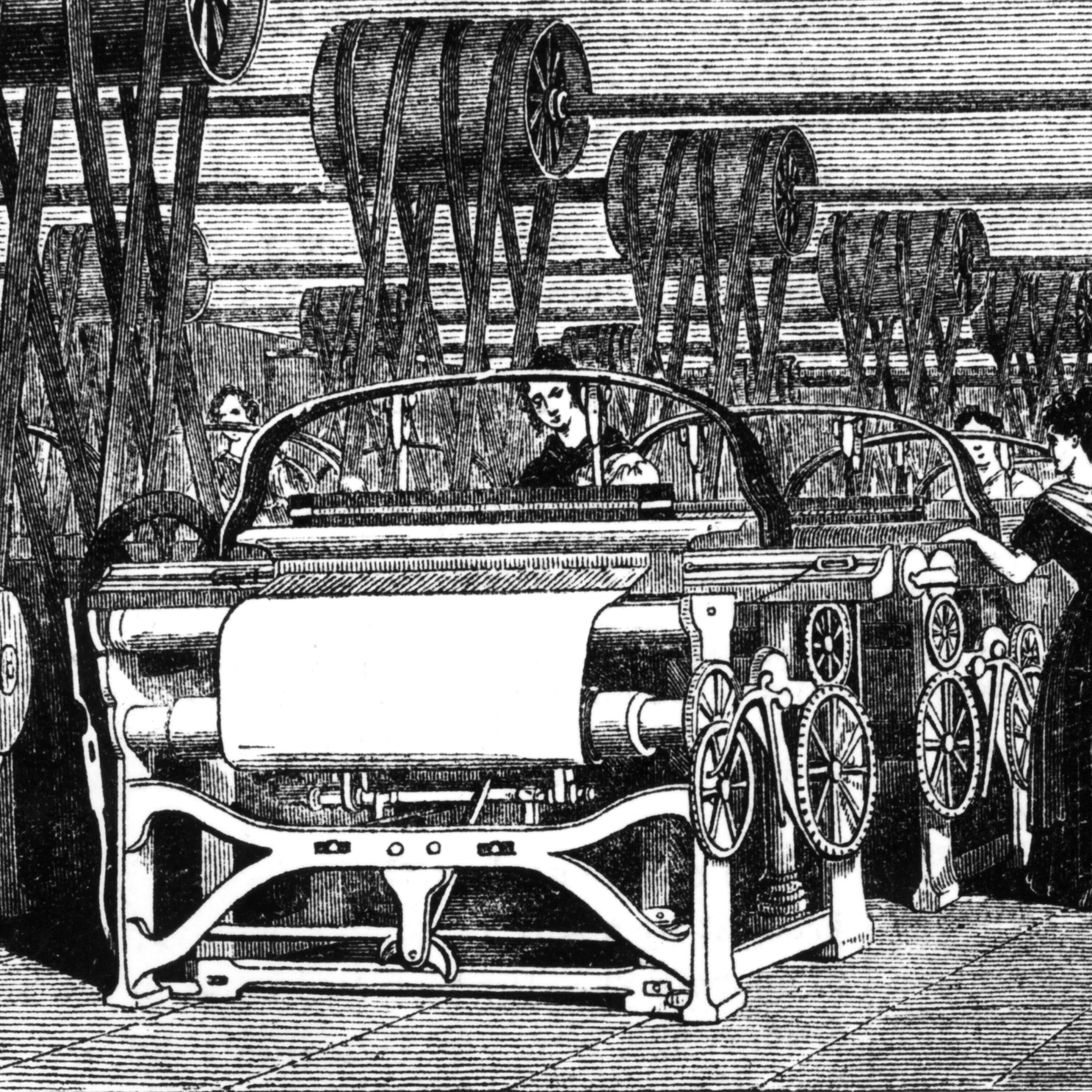
Throughline explores the historical Luddite movement of the 19th century and draws parallels to contemporary anxieties about technological displacement, particularly in the context of AI. The episode challenges the common misconception that Luddites were simply anti-technology reactionaries, revealing instead that…
Worth it if you're curious about the real history behind the Luddite label, skeptical of tech-solutionism, or looking for historical perspective on labor and automation anxiety.