
The AI election
Evaluation and Summary
America, Actually explores why AI has become a surprising electoral issue despite polling showing less than 1 percent of voters rank it as a top concern. The episode centers on Michigan congressional candidate Will Lawrence, who appears to be championing AI as a campaign focus, suggesting a disconnect between what voters say matters and what some candidates are prioritizing. The episode examines this tension through reporting that includes on-the-ground perspectives, notably featuring Emily Taylor leading protests against data center development in Austin—indicating the episode explores tangible, local impacts of AI infrastructure rather than abstract technology debates. The reporting suggests AI's electoral relevance may lie in concrete community concerns: energy consumption, environmental impact, and economic disruption from data centers rather than the technology itself. By framing the story around a candidate who 'sees things differently' from polling data, the episode implies there's a gap between elite or candidate-driven AI discourse and actual voter priorities, or alternatively, that grassroots opposition to AI infrastructure is emerging despite low headline awareness. The episode appears to investigate whether AI will become a sleeper issue in elections, how local impacts (like data center protests) might shift voter sentiment, and whether candidates like Lawrence are ahead of or out of step with their constituents. The production credits indicate solid editorial standards: fact-checking by Esther Gim, editing by Kasia Broussalian, and mixing by Shannon Mahoney suggest professional execution. The episode is relatively brief at 29 minutes, positioning it as a focused investigation rather than a comprehensive deep-dive.
Verdict: A well-produced, timely investigation that delivers on its premise of examining an emerging electoral issue, but limited show notes prevent full assessment of sourcing depth and narrative substance.
Government rubric
-
Accuracy and sourcing 3/5 20%
Credits include a fact-checker and specific sourcing (Getty Images photo from Austin American-Statesman), suggesting verification, but show notes don't detail primary sources or quotes from Lawrence or other key figures.
-
Balance and context 3/5 20%
Episode frames the AI issue through both polling data (low voter concern) and on-the-ground activism (data center protests), suggesting some attempt at multiple angles, but notes don't clarify whether pro-AI voices or industry perspectives
-
Clarity on what it means 3/5 15%
The episode appears to explain real-world impacts (data center development, environmental concerns) but show notes don't clarify how these local issues translate to electoral consequences or policy outcomes.
-
Substance 3/5 15%
29 minutes with a focused narrative (candidate + polling + local protest) suggests solid reporting, but brevity and limited detail in notes make it hard to assess whether content is dense or somewhat surface-level.
-
Delivers on its title 4/5 15%
Title 'The AI election' is directly addressed through polling data, a candidate case study, and infrastructure protests, delivering on the premise that AI is becoming an election issue despite low awareness.
-
Value for time 3/5 15%
29 minutes is tight for a focused investigation, but without hearing the episode, it's unclear whether pacing is efficient or if there are tangential discussions.
Worth it if you're interested in how emerging technologies shape electoral politics or want to understand grassroots resistance to AI infrastructure beyond tech-world hype.
Content flags
- Ad-heavy Multiple sponsor reads and membership pitches (Vox Members, Midterms newsletter, ad choices) take up notable space in show notes relative to a 29-minute episode.
Based on the episode description. AI-generated; it can be wrong.
Show notes
More from America, Actually with Astead Herndon

America, Actually with Astead Herndon examines what the episode frames as Democrats' cautious approach to abortion advocacy, suggesting the party is missing opportunities to make a stronger, more direct case for abortion rights. The episode title promises to identify a 'blind spot' in Democratic strategy around this…
Worth it if you're interested in Democratic campaign strategy on abortion and want Vox's take on messaging gaps, but check a full review first.

America, Actually investigates whether Republican candidates in red states can successfully run for governor while completely avoiding mention of Donald Trump. Host Astead Herndon travels to Ohio to explore this question through on-the-ground reporting. The episode features Republican candidate Vivek Ramaswamy and…
Worth it if you're interested in 2026 GOP strategy, Ohio politics, or how Trump's influence shapes Republican candidate messaging.
America, Actually with Astead Herndon examines a central question for Democratic strategy: what do Democrats fundamentally misunderstand about voters, and why does opposition to Trump alone fail to secure electoral victories? The episode, running 43 minutes, appears to explore the gap between Democratic messaging and…
Worth it if you're interested in Democratic electoral strategy and want on-the-ground reporting about voter priorities beyond Trump opposition.
America, Actually hosts Astead Herndon in conversation with Mehdi Hasan, a journalist and founder of the news outlet Zeteo, to discuss how media coverage of Israel and President Trump has contributed to a broader credibility crisis in American journalism. The episode appears to center on Hasan's perspective on how…
Worth it if you're interested in media criticism and want to hear a prominent journalist's take on how coverage of Israel and Trump has damaged press credibility.
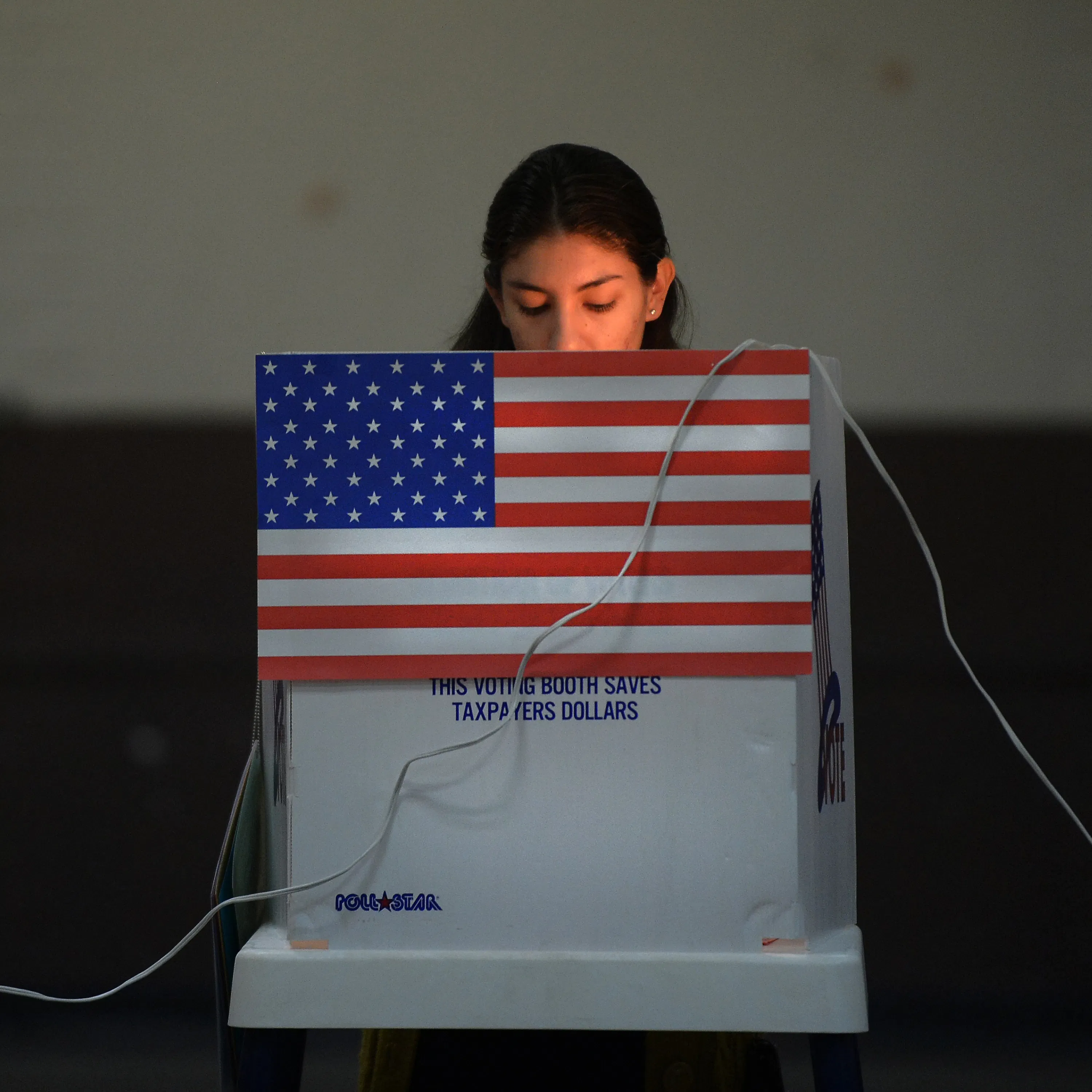
America, Actually examines a significant political shift among Latino voters in the 2024 election cycle. The episode explores how Latino voters initially swung toward Republican candidates in 2024 but are now reconsidering their alignment with Democrats. The reporting appears to focus on understanding the reasons…
Worth it if you're tracking Latino voter behavior in 2024-2026 politics or want Vox's analysis of shifting electoral coalitions.

America, Actually's midterms study guide aims to answer a straightforward question: what actually matters to voters heading into the 2026 midterm elections. The episode is positioned as a primer for understanding voter priorities in the upcoming election cycle. The show notes indicate it's a Vox production with solid…
Worth it if you're looking for a quick Vox explainer on 2026 midterm voter priorities and trust Astead Herndon's reporting, but the show notes don't provide enough detail to know if it's substantive or surface-level.