
What Democrats don’t get
Evaluation and Summary
America, Actually with Astead Herndon examines a central question for Democratic strategy: what do Democrats fundamentally misunderstand about voters, and why does opposition to Trump alone fail to secure electoral victories? The episode, running 43 minutes, appears to explore the gap between Democratic messaging and voter priorities, investigating what motivates voters beyond anti-Trump sentiment. Herndon, a political correspondent known for on-the-ground reporting, likely draws on interviews and reporting to diagnose Democratic blind spots in understanding the electorate. The show notes indicate this is part of Vox's election coverage, suggesting the episode situates itself within broader 2024 election analysis. The production credits indicate a full editorial team (producer Frank Posillico, editor Kasia Broussalian, fact-checker Esther Gim, mixer Matt Boynton, video editor Christopher Snyder), suggesting professional reporting standards. The episode is available both as audio and video, indicating multimedia reporting. The show notes mention Herndon's weekly newsletter "Midterms, Actually," suggesting this episode connects to ongoing election analysis. However, the show notes provide minimal detail about specific guests, arguments, or reporting findings—we learn only the central question posed, not how it's answered or what evidence supports the conclusions. There's no indication of which Democratic misunderstandings are addressed, what voter perspectives are featured, or what specific reporting grounds the analysis. The notes mention fact-checking by Esther Gim, suggesting accuracy standards, but don't reveal what claims are being verified or what sources inform the reporting.
Verdict: Professional production and a timely, relevant question suggest solid reporting, but minimal show notes prevent confident assessment of depth, sourcing, or whether the episode delivers substantive analysis or surface-level commentary.
Government rubric
-
Accuracy and sourcing n/a
Show notes mention fact-checking but provide no details about sources, claims, or reporting methodology
-
Balance and context n/a
No information about whether Democratic and voter perspectives are both represented or how context is framed
-
Clarity on what it means n/a
Show notes don't explain what real-world implications the analysis has for Democratic strategy or voter behavior
-
Substance n/a
Insufficient detail about episode content, guest interviews, or specific arguments to assess substance versus filler
-
Delivers on its title 3/5 100%
Title promises analysis of Democratic misunderstandings; show notes confirm this is the central question but don't reveal depth of delivery
-
Value for time n/a
No information about pacing, structure, or whether 43 minutes is justified by content density
There wasn’t enough detail to score most criteria, so the score is an overall estimate.
Worth it if you're interested in Democratic electoral strategy and want on-the-ground reporting about voter priorities beyond Trump opposition.
Content flags
- Ad-heavy Show notes include multiple promotional reads for Vox membership, newsletter signup, and ad choice disclosures relative to the 43-minute runtime
Based on the episode description. AI-generated; it can be wrong.
Show notes
More from America, Actually with Astead Herndon
America, Actually with Astead Herndon examines what the episode frames as Democrats' cautious approach to abortion advocacy, suggesting the party is missing opportunities to make a stronger, more direct case for abortion rights. The episode title promises to identify a 'blind spot' in Democratic strategy around this…
Worth it if you're interested in Democratic campaign strategy on abortion and want Vox's take on messaging gaps, but check a full review first.

America, Actually investigates whether Republican candidates in red states can successfully run for governor while completely avoiding mention of Donald Trump. Host Astead Herndon travels to Ohio to explore this question through on-the-ground reporting. The episode features Republican candidate Vivek Ramaswamy and…
Worth it if you're interested in 2026 GOP strategy, Ohio politics, or how Trump's influence shapes Republican candidate messaging.

America, Actually explores why AI has become a surprising electoral issue despite polling showing less than 1 percent of voters rank it as a top concern. The episode centers on Michigan congressional candidate Will Lawrence, who appears to be championing AI as a campaign focus, suggesting a disconnect between what…
Worth it if you're interested in how emerging technologies shape electoral politics or want to understand grassroots resistance to AI infrastructure beyond tech-world hype.
America, Actually hosts Astead Herndon in conversation with Mehdi Hasan, a journalist and founder of the news outlet Zeteo, to discuss how media coverage of Israel and President Trump has contributed to a broader credibility crisis in American journalism. The episode appears to center on Hasan's perspective on how…
Worth it if you're interested in media criticism and want to hear a prominent journalist's take on how coverage of Israel and Trump has damaged press credibility.
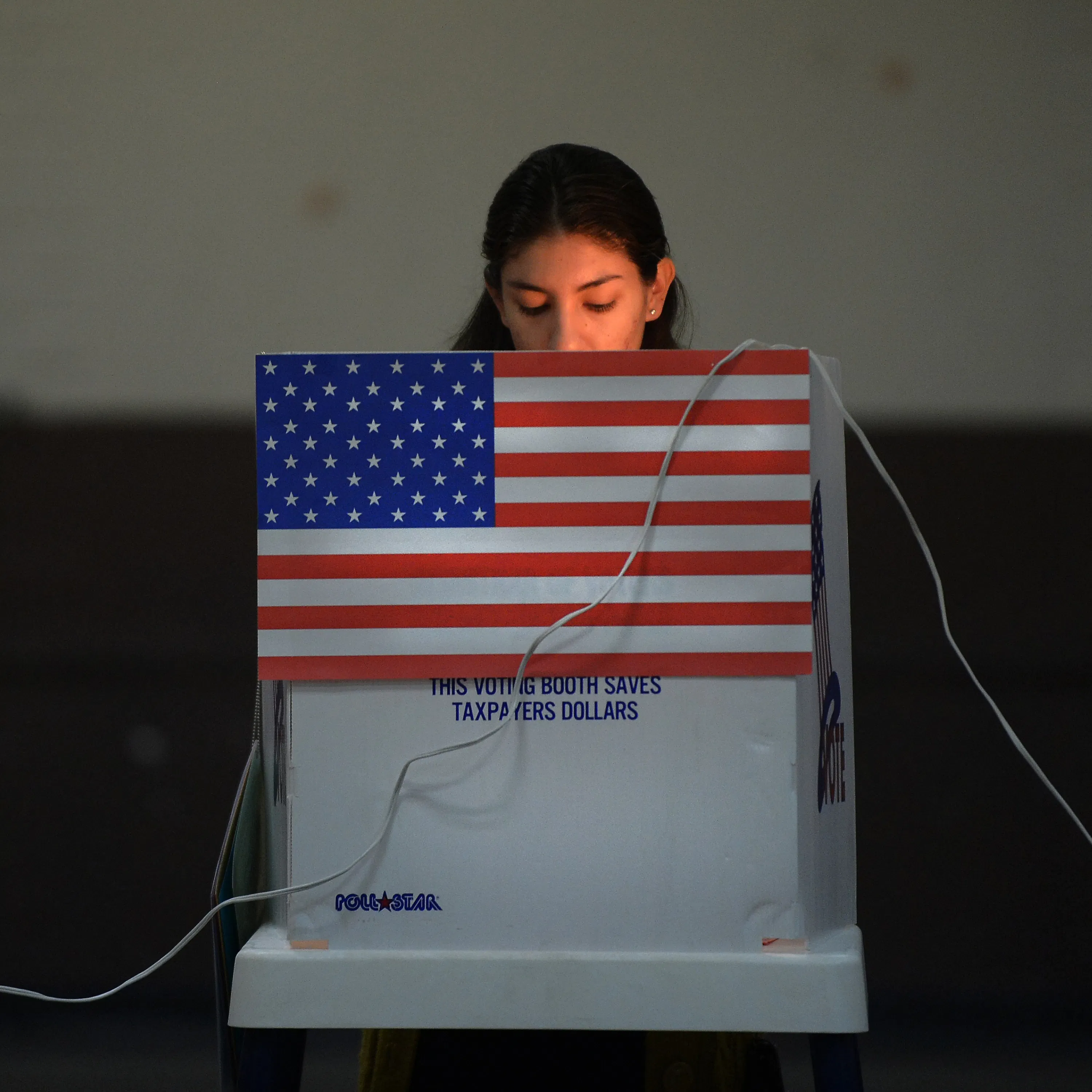
America, Actually examines a significant political shift among Latino voters in the 2024 election cycle. The episode explores how Latino voters initially swung toward Republican candidates in 2024 but are now reconsidering their alignment with Democrats. The reporting appears to focus on understanding the reasons…
Worth it if you're tracking Latino voter behavior in 2024-2026 politics or want Vox's analysis of shifting electoral coalitions.

America, Actually's midterms study guide aims to answer a straightforward question: what actually matters to voters heading into the 2026 midterm elections. The episode is positioned as a primer for understanding voter priorities in the upcoming election cycle. The show notes indicate it's a Vox production with solid…
Worth it if you're looking for a quick Vox explainer on 2026 midterm voter priorities and trust Astead Herndon's reporting, but the show notes don't provide enough detail to know if it's substantive or surface-level.