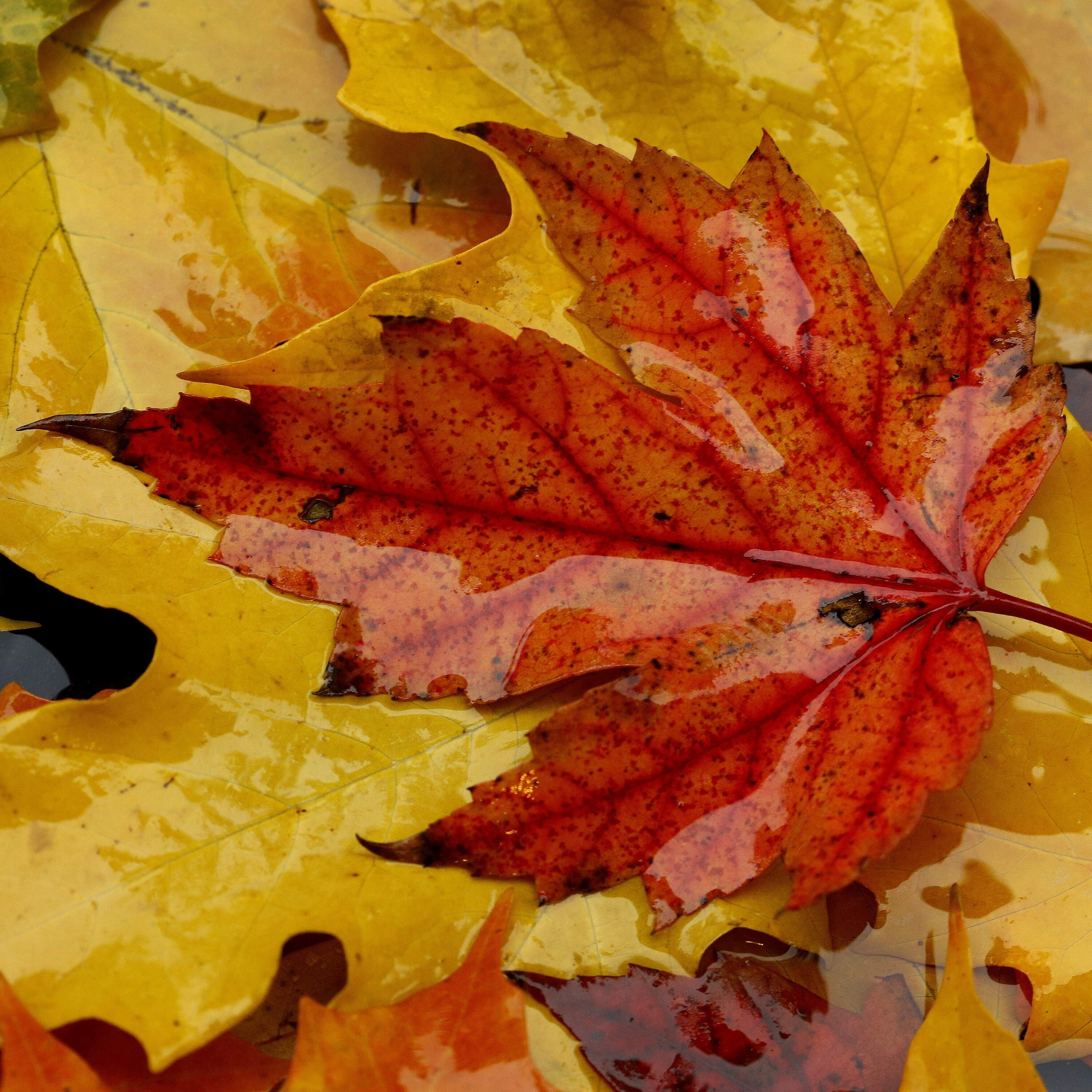
A fall mystery: why do only certain leaves turn red?
Evaluation and Summary
Short Wave tackles a deceptively simple autumn question: why do some leaves turn red in fall while others turn yellow? The episode, reported by NPR science correspondent Nell Greenfieldboyce, explains the basic mechanism behind leaf color change. Yellow and orange pigments (carotenoids and xanthophyll) are present in leaves year-round but masked by chlorophyll during growing season. When chlorophyll breaks down in autumn, these hidden yellows are revealed—a passive process requiring no extra energy from the plant. Red pigments, however, tell a different story. Leaves must actively synthesize new red pigments (anthocyanins) as they die, expending precious resources in the process. This raises the central mystery the episode explores: why would a dying leaf invest energy to produce red coloration when it's about to fall off the tree anyway? The episode presents leading scientific hypotheses attempting to answer this puzzle. While the show notes don't detail which specific theories are discussed, the framing suggests Greenfieldboyce explores the evolutionary and physiological reasons behind this seemingly wasteful process. The episode is positioned as seasonal science content, appealing to listeners curious about natural phenomena they observe directly. At 14 minutes, it's a compact exploration suitable for casual listening. The episode invites further engagement by encouraging listeners to email ideas about seasonal science topics, positioning itself within a broader conversation about natural cycles and scientific inquiry.
Verdict: A well-executed short science explainer that delivers genuine curiosity-sparking content with accurate fundamentals and clear presentation, though the brevity limits depth of hypothesis exploration.
Science rubric
-
Scientific accuracy 3/5 20%
The basic science presented (chlorophyll breakdown revealing yellows, anthocyanin synthesis for reds) is accurate; however, the show notes don't specify which hypotheses are discussed or how rigorously they're evaluated.
-
Clarity for non-experts 4/5 20%
The premise is explained accessibly (hidden pigments vs. new pigment production), and Greenfieldboyce is known for clear science communication; the framing makes the mystery immediately relatable.
-
Sense of discovery 4/5 15%
The core insight—that red requires active synthesis while yellow is passive—is genuinely counterintuitive and likely novel to most listeners; the 'why' remains open-ended.
-
Substance 3/5 15%
At 14 minutes, the episode covers the phenomenon and presents hypotheses, but limited runtime likely means surface-level treatment of competing theories rather than deep exploration.
-
Delivers on its title 5/5 15%
Title promises explanation of why certain leaves turn red; the episode directly addresses this mystery and the contrast with yellow leaves.
-
Value for time 4/5 15%
14 minutes is appropriate for the topic scope; tight format avoids padding while covering the essential mystery and scientific context.
Worth it if you enjoy bite-sized seasonal science mysteries that reframe everyday observations through a scientific lens.
Based on the episode description. AI-generated; it can be wrong.
Show notes
More from Short Wave

Short Wave explores a significant gap in ADHD diagnosis: the exclusion of emotional dysregulation from the DSM diagnostic criteria, despite clinical recognition of this symptom since the 1970s. The episode features Dr. Sasha Hamdani, who discusses her book "Too Sensitive" and explains the neuroscience behind Rejection…
Worth it if you have ADHD, suspect you might, or are interested in how diagnostic criteria get shaped by measurement convenience rather than clinical reality.

Short Wave tackles the nuanced question of screen time's effects on young people's brain development, challenging the prevailing narrative that all screen time is harmful. The episode features an interview with the author of a study that found a positive relationship between screen time and brain development—a…
Worth it if you're a parent or educator tired of one-sided screen-time warnings and want evidence-based perspective on what actually matters.
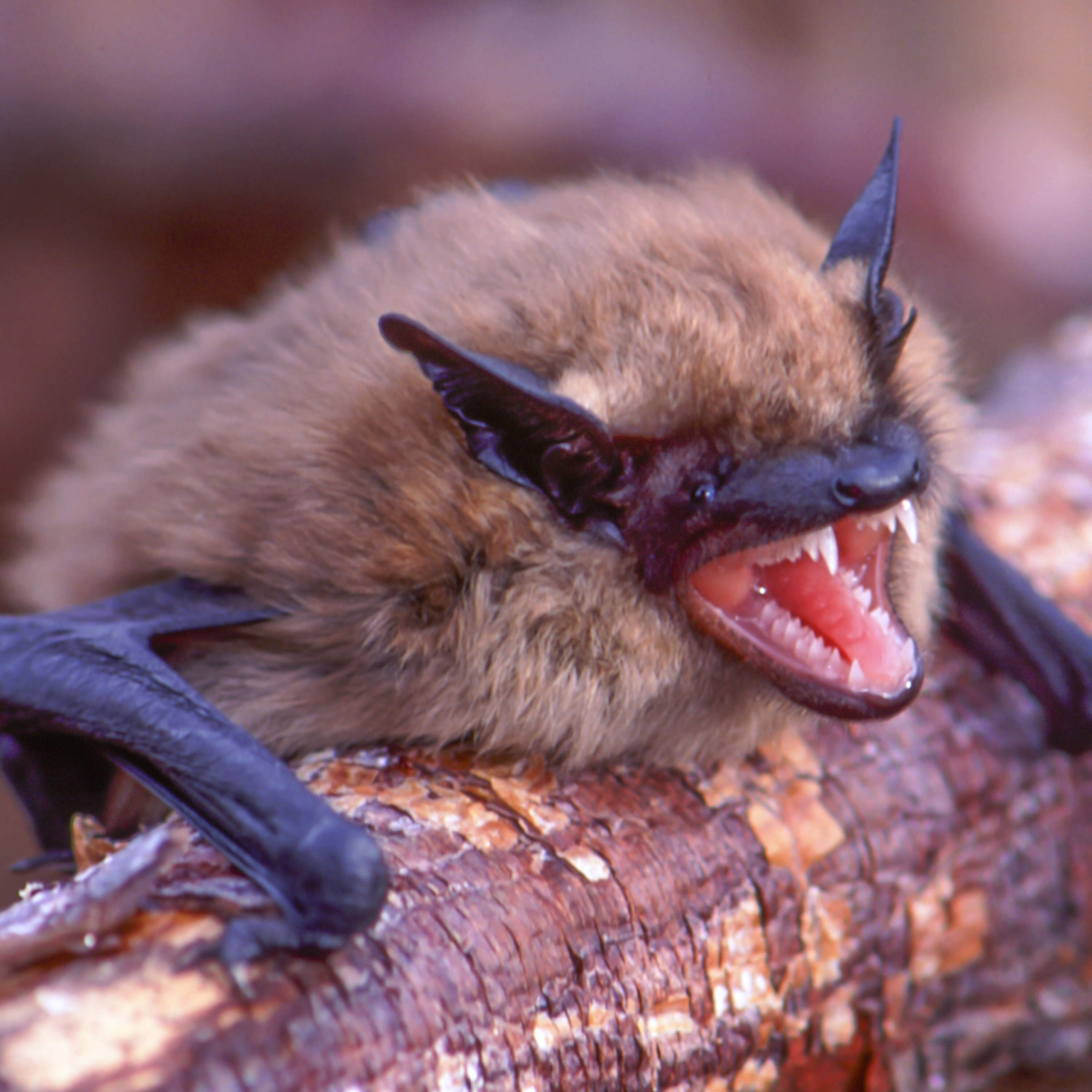
Short Wave explores white nose syndrome, a fungal disease devastating little brown bat populations across the U.S. over the past decade, bringing some colonies to near extinction. The episode centers on recent research by conservation biologist Giorgia Auteri and her team, who discovered genetic mutations in bats that…
Worth it if you're interested in wildlife conservation, evolutionary biology, or how natural selection operates in real-time ecological crises.

Short Wave's 10-minute episode explores a recent scientific finding that eating alone may cause blood sugar spikes compared to eating socially with others. The episode frames this discovery within the broader context of social eating's health benefits—lower stress, decreased inflammation, and even increased…
Worth it if you enjoy bite-sized science news about health and social behavior and don't need deep technical detail.

Short Wave's 14-minute episode explores the surprising frequency of new species discoveries on Earth, prompted by the recent announcement of a newly identified cat species—the first in over a century. The episode features John Wiens, a professor of ecology and evolutionary biology at the University of Arizona, who…
Worth it if you enjoy bite-sized science news that connects current events (the cat discovery) to broader questions about biodiversity and want a quick, engaging introduction to how much life remains unknown on Earth.
Short Wave tackles the inflammation hype cycle that dominates wellness social media. The episode brings on immunologist Shruti Naik to fact-check viral claims about inflammation as a catch-all explanation for bloating, fatigue, digestive issues, and serious diseases like Alzheimer's and cardiovascular disease. The…
Worth it if you're tired of inflammation claims flooding your social media and want a quick, expert-backed reality check on what's actually scientifically sound.