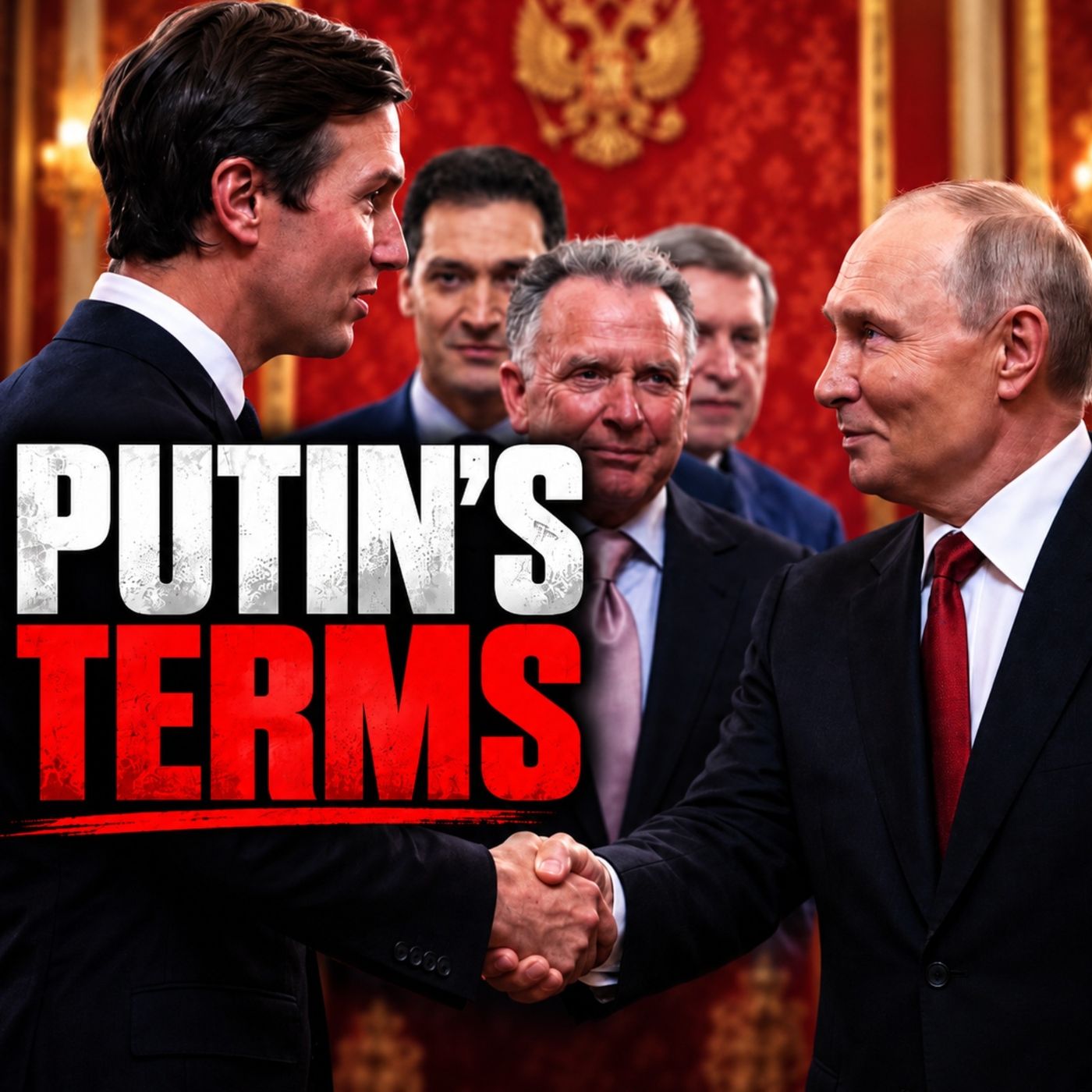
Is Washington Negotiating Russia’s Terms to Ukraine? | EYES ON GEOPOLITICS
Evaluation and Summary
The Team House convenes a panel including Mick Mulroy (defense/security expert), Jon Hackett (journalist), Marc P, and Andy Milburn to discuss urgent U.S. geopolitical and defense challenges. The episode opens with recent diplomatic moves—Witkoff and Kushner meeting Putin in Moscow—and questions whether Washington is effectively negotiating or simply carrying Russia's terms to Ukraine. The hosts examine what concessions the U.S. may have made in exchange for Robert Gilman's release and what U.S. allies are learning from these negotiations. The conversation shifts to Ukraine's strategy of striking Russian oil infrastructure and how the Russia-Ukraine and Iran conflicts are interconnected. A significant portion focuses on Iran's missile threats to U.S. Navy vessels, including skepticism about claims that Iran's missiles are truly hypersonic, and the consequences if such weapons successfully strike American ships. The episode's core concern emerges: America's depleted stockpiles of Patriot and THAAD interceptors. Drawing on an AEI report, the hosts warn of major U.S. missile defense shortfalls and question whether the Pentagon could sustain simultaneous conflicts—particularly against China—given current inventory levels and global competition for these systems. The discussion expands to systemic Pentagon failures: outdated procurement processes, misallocated spending on legacy weapons systems (V-22s, MRAPs), and whether America's nuclear arsenal would function reliably if needed. The hosts critique the defense industrial base's inability to scale production quickly enough for modern threats and debate whether autonomous warfare represents a necessary evolution or dangerous escalation. Throughout, the panel emphasizes that Ukraine's ongoing conflict is exposing critical gaps in U.S. defense readiness, industrial capacity, and strategic planning. The episode concludes by questioning whether the Pentagon will finally reform before facing a potential conflict with China. The show notes list 19 distinct segments, suggesting broad topical coverage but also potential for scattered focus.
Verdict: A timely, expert-led discussion of urgent defense and geopolitical issues that delivers solid policy analysis but sacrifices depth and narrative coherence by cramming too many topics into one hour.
History rubric
-
Research depth 3/5 20%
References an AEI report on missile defense shortfalls and draws on panelists' professional backgrounds (Mulroy in defense, Milburn's military experience), but show notes don't indicate primary source interviews or deep archival work.
-
Storytelling 2/5 20%
Structured as a topical checklist with 19 segment breaks; likely moves rapidly between issues without sustained narrative arc or vivid detail.
-
Context and nuance 3/5 15%
Shows awareness of complexity (e.g., skepticism about 'hypersonic' claims, interconnected wars, systemic procurement issues) but the breadth of topics in 60 minutes suggests limited depth per issue.
-
Substance 3/5 15%
Dense with policy topics and expert perspectives, but 19 segments in 60 minutes (average 3 min each) raises concerns about padding and whether each topic receives substantive treatment.
-
Delivers on its title 4/5 15%
Title promises analysis of U.S.-Russia-Ukraine negotiations; episode delivers that in opening segments but expands significantly into Iran, missile stocks, and Pentagon reform, partially diluting focus.
-
Value for time 2/5 15%
Ambitious agenda covering diplomacy, Iran, interceptor stockpiles, procurement, autonomous warfare, and nuclear readiness suggests either rushed pacing or substantial filler to fill 60 minutes.
Worth it if you follow U.S. defense policy closely and want rapid-fire expert takes on current crises, but skip if you prefer deep dives into single topics.
Based on the episode description. AI-generated; it can be wrong.
Show notes
More from The Team House

This 59-minute geopolitical analysis episode opens with a mysterious B-1B bomber evacuation from RAF Fairford in the UK, framed as the title's central mystery. The hosts discuss suspected covert activity, drone threats, and insider security concerns around the base. They pivot to broader security topics: a resurgence…
Worth it if you enjoy casual military/geopolitical commentary and don't mind unresolved mysteries, but not if you expect investigative reporting or substantive analysis.

The Team House examines the attempted hijacking of Flydubai Flight 1073, exploring intelligence failures that preceded the attack, whether Iran or a lone-wolf extremist was responsible, and broader geopolitical implications. The hosts—including security experts Mick Mulroy and Andy Milburn—analyze warning signs missed…
Worth it if you follow Middle East geopolitics closely and want a security-expert perspective on Iran, Iraq, and U.S. military posture, but less essential if you're seeking an in-depth investigation of the Flydubai incident itself.
Julia Curlee, a former DIA and CIA officer who served on the National Security Council, sits down with host Jack Murphy for a nearly two-hour conversation about her career in U.S. intelligence and her experience with what she characterizes as politicization and purges within the intelligence community. The episode…
Worth it if you're interested in firsthand accounts of U.S. intelligence operations in Iraq/Afghanistan, institutional politics within the CIA, or perspectives on Trump-era intelligence community changes.
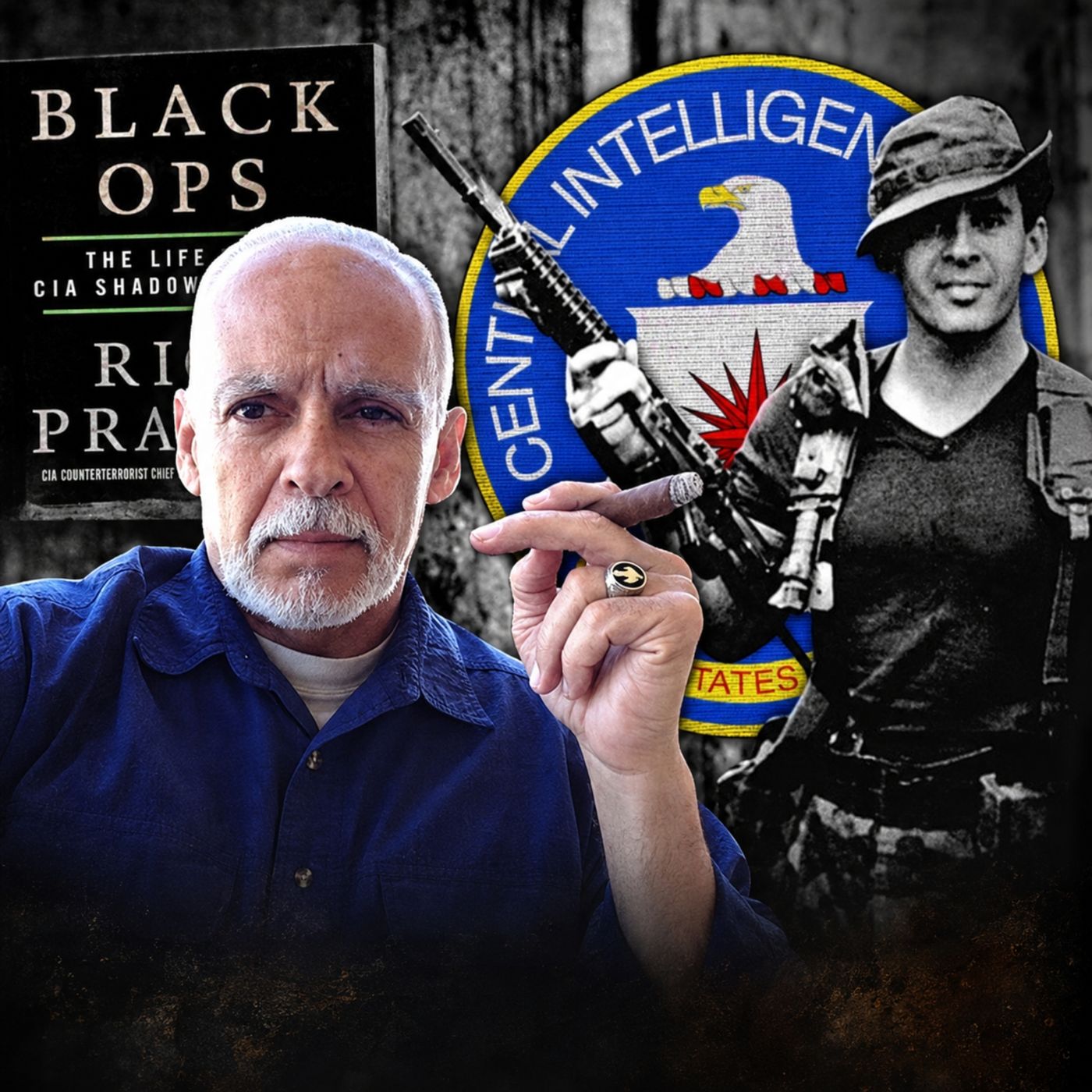
This is a 2h 25m interview with Ric Prado, a former CIA operations officer with over two decades of experience in counterterrorism, paramilitary operations, and covert intelligence work. The episode traces Prado's career arc chronologically, beginning with his escape from Castro's Cuba as a child, his service in the…
Worth it if you're interested in CIA history, Cold War operations, counterterrorism, or first-hand accounts of covert U.S. foreign policy from someone directly involved.
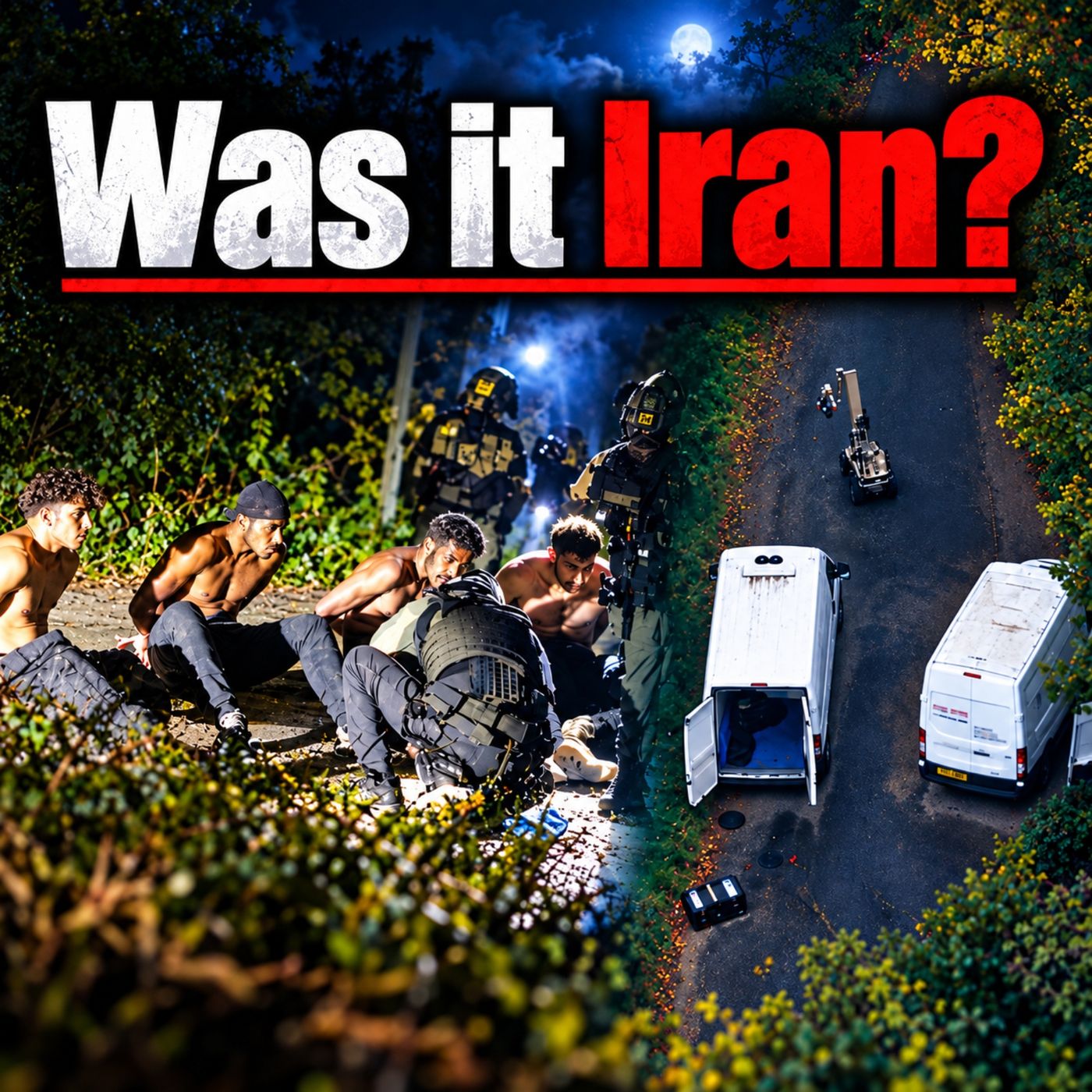
The Team House examines a suspected terror plot near RAF Fairford involving five men arrested in the UK, exploring whether Iran orchestrated the operation through criminal proxies. The episode opens with the immediate facts of the arrest and quickly pivots to the broader geopolitical context: Iranian recruitment of…
Worth it if you follow Iran policy, Middle East security, or want expert analysis of how criminal proxies fit into state coercion and U.S. strategic options.
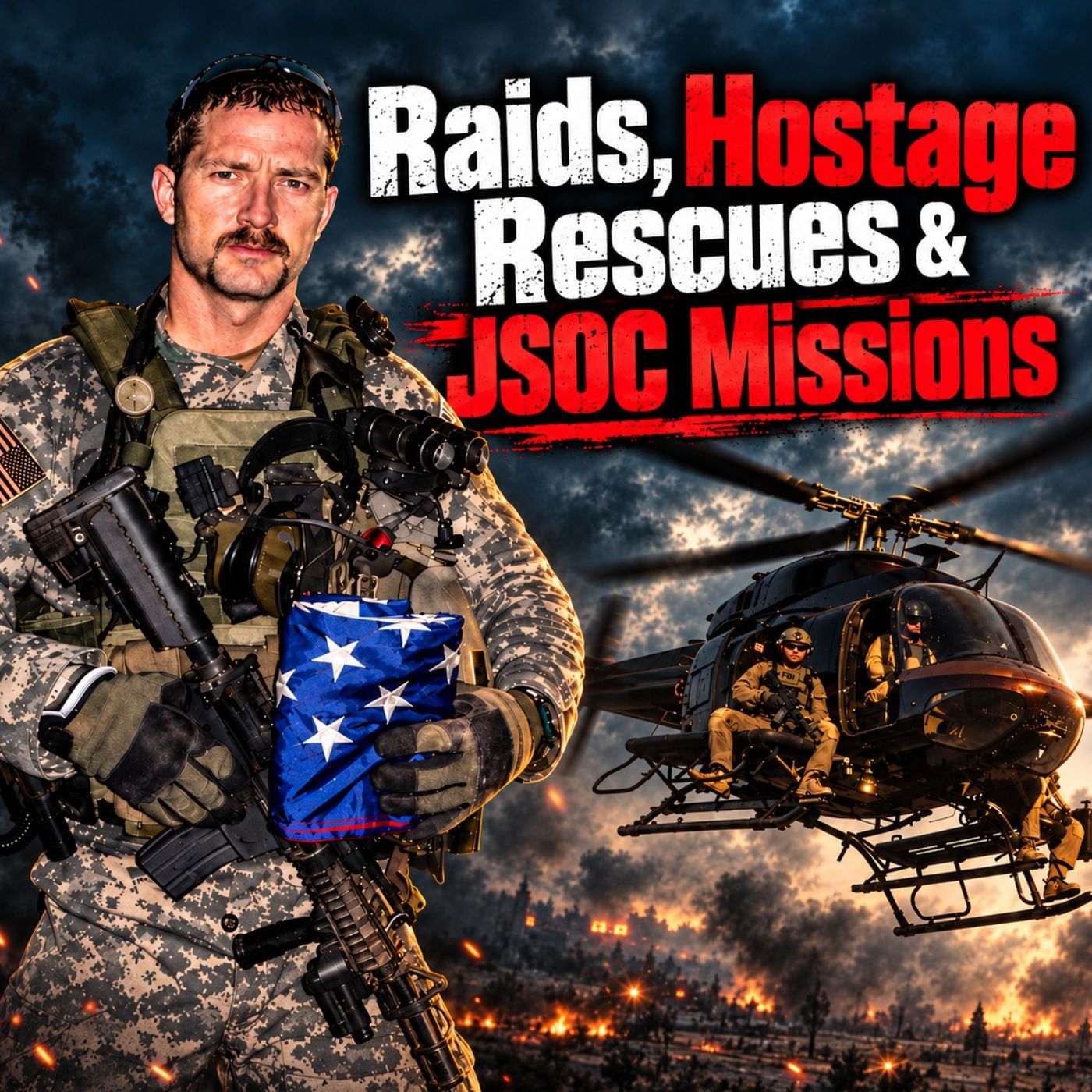
Kyle Vowinkel, a 25-year FBI veteran, sits down with host Jack Murphy to recount his career trajectory from West Point through counterintelligence, FBI SWAT, and ultimately the elite Hostage Rescue Team (HRT). The episode is structured chronologically, beginning with his upbringing in San Diego and rebellious youth,…
Worth it if you're interested in FBI operations, hostage rescue tactics, leadership under pressure, or detailed accounts of major incidents like the Boston Marathon bombing and Alabama bunker crisis.