
Why Did U.S. B-1B Bombers Suddenly Leave the UK? | EYES ON GEOPOLITICS
Evaluation and Summary
This 59-minute geopolitical analysis episode opens with a mysterious B-1B bomber evacuation from RAF Fairford in the UK, framed as the title's central mystery. The hosts discuss suspected covert activity, drone threats, and insider security concerns around the base. They pivot to broader security topics: a resurgence of aircraft hijacking attempts, copycat attacks, and AI-enabled radicalization; drone swarm vulnerabilities and NATO implications; and America's lagging drone innovation despite a startup boom. The episode then shifts to a pneumonic plague death at a Russian research facility, connecting it to Russia's biological weapons history (Novichok, polonium assassinations) and speculating on AI and microfluidics enabling future bioweapons. A substantial segment examines the John Chapman/SEAL Team Six Medal of Honor controversy—whether Chapman deserves the award, legal and optics challenges to revisiting it, and the politicization of GWOT valor awards more broadly. The final third addresses U.S. Iraq policy: what troops were still doing there post-ISIS, how withdrawal shifted focus to containing Iran, and how the Iraq War strengthened Iranian influence. The hosts discuss the CIA's Syria program (Timber Sycamore), an "untold intelligence war," and conclude by noting how Sykes-Picot colonial borders still shape Middle Eastern geopolitics. A brief mention of SAS operations in Northern Ireland appears at the end. The episode features two hosts (Jack and Jon Hackett, a Small Wars Journal contributor and author) in conversational format with sponsor reads (VAER Watches, Patreon). The structure is topical rather than narrative—rapid-fire geopolitical hot takes loosely connected by a security/military lens. The B-1B evacuation serves as a hook but receives only ~3 minutes of substantive discussion before the episode branches into six or seven unrelated security topics. No primary sources, declassified documents, or expert interviews are mentioned; the analysis relies on hosts' commentary and inference. The episode promises investigation into "why" bombers left but offers only speculation about drone threats and covert activity without resolution or definitive reporting.
Verdict: A geopolitical grab-bag with an intriguing title that fails to deliver; shallow speculation on multiple topics without research depth, primary sources, or narrative coherence.
History rubric
-
Research depth 2/5 20%
Relies on hosts' commentary and inference rather than primary sources, declassified documents, or named expert interviews; references one Small Wars Journal article but no deep sourcing evident.
-
Storytelling 2/5 20%
Rapid-fire topic-hopping with minimal narrative arc; opens with B-1B mystery but abandons it after 3 minutes for disconnected geopolitical segments.
-
Context and nuance 2/5 15%
Speculative framing ("suspected," "mysterious") without exploring competing explanations; treats complex issues like Iraq policy and Medal of Honor politics as talking points rather than nuanced analysis.
-
Substance 2/5 15%
Covers many topics but spends only 2–5 minutes per segment; heavy sponsor reads and banter; lacks depth or original reporting on any single claim.
-
Delivers on its title 1/5 15%
Title promises explanation of B-1B evacuation; episode offers only speculation about drone threats and covert activity without answering the central question or providing reporting.
-
Value for time 2/5 15%
59 minutes covering 7+ topics superficially; could be tightened significantly; pacing favors breadth over depth.
Worth it if you enjoy casual military/geopolitical commentary and don't mind unresolved mysteries, but not if you expect investigative reporting or substantive analysis.
Content flags
- Clickbait Title promises explanation of B-1B bomber evacuation; episode speculates but never resolves the mystery or provides reporting to justify the headline.
Based on the episode description. AI-generated; it can be wrong.
Show notes
More from The Team House
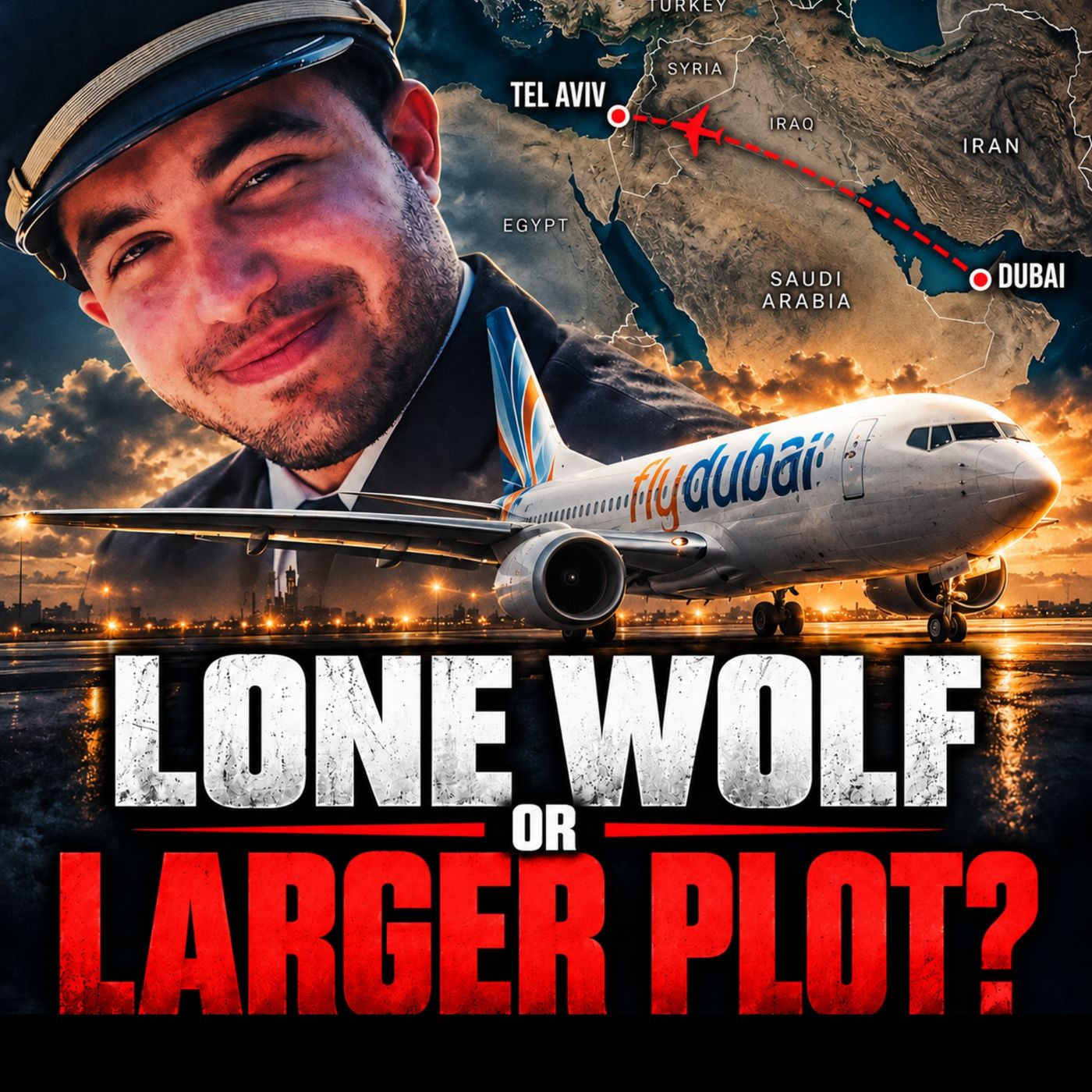
The Team House examines the attempted hijacking of Flydubai Flight 1073, exploring intelligence failures that preceded the attack, whether Iran or a lone-wolf extremist was responsible, and broader geopolitical implications. The hosts—including security experts Mick Mulroy and Andy Milburn—analyze warning signs missed…
Worth it if you follow Middle East geopolitics closely and want a security-expert perspective on Iran, Iraq, and U.S. military posture, but less essential if you're seeking an in-depth investigation of the Flydubai incident itself.
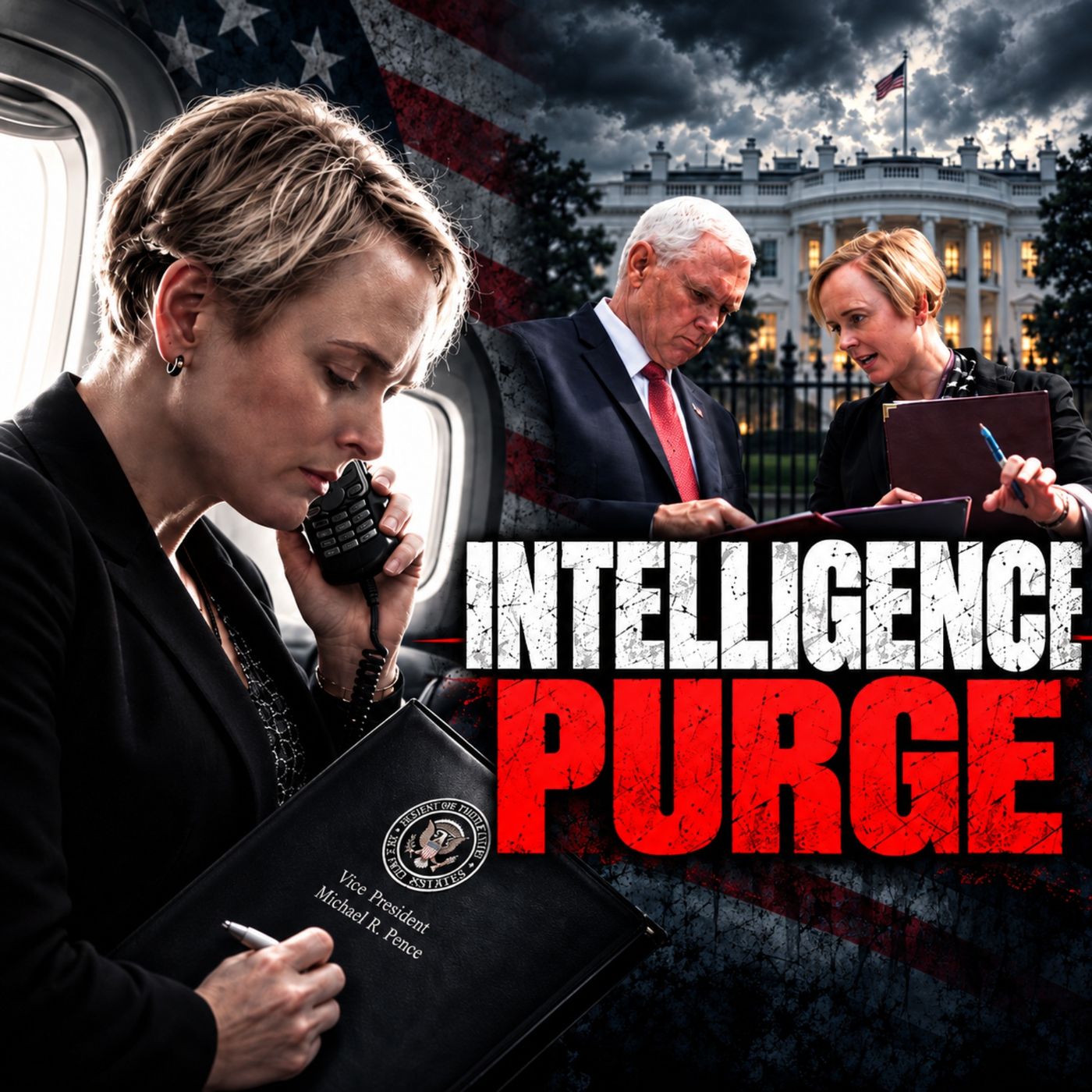
Julia Curlee, a former DIA and CIA officer who served on the National Security Council, sits down with host Jack Murphy for a nearly two-hour conversation about her career in U.S. intelligence and her experience with what she characterizes as politicization and purges within the intelligence community. The episode…
Worth it if you're interested in firsthand accounts of U.S. intelligence operations in Iraq/Afghanistan, institutional politics within the CIA, or perspectives on Trump-era intelligence community changes.
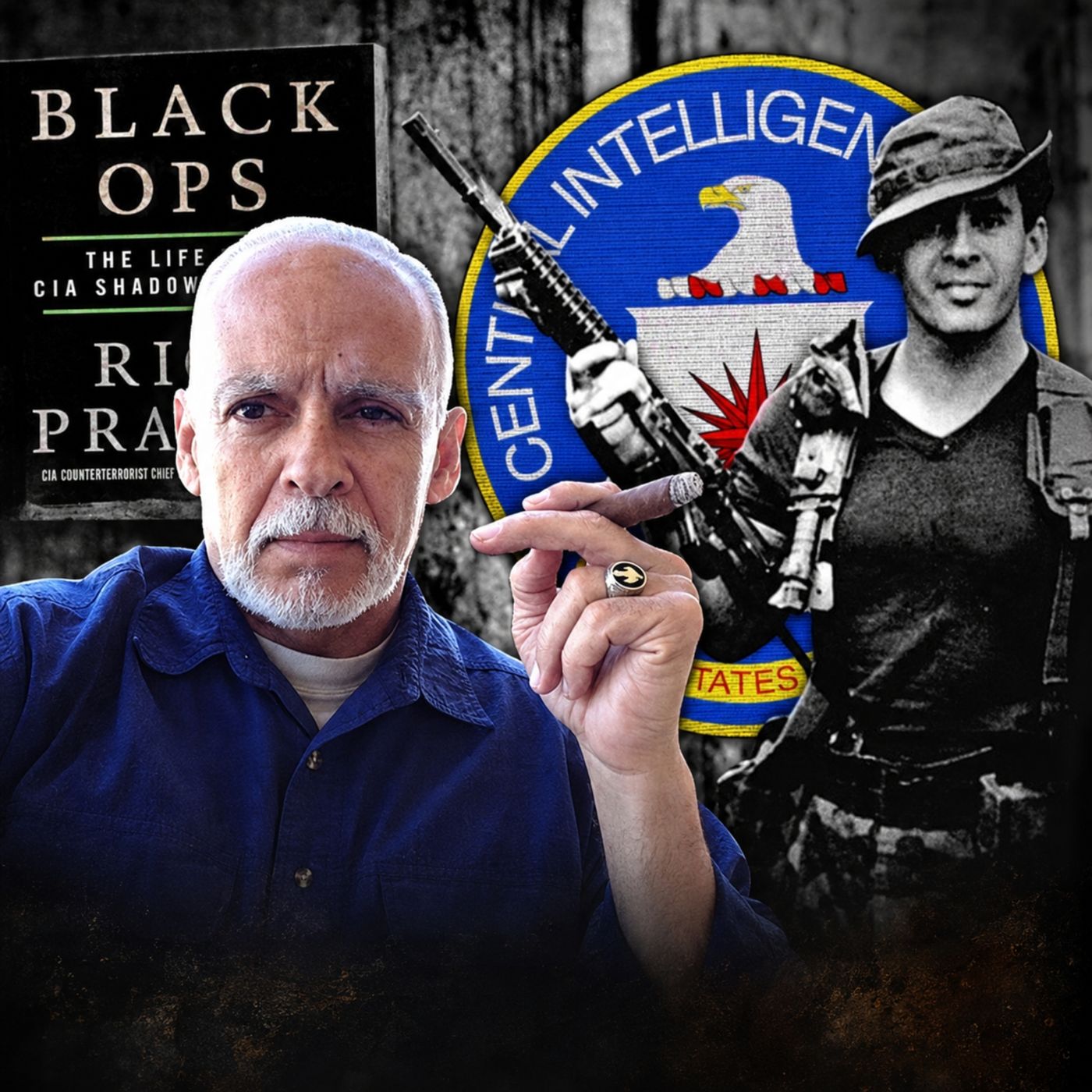
This is a 2h 25m interview with Ric Prado, a former CIA operations officer with over two decades of experience in counterterrorism, paramilitary operations, and covert intelligence work. The episode traces Prado's career arc chronologically, beginning with his escape from Castro's Cuba as a child, his service in the…
Worth it if you're interested in CIA history, Cold War operations, counterterrorism, or first-hand accounts of covert U.S. foreign policy from someone directly involved.
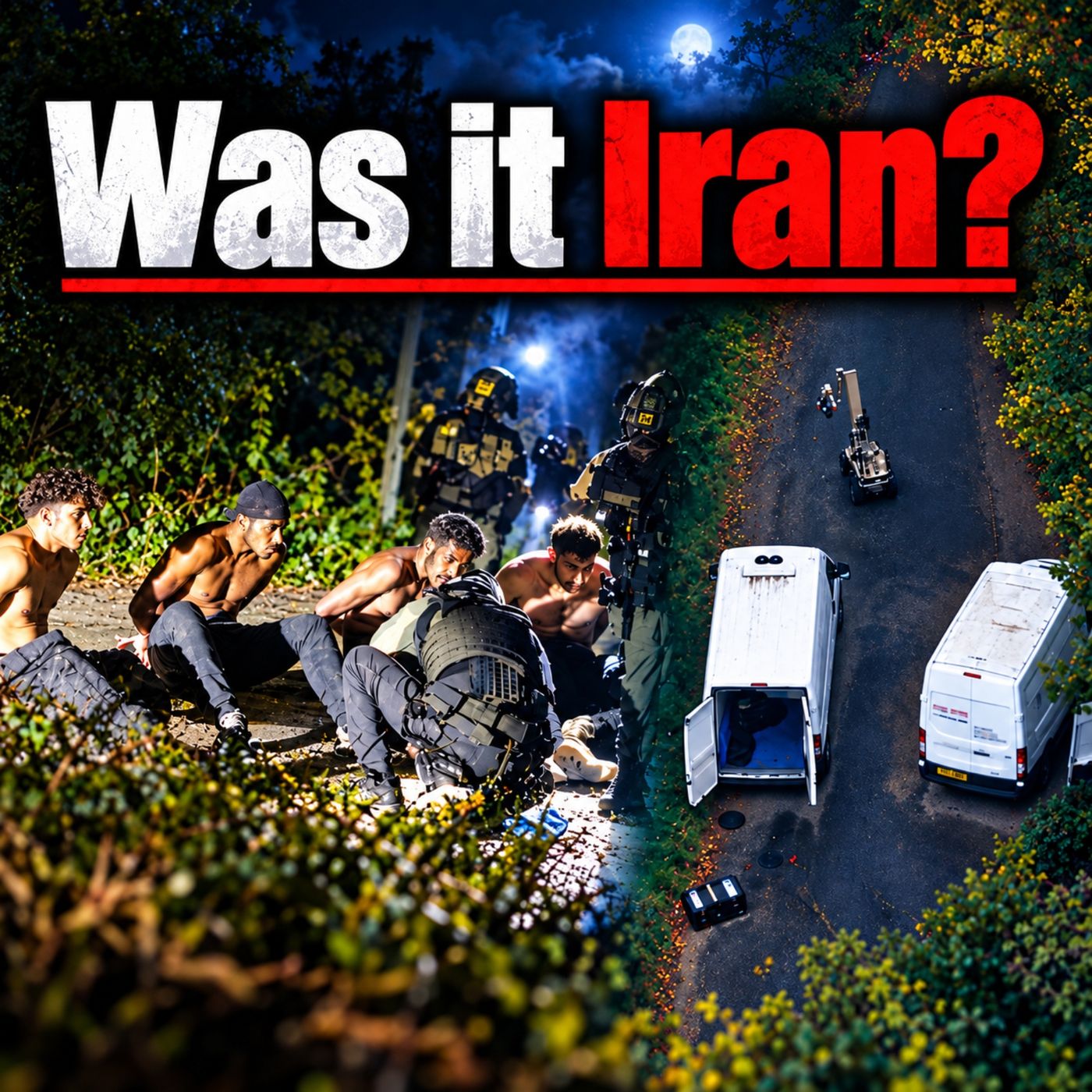
The Team House examines a suspected terror plot near RAF Fairford involving five men arrested in the UK, exploring whether Iran orchestrated the operation through criminal proxies. The episode opens with the immediate facts of the arrest and quickly pivots to the broader geopolitical context: Iranian recruitment of…
Worth it if you follow Iran policy, Middle East security, or want expert analysis of how criminal proxies fit into state coercion and U.S. strategic options.
Kyle Vowinkel, a 25-year FBI veteran, sits down with host Jack Murphy to recount his career trajectory from West Point through counterintelligence, FBI SWAT, and ultimately the elite Hostage Rescue Team (HRT). The episode is structured chronologically, beginning with his upbringing in San Diego and rebellious youth,…
Worth it if you're interested in FBI operations, hostage rescue tactics, leadership under pressure, or detailed accounts of major incidents like the Boston Marathon bombing and Alabama bunker crisis.
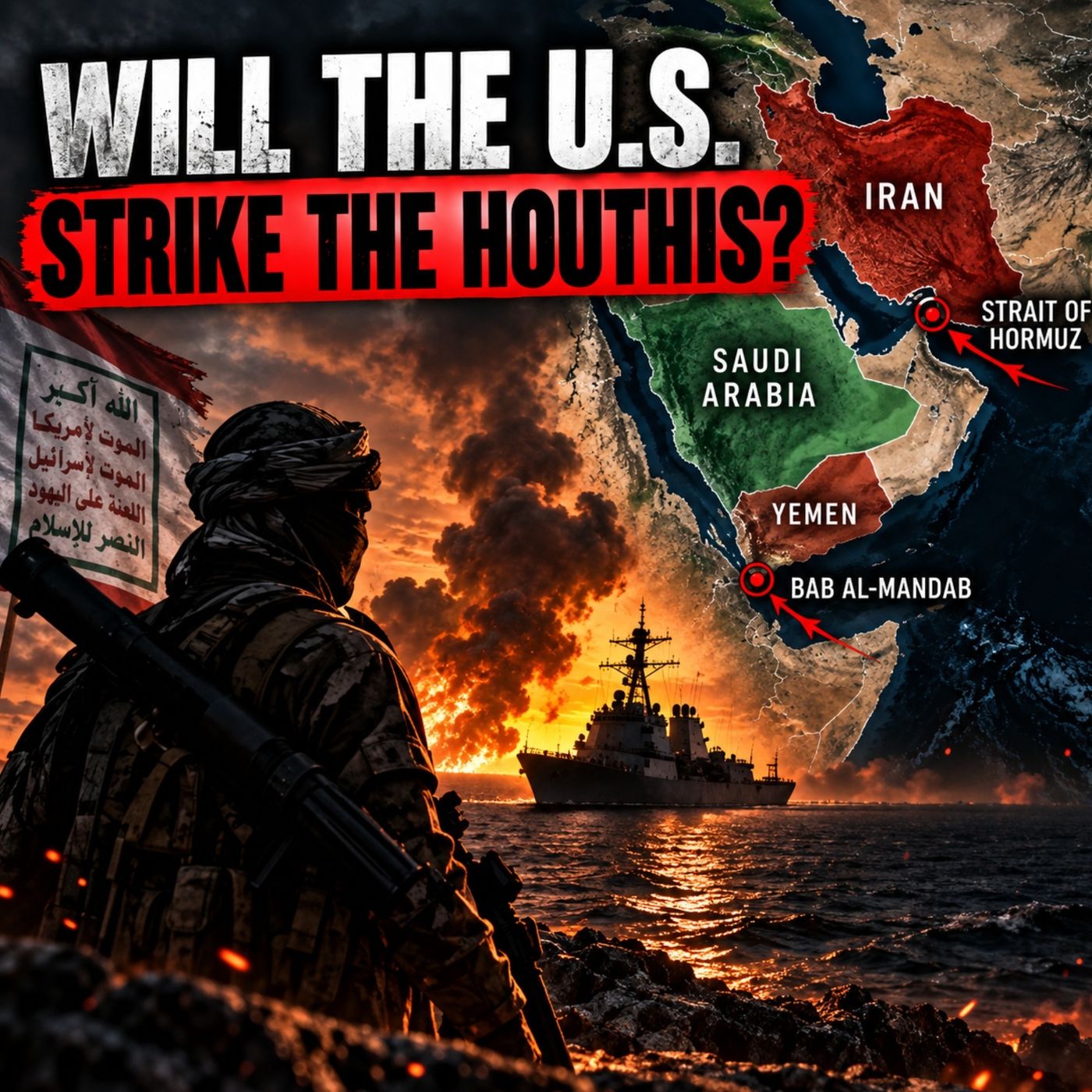
The Team House convenes a panel of geopolitical experts—including Mick Mulroy (former Deputy Assistant Secretary of Defense), Andy Milburn (former Marine officer and author), and others—to dissect multiple overlapping global crises. The episode's primary focus is the escalating Houthi campaign against Saudi Arabia and…
Worth it if you follow geopolitics closely and want rapid expert perspective on interconnected global crises, but less valuable if you seek deep dives into any single issue.