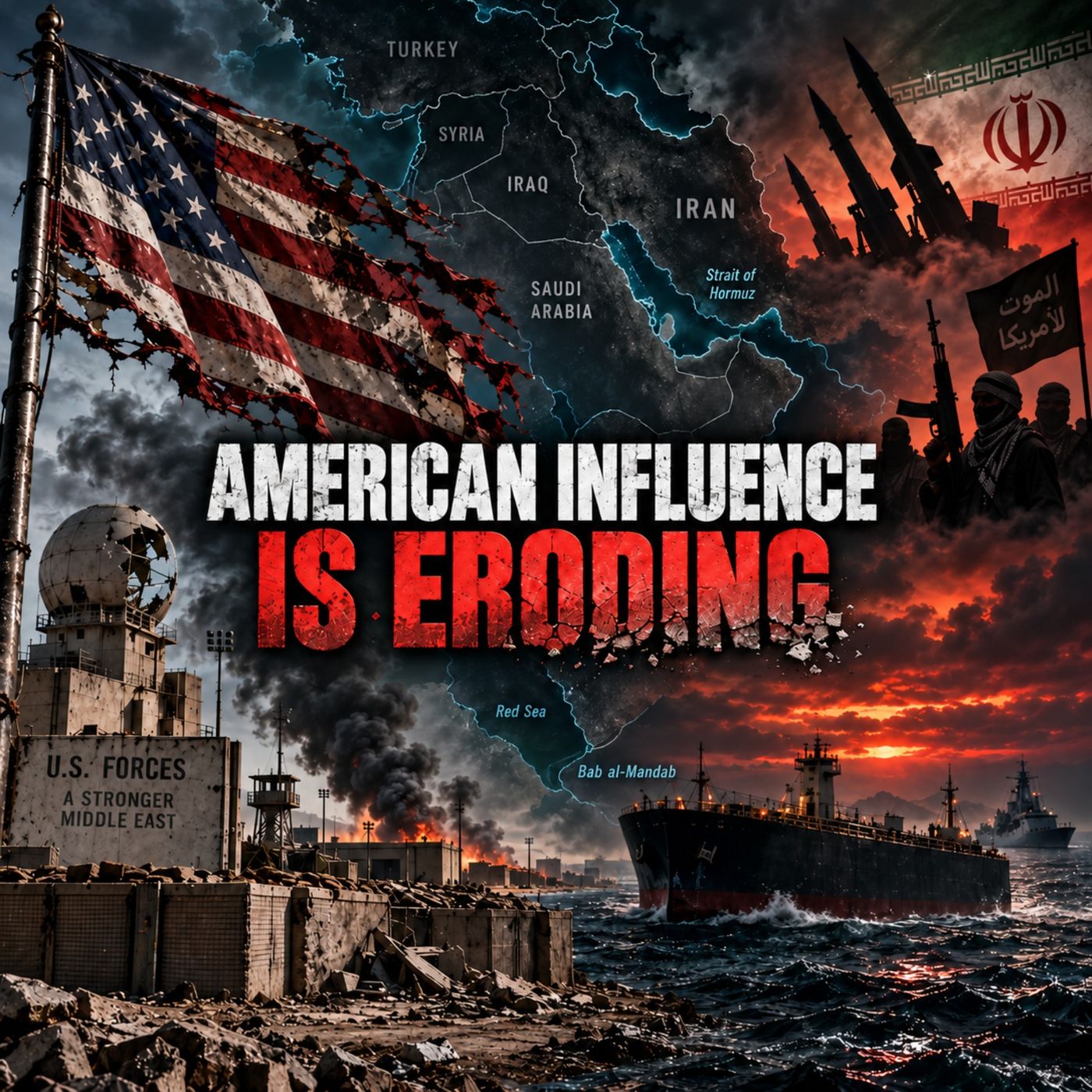
Is America's Influence Eroding? | EYES ON GEOPOLITICS
Evaluation and Summary
The Team House assembles a panel of geopolitical experts—including Mick Mulroy (former CIA/DoD), Andy Milburn (former Marine), and others—to examine whether American influence in the Middle East and globally is genuinely eroding. The episode opens with Russia's evolving espionage tactics: using gig-economy recruits and online networks to conduct assassination and violence operations, a shift from Cold War proxy models. The hosts explore how foreign governments hire proxies for targeted killings and how intelligence services gradually escalate vulnerable recruits through online channels. They pivot to Iran's strategic gains, noting that U.S. bases across the Middle East have sustained growing damage, with the Fifth Fleet headquarters in Bahrain described as "effectively abandoned." The discussion questions whether deterrence against Iran has failed and whether Iran has strategically defeated the U.S. in the region. A major focus is the Houthis' control over maritime chokepoints—particularly the Strait of Hormuz—and their leverage despite U.S. military presence. The hosts examine the Mecca Agreement and tensions around who struck Mecca, alongside Saudi Arabia's secret counter-Iran programs. The episode devotes substantial time to the messy legacy of U.S. proxy warfare in Syria, including the Timber Sycamore program, the myth of "moderate rebels," the absurdity of buying Syrian rebels Xboxes, and failed attempts to recover U.S. TOW missiles from warlords. They discuss Assad's use of fear as a weapon and why the Houthis aren't simply Iranian puppets. The final segments cover regional hedging: Saudi vs. Emirati proxy forces in Yemen, Oman's diplomatic role, JSOC operations, failed U.S. strikes during the Soleimani operation, and the UAE's lucrative contracts for former U.S. intelligence personnel to train elite units. The overarching theme is that American power is fragmenting—regional actors are diversifying partnerships, proxy networks are becoming autonomous, and traditional deterrence models are breaking down.
Verdict: A substantive, expert-driven geopolitical analysis that delivers squarely on its title with nuanced discussion of proxy warfare, regional power shifts, and American decline—well-researched and information-dense, though audio quality and pacing cannot be fully verified from notes alone.
History rubric
-
Research depth 4/5 20%
Panel includes credentialed experts (former CIA, DoD, Marines) discussing specific operations (Timber Sycamore, Soleimani strike, TOW missile recovery) with granular detail; relies on insider knowledge rather than primary documents, but sho
-
Storytelling 3/5 20%
Show notes reveal a logical structure moving from espionage tactics to regional power shifts to proxy warfare legacies, but without audio access, engagement level is unclear; the topics are inherently compelling but pacing and narrative arc
-
Context and nuance 4/5 15%
Episode avoids simple 'America vs. Iran' framing; acknowledges Houthis aren't mere proxies, explores regional hedging by Saudi/UAE/Oman, discusses failed deterrence and unintended consequences of proxy programs, and examines complexity of A
-
Substance 4/5 15%
51 minutes packed with specific case studies (Timber Sycamore, TOW missiles, Mecca Agreement, JSOC operations, UAE mercenary contracts), multiple regional actors analyzed, and concrete examples (Xboxes for rebels, Fifth Fleet abandonment);
-
Delivers on its title 5/5 15%
Title 'Is America's Influence Eroding?' is directly answered through systematic examination of military presence decline, failed deterrence, regional hedging, proxy autonomy, and strategic losses in the Middle East—the episode comprehensive
-
Value for time 4/5 15%
51 minutes covers espionage, Iran strategy, Houthis, Syria legacy, Yemen factions, and UAE operations with expert commentary; dense with information and specific examples, though some segments (e.g., closing plugs) add minor padding.
Worth it if you follow Middle East geopolitics, want insider perspective on U.S. military strategy failures, or are interested in how proxy networks and intelligence operations actually function beyond mainstream media narratives.
Based on the episode description. AI-generated; it can be wrong.
Show notes
More from The Team House

This 59-minute geopolitical analysis episode opens with a mysterious B-1B bomber evacuation from RAF Fairford in the UK, framed as the title's central mystery. The hosts discuss suspected covert activity, drone threats, and insider security concerns around the base. They pivot to broader security topics: a resurgence…
Worth it if you enjoy casual military/geopolitical commentary and don't mind unresolved mysteries, but not if you expect investigative reporting or substantive analysis.
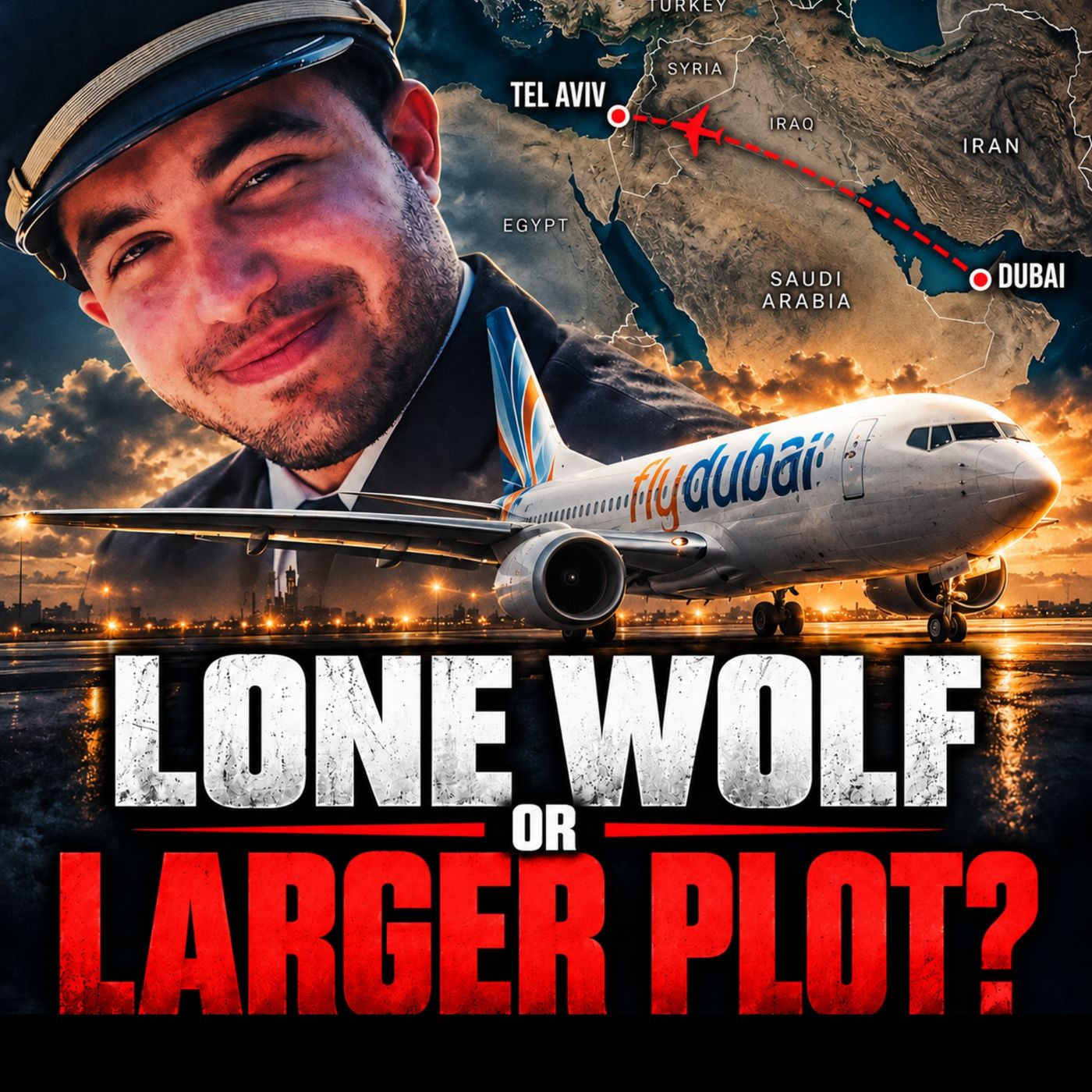
The Team House examines the attempted hijacking of Flydubai Flight 1073, exploring intelligence failures that preceded the attack, whether Iran or a lone-wolf extremist was responsible, and broader geopolitical implications. The hosts—including security experts Mick Mulroy and Andy Milburn—analyze warning signs missed…
Worth it if you follow Middle East geopolitics closely and want a security-expert perspective on Iran, Iraq, and U.S. military posture, but less essential if you're seeking an in-depth investigation of the Flydubai incident itself.
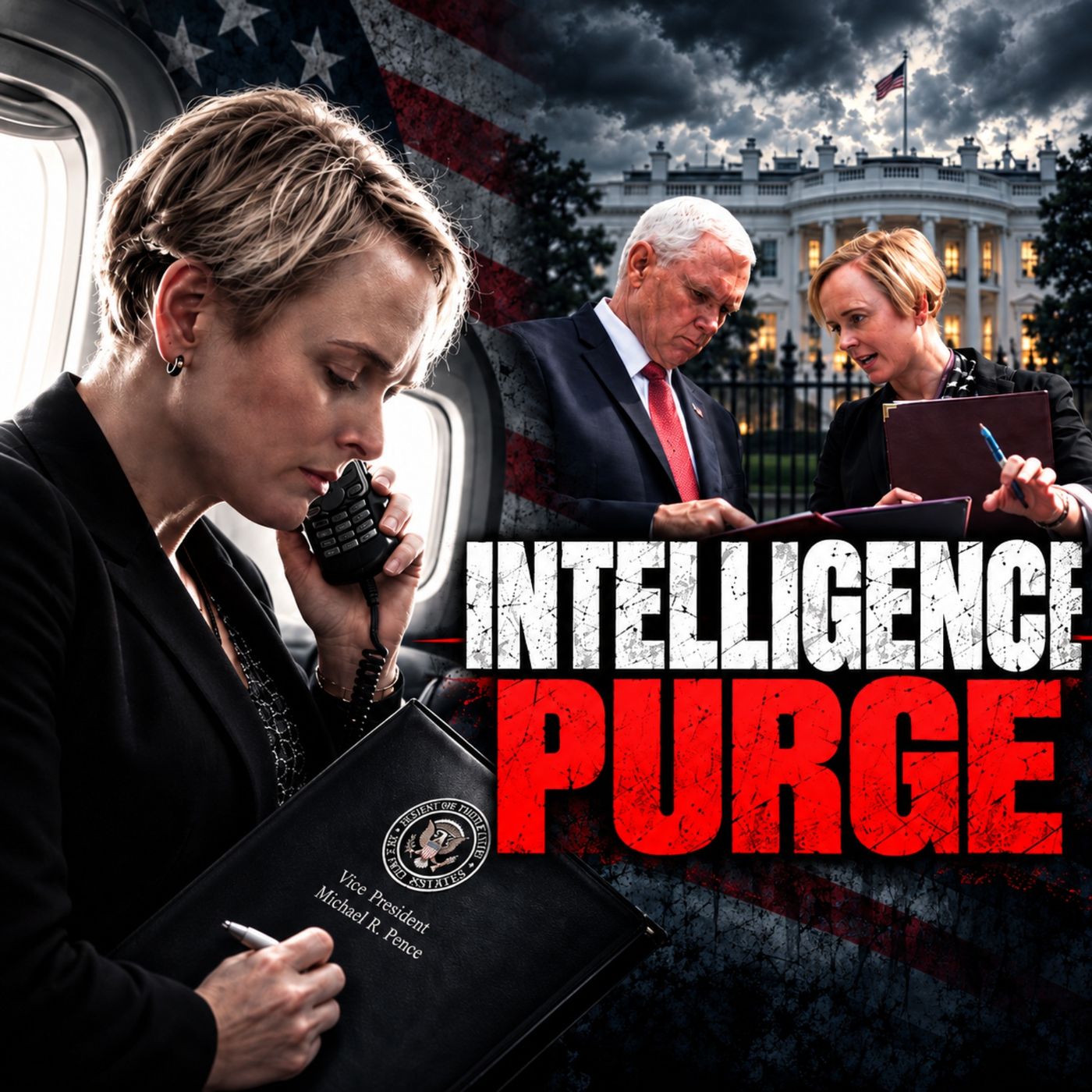
Julia Curlee, a former DIA and CIA officer who served on the National Security Council, sits down with host Jack Murphy for a nearly two-hour conversation about her career in U.S. intelligence and her experience with what she characterizes as politicization and purges within the intelligence community. The episode…
Worth it if you're interested in firsthand accounts of U.S. intelligence operations in Iraq/Afghanistan, institutional politics within the CIA, or perspectives on Trump-era intelligence community changes.
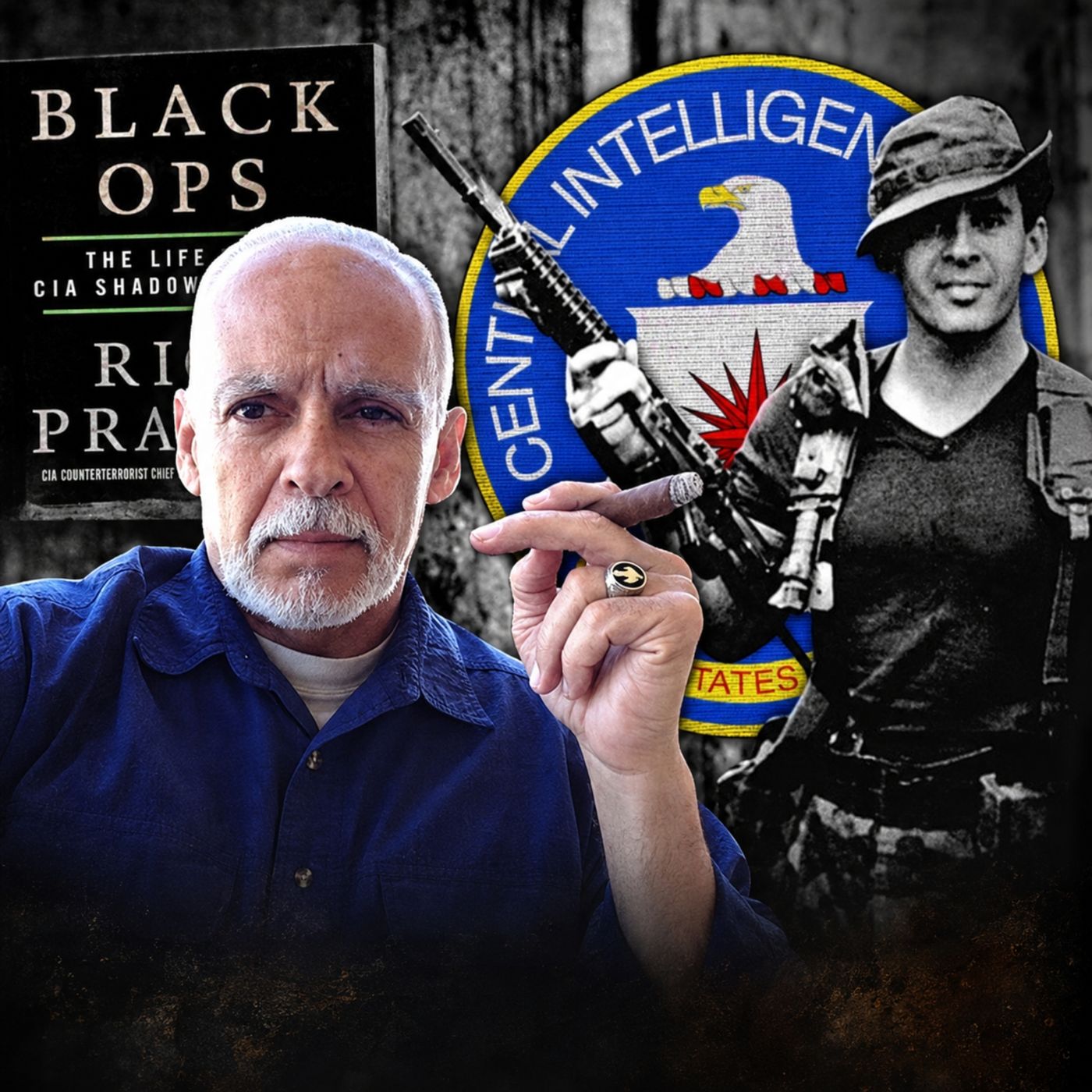
This is a 2h 25m interview with Ric Prado, a former CIA operations officer with over two decades of experience in counterterrorism, paramilitary operations, and covert intelligence work. The episode traces Prado's career arc chronologically, beginning with his escape from Castro's Cuba as a child, his service in the…
Worth it if you're interested in CIA history, Cold War operations, counterterrorism, or first-hand accounts of covert U.S. foreign policy from someone directly involved.
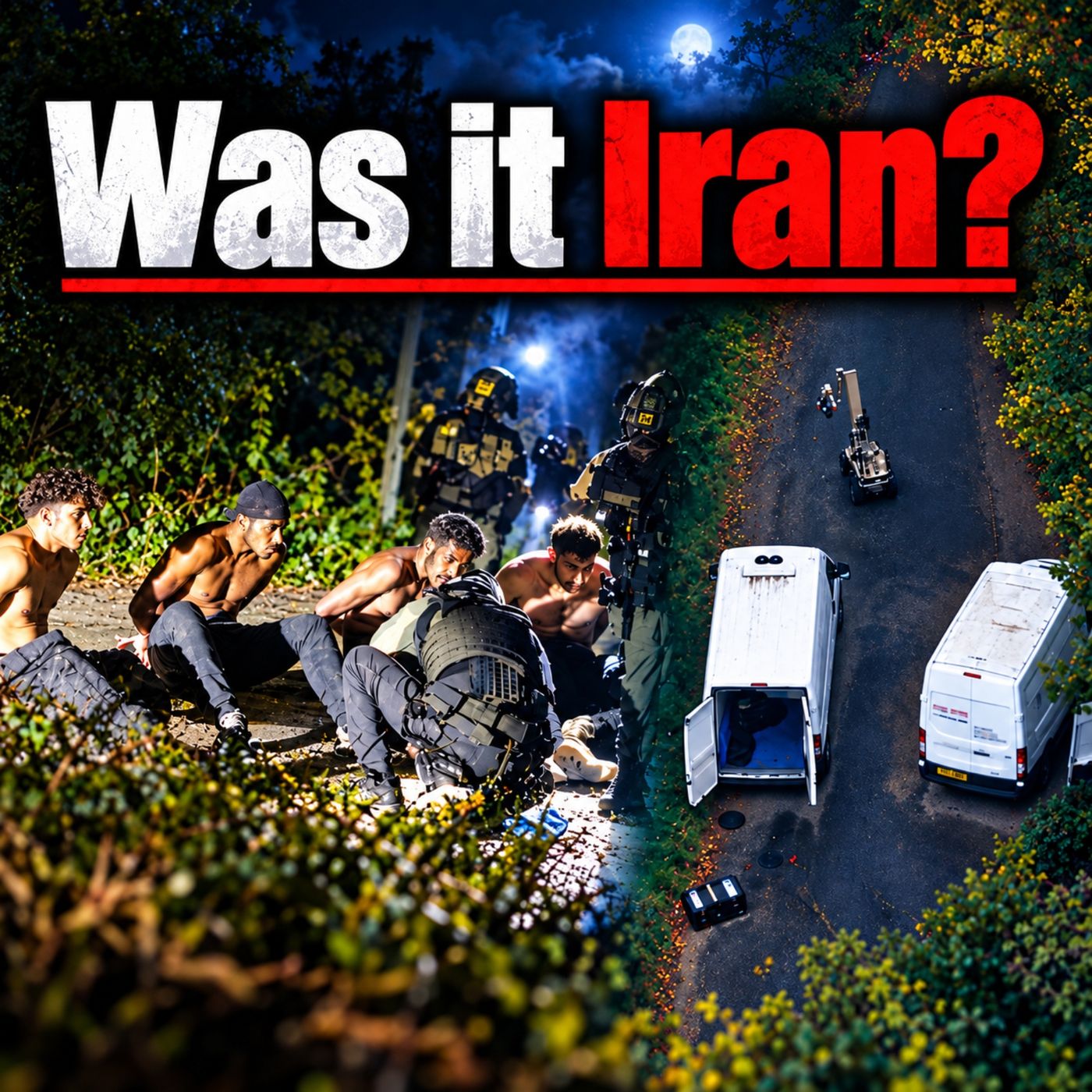
The Team House examines a suspected terror plot near RAF Fairford involving five men arrested in the UK, exploring whether Iran orchestrated the operation through criminal proxies. The episode opens with the immediate facts of the arrest and quickly pivots to the broader geopolitical context: Iranian recruitment of…
Worth it if you follow Iran policy, Middle East security, or want expert analysis of how criminal proxies fit into state coercion and U.S. strategic options.
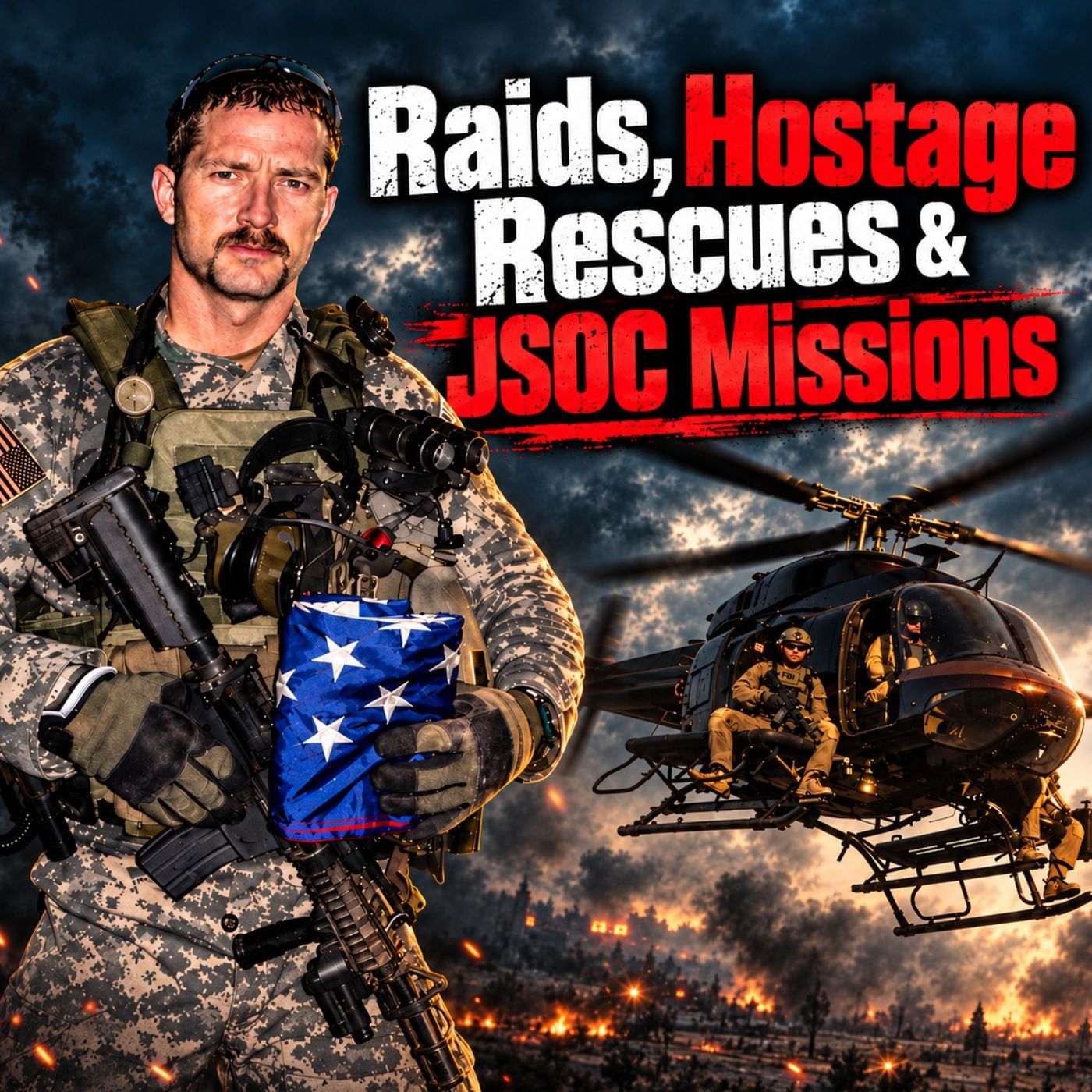
Kyle Vowinkel, a 25-year FBI veteran, sits down with host Jack Murphy to recount his career trajectory from West Point through counterintelligence, FBI SWAT, and ultimately the elite Hostage Rescue Team (HRT). The episode is structured chronologically, beginning with his upbringing in San Diego and rebellious youth,…
Worth it if you're interested in FBI operations, hostage rescue tactics, leadership under pressure, or detailed accounts of major incidents like the Boston Marathon bombing and Alabama bunker crisis.