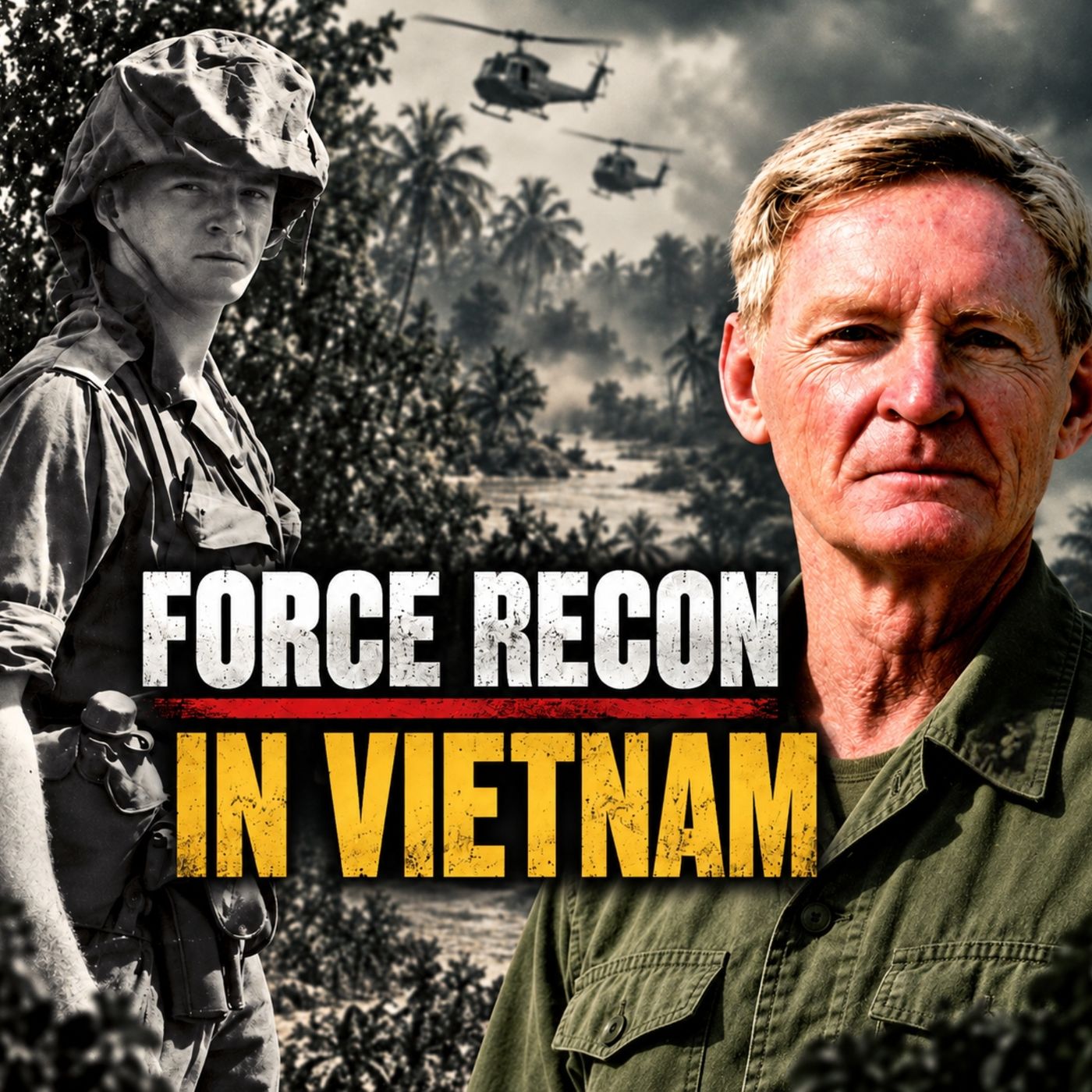
Force Recon in Vietnam & Is WW3 Actually Possible? | Bing West
Evaluation and Summary
The Team House hosts Bing West, a decorated Force Recon Marine, author, and defense policy veteran with firsthand experience spanning Vietnam, the Reagan administration, Iraq, and Afghanistan. The episode opens with West's personal military history: his service in Vietnam's DMZ, nearly 400 days embedded in a Combined Action Platoon within a Vietnamese village, and combat during the Tet Offensive. West reflects on tactical lessons from small-unit warfare and argues the war could have been won at the squad level, blaming Lyndon Johnson's strategic failures rather than tactical incompetence. The conversation then broadens to America's pattern of repeating strategic mistakes—what West calls the "Jupiter Complex" of American power—citing examples from Somalia under Reagan through Iraq and Afghanistan. West discusses why the U.S. failed to achieve victory despite tactical superiority: insufficient commitment to winning ("you have to fight to win"), enemy safe havens (Pakistan sheltering the Taliban), and flawed policy decisions (Kissinger's diplomacy ending South Vietnam). The episode pivots to future warfare, covering autonomous weapons systems, AI's role in legacy military systems, China's rising challenge, and Taiwan's strategic vulnerability. West and host Jack Murphy explore whether current conflicts in Ukraine, Gaza, and Iran represent a prelude to World War III, discussing a hypothetical 2033 conflict scenario ("Cat 5") involving Russia, China, Iran, and North Korea against the U.S. The discussion touches on whether America should station troops in Taiwan and the Pentagon's need to embrace autonomous warfare. The episode concludes with West promoting his upcoming projects, including a fictional treatment of Afghanistan (The Last Platoon) and Murphy's book The Most Dangerous Man. Throughout, West draws parallels between historical failures and contemporary policy, emphasizing that America's problem is strategic rather than tactical.
Verdict: A substantive, well-delivered conversation with a credible expert offering firsthand historical perspective and forward-looking analysis, though the second half becomes more speculative and the format includes notable advertising.
History rubric
-
Research depth 3/5 20%
West draws on decades of firsthand experience and published works (The Village, Small Unit Action), but the show notes suggest conversational reflection rather than deep archival research or primary source analysis presented in the episode.
-
Storytelling 3/5 20%
Personal anecdotes from Vietnam (nearly 400 days in a village, Tet Offensive combat, seven Marines killed) provide narrative texture, but the show notes indicate the episode becomes more analytical and policy-focused in the second half, red
-
Context and nuance 3/5 15%
West acknowledges multiple perspectives (tactical vs. strategic failure, Johnson vs. military execution) and discusses complexity in Afghanistan (Pakistan safe havens, Jim Gant as exception), but the framing around "Jupiter Complex" and rep
-
Substance 4/5 15%
Dense with specific historical examples, policy analysis, and forward-looking strategic discussion; covers Vietnam tactics, Reagan-era operations, Iraq/Afghanistan failures, and future AI/China challenges with minimal filler evident in time
-
Delivers on its title 5/5 15%
Title promises Force Recon in Vietnam and WW3 possibility; episode delivers both extensively—opening 40+ minutes on Vietnam experience, closing 20+ minutes on 2033 conflict scenario and current geopolitical tensions.
-
Value for time 3/5 15%
101-minute runtime covers substantial ground but show notes suggest some tangential discussion (AI CEOs, Fall of Rome parallels) and promotional segments; reasonably paced but could be tighter.
Worth it if you're interested in Vietnam War history, U.S. military strategy, or geopolitical analysis of China and future conflict scenarios from someone with direct policy and combat experience.
Content flags
- Ad-heavy Show notes list four sponsor reads (Ultra Pouches, GhostBed, Blue Chew, plus Patreon/book promotions) with multiple calls to action, suggesting significant ad load relative to content.
Based on the episode description. AI-generated; it can be wrong.
Show notes
More from The Team House

This 59-minute geopolitical analysis episode opens with a mysterious B-1B bomber evacuation from RAF Fairford in the UK, framed as the title's central mystery. The hosts discuss suspected covert activity, drone threats, and insider security concerns around the base. They pivot to broader security topics: a resurgence…
Worth it if you enjoy casual military/geopolitical commentary and don't mind unresolved mysteries, but not if you expect investigative reporting or substantive analysis.
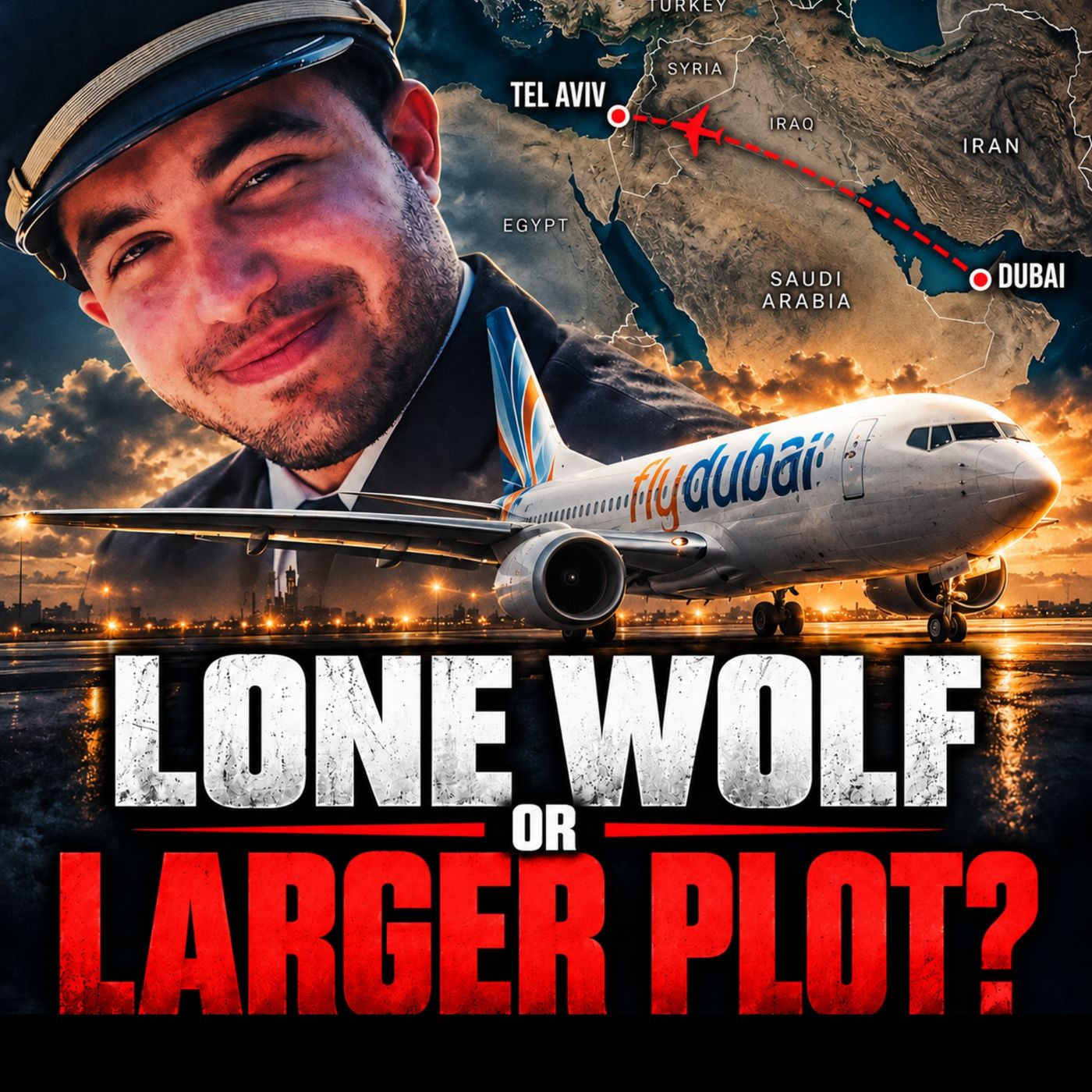
The Team House examines the attempted hijacking of Flydubai Flight 1073, exploring intelligence failures that preceded the attack, whether Iran or a lone-wolf extremist was responsible, and broader geopolitical implications. The hosts—including security experts Mick Mulroy and Andy Milburn—analyze warning signs missed…
Worth it if you follow Middle East geopolitics closely and want a security-expert perspective on Iran, Iraq, and U.S. military posture, but less essential if you're seeking an in-depth investigation of the Flydubai incident itself.
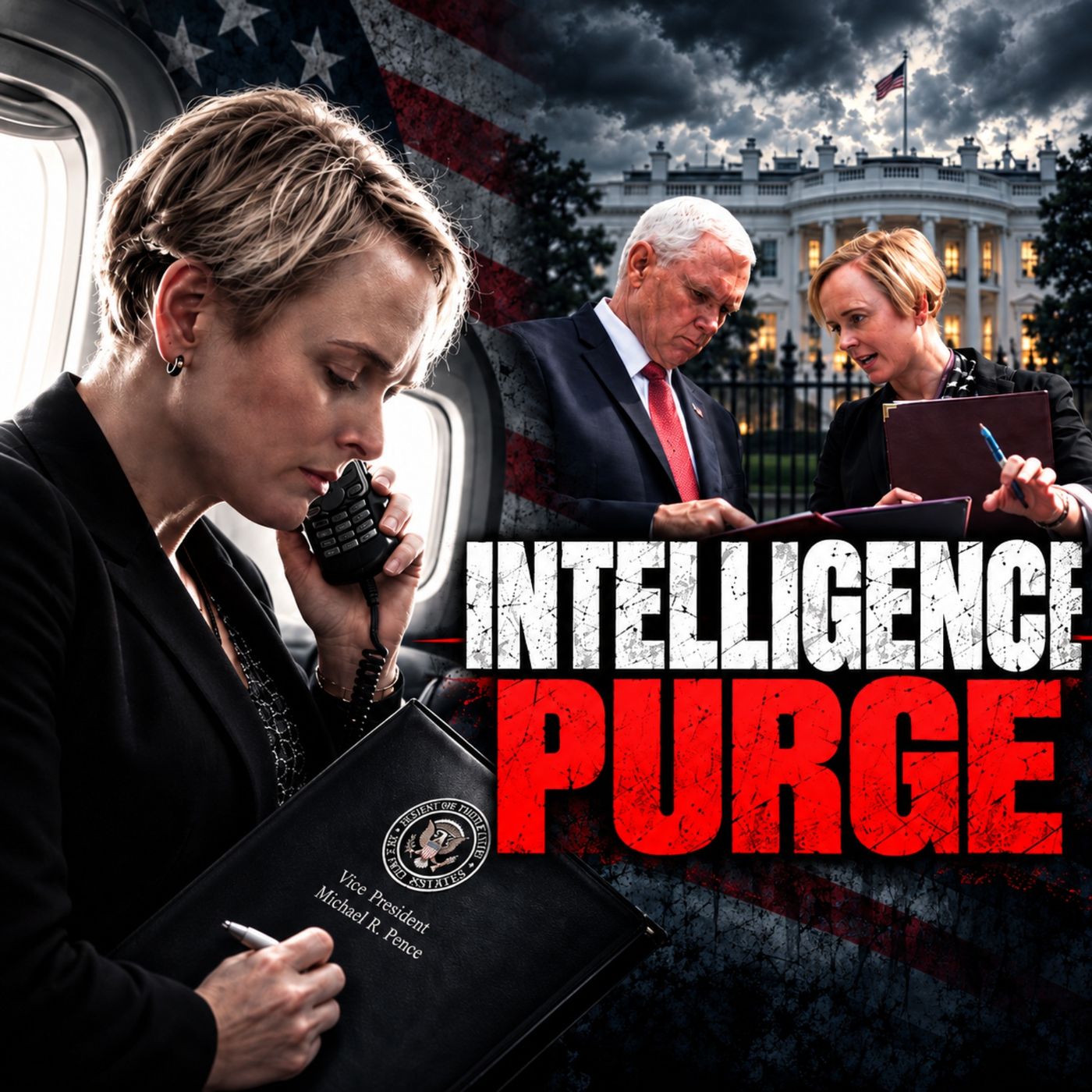
Julia Curlee, a former DIA and CIA officer who served on the National Security Council, sits down with host Jack Murphy for a nearly two-hour conversation about her career in U.S. intelligence and her experience with what she characterizes as politicization and purges within the intelligence community. The episode…
Worth it if you're interested in firsthand accounts of U.S. intelligence operations in Iraq/Afghanistan, institutional politics within the CIA, or perspectives on Trump-era intelligence community changes.
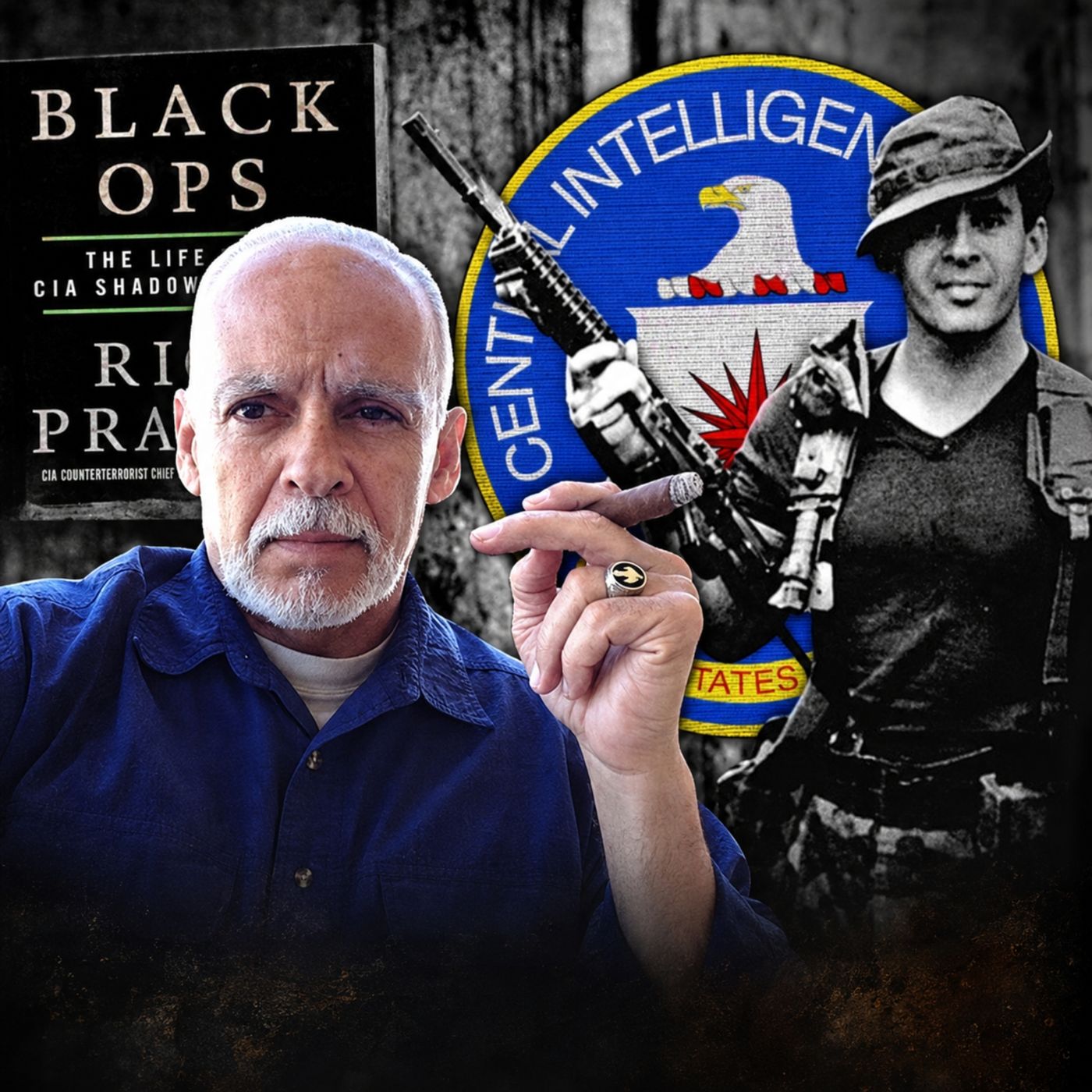
This is a 2h 25m interview with Ric Prado, a former CIA operations officer with over two decades of experience in counterterrorism, paramilitary operations, and covert intelligence work. The episode traces Prado's career arc chronologically, beginning with his escape from Castro's Cuba as a child, his service in the…
Worth it if you're interested in CIA history, Cold War operations, counterterrorism, or first-hand accounts of covert U.S. foreign policy from someone directly involved.
The Team House examines a suspected terror plot near RAF Fairford involving five men arrested in the UK, exploring whether Iran orchestrated the operation through criminal proxies. The episode opens with the immediate facts of the arrest and quickly pivots to the broader geopolitical context: Iranian recruitment of…
Worth it if you follow Iran policy, Middle East security, or want expert analysis of how criminal proxies fit into state coercion and U.S. strategic options.
Kyle Vowinkel, a 25-year FBI veteran, sits down with host Jack Murphy to recount his career trajectory from West Point through counterintelligence, FBI SWAT, and ultimately the elite Hostage Rescue Team (HRT). The episode is structured chronologically, beginning with his upbringing in San Diego and rebellious youth,…
Worth it if you're interested in FBI operations, hostage rescue tactics, leadership under pressure, or detailed accounts of major incidents like the Boston Marathon bombing and Alabama bunker crisis.