A Failed Execution and the Future of the Death Penalty
Evaluation and Summary
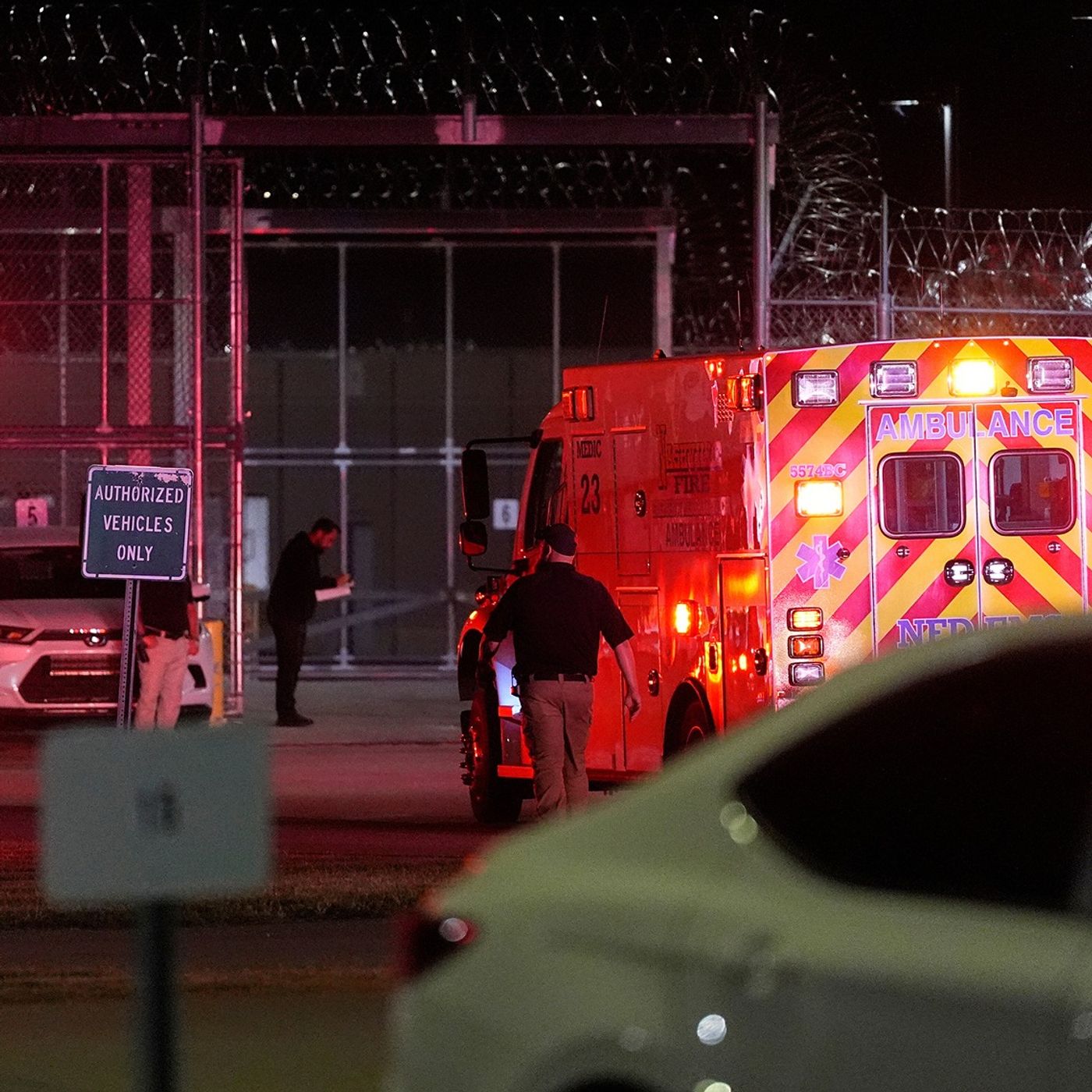
The Daily episode examines a botched execution in Tennessee where Christa Pike survived two doses of lethal injection drugs, using this incident as a lens to explore broader trends in American capital punishment. Guest Pamela Colloff, an investigative reporter at ProPublica and The New York Times Magazine, discusses the apparent paradox of declining public support for the death penalty even as some states continue to pursue executions and, in some cases, appear to be doubling down on capital punishment. The episode likely explores the mechanics of what went wrong during Pike's execution, the legal and ethical questions it raises, and the disconnect between waning public enthusiasm for the death penalty and state-level policy decisions. Colloff's reporting background suggests the episode draws on investigative journalism and on-the-ground reporting rather than pure speculation. The framing suggests the episode will address both the immediate human story of the failed execution and the larger systemic question of why capital punishment persists despite shifting public opinion. The episode is 31 minutes, a standard length for The Daily's format, suggesting a focused narrative rather than an exhaustive deep-dive.
Verdict: A timely, well-reported episode on a significant news event with an established investigative journalist that explores both immediate facts and broader policy implications, though limited show notes prevent full assessment of depth and pacing.
News rubric
-
Accuracy and sourcing 4/5 20%
Guest is an established investigative reporter at ProPublica and NYT Magazine with credibility on the topic; episode references a documented recent event (Pike execution); sourcing details are limited in show notes but guest's reputation su
-
Balance and context 3/5 20%
Show notes indicate the episode addresses both the specific incident and broader context (public opinion trends vs. state policy), suggesting some attempt at balance, though the framing emphasizes the paradox rather than multiple perspectiv
-
Timeliness and relevance 5/5 15%
Episode published one week after a major, newsworthy execution failure; addresses a live debate about capital punishment policy with clear contemporary relevance.
-
Substance 3/5 15%
Show notes suggest solid reporting from an established journalist on a significant event, but limited detail provided about depth of analysis, interviews, or data presented; 31 minutes is moderate length.
-
Delivers on its title 4/5 15%
Title promises coverage of a failed execution and the death penalty's future; show notes confirm both elements are addressed, though depth on the 'future' angle is unclear.
-
Value for time 3/5 15%
31-minute length is standard for The Daily; likely well-paced given the outlet's reputation, but show notes provide insufficient detail to assess whether the episode is tight or padded.
Worth it if you want current reporting on capital punishment policy and the disconnect between public opinion and state practice, or if you're following the Christa Pike case.
Based on the episode description. AI-generated; it can be wrong.
Show notes
More from The Daily

The Daily episode examines a mysterious security incident at RAF Lakenheath, a U.S. Air Force base in Britain. National security correspondent Eric Schmitt from The New York Times walks through what happened: a startling call near the base triggered a massive counterterrorism response and days of uncertainty for both…
Worth it if you follow U.S.-Iran tensions, NATO security issues, or want a quick, authoritative briefing on a major recent incident.

The Daily explores the rapid adoption of AI agents—a new category of artificial intelligence applications that can autonomously perform tasks like sending emails and booking travel. The episode centers on Eli Tan, a New York Times technology reporter, who embedded himself with Muse, Meta's newly released AI agent, to…
Worth it if you're curious about AI agents, considering downloading one, or want a reporter's honest first impression of what these tools can actually do.

The Daily episode examines surprising polling data from The New York Times showing that Democratic Senate candidates are performing unexpectedly well in traditionally Republican-leaning states ahead of the midterm elections, while underperforming in blue states where they should theoretically have advantages. The…
Worth it if you're following the midterm elections closely and want expert analysis of unexpected polling shifts in key Senate races.
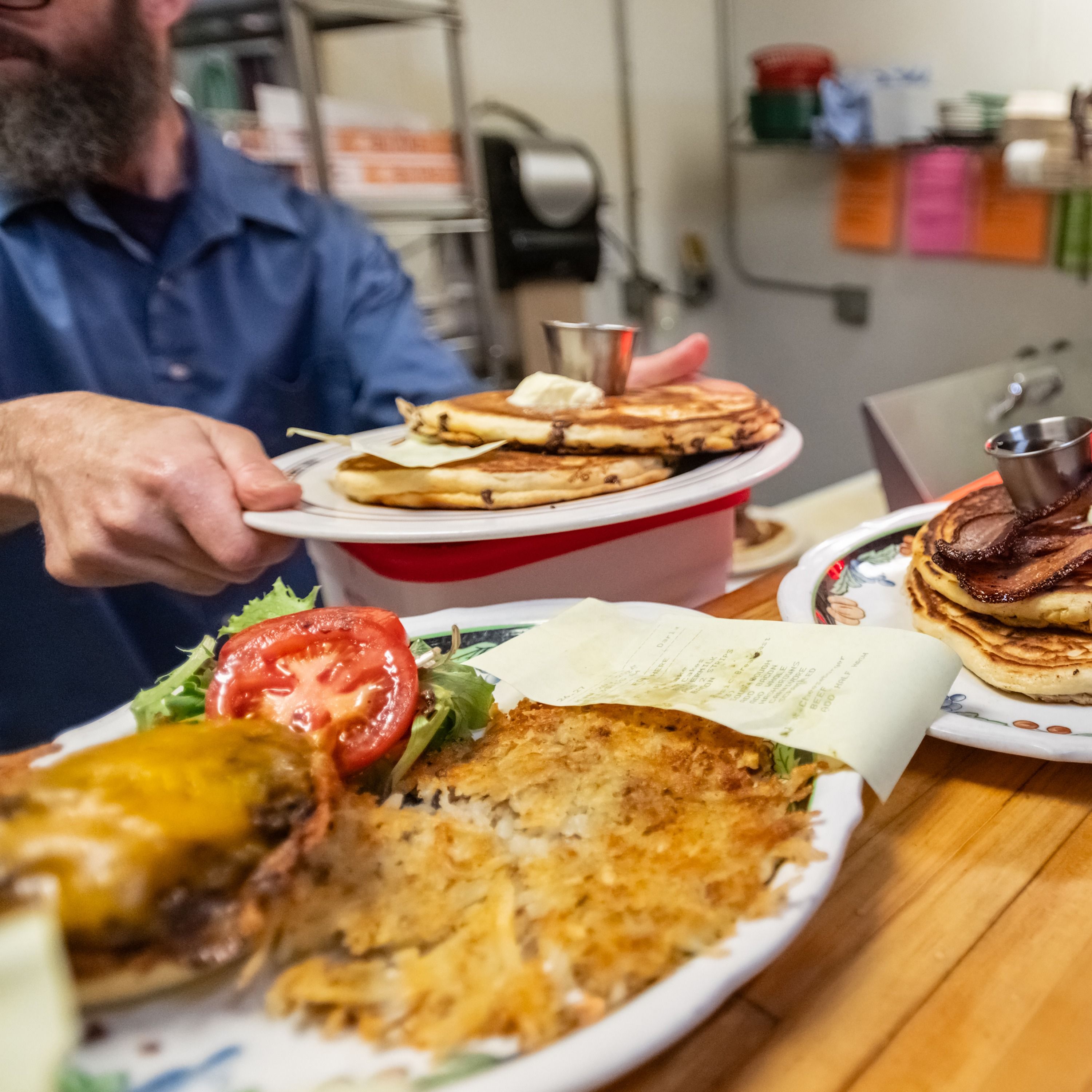
The Daily explores the economic crisis gripping the American restaurant industry through the lens of Brett Anderson, a New York Times food reporter. The episode opens with observable changes diners have noticed—counter ordering, QR code menus, proliferation of soft serve—and reframes these not as trendy innovations…
Worth it if you dine out regularly, work in food service, or want to understand why restaurants feel different lately.

This episode of The Daily features an interview with Chris Rock discussing forgiveness, friendship, and his new film 'Misty Green.' Based on the description, Rock reflects on what genuine friendship means to him and explores themes of forgiveness—presumably in connection with recent events in his life that have been…
Worth it if you're interested in Chris Rock's perspective on forgiveness and his creative work, or if you enjoy The Daily's interview format with prominent cultural figures.

The Daily episode examines a sexual assault allegation at Cornell University that has sparked national debate over consent and campus sexual violence. Investigative reporter Debra Kamin from The New York Times serves as the primary guest, drawing on her reporting for the Times to explain what is known about the…
Worth it if you want a factual, reported overview of a major campus sexual assault case and the national consent debate it sparked, from a trusted investigative source.