The Restaurant Industry Is Broken. Can It Be Fixed?
Evaluation and Summary
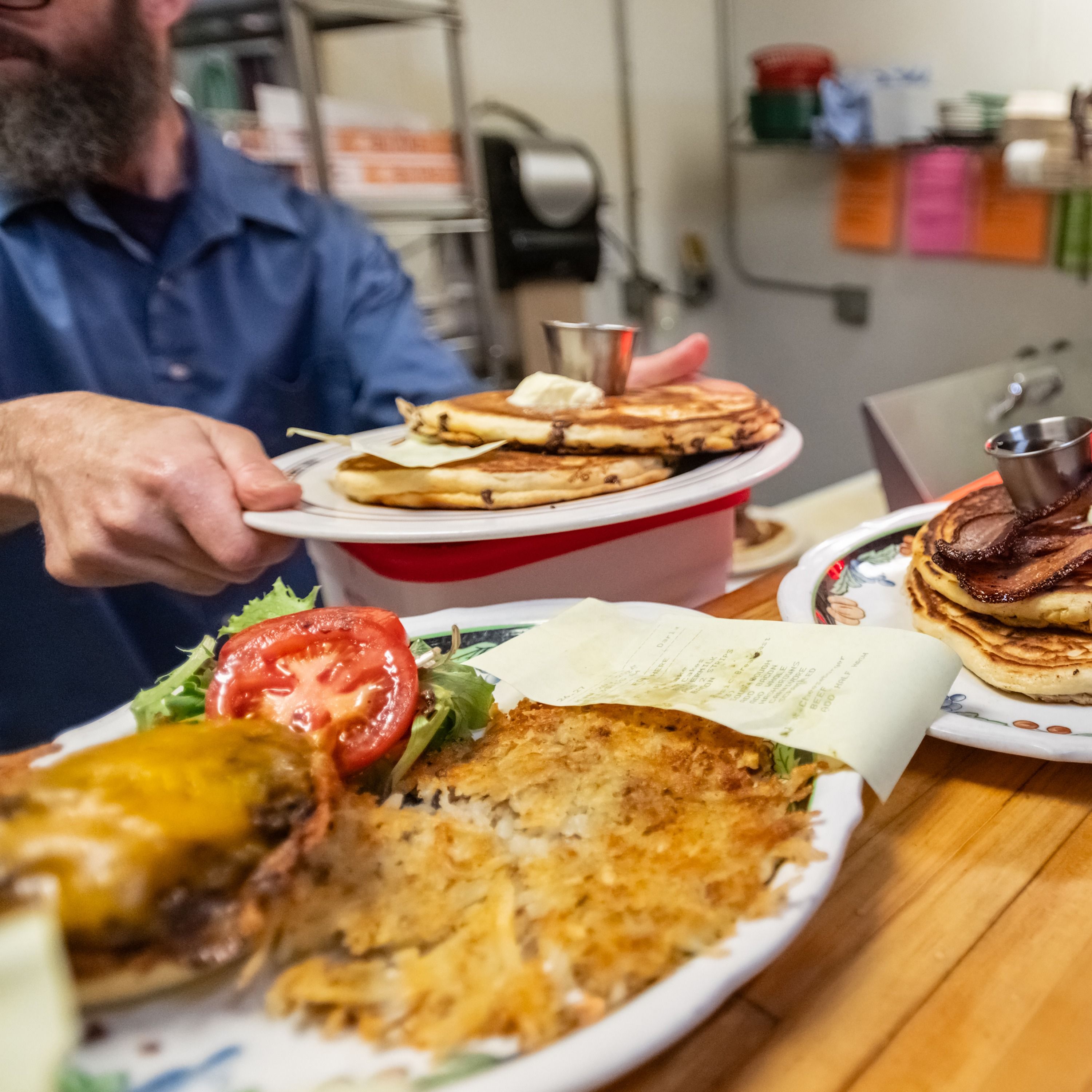
The Daily explores the economic crisis gripping the American restaurant industry through the lens of Brett Anderson, a New York Times food reporter. The episode opens with observable changes diners have noticed—counter ordering, QR code menus, proliferation of soft serve—and reframes these not as trendy innovations but as desperate survival tactics. Anderson reports that according to the National Restaurant Association, 42 percent of restaurant owners were unprofitable in 2025, with many facing closure. The episode examines how these economic pressures are forcing owners to fundamentally rethink what a restaurant is and how it operates. A central case study is a Minneapolis diner that conducted a radical experiment: stopping charging for food entirely while maintaining profitability. Host Michael Barbaro guides the conversation through these economic realities, using specific examples to illustrate how the industry is being forced to innovate or die. The episode promises to answer whether the broken restaurant industry can be fixed, though the show notes don't detail what solutions or paths forward are actually discussed. The reporting draws on Anderson's expertise as a food section journalist and appears grounded in industry data from the National Restaurant Association, supplemented by on-the-ground reporting of specific restaurant experiments.
Verdict: A timely, well-sourced exploration of a relevant crisis with concrete examples, though the show notes leave uncertainty about whether it delivers solutions to match its title's promise.
News rubric
-
Accuracy and sourcing 3/5 20%
Cites National Restaurant Association data (42% unprofitability) and features a named Times reporter with food expertise; specific case study mentioned but sourcing details not provided in notes.
-
Balance and context 3/5 20%
Presents industry crisis with specific statistics and multiple examples (counter ordering, QR menus, no-charge model), but show notes don't indicate whether competing perspectives or success stories are included.
-
Timeliness and relevance 5/5 15%
Published October 2026 discussing 2025 data; directly relevant to anyone who dines out, with current industry crisis as the hook.
-
Substance 3/5 15%
Concrete examples (QR codes, soft serve, Minneapolis diner experiment) and hard data provided, but show notes don't reveal depth of analysis or whether solutions are explored beyond the radical experiment.
-
Delivers on its title 3/5 15%
Title asks if the broken industry 'can be fixed'; episode clearly establishes it's broken with data and examples, but show notes don't confirm whether it actually addresses whether/how it can be fixed.
-
Value for time 3/5 15%
37 minutes is reasonable for a Daily episode; pacing appears sound with specific examples and guest interview, though without hearing it, efficiency cannot be fully assessed.
Worth it if you dine out regularly, work in food service, or want to understand why restaurants feel different lately.
Based on the episode description. AI-generated; it can be wrong.
Show notes
More from The Daily
The Daily episode examines a botched execution in Tennessee where Christa Pike survived two doses of lethal injection drugs, using this incident as a lens to explore broader trends in American capital punishment. Guest Pamela Colloff, an investigative reporter at ProPublica and The New York Times Magazine, discusses…
Worth it if you want current reporting on capital punishment policy and the disconnect between public opinion and state practice, or if you're following the Christa Pike case.

The Daily episode examines a mysterious security incident at RAF Lakenheath, a U.S. Air Force base in Britain. National security correspondent Eric Schmitt from The New York Times walks through what happened: a startling call near the base triggered a massive counterterrorism response and days of uncertainty for both…
Worth it if you follow U.S.-Iran tensions, NATO security issues, or want a quick, authoritative briefing on a major recent incident.

The Daily explores the rapid adoption of AI agents—a new category of artificial intelligence applications that can autonomously perform tasks like sending emails and booking travel. The episode centers on Eli Tan, a New York Times technology reporter, who embedded himself with Muse, Meta's newly released AI agent, to…
Worth it if you're curious about AI agents, considering downloading one, or want a reporter's honest first impression of what these tools can actually do.

The Daily episode examines surprising polling data from The New York Times showing that Democratic Senate candidates are performing unexpectedly well in traditionally Republican-leaning states ahead of the midterm elections, while underperforming in blue states where they should theoretically have advantages. The…
Worth it if you're following the midterm elections closely and want expert analysis of unexpected polling shifts in key Senate races.

This episode of The Daily features an interview with Chris Rock discussing forgiveness, friendship, and his new film 'Misty Green.' Based on the description, Rock reflects on what genuine friendship means to him and explores themes of forgiveness—presumably in connection with recent events in his life that have been…
Worth it if you're interested in Chris Rock's perspective on forgiveness and his creative work, or if you enjoy The Daily's interview format with prominent cultural figures.

The Daily episode examines a sexual assault allegation at Cornell University that has sparked national debate over consent and campus sexual violence. Investigative reporter Debra Kamin from The New York Times serves as the primary guest, drawing on her reporting for the Times to explain what is known about the…
Worth it if you want a factual, reported overview of a major campus sexual assault case and the national consent debate it sparked, from a trusted investigative source.