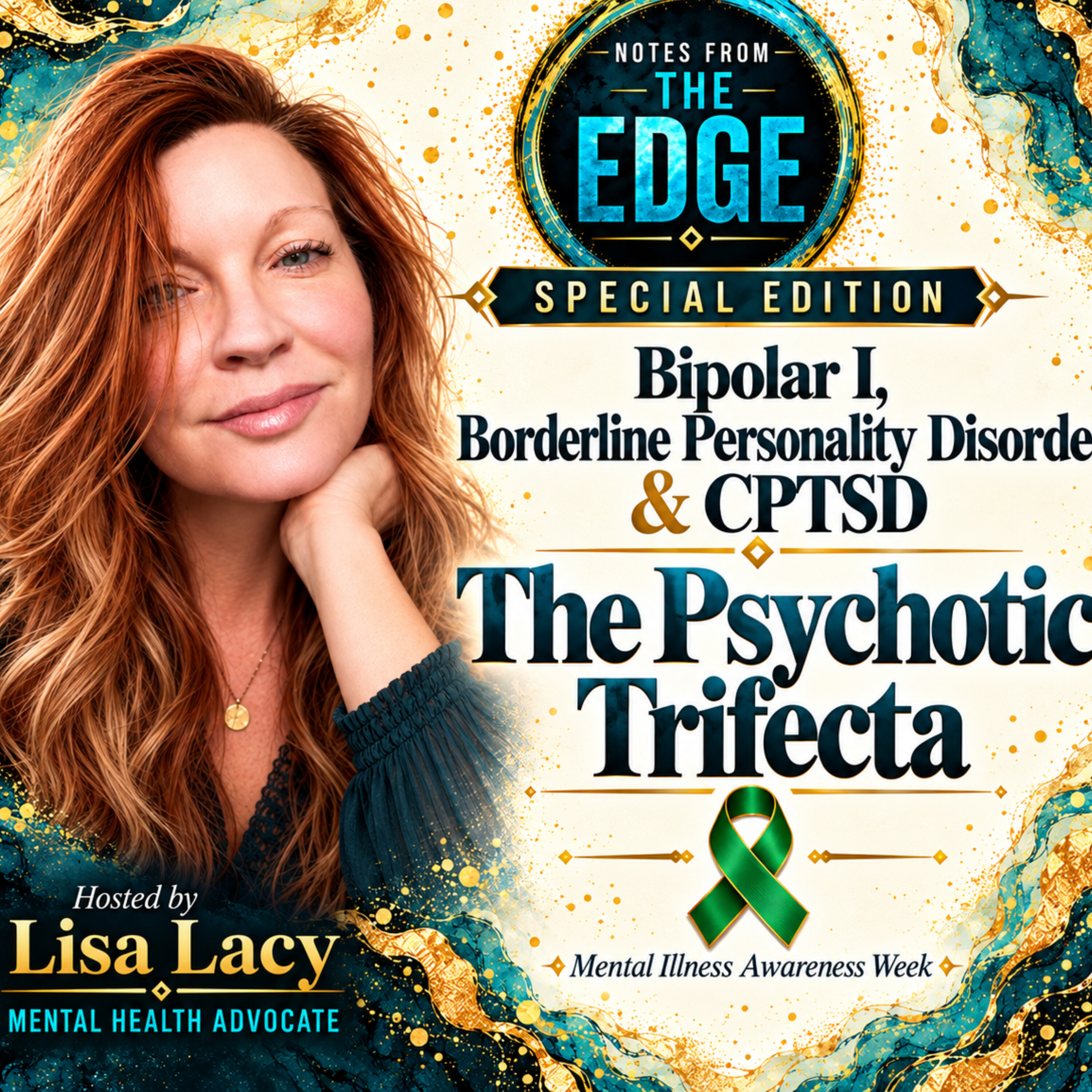
SPECIAL EDITION: Mental Health Awareness Week | The Psychotic Trifecta
Evaluation and Summary
Notes from the Edge presents a special Mental Health Awareness Week episode featuring host Lisa Lacy discussing her lived experience with Bipolar I Disorder, Borderline Personality Disorder, and Complex PTSD—what she calls 'the Psychotic Trifecta.' Rather than offering clinical instruction, Lacy centers personal narrative, describing what psychosis actually feels like from the inside: a mind-created reality so convincing that despite external contradiction, the internal experience remains vivid and undeniable. The episode explores how Bipolar I can include psychotic episodes, while BPD and CPTSD involve dissociation, hypervigilance, emotional dysregulation, and disturbances in self-perception and interpersonal experience. Lacy discusses how mania can masquerade as extraordinary productivity, allowing someone to function at high levels while remaining mentally unwell—a crucial distinction the episode emphasizes. She also addresses a significant life transition: menopause bringing a depression unlike anything she'd previously experienced. Key topics covered include distinguishing Bipolar I from BPD (often confused but fundamentally different), understanding how CPTSD, hypervigilance, and trauma responses overlap with both conditions, and learning reality-checking and self-awareness practices when one's own mind may not be a reliable narrator. The episode frames mental illness through a humanizing lens, asserting that intelligence isn't erased by mental illness, psychosis doesn't indicate stupidity, trauma doesn't indicate weakness, and diagnosis doesn't erase the person beneath it. At 21 minutes, this is a focused special edition rather than a full-length episode, suggesting concentrated content. The show notes indicate thematic coherence around the collision of these three conditions and their subjective experience, with Lacy as both guide and subject. The episode appears designed for Mental Health Awareness Week audiences seeking authentic first-person accounts rather than medical education, positioning vulnerability and specificity as its core value proposition.
Verdict: A thoughtful, humanizing deep-dive into lived mental illness experience that prioritizes authenticity over clinical distance, with strong thematic focus and nuanced perspective, though the short format may limit substantive exploration.
Society & Culture rubric
-
Fresh perspective 4/5 20%
Centering subjective psychotic experience rather than clinical definition offers a genuinely different angle; the 'Trifecta' framing and mania-as-productivity insight provide novel reframes of familiar diagnoses.
-
Storytelling and voices 4/5 20%
Lisa Lacy's personal narrative is the episode's foundation, with candid discussion of lived experience including specific life transitions (menopause); limited to one voice but deeply personal and human-centered.
-
Thoughtfulness 4/5 15%
Episode demonstrates nuance by distinguishing between conditions often conflated, acknowledging high functionality doesn't equal wellness, and examining how one's own mind can be unreliable—shows self-aware reflection.
-
Substance 3/5 15%
Show notes promise specific content (psychosis description, condition distinctions, mania masquerading, menopause impact) but at 21 minutes, depth may be limited; solid topical coverage but brevity may constrain detail.
-
Delivers on its title 5/5 15%
Title promises 'Psychotic Trifecta' exploration and Mental Health Awareness Week special; show notes confirm direct coverage of all three conditions, psychosis specifically, and their collision.
-
Value for time 4/5 15%
21-minute format suggests focused, efficient pacing; appears designed to deliver concentrated personal insight without padding, though brevity may leave listeners wanting more depth.
How we score Society & Culture
Worth it if you're seeking authentic first-person accounts of mental illness, want to understand psychosis beyond clinical definitions, or are navigating similar diagnoses and need validation that high functionality doesn't equal wellness.
Content flags
- Sensitive Episode discusses psychosis, trauma, self-harm implications (CPTSD), and mental health crises; appropriate for Mental Health Awareness Week but may be triggering for vulnerable listeners.
Based on the episode description. AI-generated; it can be wrong.
Show notes
More from Notes from the Edge
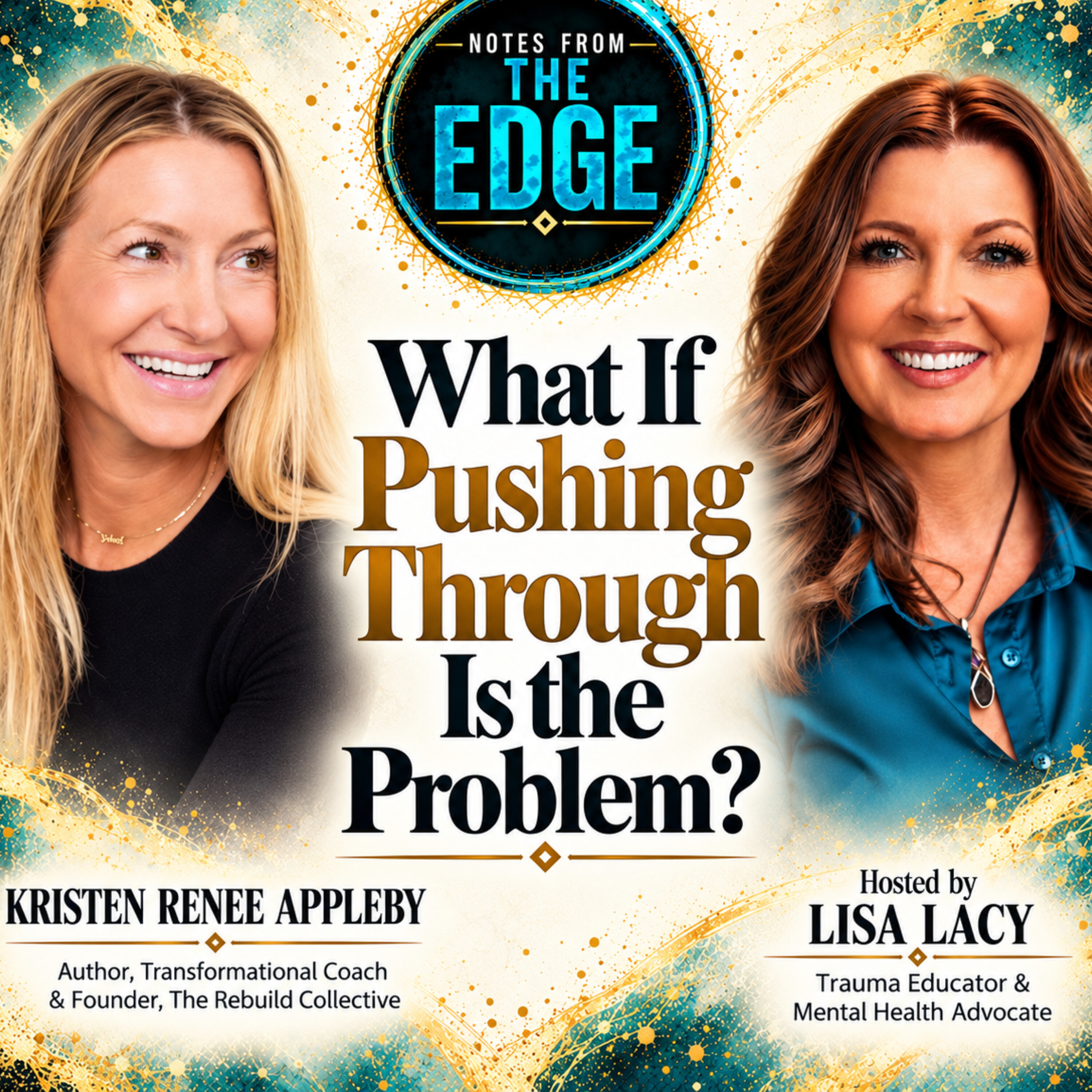
Lisa Lacy interviews Kristen Renee Appleby, author and founder of The Rebuild Collective, about the intersection of burnout, autoimmune illness, and high-achiever culture. The core premise is that the drive to push through, perform, and achieve—traits that often lead to success—can become unsustainable when the body…
Worth it if you're a high-achiever experiencing burnout or autoimmune symptoms and want to explore the mind-body-environment connection from someone who's lived it.

Lisa Lacy interviews Jenna Schutt, a former cardiac nurse and stem cell transplant survivor, about living with chronic illness while maintaining an outward appearance of capability. Jenna was diagnosed with a rare, incurable disease at 30 while raising two young children, enduring ten rounds of chemotherapy, serious…
Worth it if you live with chronic illness, care for someone who does, struggle with performing strength, or want to understand the psychological toll of medical trauma and identity loss.

Notes from the Edge hosts Lisa Lacy in conversation with Amy Lenius, a personal development coach and Director of Group Coaching at Next Level University. The episode reframes success as something built from within rather than chased externally, centering on three pillars: self-worth, self-belief, and consistency. Amy…
Worth it if you're interested in reframing success around internal alignment rather than external achievement, or if you resonate with chronic illness narratives and identity reconstruction.

Lisa Lacy interviews Dr. Eric Anderson, a neurologist and CMO at Lin Health, about chronic back pain and alternatives to surgery. The core premise challenges a common assumption: that pain intensity correlates with structural damage visible on MRI scans. Dr. Anderson explains central sensitization—how the nervous…
Worth it if you have chronic back pain, are considering back surgery, or want to understand how the nervous system amplifies pain signals beyond structural damage.
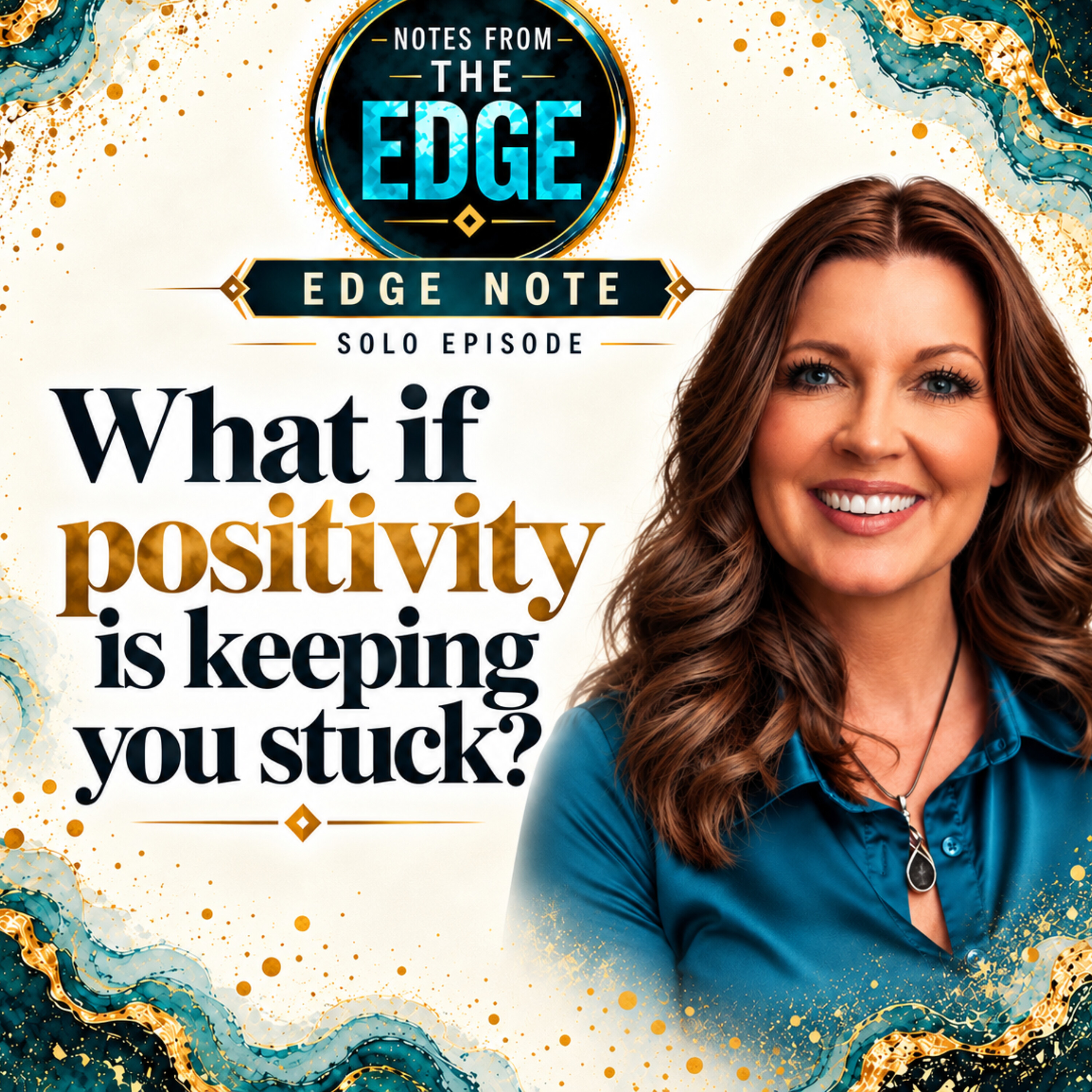
Lisa Lacy's 10-minute Edge Note examines the shadow side of positivity culture—specifically how the relentless push to 'look for the good,' practice gratitude, forgive, and trust that everything happens for a reason can become a form of spiritual bypassing that actually prevents healing and growth. The episode…
Worth it if you've felt pressured by positivity culture to suppress legitimate pain, or if you're curious about spiritual bypassing and how acceptance differs from resignation.
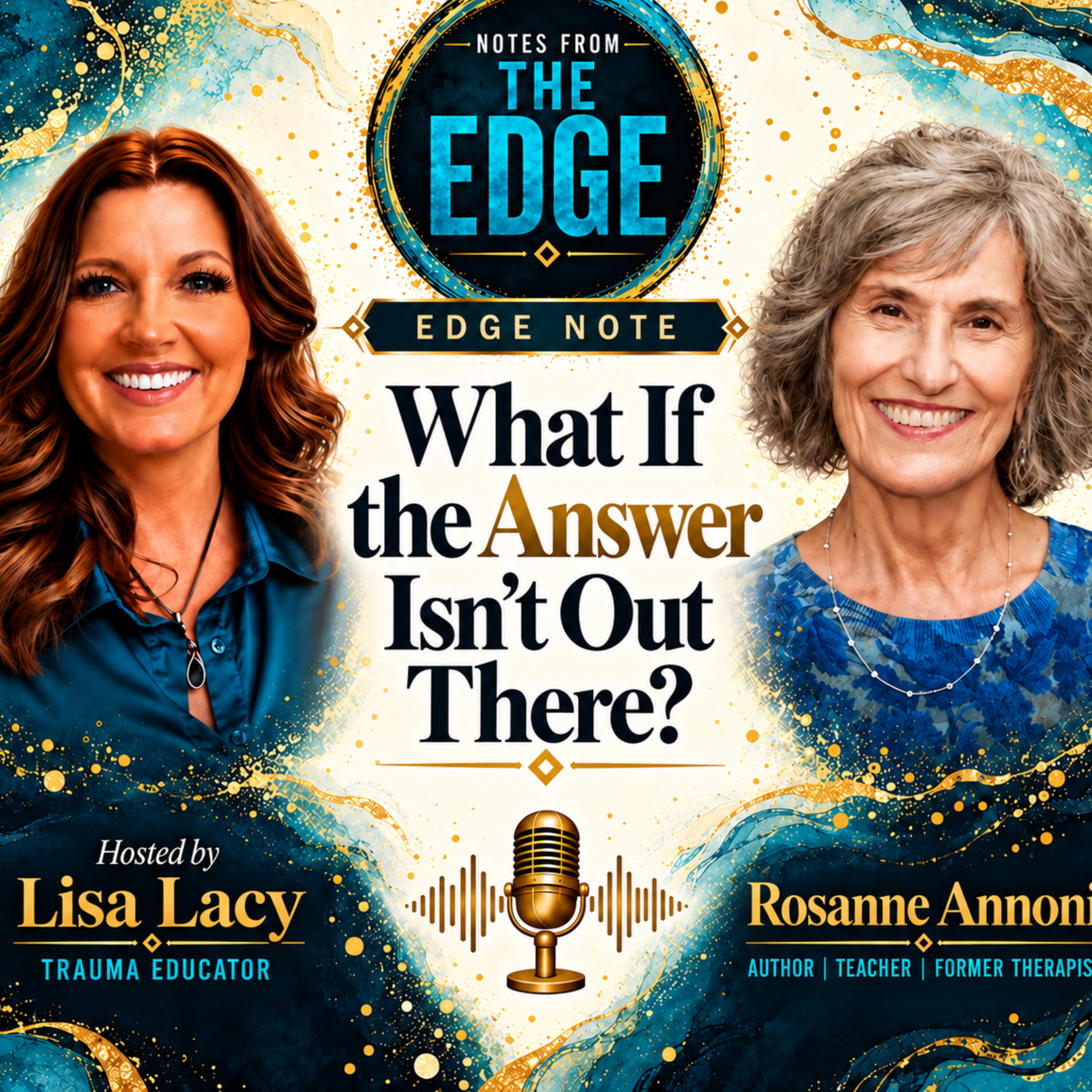
Lisa Lacy interviews psychotherapist and spiritual teacher Rosanne Annoni about the inward turn in personal healing and spiritual awakening. Annoni, author of 'Unfolding the Heart: One Woman's Quest for True Nature,' draws on decades of clinical practice and her own spiritual journey through therapy, meditation, loss,…
Worth it if you're actively exploring therapy, spirituality, or self-inquiry and appreciate hearing from experienced practitioners reflect on their own journeys, or if you're considering Annoni's memoir.