
Can Chronic Back Pain Be Rewired? Back Surgery Alternatives with Dr. Eric Anderson
Evaluation and Summary
Lisa Lacy interviews Dr. Eric Anderson, a neurologist and CMO at Lin Health, about chronic back pain and alternatives to surgery. The core premise challenges a common assumption: that pain intensity correlates with structural damage visible on MRI scans. Dr. Anderson explains central sensitization—how the nervous system's protective alarm system can become overly sensitized, amplifying pain signals even when underlying tissue damage is minimal or stable. The episode explores how stress, trauma, hypervigilance, and limbic system dysfunction contribute to persistent pain becoming a self-perpetuating cycle. Key recovery approaches discussed include pain reprocessing therapy, cognitive behavioral therapy (CBT), graded exposure, emotional awareness work, coaching, and movement-based interventions. The conversation addresses what patients should know before pursuing back surgery, including realistic outcome expectations, available alternatives, recovery timelines, and the specific scenarios where structural problems or progressive nerve damage genuinely warrant surgical intervention. The framing explicitly rejects the notion that chronic pain is 'all in your head'—instead positioning it as a legitimate neurological phenomenon rooted in how the nervous system processes threat signals. The episode aims to empower patients to advocate for themselves by understanding pain more completely and making informed decisions about their care rather than defaulting to surgery.
Verdict: A solid, well-framed expert interview that delivers on its promise and offers a genuinely useful reframe for chronic back pain sufferers, but lacks the personal stories and narrative richness that would elevate it to must-listen status.
Society & Culture rubric
-
Fresh perspective 4/5 20%
The pain-imaging mismatch and central sensitization framework offer a genuinely different lens from typical back pain discussions, though these concepts have growing clinical recognition.
-
Storytelling and voices 2/5 20%
Show notes describe only an expert interview format with no patient stories, personal anecdotes, or range of voices beyond the host and one guest.
-
Thoughtfulness 4/5 15%
The episode explicitly rejects oversimplification ('not telling people pain isn't real') and acknowledges nuance around when surgery is appropriate, showing care in framing.
-
Substance 3/5 15%
Show notes outline solid conceptual content (central sensitization, stress-pain links, therapy options) but lack specific case examples, data, or depth indicators that would suggest dense material throughout.
-
Delivers on its title 5/5 15%
Title promises back pain rewiring and surgery alternatives; show notes confirm the episode covers both central sensitization retraining and non-surgical approaches in detail.
-
Value for time 3/5 15%
37 minutes is reasonable for an expert interview, but without evidence of tight pacing or compelling narrative momentum, it appears adequately but not exceptionally structured.
How we score Society & Culture
Worth it if you have chronic back pain, are considering back surgery, or want to understand how the nervous system amplifies pain signals beyond structural damage.
Based on the episode description. AI-generated; it can be wrong.
Show notes
More from Notes from the Edge
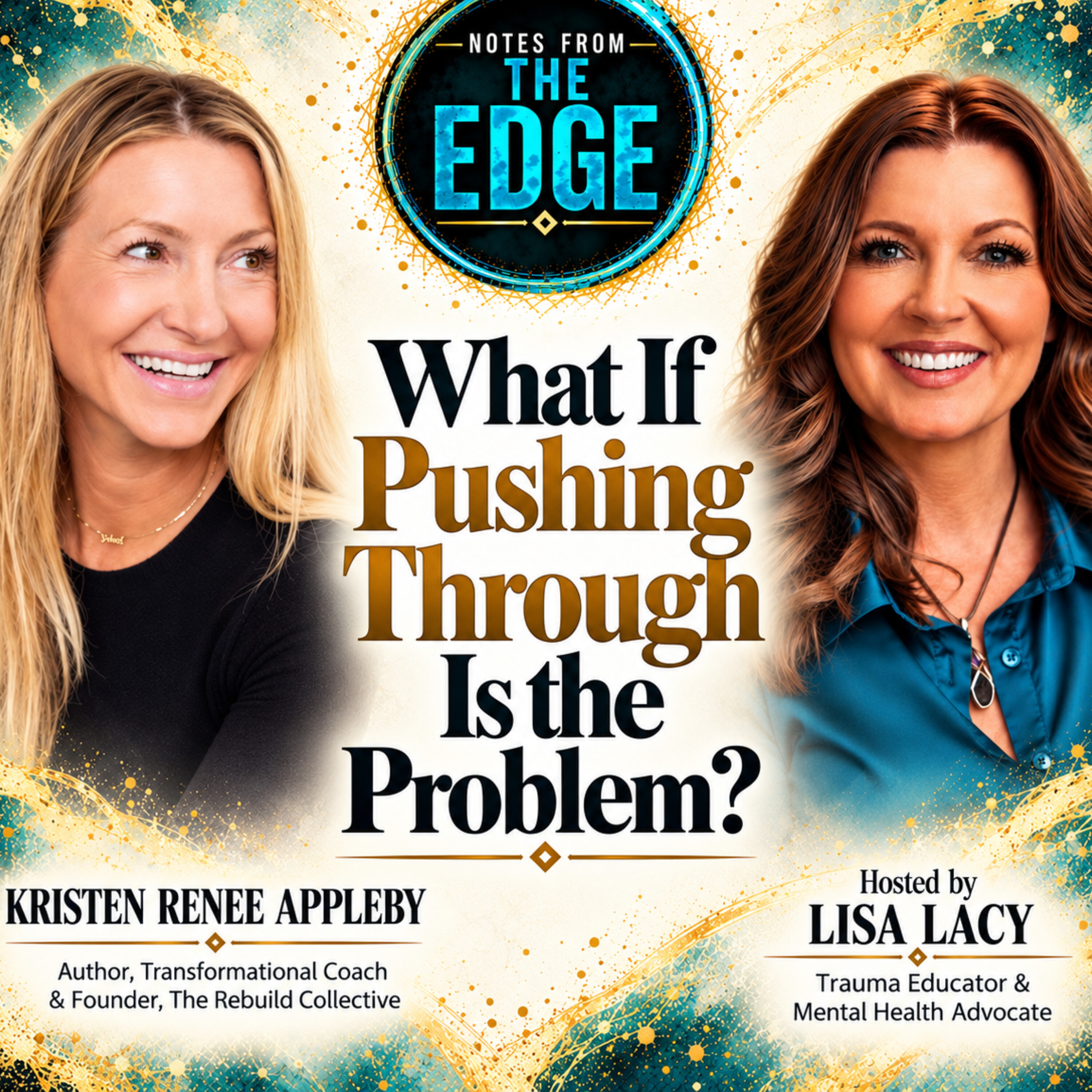
Lisa Lacy interviews Kristen Renee Appleby, author and founder of The Rebuild Collective, about the intersection of burnout, autoimmune illness, and high-achiever culture. The core premise is that the drive to push through, perform, and achieve—traits that often lead to success—can become unsustainable when the body…
Worth it if you're a high-achiever experiencing burnout or autoimmune symptoms and want to explore the mind-body-environment connection from someone who's lived it.

Lisa Lacy interviews Jenna Schutt, a former cardiac nurse and stem cell transplant survivor, about living with chronic illness while maintaining an outward appearance of capability. Jenna was diagnosed with a rare, incurable disease at 30 while raising two young children, enduring ten rounds of chemotherapy, serious…
Worth it if you live with chronic illness, care for someone who does, struggle with performing strength, or want to understand the psychological toll of medical trauma and identity loss.
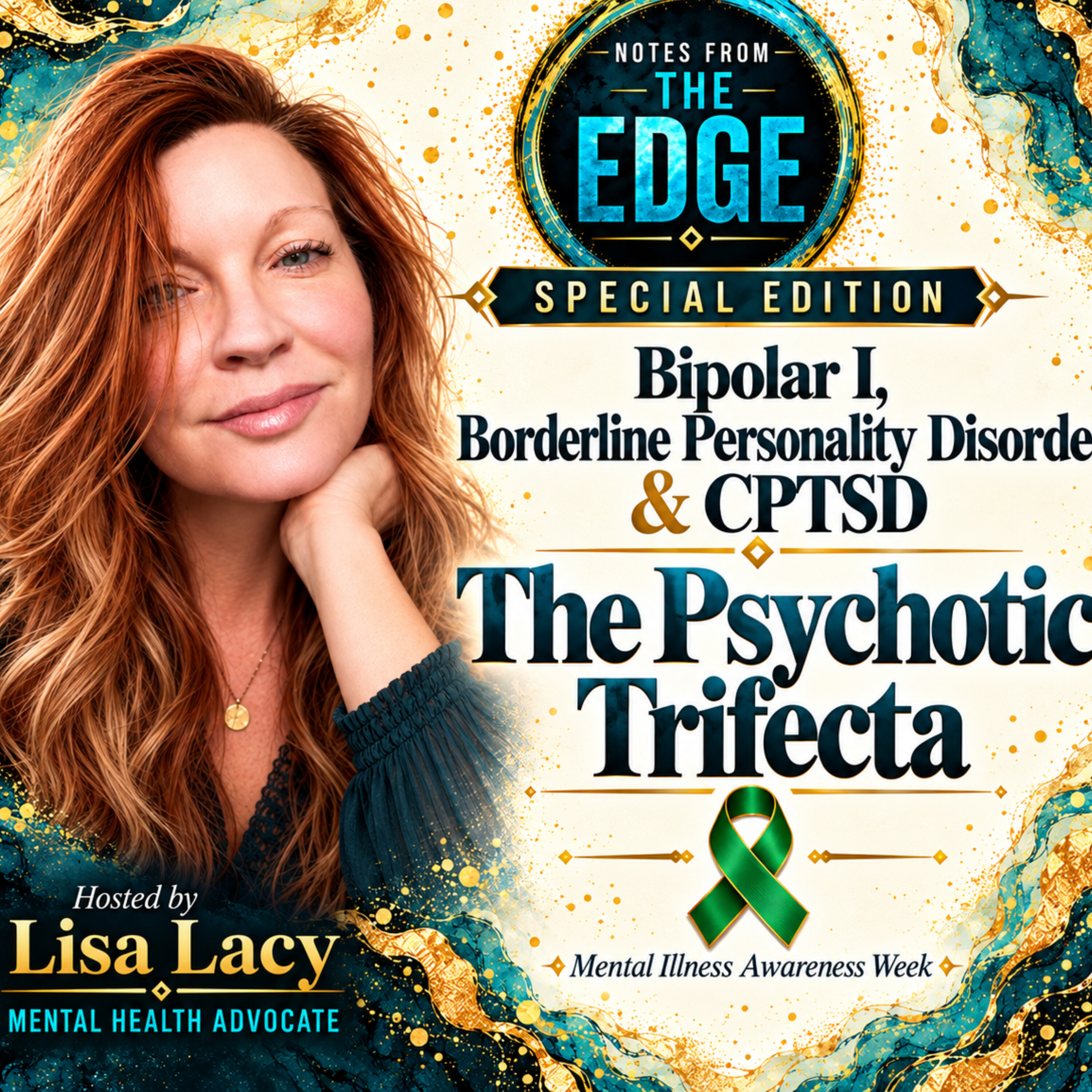
Notes from the Edge presents a special Mental Health Awareness Week episode featuring host Lisa Lacy discussing her lived experience with Bipolar I Disorder, Borderline Personality Disorder, and Complex PTSD—what she calls 'the Psychotic Trifecta.' Rather than offering clinical instruction, Lacy centers personal…
Worth it if you're seeking authentic first-person accounts of mental illness, want to understand psychosis beyond clinical definitions, or are navigating similar diagnoses and need validation that high functionality doesn't equal wellness.

Notes from the Edge hosts Lisa Lacy in conversation with Amy Lenius, a personal development coach and Director of Group Coaching at Next Level University. The episode reframes success as something built from within rather than chased externally, centering on three pillars: self-worth, self-belief, and consistency. Amy…
Worth it if you're interested in reframing success around internal alignment rather than external achievement, or if you resonate with chronic illness narratives and identity reconstruction.
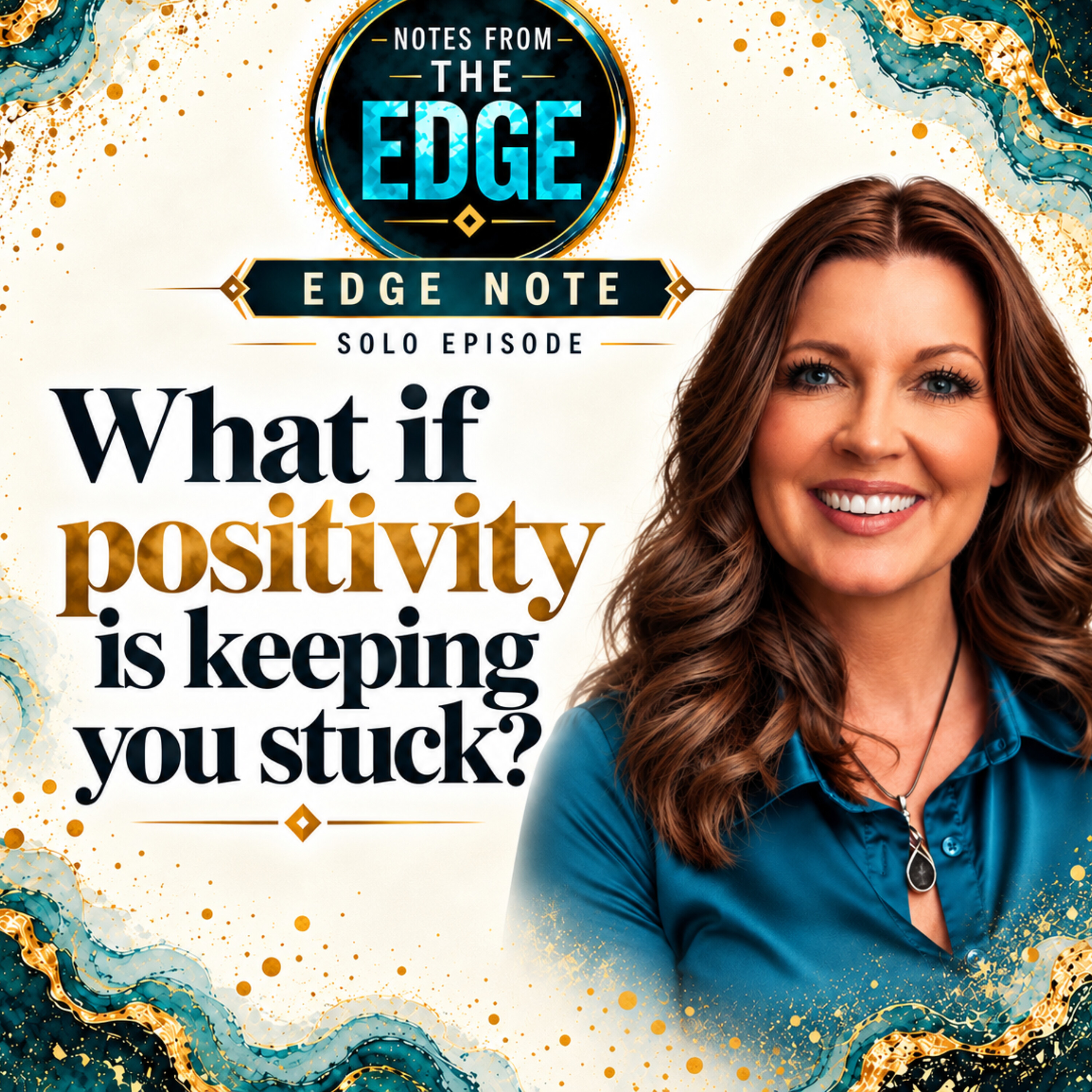
Lisa Lacy's 10-minute Edge Note examines the shadow side of positivity culture—specifically how the relentless push to 'look for the good,' practice gratitude, forgive, and trust that everything happens for a reason can become a form of spiritual bypassing that actually prevents healing and growth. The episode…
Worth it if you've felt pressured by positivity culture to suppress legitimate pain, or if you're curious about spiritual bypassing and how acceptance differs from resignation.
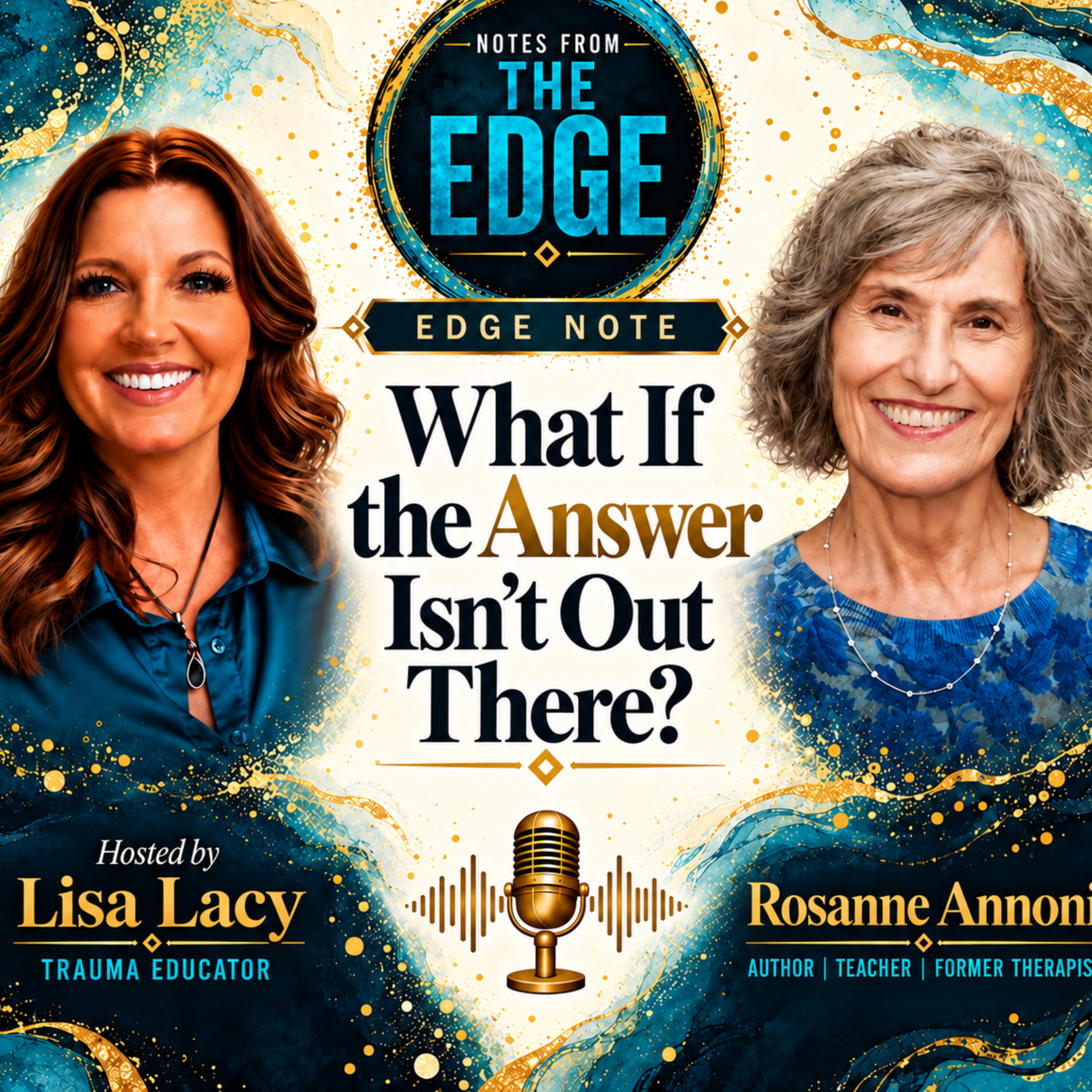
Lisa Lacy interviews psychotherapist and spiritual teacher Rosanne Annoni about the inward turn in personal healing and spiritual awakening. Annoni, author of 'Unfolding the Heart: One Woman's Quest for True Nature,' draws on decades of clinical practice and her own spiritual journey through therapy, meditation, loss,…
Worth it if you're actively exploring therapy, spirituality, or self-inquiry and appreciate hearing from experienced practitioners reflect on their own journeys, or if you're considering Annoni's memoir.