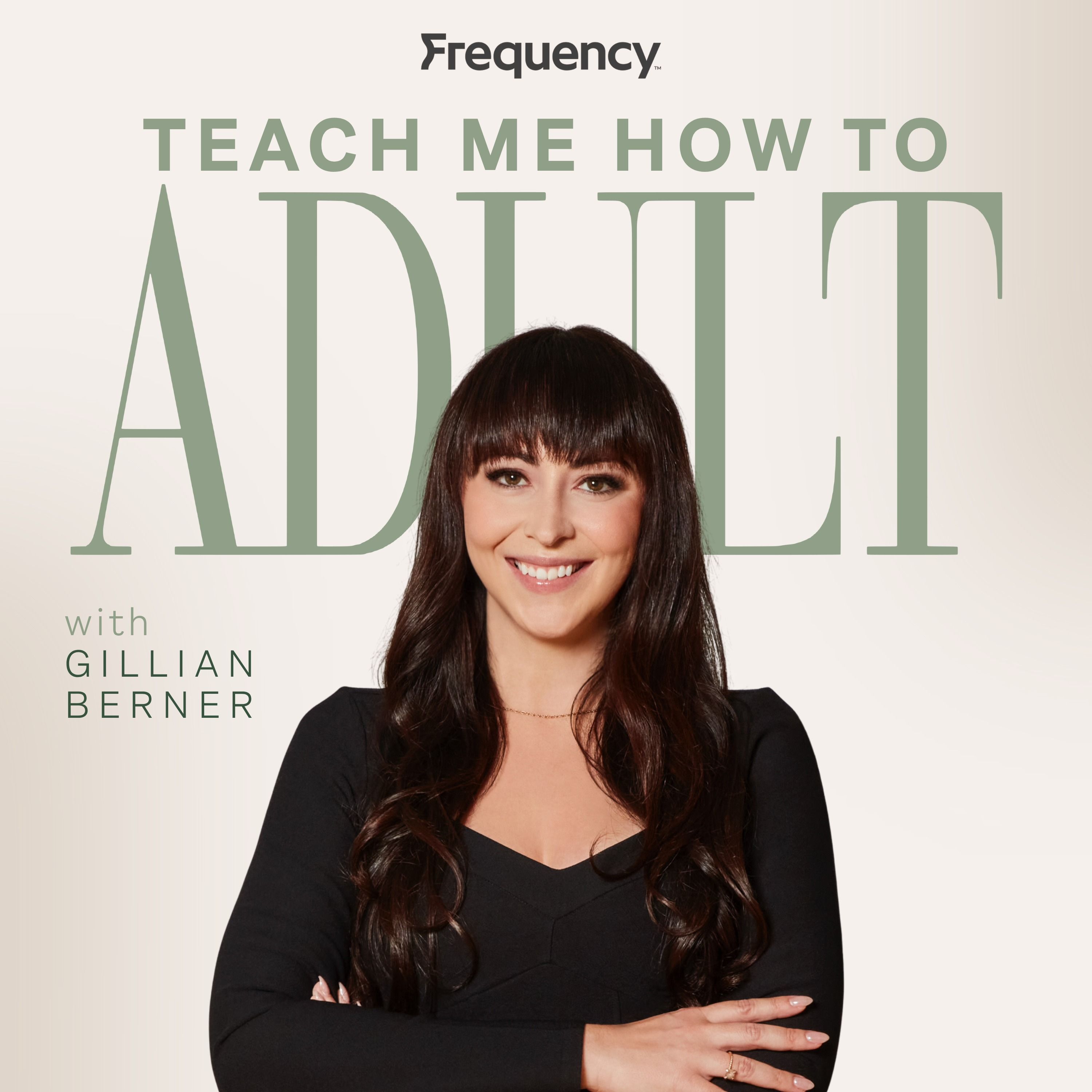
Low-Tox Living: A Toxicologist's Guide To The Chemicals, Plastics & Endocrine Disruptors Affecting Your Hormones & Health, with Dr. Yvonne Burkart
Evaluation and Summary
Hosted by Gillian Berner, this episode features toxicologist Dr. Yvonne Burkart discussing everyday chemical exposures and their health impacts. The conversation covers major categories of concern: endocrine disruptors, phthalates, PFAS ("forever chemicals"), and microplastics found in food packaging, plastics, cookware, personal care products, fragrance, cleaning products, clothing, and drinking water. Dr. Burkart explains what "toxic load" means and how cumulative exposure affects hormones, fertility, PCOS, sperm health, and cancer risk. The episode addresses generational toxin impacts—how prenatal exposure affects babies and potential links to ADHD. Rather than presenting a doomsday narrative, the host and guest emphasize practical, prioritized changes. Key topics include water filtration decisions, identifying the biggest everyday exposure sources, which low-tox swaps matter most, home air quality improvements, and how to support the body's natural detoxification through glutathione. The episode also explores timelines for seeing health improvements from lifestyle changes. Dr. Burkart, who has a PhD in toxicology and specializes in reproductive and environmental toxicology, brings both scientific credibility and personal experience—she shares her own fertility journey and health improvements from reducing toxin exposure. Her forthcoming book, "The Low-Tox Solution," and active YouTube presence suggest she's an established voice in this space. The framing explicitly positions this as "sensationalism-and-fear-free," aiming to separate science from alarmism while still taking the topic seriously. The show notes promise comprehensive coverage of chemical categories, health impacts, exposure sources, practical swaps, and timelines—suggesting a structured, informative conversation rather than surface-level discussion.
Verdict: A credible, well-structured episode on a timely topic with a qualified expert that promises practical, fear-free guidance; strong on credentials and scope, but limited evidence of exceptional clarity or delivery from show notes alone.
Education rubric
-
Clarity of explanation 3/5 20%
Show notes indicate complex topics (endocrine disruptors, PFAS, toxic load) are covered, but without hearing the episode, unclear if explanations are truly accessible or remain technical; framing suggests effort to demystify but evidence is
-
Accuracy 4/5 20%
Guest is a credentialed toxicologist (PhD) specializing in reproductive toxicology with published work; positioning as science-based rather than fear-mongering suggests careful sourcing, though episode content itself cannot be verified from
-
Structure 4/5 15%
Show notes outline a clear progression: define terms, explain impacts, address generational effects, identify sources, then offer practical solutions and timelines—logical flow from problem to actionable steps
-
Substance 4/5 15%
Covers multiple chemical categories, health mechanisms, exposure pathways, personal case study, and actionable guidance; dense topic list suggests substantive content rather than filler, though depth cannot be confirmed from notes
-
Delivers on its title 5/5 15%
Title promises a toxicologist's guide to chemicals, plastics, endocrine disruptors, and hormone/health impacts; show notes explicitly cover all these elements plus practical swaps and solutions
-
Value for time 3/5 15%
75-minute runtime for a comprehensive topic with multiple subtopics is reasonable, but without hearing pacing and tangents, difficult to assess whether it's tight or padded; show notes suggest substantive content but don't confirm efficient
Worth it if you want science-backed guidance on reducing chemical exposure without alarmism, especially if you're concerned about hormones, fertility, or generational health impacts.
Based on the episode description. AI-generated; it can be wrong.