Court Temporarily Blocks Media Ban, Trump-Xi White House Meeting, UNGA Diplomacy
Evaluation and Summary
Up First is NPR's daily news briefing covering three major stories from September 24, 2026. The episode opens with a federal court ruling that temporarily restores press credentials for CNN, MS NOW, and Politico after the White House had revoked them. The judge found the outlets likely have a valid due process claim, marking a significant development in press freedom and executive power. The second segment covers a high-stakes White House meeting between President Trump and Chinese President Xi Jinping, with the episode identifying Taiwan, Iran, artificial intelligence, and trade as key agenda items—all areas of significant geopolitical tension. The final segment reports on diplomatic activity at the United Nations General Assembly, where Ukraine is pushing for a limited ceasefire with Russia, Iran is defending its position in ongoing conflict with the U.S., and Venezuela's interim leader is making promises about elections without providing concrete timelines. The episode is structured as a rapid-fire news digest, with clear segment breaks and timestamps provided (introduction, media ban ruling, Trump-Xi meeting, and UNGA diplomacy). The show notes indicate professional production with a large editorial team including editors, producers, and technical staff. The episode is approximately 13 minutes long, fitting NPR's format for a quick morning news update. No guest interviews or deep analysis are mentioned in the source material, suggesting this is a straightforward news summary rather than an investigative or feature-driven piece. The show promotes its newsletter for additional analysis and mentions NPR+ subscription options for ad-free listening.
Verdict: A well-executed daily news briefing that efficiently covers three major, timely stories with professional production; lacks depth and guest analysis but delivers exactly what listeners expect from a morning news update.
News rubric
-
Accuracy and sourcing 3/5 20%
Shows notes describe factual events (court ruling, diplomatic meetings) without detailed source attribution, typical for news briefs that rely on wire reporting and official statements.
-
Balance and context 3/5 20%
Three distinct stories presented with basic framing; no indication of competing perspectives or deep context given the brevity format, though multiple viewpoints (Ukraine, Iran, Venezuela) are mentioned.
-
Timeliness and relevance 5/5 15%
All three stories are same-day news (published Sep 24, 2026): court ruling on press freedom, active presidential diplomacy with China, and live UN negotiations—highly timely and consequential.
-
Substance 3/5 15%
Covers three significant stories with basic facts and context, but at 13 minutes across three topics, depth is necessarily limited; appropriate for a news brief but not investigative.
-
Delivers on its title 5/5 15%
Title and description promise coverage of these three specific stories, and show notes confirm all three are included with dedicated segments.
-
Value for time 5/5 15%
13-minute format is tight and efficient for a daily news briefing; timestamps show clear structure with no indication of padding or tangents.
Worth it if you want a quick, authoritative summary of the day's top stories before work or commute.
Based on the episode description. AI-generated; it can be wrong.
Show notes
More from Up First from NPR
Up First is NPR's daily news briefing podcast, and this 14-minute episode covers three major stories from October 8, 2026. The first segment (starting at 1:51) focuses on Hurricane Isaias preparations along the Alabama and Florida Gulf Coast, with officials warning of flooding, damaging winds, and disruptions to…
Worth it if you want a quick, reliable daily news update covering major stories without deep analysis or lengthy commentary.
Up First is NPR's daily news briefing podcast, and this 13-minute episode covers three major international stories. The first segment (starting at 1:51) addresses threats to U.S. military bases overseas, specifically reporting that the U.S. military withdrew a dozen bombers from Britain after officials identified a…
Worth it if you want a quick, reliable daily news update covering major international developments without deep analysis.
Up First is NPR's daily news briefing covering three major stories from October 6, 2026. The episode opens with midterm election polling showing Democrats holding an advantage with four weeks until voting, with the party becoming increasingly competitive in Senate races previously considered safe Republican territory.…
Worth it if you want a quick, professionally curated daily news update covering major political, international, and business stories without deep dives or extended commentary.
Up First is NPR's daily news briefing covering three major stories from October 5, 2026. The episode opens with an investigation into the FlyDubai crash, revealing that the co-pilot who attacked the captain intended to crash the plane into Israel's Ben Gurion Airport. The segment raises questions about how the pilot…
Worth it if you want a quick, reliable morning news summary covering major international and domestic stories without deep analysis.
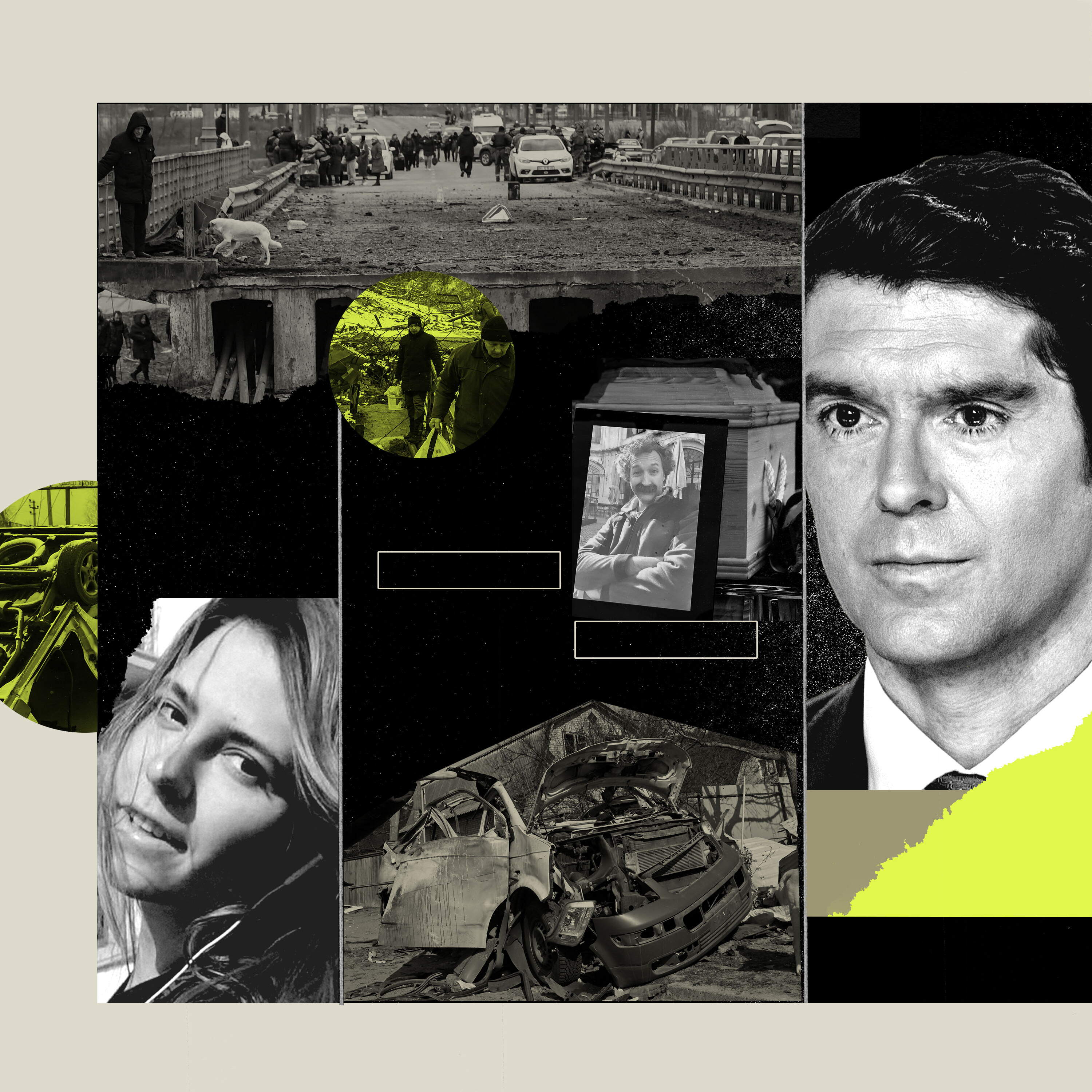
This Up First episode examines the tragic death of two Fox News journalists and severe wounding of correspondent Benjamin Hall during coverage of the Ukraine war near Kyiv. The story, reported by NPR's David Folkenflik, centers on allegations that Fox News prioritized dramatic war imagery over journalist safety. Hall…
Worth it if you care about media ethics, journalist safety, or want to understand the pressures and failures that led to deaths in Ukraine war coverage.
Up First is NPR's daily news briefing covering three major stories from early October 2026. The episode opens with economic news: U.S. job growth fell short of expectations in the previous month, with a notable spike in Black unemployment—a concerning sign amid broader labor market softness. The second segment…
Worth it if you want a quick, current overview of major news stories during your morning routine or commute, but not if you need detailed analysis or context.