
Can clergy candidates help Democrats win in red states?
Evaluation and Summary
Up First examines a notable trend in the 2026 midterm elections: an unusually high number of Democratic candidates for Congress who are members of the clergy. The episode explores whether these faith-based candidates can help Democrats win in traditionally Republican-leaning districts while also appealing to the party's secular base—a potential tension worth investigating. NPR's religion correspondent Jason DeRose follows four specific candidates running competitive races in Texas and Iowa, providing on-the-ground reporting from key battleground areas. The episode frames this as part of Democrats' broader strategy to flip seats in the midterms, suggesting that clergy candidates might represent an untapped demographic bridge or messaging opportunity. The reporting appears to focus on the candidates' backgrounds, their appeal in their respective districts, and how they navigate the intersection of faith and Democratic politics. The episode promises insight into whether this strategy could actually work—whether voters in red states will support Democratic clergy members, and whether secular Democrats will embrace candidates whose primary identity is religious. The show notes indicate this is a timely political story tied directly to the November elections, making it relevant to current events. However, the description provides limited detail about specific findings, candidate names, or what conclusions DeRose reaches about the viability of this strategy.
Verdict: A timely, well-sourced political story with direct reporting on a genuine 2026 election trend, though the show notes don't reveal whether the episode delivers surprising insights or remains at surface level.
News rubric
-
Accuracy and sourcing 3/5 20%
NPR's religion correspondent Jason DeRose conducted direct reporting with four named candidates in specific states, suggesting primary sourcing, though the show notes don't detail what other sources or data were consulted.
-
Balance and context 3/5 20%
The episode frames a genuine tension (clergy candidates appealing to both religious and secular Democrats) and follows multiple candidates across different states, suggesting some attempt at balance, but the notes don't indicate whether Rep
-
Timeliness and relevance 5/5 15%
Published in late September 2026 ahead of November elections, directly tied to current midterm strategy and candidate recruitment, making it clearly timely and relevant to voters.
-
Substance 3/5 15%
Following four specific candidates in competitive races suggests solid reporting and real stories, but the show notes lack detail about specific insights, quotes, or data that would indicate how dense the content actually is.
-
Delivers on its title 4/5 15%
The title asks whether clergy candidates can help Democrats win in red states; the episode follows four candidates in competitive Texas and Iowa races and explores the tension with the secular base, directly addressing the question posed.
-
Value for time 3/5 15%
At 33 minutes with four candidate profiles and thematic exploration, the length seems reasonable for the scope, though without hearing the episode it's unclear if pacing drags or if content is efficiently delivered.
Worth it if you're interested in 2026 midterm strategy, the intersection of faith and Democratic politics, or how parties recruit candidates in hostile terrain.
Based on the episode description. AI-generated; it can be wrong.
Show notes
More from Up First from NPR
Up First is NPR's daily news briefing podcast, and this 14-minute episode covers three major stories from October 8, 2026. The first segment (starting at 1:51) focuses on Hurricane Isaias preparations along the Alabama and Florida Gulf Coast, with officials warning of flooding, damaging winds, and disruptions to…
Worth it if you want a quick, reliable daily news update covering major stories without deep analysis or lengthy commentary.
Up First is NPR's daily news briefing podcast, and this 13-minute episode covers three major international stories. The first segment (starting at 1:51) addresses threats to U.S. military bases overseas, specifically reporting that the U.S. military withdrew a dozen bombers from Britain after officials identified a…
Worth it if you want a quick, reliable daily news update covering major international developments without deep analysis.
Up First is NPR's daily news briefing covering three major stories from October 6, 2026. The episode opens with midterm election polling showing Democrats holding an advantage with four weeks until voting, with the party becoming increasingly competitive in Senate races previously considered safe Republican territory.…
Worth it if you want a quick, professionally curated daily news update covering major political, international, and business stories without deep dives or extended commentary.
Up First is NPR's daily news briefing covering three major stories from October 5, 2026. The episode opens with an investigation into the FlyDubai crash, revealing that the co-pilot who attacked the captain intended to crash the plane into Israel's Ben Gurion Airport. The segment raises questions about how the pilot…
Worth it if you want a quick, reliable morning news summary covering major international and domestic stories without deep analysis.
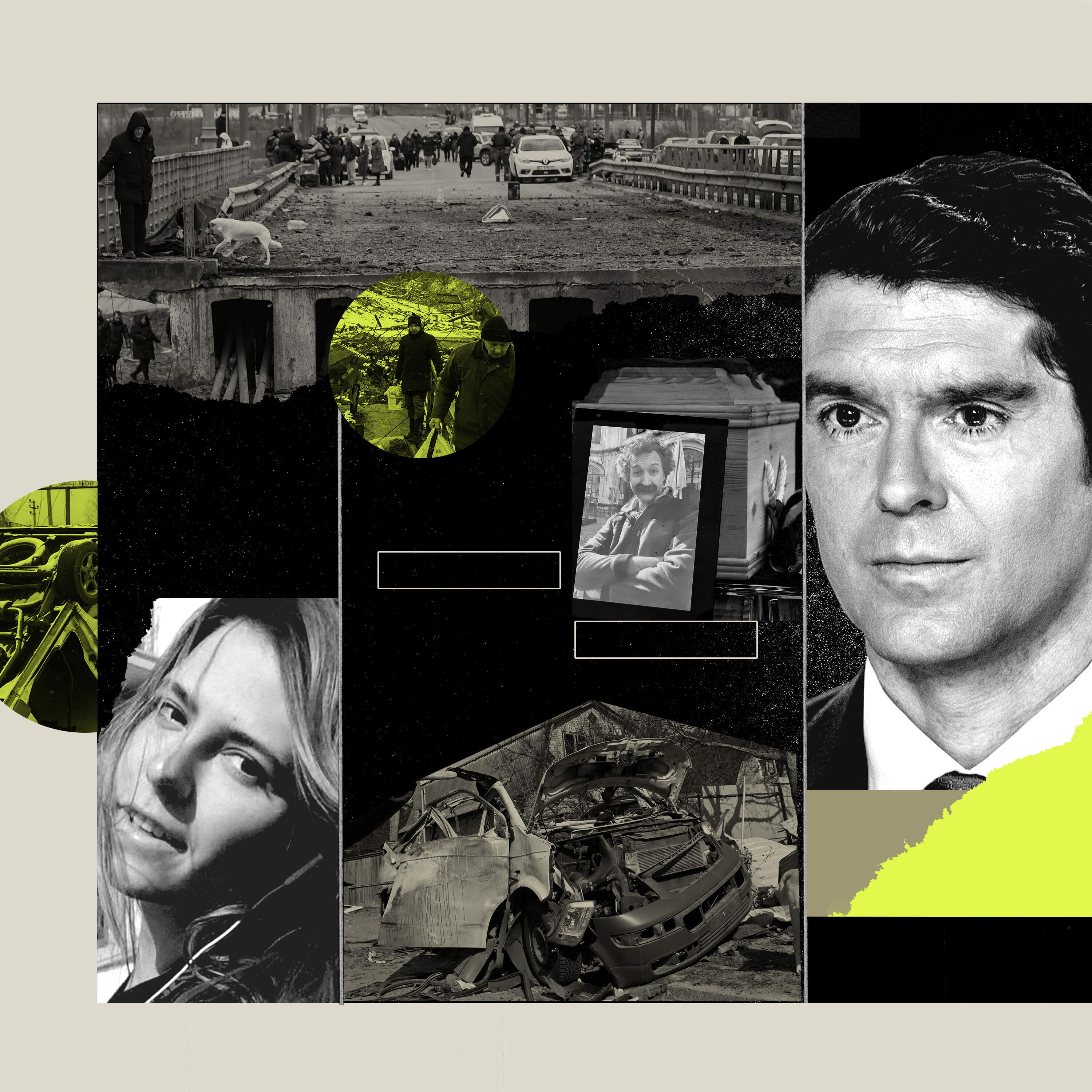
This Up First episode examines the tragic death of two Fox News journalists and severe wounding of correspondent Benjamin Hall during coverage of the Ukraine war near Kyiv. The story, reported by NPR's David Folkenflik, centers on allegations that Fox News prioritized dramatic war imagery over journalist safety. Hall…
Worth it if you care about media ethics, journalist safety, or want to understand the pressures and failures that led to deaths in Ukraine war coverage.
Up First is NPR's daily news briefing covering three major stories from early October 2026. The episode opens with economic news: U.S. job growth fell short of expectations in the previous month, with a notable spike in Black unemployment—a concerning sign amid broader labor market softness. The second segment…
Worth it if you want a quick, current overview of major news stories during your morning routine or commute, but not if you need detailed analysis or context.