
Investigating the system that protected Sean “Diddy” Combs
Evaluation and Summary
Fresh Air's episode centers on Sean Combs' fall from power in hip-hop and the systemic failures that enabled his alleged misconduct for decades. Rolling Stone investigative reporter Cheyenne Roundtree, who spent years interviewing former employees and associates, discusses her book Bad Boy for Life: The Rise and Fall of Sean Combs. The core revelation is that Combs' employees—many of them aspiring musicians and industry newcomers—were effectively required to participate in covering up domestic violence against his girlfriends as part of their job duties. Roundtree explores how Combs' immense power in the music industry created a structure where workers felt unable to refuse or report what they witnessed, normalizing complicity as a condition of employment and career advancement. Host Tonya Mosley guides the conversation through how institutional power dynamics and industry silence protected Combs for three decades despite widespread knowledge of his behavior. The episode also includes a brief film review segment where critic Justin Chang reviews the action thriller Your Mother Your Mother Your Mother, though this appears tangential to the main investigative focus.
Verdict: A well-reported investigative segment with genuine access and systemic insight, though undermined by an incongruous film review that fragments the episode's focus.
Arts rubric
-
Insight into the work 4/5 20%
Roundtree's investigation reveals systemic mechanisms of abuse and complicity—not just Combs' actions but how institutional power silenced witnesses and made employees complicit.
-
Expertise and access 5/5 20%
Roundtree spent years interviewing former employees and insiders, providing direct access to primary sources and demonstrated investigative authority on the subject.
-
Sparks curiosity 4/5 15%
The framing of how power structures enabled abuse for decades creates compelling questions about industry accountability and employee vulnerability.
-
Substance 4/5 15%
The main segment appears substantive with detailed reporting from multiple sources; the film review segment is filler that dilutes focus.
-
Delivers on its title 5/5 15%
Title promises investigation of 'the system that protected' Combs; episode directly examines institutional mechanisms, power dynamics, and complicity that enabled his behavior.
-
Value for time 3/5 15%
46 minutes is reasonable for investigative depth, but the unrelated film review segment wastes time that could deepen the main investigation.
Worth it if you want to understand how institutional power and industry silence enabled abuse, or are interested in how workplace dynamics protect powerful figures from accountability.
Content flags
- Sensitive Episode discusses domestic violence and systemic abuse; appropriate context but distressing subject matter.
Based on the episode description. AI-generated; it can be wrong.
Show notes
More from Fresh Air
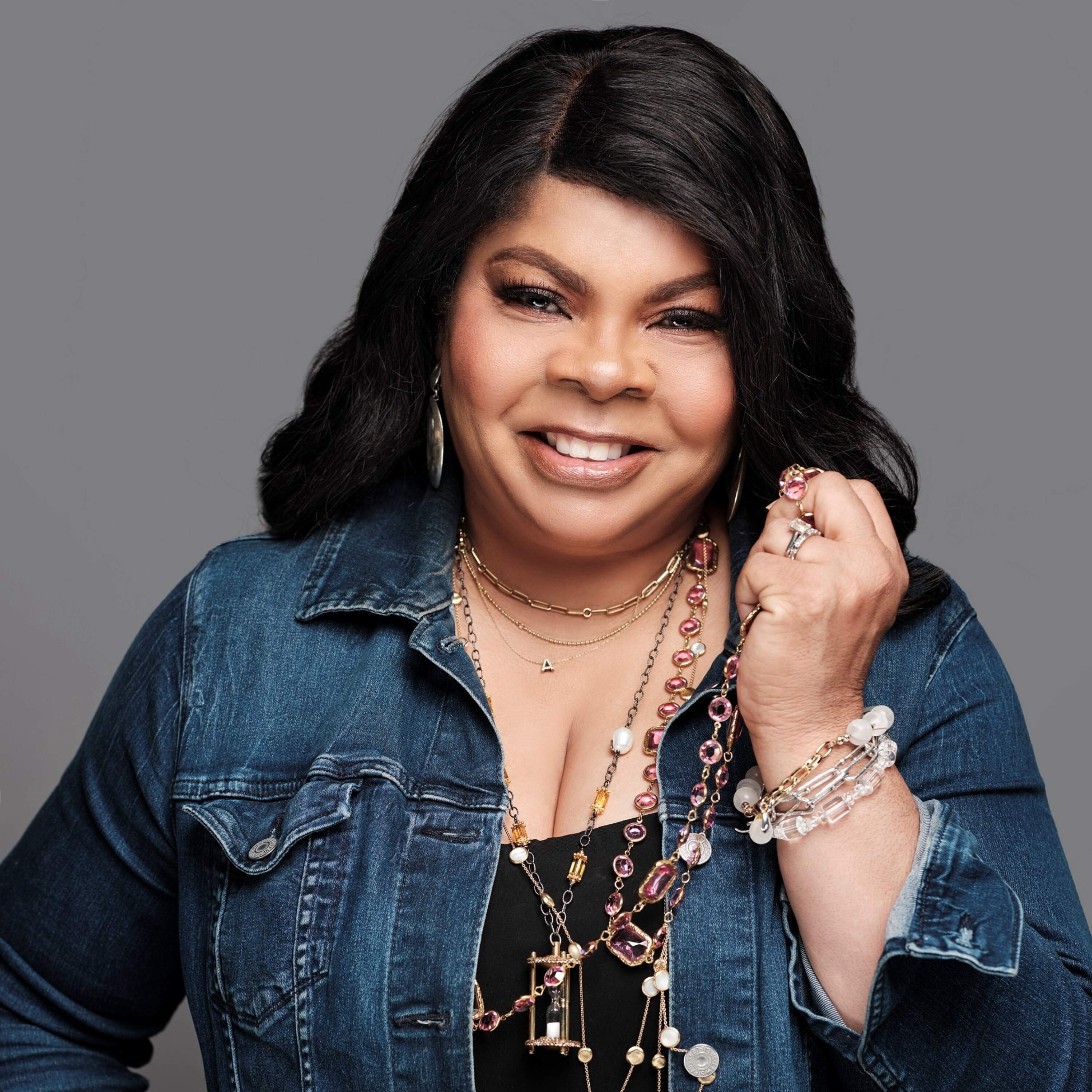
Fresh Air presents two distinct segments in this 44-minute episode. The primary interview features veteran White House reporter April Ryan discussing her book 'Notes on a Blacklash,' which examines her decades-long career pressing presidents for answers. Ryan discusses themes of access, power, and race in American…
Worth it if you're interested in White House journalism, political access, or firsthand accounts of navigating race in mainstream media.
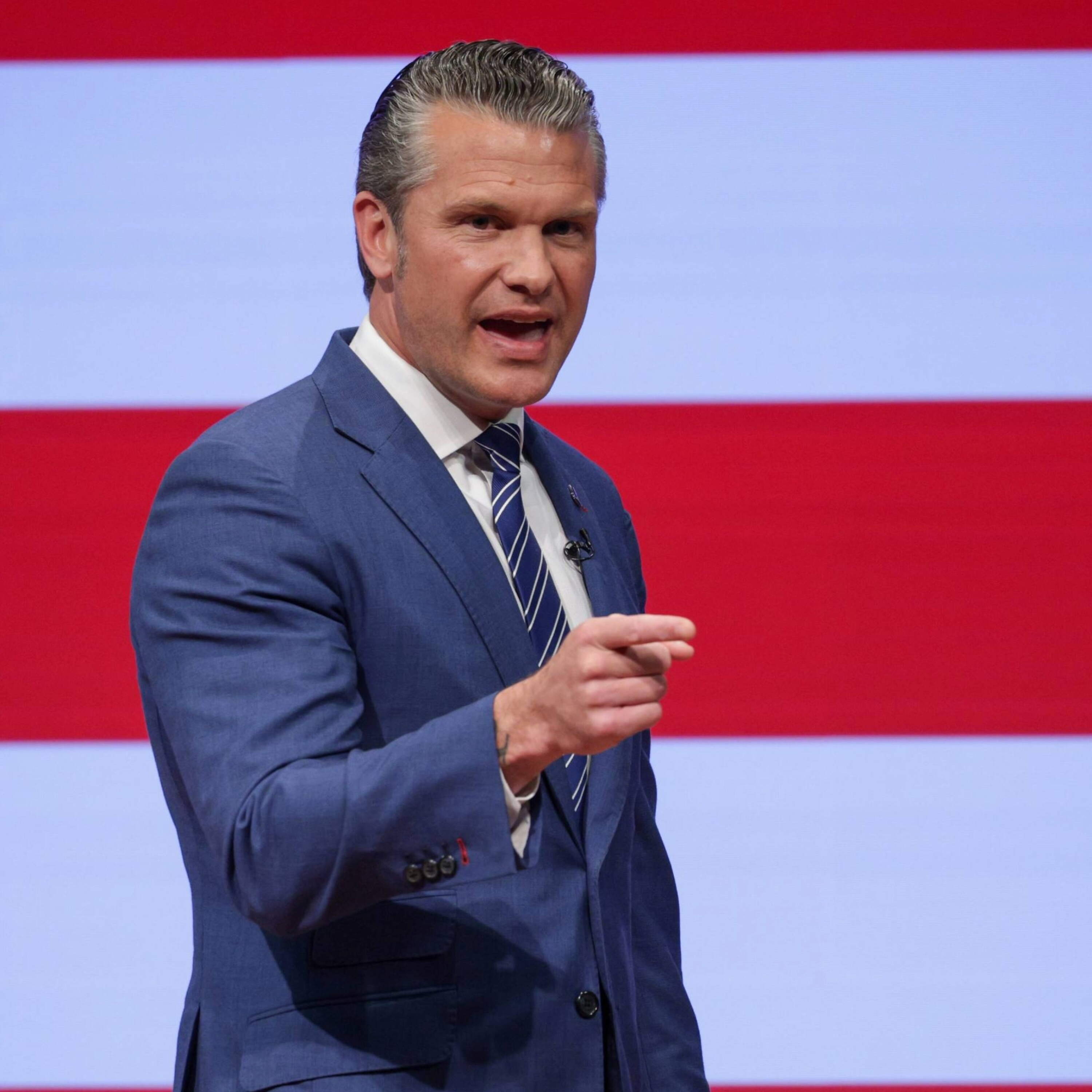
Fresh Air's Dave Davies interviews New York Times military and Pentagon reporter Greg Jaffe about Defense Secretary Pete Hegseth's tenure and his approach to military leadership through the lens of culture war politics. Jaffe, who covers the Pentagon beat, discusses how Hegseth has departed from the traditional role…
Worth it if you're interested in how military leadership is changing under the current administration or want reporting on the intersection of politics and Pentagon policy.

Fresh Air's Terry Gross interviews Murray Hill, an entertainer and author whose new memoir is titled Showbiz! My Life as a Middle-Aged Man. Hill is known for hosting drag king shows, queer cabarets, and burlesque performances, and currently appears on HBO's Somebody Somewhere as Fred Rococo, a soil scientist trans man…
Worth it if you're interested in LGBTQ+ performance, memoir, or in-depth conversations about identity, community-building, and the intersection of personal life and artistic work.
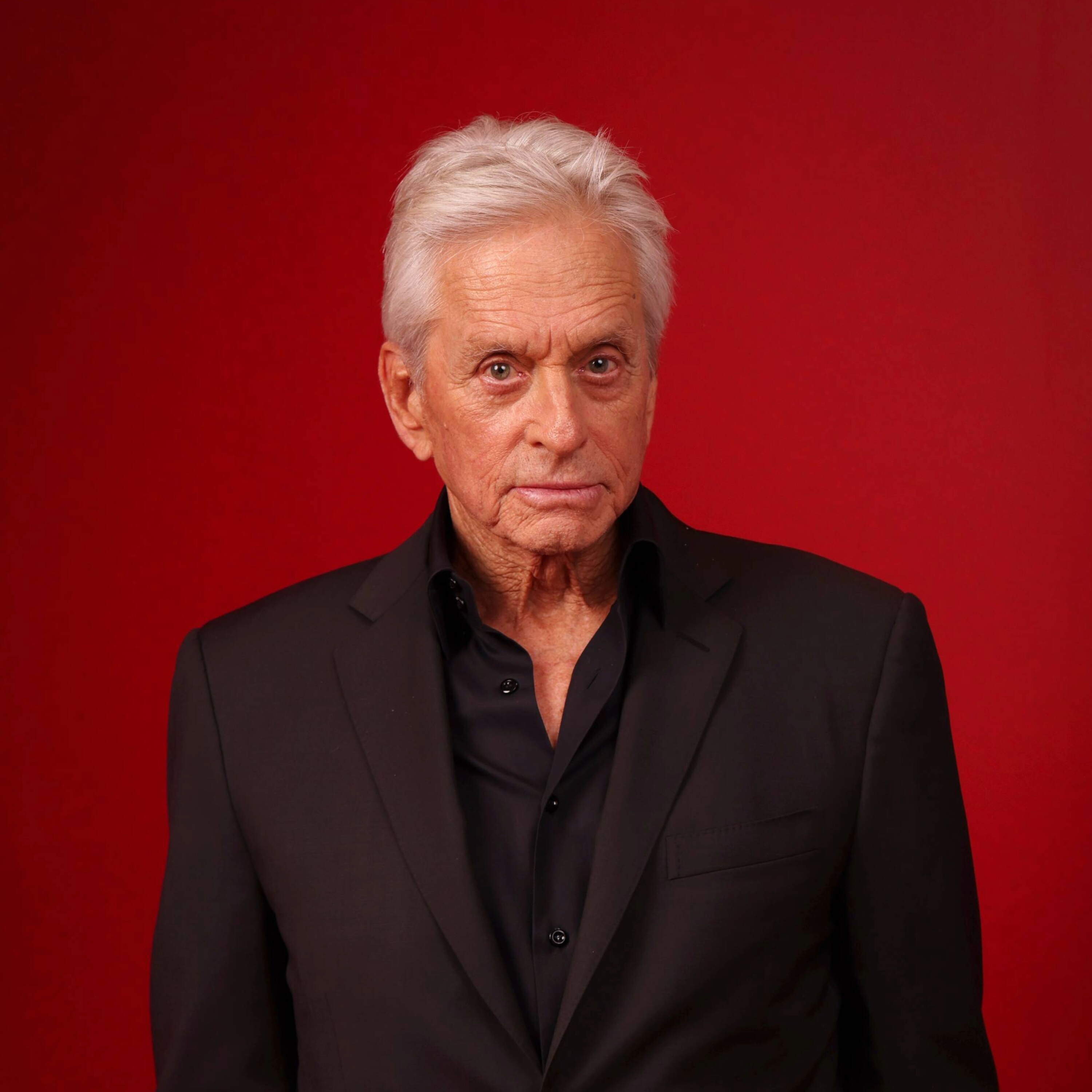
Fresh Air's Terry Gross (or Tonya Mosley as noted) interviews Michael Douglas about his memoir "One Helluva Ride," focusing on the pivotal year of 1987 when he starred in both "Fatal Attraction" and "Wall Street." Douglas discusses how winning the Oscar for Best Actor for "Wall Street" as Gordon Gekko finally allowed…
Worth it if you're interested in Michael Douglas's career trajectory, the personal costs of Hollywood success, or want insight into his memoir before reading it.

This Fresh Air episode is a compilation of three distinct segments. The first features actor Kyle MacLachlan discussing his decades-long creative partnership with David Lynch, beginning with his audition for Dune at age 23 and continuing through Blue Velvet and Twin Peaks. MacLachlan reflects on Lynch's creative…
Worth it if you enjoy Fresh Air's magazine format and want a sampler of entertainment history, cybercrime reporting, and book criticism in one sitting.

Fresh Air celebrates minimalist composer Steve Reich's 90th birthday by revisiting archival interviews with the composer from 1989 and 1999, conducted by Terry Gross. The episode explores Reich's foundational role in minimalist music and his far-reaching influence across classical, electronic, jazz, and pop genres.…
Worth it if you're interested in minimalist music history, want to hear Reich reflect on his own work across different periods, or are curious about the diverse cultural sources behind his compositional vocabulary.