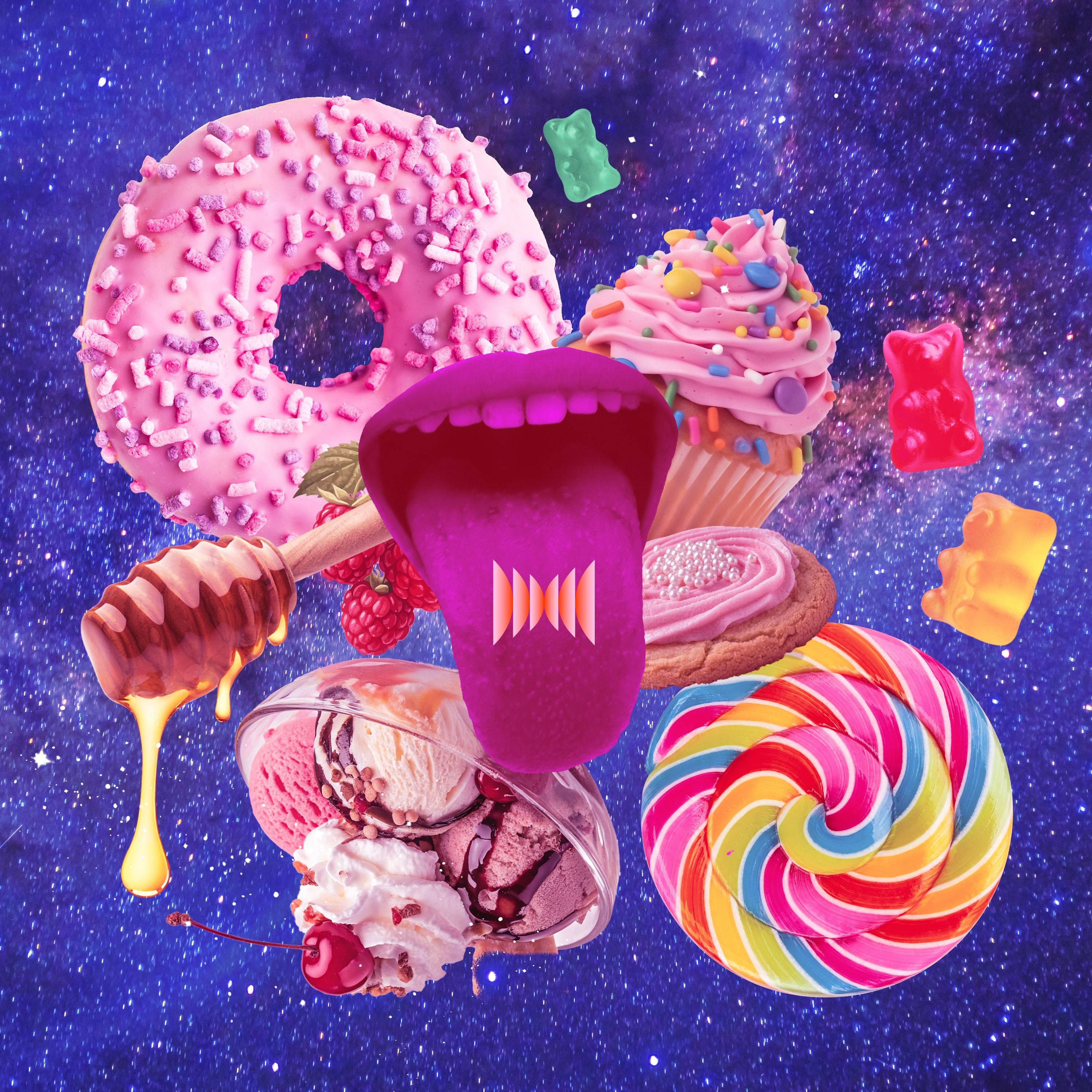
The Sweetest Thing
Evaluation and Summary
Radiolab's 'The Sweetest Thing' follows co-host Latif Nasser on a quest sparked by his sons' simple question: what is the sweetest thing in the world? The episode explores multiple candidates for ultimate sweetness, including the West African Katemfe berry, industrial sugar substitutes developed in laboratories, and common pantry ingredients. Rather than settling on a single answer, the episode uses sweetness as a lens to examine deeper questions about taste perception, sensory biology, and human desire. The reporting draws on interviews with leading experts: experimental psychologist Charles Spence at Oxford, sweetness chemist Grant DuBois, Danielle Reed from the Monell Chemical Senses Center, and nutritional scientist Sarah Berry at King's College London. The episode also features food experts Nicola Twilley and Cynthia Graber from Gastropod, as well as celebrity food personalities Claire Saffitz and Sam Seneveratne, who participated in a live version at the Tribeca Festival. Key themes include how our tongues and unexpected body parts determine taste preferences, the chemistry behind artificial sweeteners, and the psychology of desire for increasingly sweet experiences. The episode appears to blend scientific investigation with personal narrative, using Nasser's family moment as an entry point to broader questions about sensory perception and food science. The production is notably polished, with original sonic composition by Jialin Deng and hosted at Columbia University's Mortimer B Zuckerman Mind Brain Behavior Institute. The episode includes citations to published articles on sugar redesign, the history of sweetness, and even sugar in space, suggesting substantive research backing. At 31 minutes, the episode balances accessibility with scientific depth, featuring multiple expert perspectives while remaining grounded in a relatable personal question. The Tribeca Festival connection and involvement of well-known food media figures (Gastropod, Saffitz) suggests high production values and credible sourcing. The episode promises to challenge listeners' assumptions about what sweetness actually is, moving beyond simple taste to explore the neuroscience and chemistry underlying one of humanity's most fundamental sensory experiences.
Verdict: A well-researched, expertly-produced episode that uses a charming personal question to explore genuine science about taste, chemistry, and sensory perception with credible sources and polished execution.
Science rubric
-
Scientific accuracy 4/5 20%
Multiple credentialed experts (Oxford psychologist, Monell chemist, King's College nutritionist) consulted; citations provided; no obvious red flags in framing, though depth cannot be fully verified from notes alone.
-
Clarity for non-experts 4/5 20%
Framed around accessible personal question (child's query) with expert voices; Radiolab's trademark style makes science digestible; 31 minutes suggests pacing for general audience.
-
Sense of discovery 4/5 15%
Explores unexpected angles (body parts beyond tongue, industrial alternatives, pantry ingredients); questions fundamental assumptions about sweetness; fresh framing of familiar topic.
-
Substance 4/5 15%
Multiple expert interviews, cited research, exploration of chemistry and psychology; personal narrative anchors content; 31 minutes with this guest roster suggests substantive material without excessive padding.
-
Delivers on its title 5/5 15%
Title directly matches episode premise (quest to find sweetest thing); description promises exploration of what sweetness is and how we perceive it; both delivered according to notes.
-
Value for time 4/5 15%
31 minutes is tight for multiple expert interviews and narrative arc; Radiolab known for efficient pacing; length appears justified by scope, though some padding likely present.
Worth it if you enjoy Radiolab's signature blend of personal narrative and scientific curiosity, or have genuine interest in food science, sensory perception, and the chemistry of taste.
Based on the episode description. AI-generated; it can be wrong.
Show notes
More from Radiolab
A 4-Track Mind explores the neuroscience of musical multitasking through the story of Bob Milne, one of the world's best ragtime piano players. Reporter Jessica Benko visits Michigan to investigate Bob's extraordinary ability: he can play technically demanding classical and ragtime pieces while simultaneously carrying…
Worth it if you enjoy Radiolab's narrative-driven science storytelling and are curious about the neuroscience of musical talent and cognitive multitasking.
In this 22-minute episode, Radiolab explores the overlooked but transformative role of grass in human history and biology. Hosted by Molly Webster and featuring biologist and writer David George Haskell, the episode frames grass as far more than a mundane lawn or allergen—it's a planetary force that has shaped human…
Worth it if you enjoy Radiolab's narrative-driven approach to science and want a quick, engaging introduction to grass's role in human history rather than a rigorous deep dive.

This Radiolab episode, originally released in 2013 and rebroadcast in 2026, tells the deeply personal story of Kelley Benham and Tom French, journalists who faced an extraordinary medical and moral crisis when their daughter Juniper was born at 23 weeks and 6 days gestation—roughly halfway through a normal pregnancy.…
Worth it if you're interested in medical ethics, parenting dilemmas, the limits of modern medicine, or deeply human narratives that resist easy answers.
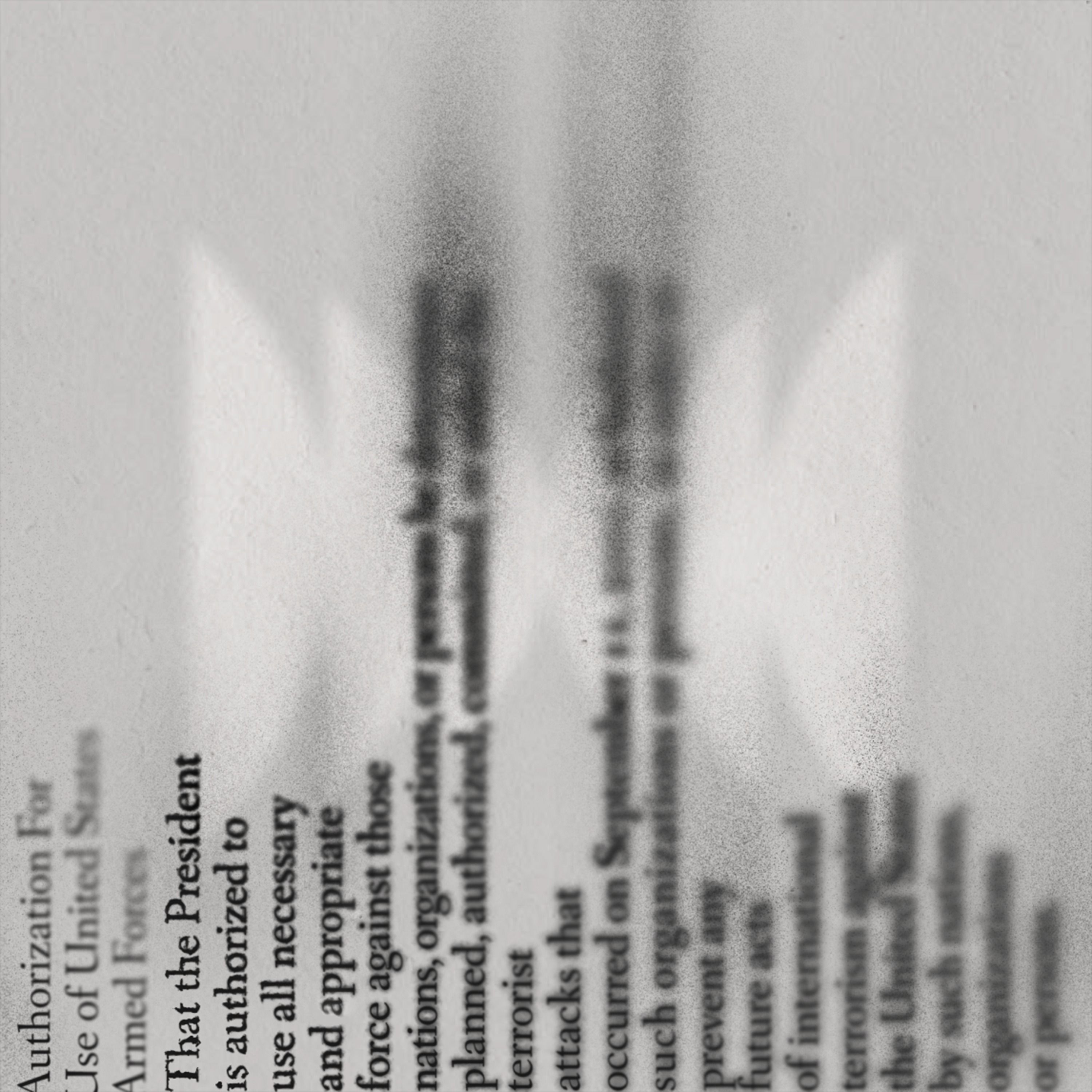
This Radiolab episode examines the Authorization for Use of Military Force (AUMF), a law signed by President George W. Bush in the immediate aftermath of 9/11. At the heart of this legislation lies a single 60-word sentence that has become the legal foundation for the entire "war on terror" and the longest war in U.S.…
Worth it if you're interested in post-9/11 policy, constitutional law, the war on terror, or how legal language shapes military and foreign policy for decades.