Monsters, Magic, and Anglo-Saxon Heroes 🐉⚔️ | The Strange World of Old English Literature | Boring History for Sleep
Evaluation and Summary
This nearly 5-hour episode from Boring History for Sleep explores Old English literature and Anglo-Saxon storytelling, with a focus on monsters, magic, heroic figures, and the supernatural. The episode centers on Beowulf, described as one of the most famous heroic poems of the early medieval period, and uses it as a lens to understand Anglo-Saxon culture and imagination. The show notes promise an exploration of several interconnected themes: the heroes celebrated in Anglo-Saxon poetry, the cultural significance of monsters in these narratives, magical traditions in Old English literature, and what surviving works reveal about the people who created and preserved them. The episode frames itself as a "calm journey" through ancient poetry, legendary creatures, and forgotten traditions, positioning the content as both educational and conducive to relaxation or sleep. The description emphasizes that Old English literature reveals a culture where courage, fate, loyalty, and the supernatural were deeply interwoven, suggesting the episode will examine how these values manifested in the stories that mattered to Anglo-Saxon audiences. No guest experts are mentioned in the available material, and the structure appears to be a narrative documentary format rather than interview-based. The episode's framing as part of a series dedicated to "soft stories about ancient literature, forgotten legends, monsters, and the people who imagined them" suggests a storytelling approach prioritizing accessibility and atmosphere over academic rigor, though the show notes do pose substantive historical and literary questions about why certain narrative elements mattered to this culture.
Verdict: A competently framed exploration of Old English literature with clear thematic focus, but the extreme length for a sleep-oriented format and reliance on well-known source material limit its appeal; worth sampling if you enjoy atmospheric deep-dives but risky as a time investment.
Science rubric
-
Scientific accuracy n/a
No specific claims about facts, dates, or interpretations are detailed in the show notes; cannot assess accuracy without hearing the actual content.
-
Clarity for non-experts 4/5 25%
Show notes emphasize 'calm journey' and 'soft stories' framing, suggesting accessibility; no jargon-heavy language in the description, though actual delivery is unverifiable.
-
Sense of discovery 3/5 19%
Beowulf and Anglo-Saxon literature are well-trodden ground; the angle of examining monsters and magic through cultural values offers some fresh perspective but is not groundbreaking.
-
Substance 3/5 19%
Show notes outline clear thematic questions (heroes, monsters, magic, cultural values) suggesting substantive content, but 4h 56m runtime raises concerns about padding for a sleep-focused format.
-
Delivers on its title 4/5 19%
Title promises monsters, magic, and Anglo-Saxon heroes; show notes confirm all three are covered, with Beowulf as central text; description aligns well with title's promises.
-
Value for time 2/5 19%
Nearly 5 hours for a sleep podcast is extremely long; unclear if content justifies this runtime or if it relies on slow pacing and repetition to induce drowsiness rather than maintain engagement.
Worth it if you're interested in Anglo-Saxon culture and Beowulf, enjoy long-form narrative documentaries, or want background material for sleep that doesn't require active engagement.
Based on the episode description. AI-generated; it can be wrong.
Show notes
More from Boring History for Sleep
This 3-hour 33-minute episode from Boring History for Sleep examines the Bronze Age Collapse, a period around the 12th century BCE when multiple advanced civilizations across the eastern Mediterranean and Near East experienced simultaneous decline. The episode explores what happened to the Mycenaean world, the Hittite…
Worth it if you're interested in ancient history, enjoy long-form narrative content, or want educational background listening before bed—but not if you want dense analysis or novel insights.
This episode from 'Boring History for Sleep' promises a 35-minute overview of 2,000 years of Japanese history but runs 4 hours and 10 minutes—a significant discrepancy that immediately signals a mismatch between title and delivery. The description outlines an ambitious scope: ancient kingdoms, the imperial court, the…
Worth it if you have 4+ hours to spend on a broad, sleep-oriented overview of Japanese history and don't mind the discrepancy between advertised and actual runtime.
This 3h 43m episode from Boring History for Sleep covers the Apollo 11 mission comprehensively, tracing the narrative from the origins of the Moon landing program through the Space Race context, spacecraft construction and testing, astronaut training for Neil Armstrong, Buzz Aldrin, and Michael Collins, the launch,…
Worth it if you want a soothing, detailed retelling of Apollo 11 as a bedtime listen rather than a brisk or revelatory account of the mission.
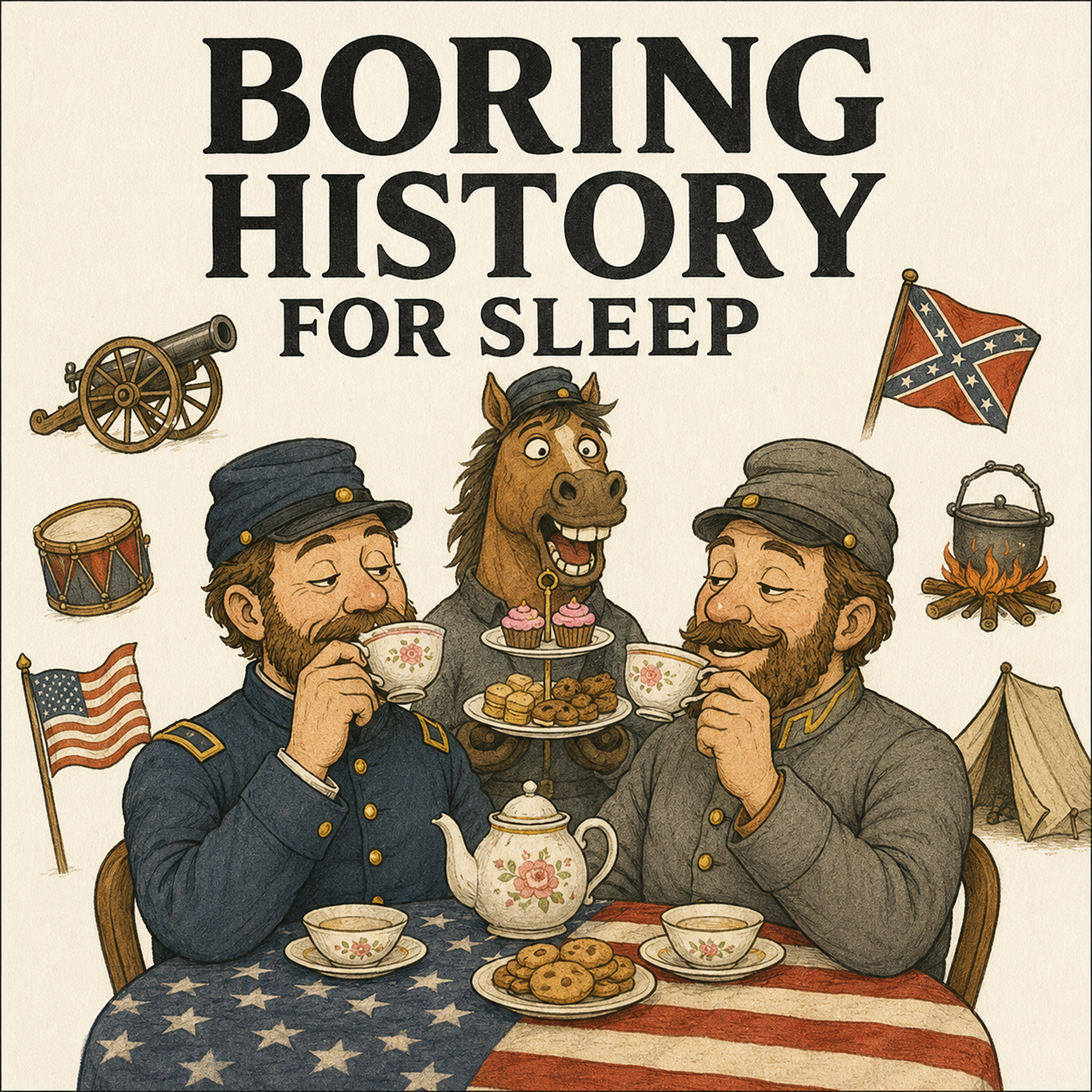
Boring History for Sleep presents a 4-hour 16-minute deep dive into lesser-known aspects of the American Civil War, positioning itself as an alternative to standard textbook narratives. According to the show notes, the episode explores overlooked stories and complicated details beyond the familiar framework of famous…
Worth it if you enjoy Civil War history and want alternative perspectives, but only if you can tolerate a slow, sleep-oriented pace and don't mind committing 4+ hours without knowing which specific stories are featured.
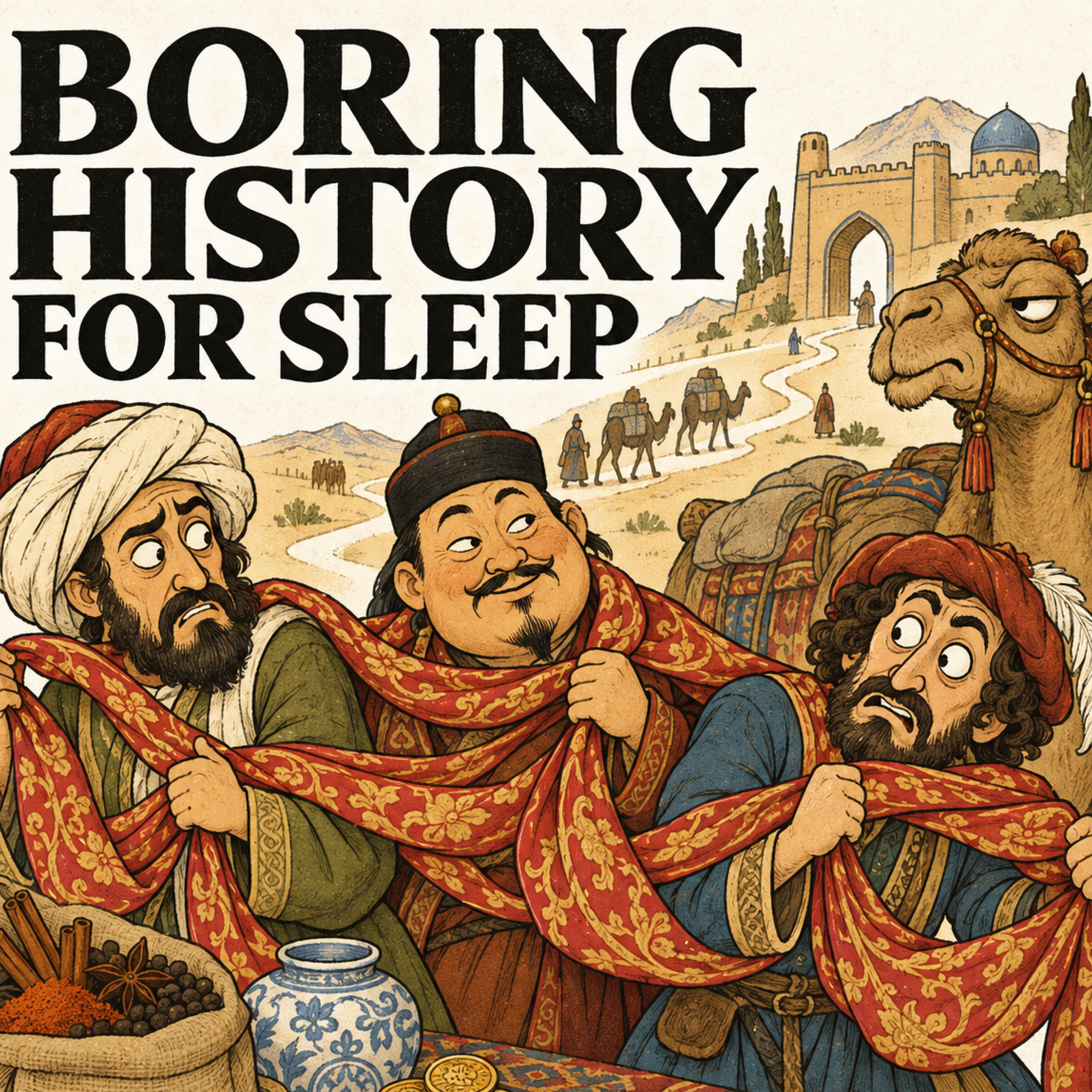
This 3h 42m episode from Boring History for Sleep explores the Silk Road as a vast network of trade routes connecting Asia, the Middle East, and Europe over thousands of years. The description promises a comprehensive documentary covering how the Silk Road developed, who traveled it, and what moved across it. The…
Worth it if you enjoy long-form historical narratives as background listening and want a broad overview of Silk Road trade, culture, and geography without needing cutting-edge scholarship or expert analysis.
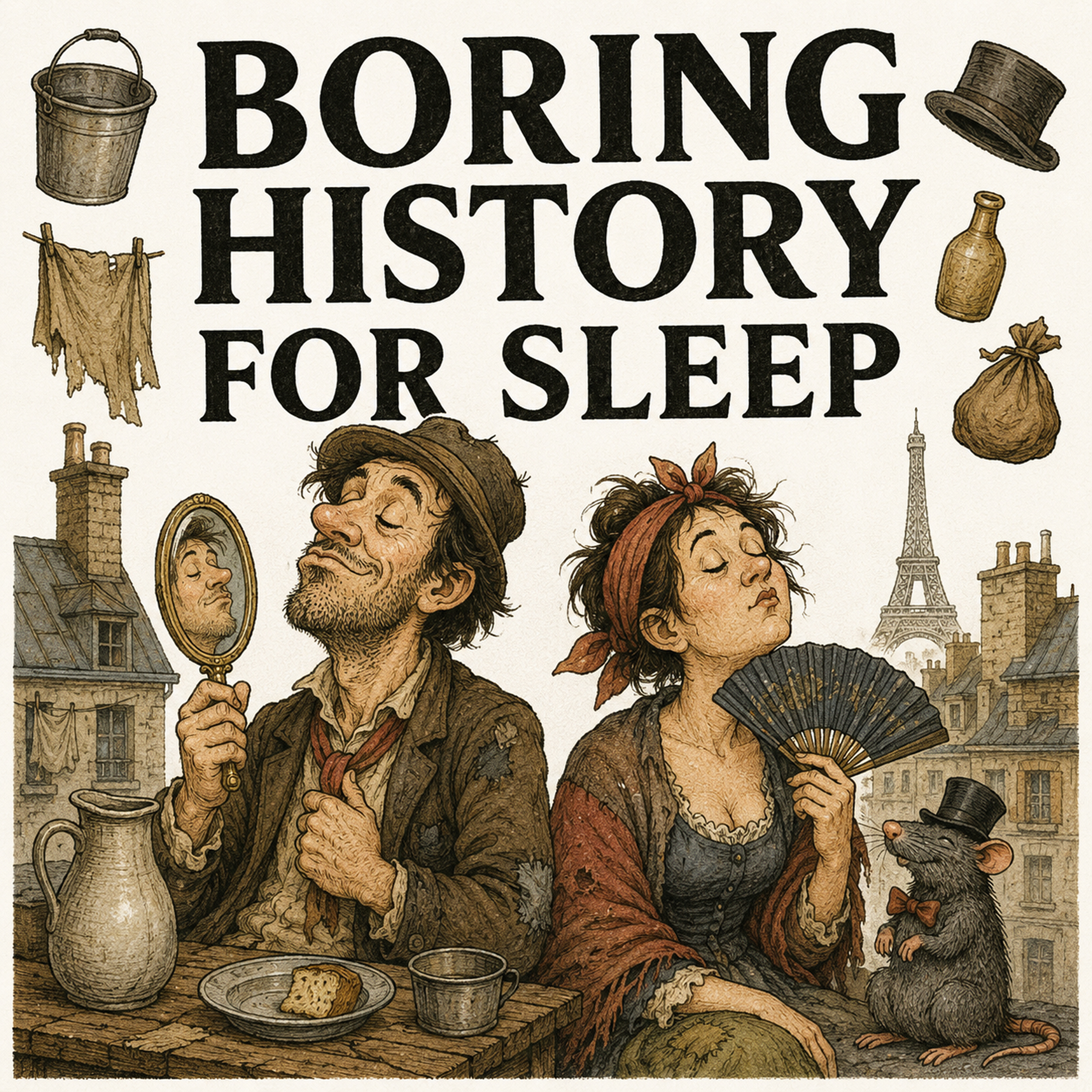
Boring History for Sleep's episode on 19th-century Parisian slums explores the contrast between the city's famous glamorous image and the harsh reality of working-class life. The episode promises a "calm journey" through crowded neighborhoods, examining poverty, sanitation, dangerous labor conditions, and the daily…
Worth it if you want a very long, calm audio backdrop about 19th-century social history and don't mind a broad, narrative approach over rigorous detail.