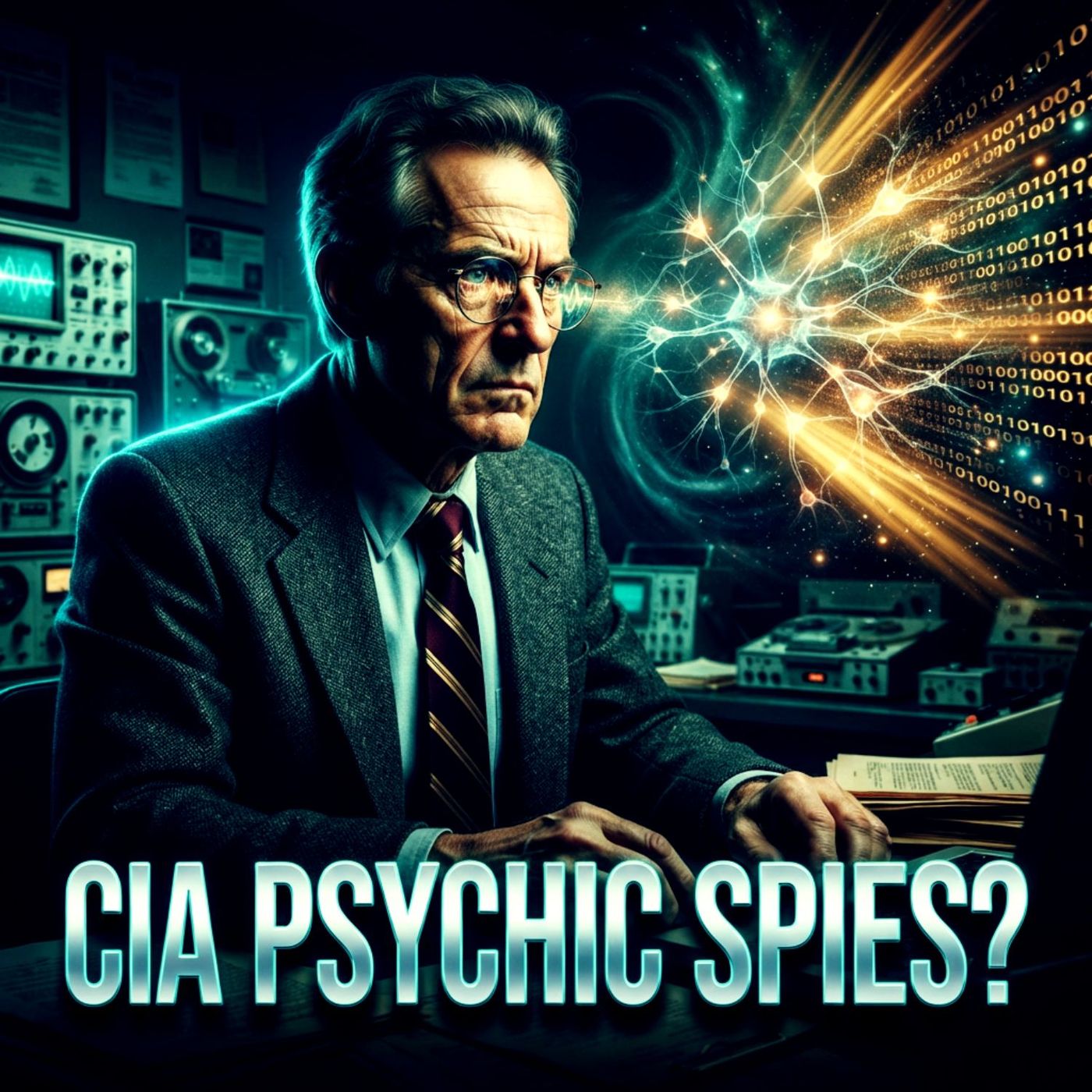
The CIA’s Secret Psychic Program: Science, Spies, and the Truth About ESP
Evaluation and Summary
Thrilling Threads examines the CIA's Stargate Project, a classified Cold War program that allegedly investigated remote viewing and psychic phenomena for intelligence gathering. The episode frames this around a recent interview with Dr. Edwin May, a physicist who spent decades researching whether psychic abilities have scientific grounding. The show promises to explore several angles: how a materialist scientist came to take paranormal claims seriously, potential quantum physics explanations for ESP, whether psychic ability is learnable or innate, and the actual operational use of remote viewing in espionage missions. The episode positions itself as a bridge between skepticism and fringe science, targeting both conspiracy enthusiasts and science-minded listeners curious about unexplained human potential. The show notes emphasize the 'materialist paradox'—the tension between hard science and paranormal claims—and reference concepts like Shannon Entropy and consciousness. The framing suggests the episode will move beyond sensationalism to explore legitimate scientific inquiry into phenomena typically dismissed as 'woo-woo.'
Verdict: The episode tackles an inherently interesting topic but relies on hype and broad claims rather than rigorous analysis, offering little evidence of substantive reporting, diverse perspectives, or critical thinking.
Society & Culture rubric
-
Fresh perspective 3/5 20%
The Stargate Project is well-documented; the angle of a skeptical physicist endorsing it offers some novelty, but the core narrative (government psychic programs, quantum explanations) is familiar conspiracy-podcast territory.
-
Storytelling and voices 2/5 20%
Show notes mention one guest (Dr. Edwin May via a Mayim Bialik interview reference) but provide no indication of diverse voices, personal narratives, or how the hosts engage with the material beyond summarizing it.
-
Thoughtfulness 2/5 15%
The description leans toward promotional enthusiasm ('mind-bending reality,' 'might change how you see yourself') rather than critical examination; no acknowledgment of counterarguments, methodological limits, or honest skepticism is eviden
-
Substance 2/5 15%
Show notes list talking points (materialist paradox, Cold War missions, nature vs. nurture) but provide no evidence of depth, specific examples, data, or substantive exploration—mostly headlines and teases.
-
Delivers on its title 3/5 15%
Title promises CIA secrets, psychic programs, and truth about ESP; the Stargate Project and Dr. May interview align with this, though 'truth' is overstated given the speculative framing.
-
Value for time 2/5 15%
At 55 minutes, the episode appears to cover broad ground (physics, espionage, biology) without clear indication of depth or tight pacing; risk of surface-level treatment across multiple topics.
How we score Society & Culture
Worth it if you're already fascinated by CIA conspiracy lore and don't mind speculative framing over skeptical inquiry.
Content flags
- Clickbait Title promises 'the truth' about ESP and CIA secrets, but show notes reveal a speculative, enthusiasm-driven exploration rather than investigative revelation.
Based on the episode description. AI-generated; it can be wrong.
Show notes
More from Thrilling Threads - Conspiracy Theories, Strange Phenomena, True Crime, Unsolved Mysteries, etc!

Thrilling Threads explores Rentosertib, a pharmaceutical compound initially developed to treat a lung disease that unexpectedly showed anti-aging effects in trial participants. The episode frames this as an accidental breakthrough in AI-driven drug discovery, examining how the compound emerged from computational…
Worth it if you're curious about longevity biotech and don't mind sensationalist framing, but skip it if you want rigorous scientific analysis or expert interviews.

Thrilling Threads examines a reported story from Breaking Points about Anthropic AI and alleged secret meetings between tech CEOs and the Vatican. The episode frames this around the idea of 'AI confession booths' and explores whether industry leaders are losing control of their own technology. The show notes promise…
Worth it if you enjoy speculative tech-skepticism and don't mind unverified claims mixed with philosophical musing, but skip it if you want grounded reporting or expert analysis.
Thrilling Threads presents a reaction-based deep dive into CIA history and modern surveillance, framed around insights from Annie Jacobsen's appearance on the Dalton Fischer Podcast. The episode promises to explore the CIA's evolution from WWII 'dirty work' through contemporary operations, with particular focus on the…
Worth it if you enjoy conspiracy-adjacent content about government secrecy and don't require primary sources or fact-checking, but skip it if you want rigorous analysis or documented evidence.
Thrilling Threads examines a reported pneumonic plague death at a Siberian laboratory, framing it as a potential biological weapons leak or containment breach. The episode draws on author Annie Jacobsen's research and positions the incident as evidence of dangerous dual-use research in state-run facilities. The show…
Worth it if you enjoy conspiracy-adjacent content and don't mind speculative framing, but skip it if you want evidence-based reporting on biosecurity issues.

Thrilling Threads promises a deep exploration of history's most infamous figures—dictators, cult leaders, serial killers, and tyrants—examining how absolute power corrupts and what psychological mechanisms enable mass atrocities. The episode description frames this as a 'raw, unfiltered look' at despotism across eras,…
Worth it if you enjoy true-crime and historical documentaries, but verify the episode delivers substantive analysis rather than sensationalized storytelling before committing 67 minutes.
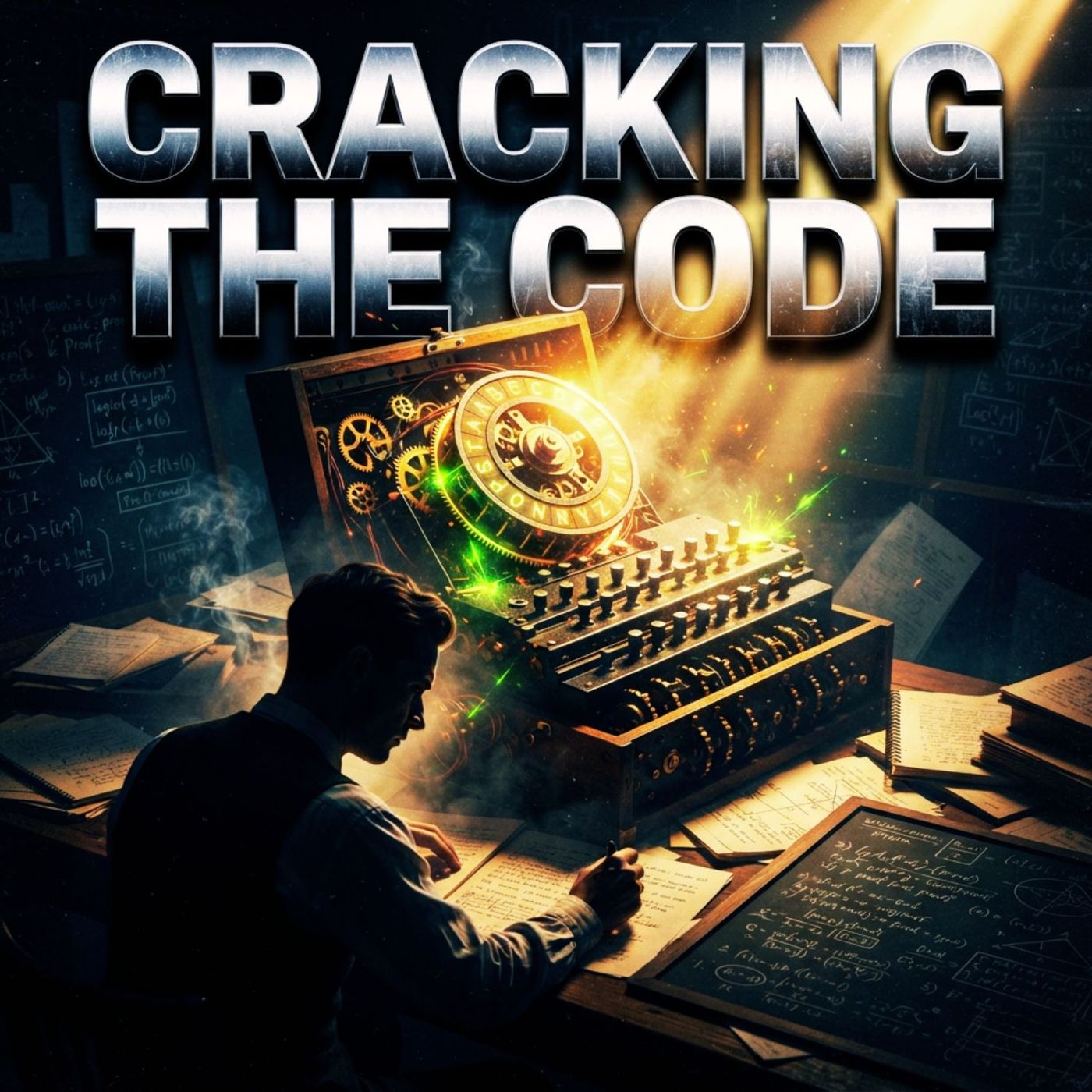
Thrilling Threads presents an episode on the Enigma machine and its role in World War II codebreaking at Bletchley Park. According to the show notes, the episode explores how mathematicians and cryptographers—led by Alan Turing—broke the Nazi's supposedly unbreakable cipher, which the hosts frame as instrumental in…
Worth it if you're new to Enigma and Bletchley Park history and enjoy dramatic narrative framing of WW2 codebreaking, but skip if you want original analysis or deep technical detail.