
How Geography Gave the US Power | Wendover Productions
Evaluation and Summary
This Wendover Productions episode explores how geography has given the United States disproportionate geopolitical and economic power. The episode is presented in audio format, repurposed from Wendover's original video content. Based on the title and Wendover's typical approach, the episode likely examines geographic advantages such as the US's position between two oceans, access to natural resources, favorable climate zones, and strategic location relative to major trade routes. Wendover Productions specializes in explaining complex systems—economics, infrastructure, logistics—so this episode probably connects geographic advantages to concrete outcomes in trade, military capability, and economic dominance. The show notes mention keywords including infrastructure, airline industry, and logistics, suggesting the episode may use specific examples of how US geography enables advantages in transportation networks, supply chains, and commerce. Wendover's production quality is consistently high, with fact-checking by William Mayne and animation by Josh Sherrington. The episode runs 14 minutes, which is relatively tight for this subject matter. The show notes reveal this is an unofficial fan-created audio adaptation of Wendover's original video content, not an official podcast production, which is an important caveat about authenticity and production intent. The episode includes a sponsor read for Squarespace and promotes Wendover's Patreon and merchandise, which is standard for the creator's ecosystem. The full script with references is available, indicating transparency about sources. Wendover's typical strength is taking broad geopolitical or economic topics and grounding them in specific, well-researched examples that make abstract concepts concrete and memorable.
Verdict: A solid educational explainer that likely delivers on its geographic-determinism premise with Wendover's characteristic clarity and examples, though the brevity and audio-only adaptation format may limit depth.
Society & Culture rubric
-
Fresh perspective 3/5 31%
Geographic determinism is a familiar framework, but Wendover typically applies it through specific infrastructure and logistics examples that offer some novel angles.
-
Storytelling and voices n/a
Source material provides no information about narrative structure, guest interviews, or voice variety in the actual episode content.
-
Thoughtfulness n/a
No details available about the depth of analysis, nuance, or critical examination of geographic determinism arguments.
-
Substance 3/5 23%
Wendover typically delivers information-dense content, but 14 minutes is brief for a complex geopolitical topic; likely solid but potentially surface-level.
-
Delivers on its title 4/5 23%
Title promises explanation of how geography gave the US power; Wendover's track record suggests direct delivery on this premise with concrete examples.
-
Value for time 4/5 23%
14 minutes is appropriately tight for an explanatory video essay adapted to audio; Wendover's pacing is generally efficient.
How we score Society & Culture
Worth it if you enjoy accessible explanations of geopolitics and economics, or want a quick primer on how US geography underpins its global influence.
Content flags
- Sponsored Episode includes Squarespace sponsor read and promotes creator's Patreon/merchandise ecosystem.
Based on the episode description. AI-generated; it can be wrong.
Show notes
More from Wendover Productions
This episode from Wendover Productions examines Elon Musk's approach to economics and business strategy. Based on the show notes, the episode appears to analyze how Musk's economic thinking applies across his various ventures, likely drawing on examples from SpaceX, Tesla, and his other companies. The episode is 14…
Worth it if you're already a Wendover Productions fan comfortable with their explainer style and willing to take a chance on an episode with minimal preview information.
This Wendover Productions episode tackles the nuclear waste problem—a critical issue in energy policy and environmental management. The 16-minute audio format (repurposed from Wendover's video content) explores how nuclear power plants generate radioactive waste and what happens to it after use. Given Wendover's…
Worth it if you want a quick, accessible primer on nuclear waste management and are already familiar with Wendover's clear explanatory style.

This Wendover Productions episode examines Volkswagen's strategic challenges and declining position in China's automotive market. The episode likely traces VW's historical dominance in China—where the company established itself as a major player through joint ventures and became synonymous with quality vehicles for…
Worth it if you're interested in automotive industry dynamics, China's economic rise, or how established multinationals navigate disruption.

This Wendover Productions episode explores the governance, sovereignty, and unique political status of the Navajo Nation, framed as 'a country within a country.' The episode appears to cover how the Navajo Nation operates as a semi-autonomous territory within the United States, examining its governmental structure,…
Worth it if you want a clear, accessible primer on Native American sovereignty and how the Navajo Nation's unique political status actually functions.
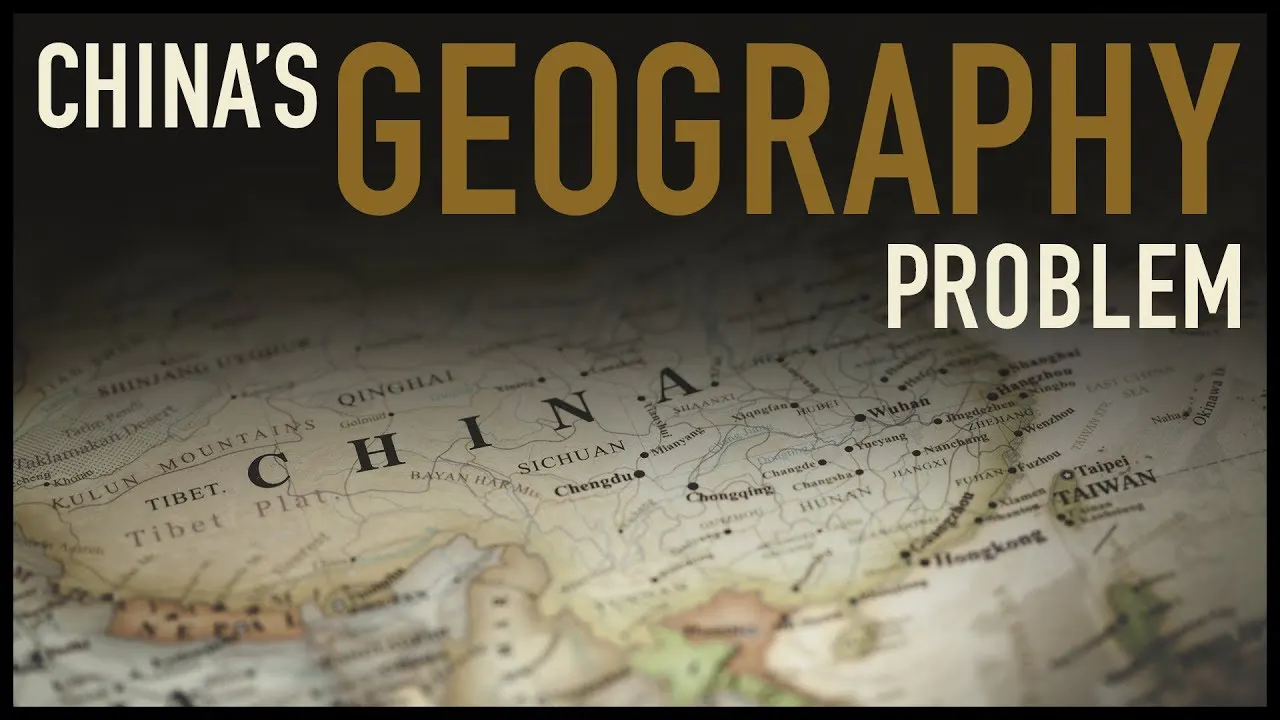
This Wendover Productions episode examines China's geographical challenges and how they shape the country's development and geopolitics. Based on the show notes, the episode appears to explore how China's physical geography—including its vast terrain, mountain ranges, and regional disparities—creates structural…
Worth it if you want a quick, accessible primer on how China's geography shapes its development and geopolitics, or enjoy Wendover's clear explanatory approach to complex systems.
This Wendover Productions episode examines the growing international movement away from the US dollar as the world's reserve currency. The episode explores how geopolitical tensions and sanctions have motivated countries to reduce their dollar dependence. Key examples include Iran and Russia, which have significantly…
Worth it if you want a data-driven overview of de-dollarization trends and their geopolitical drivers, or if you enjoy Wendover's systems-thinking approach to global economics.