
The Logistics of Living in Antarctica | Wendover Productions
Evaluation and Summary
This Wendover Productions episode explores the practical and logistical challenges of maintaining human presence in Antarctica. The episode examines how research stations like Concordia, McMurdo, and Amundsen-Scott operate in one of Earth's most extreme environments. Key topics include the infrastructure required to support year-round habitation, supply chain management across vast distances, the engineering of ice runways for aircraft operations, and the scientific work conducted at these stations. The episode touches on the unique challenges posed by Antarctica's geography—extreme cold, isolation, limited daylight during winter months, and the difficulty of emergency evacuation. It also covers the microbial life and ice core research that makes Antarctica scientifically valuable. The content is presented through Wendover's signature style: animated explanations paired with real footage from Antarctic stations and narration that contextualizes the logistical complexity. The episode is relatively brief at 17 minutes, suggesting a focused rather than exhaustive treatment of the topic. The show notes indicate this is an audio-only repurposing of original Wendover video content, meaning the episode relies on narration to convey information that was originally visual.
Verdict: A well-executed, information-dense exploration of Antarctic logistics that delivers exactly what the title promises, though it lacks the personal voices or surprising angles that would elevate it to must-listen status.
Society & Culture rubric
-
Fresh perspective 3/5 20%
Antarctica logistics is a niche topic that Wendover handles well, but the angle (how do people live there?) is fairly straightforward rather than revealing surprising new frameworks.
-
Storytelling and voices 3/5 20%
Single narrator voice with no guest interviews; relies on factual narration rather than personal stories or varied perspectives from people actually living in Antarctica.
-
Thoughtfulness 3/5 15%
Presents logistical facts and engineering solutions competently but lacks deeper reflection on why this matters or ethical dimensions of Antarctic presence.
-
Substance 4/5 15%
17 minutes covers multiple stations, supply chains, ice runways, and research applications with concrete details; dense with information though brevity limits depth on any single aspect.
-
Delivers on its title 5/5 15%
Title promises logistics of living in Antarctica; episode directly addresses how stations operate, supply chains function, and infrastructure supports human presence.
-
Value for time 4/5 15%
Tight pacing for 17 minutes with good information density; no obvious padding, though audio-only format may lose some clarity from original visual presentation.
How we score Society & Culture
Worth it if you're curious about how extreme-environment infrastructure works, enjoy Wendover's explanatory style, or want a quick, accessible overview of Antarctic research station operations.
Content flags
- Ad-heavy Show notes contain multiple sponsor reads (Brilliant.org), merchandise promotion, and extensive Patreon/social media links relative to the 17-minute episode length.
Based on the episode description. AI-generated; it can be wrong.
Show notes
More from Wendover Productions
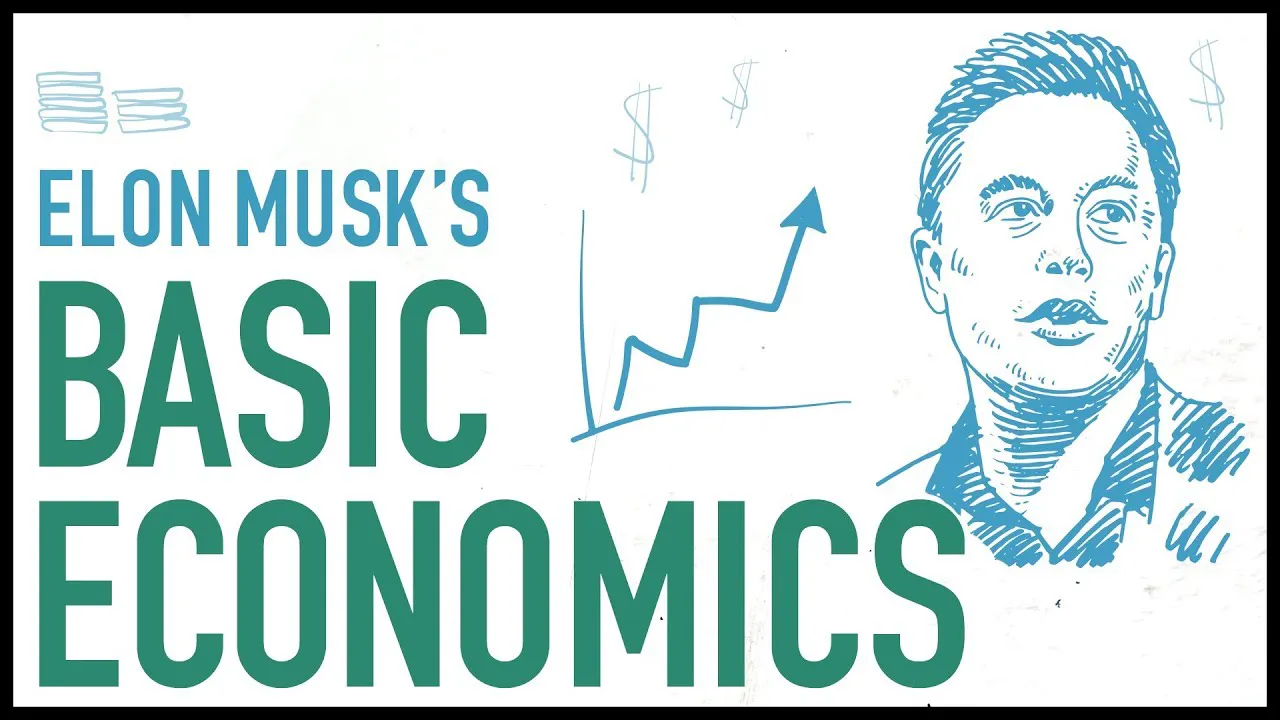
This episode from Wendover Productions examines Elon Musk's approach to economics and business strategy. Based on the show notes, the episode appears to analyze how Musk's economic thinking applies across his various ventures, likely drawing on examples from SpaceX, Tesla, and his other companies. The episode is 14…
Worth it if you're already a Wendover Productions fan comfortable with their explainer style and willing to take a chance on an episode with minimal preview information.
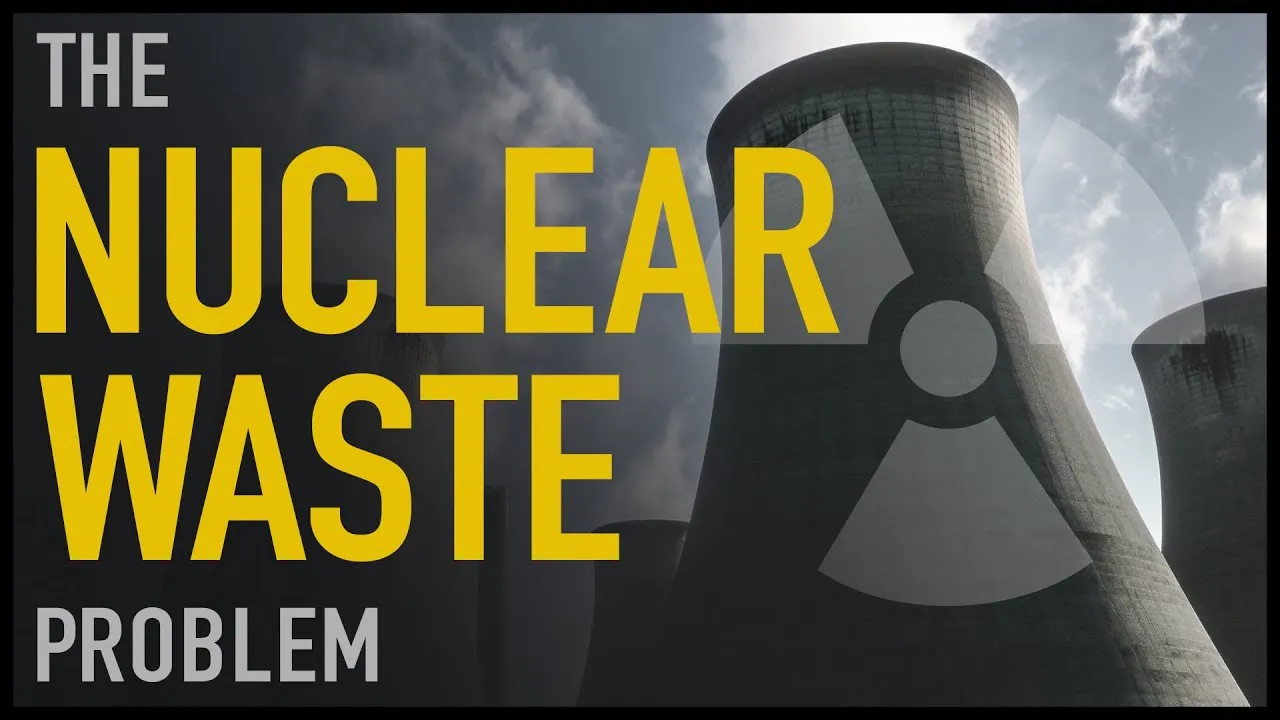
This Wendover Productions episode tackles the nuclear waste problem—a critical issue in energy policy and environmental management. The 16-minute audio format (repurposed from Wendover's video content) explores how nuclear power plants generate radioactive waste and what happens to it after use. Given Wendover's…
Worth it if you want a quick, accessible primer on nuclear waste management and are already familiar with Wendover's clear explanatory style.

This Wendover Productions episode examines Volkswagen's strategic challenges and declining position in China's automotive market. The episode likely traces VW's historical dominance in China—where the company established itself as a major player through joint ventures and became synonymous with quality vehicles for…
Worth it if you're interested in automotive industry dynamics, China's economic rise, or how established multinationals navigate disruption.

This Wendover Productions episode explores the governance, sovereignty, and unique political status of the Navajo Nation, framed as 'a country within a country.' The episode appears to cover how the Navajo Nation operates as a semi-autonomous territory within the United States, examining its governmental structure,…
Worth it if you want a clear, accessible primer on Native American sovereignty and how the Navajo Nation's unique political status actually functions.
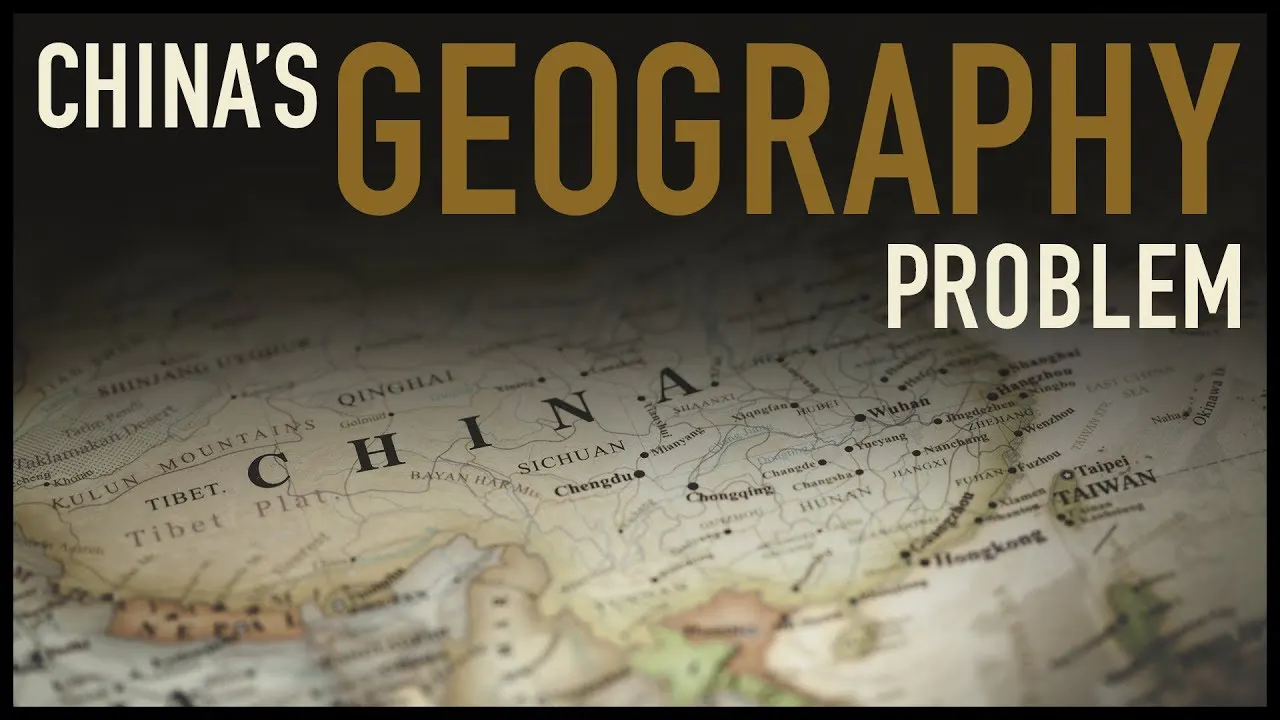
This Wendover Productions episode examines China's geographical challenges and how they shape the country's development and geopolitics. Based on the show notes, the episode appears to explore how China's physical geography—including its vast terrain, mountain ranges, and regional disparities—creates structural…
Worth it if you want a quick, accessible primer on how China's geography shapes its development and geopolitics, or enjoy Wendover's clear explanatory approach to complex systems.
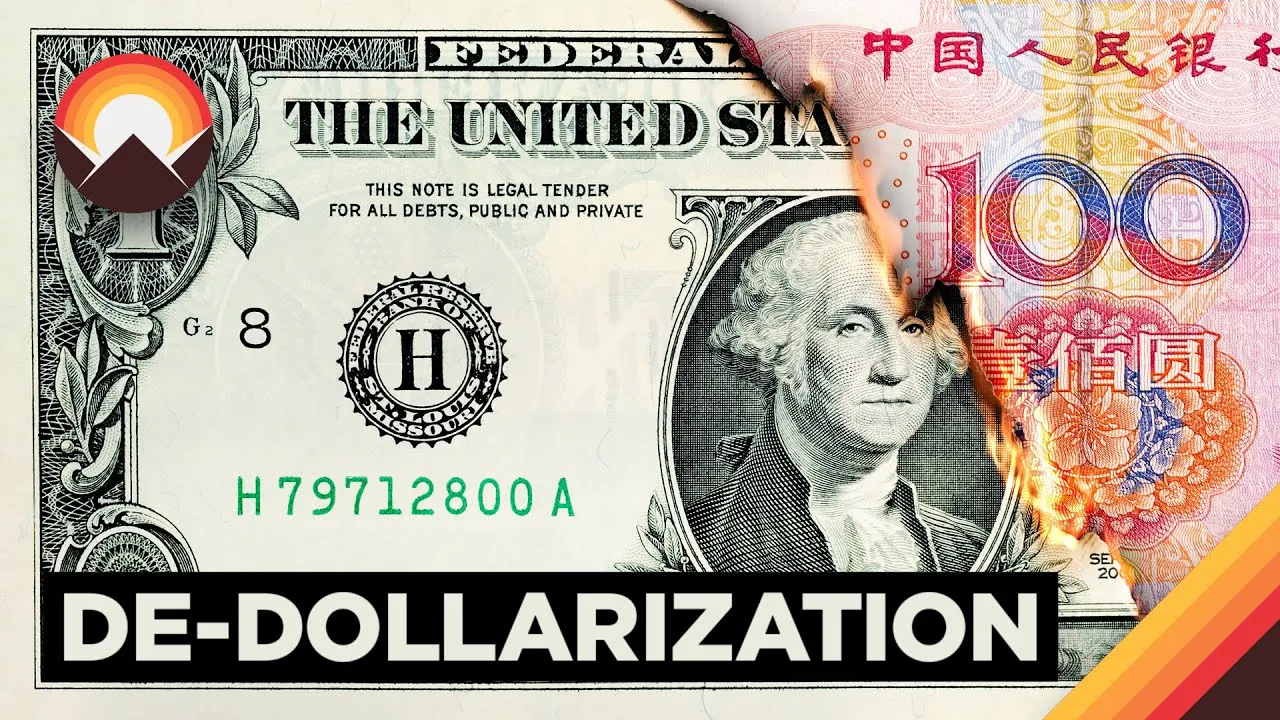
This Wendover Productions episode examines the growing international movement away from the US dollar as the world's reserve currency. The episode explores how geopolitical tensions and sanctions have motivated countries to reduce their dollar dependence. Key examples include Iran and Russia, which have significantly…
Worth it if you want a data-driven overview of de-dollarization trends and their geopolitical drivers, or if you enjoy Wendover's systems-thinking approach to global economics.