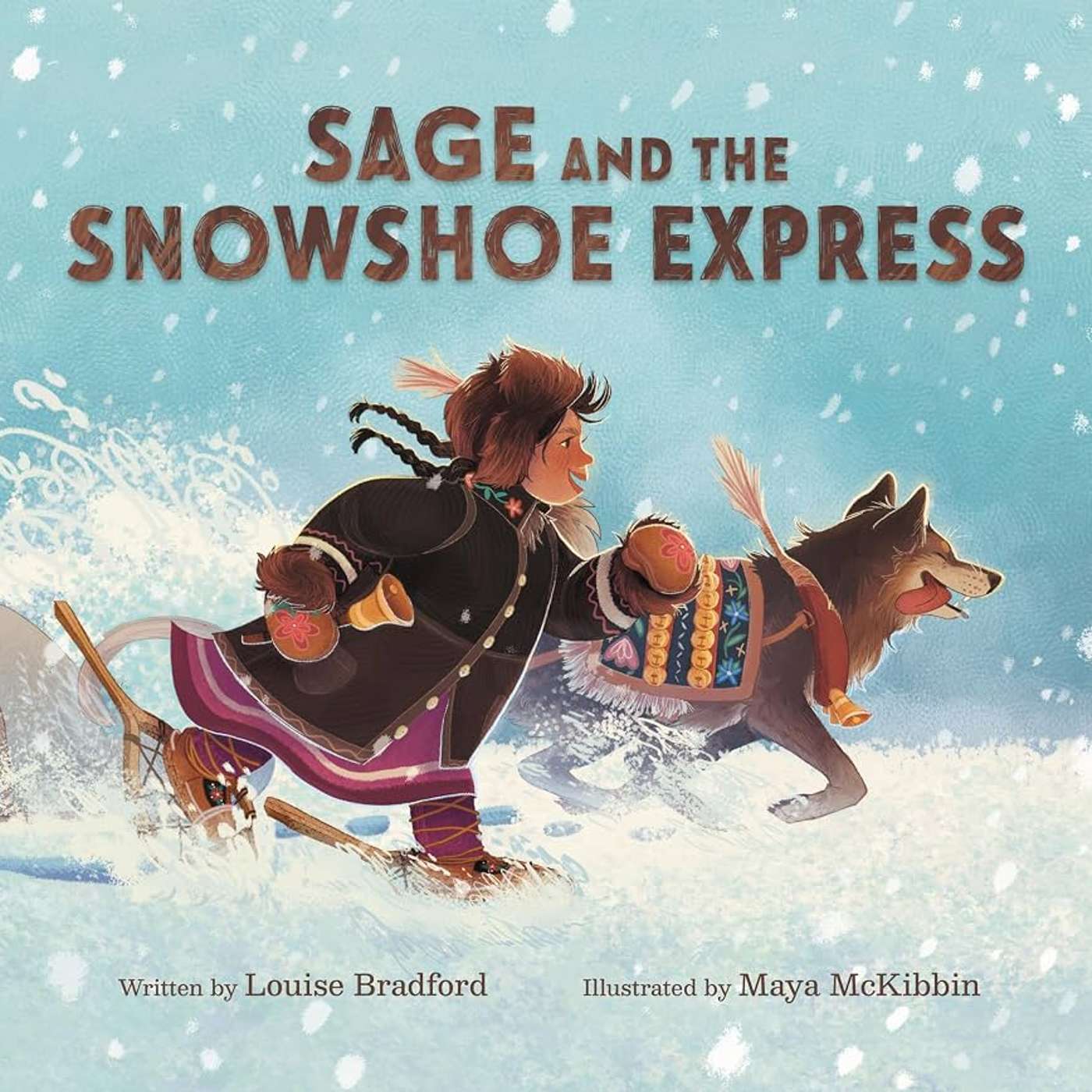
LOUISE BRADFORD - Sage and the Snowshoe Express
Evaluation and Summary
The Book Cover features author Louise Bradford discussing her children's book Sage and the Snowshoe Express, which was inspired by a family discovery: a Library and Archives Canada document mentioning her great-great-grandfather Raymond Miron was a snowshoe mail carrier in northwest Ontario. Bradford, a member of Batchewana First Nation, explains how this archival footnote sparked deeper research into the historical role of Indigenous mail carriers, including John Beargrease, an Ojibwe snowshoe carrier who worked on the American side of the same territory. The book tells the story of Sage, a young girl who joins her father and Nimoosh on a wintertime mail delivery trek through snowy terrain, complete with a bell to ward off wolves and alert villagers of the carrier's approach. Bradford discusses her creative process, including imagining an adventurous spirit for her great-grandmother, whom she knew little about personally. A significant element of the book is its integration of Anishinaabemowin (Ojibwe language) words throughout the text, accompanied by a glossary. Bradford emphasizes the importance of language preservation and describes her own journey learning Anishinaabemowin over the past four years while living in Vancouver, noting how the language's deep connection to nature resonated with her. The book is illustrated by Maya McKibbin, a two-spirited artist with Irish-settler and Ojibwe heritage from White Earth Nation in Minnesota. Bradford highlights the collaborative illustration process and explains how the artwork nods to both Métis and Inuit artistic traditions. She frames the work as an Anishinaabe story that simultaneously honors all Indigenous mail carriers, positioning it as a broader celebration of Indigenous history and cultural contribution. The episode appears to explore how personal family history, archival research, language revitalization, and collaborative Indigenous creativity converge in creating children's literature.
Verdict: A solid author interview that delivers on its promise with genuine cultural and personal substance, though the show notes suggest conversational depth rather than revelatory insight.
Arts rubric
-
Insight into the work 3/5 20%
Shows the genesis story and cultural elements (Anishinaabemowin, historical inspiration) but lacks deep discussion of narrative craft, themes, or literary merit.
-
Expertise and access 4/5 20%
Bradford is the author with direct knowledge of her creative process, research, and cultural background; she speaks with authority about language learning and family history.
-
Sparks curiosity 4/5 15%
The combination of family discovery, Indigenous history, language preservation, and illustrated children's book creates genuine interest in seeking out the work.
-
Substance 3/5 15%
Show notes cover the book's origin, plot, cultural elements, and collaboration, but lack detail about actual podcast discussion depth, pacing, or conversational substance.
-
Delivers on its title 5/5 15%
Title promises discussion of the book and its cover; episode directly addresses the author, book creation, illustrations, and cultural context.
-
Value for time 3/5 15%
31 minutes is reasonable for an author interview, but without hearing the actual episode, pacing cannot be fully assessed; show notes suggest adequate coverage without obvious padding.
Worth it if you're interested in Indigenous children's literature, language revitalization, or how family history inspires creative work.
Based on the episode description. AI-generated; it can be wrong.
Show notes
More from The Book Cover
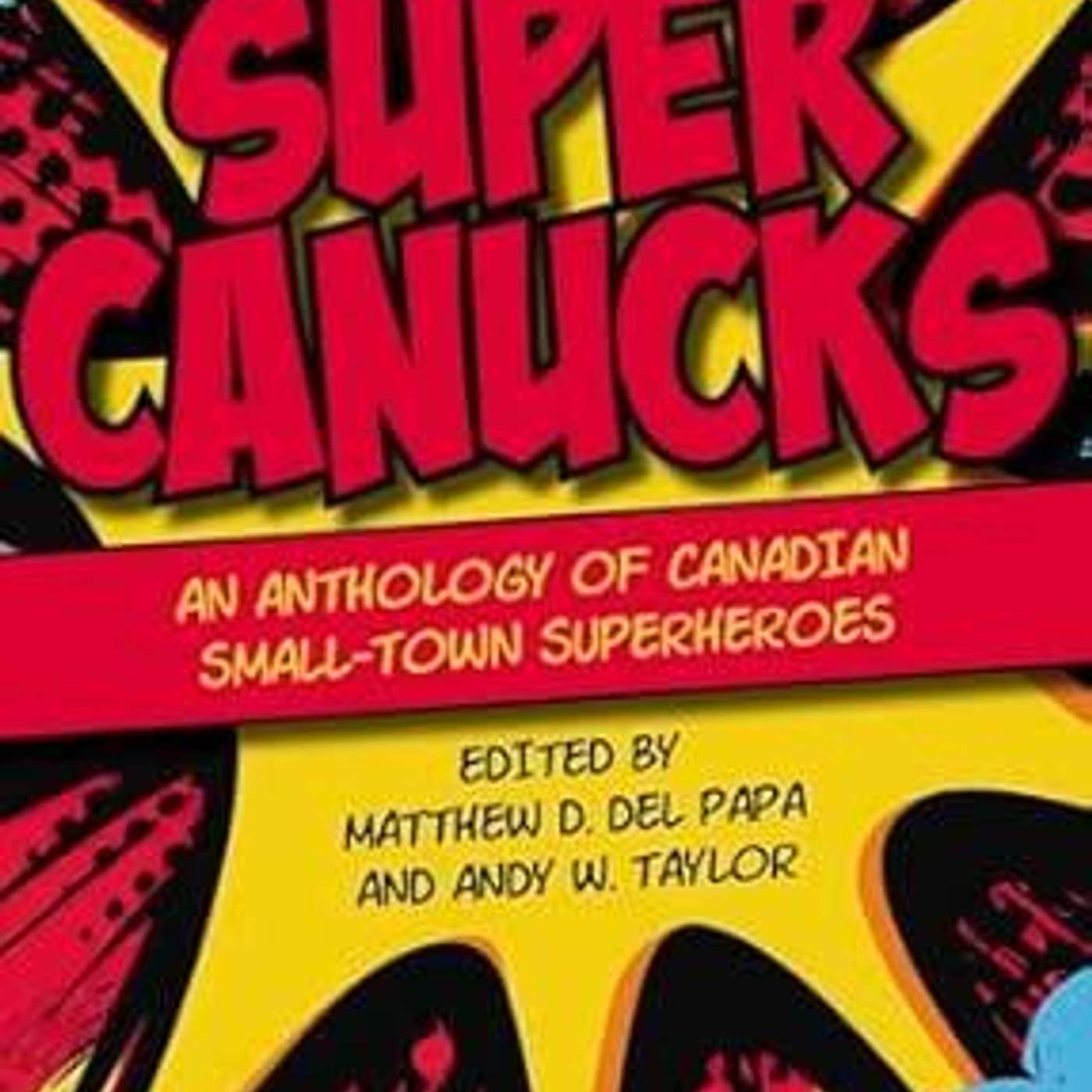
The Book Cover episode features Andy W. Taylor, co-editor of SuperCanucks: An Anthology of Canadian Small-Town Superheroes, discussing this 2026 anthology that reimagines the superhero genre through a distinctly Canadian lens. The collection contains eleven stories centered on superheroes operating in small towns and…
Worth it if you enjoy Canadian speculative fiction, superhero stories with regional flavor, or interviews with working writers about the craft and editorial process.
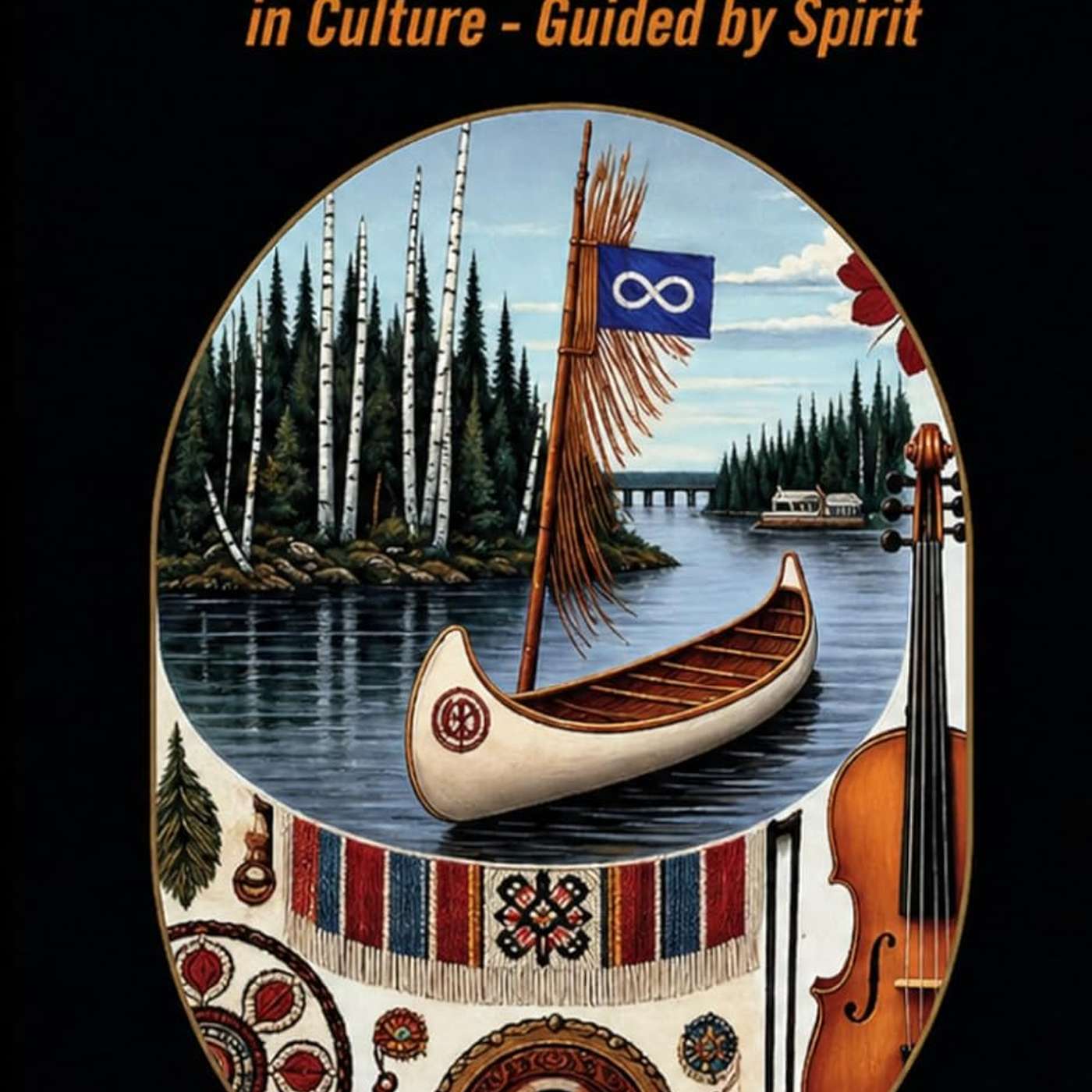
The Book Cover episode features Sheena Smith discussing two of her published works: 'Faith, Fun & Freedom: 21 Ways to Grow Your Network Marketing Business with Peace, Purpose & Proven Strategies' and 'Métis Path: A 53-Week Heritage Journal Rooted in Culture – Guided by Spirit.' The first book targets women over 40 in…
Worth it if you're already interested in faith-based network marketing resources or Métis cultural reconnection and want to hear directly from the author about her books.