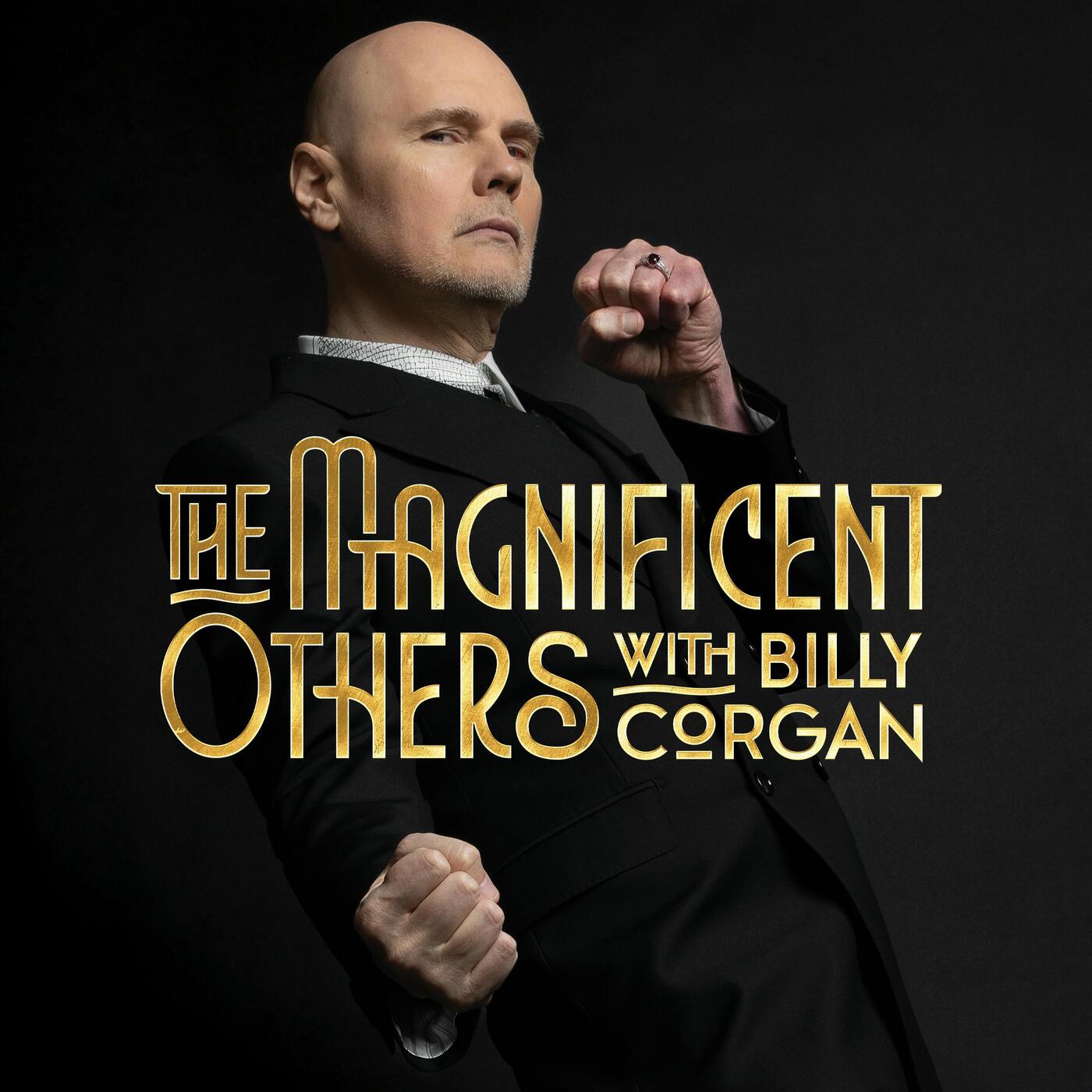
Chelsea Wolfe | The Magnificent Others with Billy Corgan
Evaluation and Summary
Billy Corgan hosts Chelsea Wolfe for a wide-ranging conversation about her artistic journey and spiritual influences. The episode centers on Wolfe's exploration of witchcraft and Gnosticism, and her acknowledgment of being "susceptible to cults"—a candid admission that frames much of the discussion. Wolfe traces her distinctive sound to formative childhood experiences, including night terrors and sleep paralysis phenomena involving shadow figures, which she describes as foundational to her inner creative world. A significant portion explores how external pressures and influences constrained her artistically, keeping her feeling small and creatively trapped, and what psychological or spiritual work was required to reclaim her artistic autonomy. The conversation also pivots to Corgan's own career reflections, particularly around his album Adore—a platinum-selling record that paradoxically faced commercial disappointment expectations. Corgan discusses a Rick Rubin-produced track he ultimately removed from the album, using it as a case study in choosing artistic honesty over commercial or label expectations. The episode appears to balance deep personal revelation from both guests with broader themes about artistic integrity, the cost of authenticity, and how unconventional spiritual or psychological experiences shape creative output. The framing suggests an intimate, confessional tone rather than a surface interview, with both participants willing to discuss vulnerable territory around influence, manipulation, and the tension between commercial success and artistic truth.
Verdict: A thoughtful conversation between two credible artists exploring personal and creative themes with apparent depth, though limited evidence in the notes of breakthrough insights or unmissable revelations.
Arts rubric
-
Insight into the work 3/5 20%
Discussion connects Wolfe's sound to specific formative experiences (sleep paralysis, night terrors) and explores how external constraints affected her creativity, offering some depth beyond surface biography.
-
Expertise and access 4/5 20%
Both Corgan and Wolfe are accomplished artists discussing their own work directly; Corgan's experience with major label decisions and Rubin collaboration demonstrates insider knowledge of the industry.
-
Sparks curiosity 3/5 15%
The spiritual and psychological angles (witchcraft, Gnosticism, sleep paralysis as creative source) are intriguing, though show notes don't reveal specific revelations that would compel immediate listening.
-
Substance 3/5 15%
Multiple substantive topics covered (spiritual influences, creative trauma, commercial vs. artistic integrity) suggest solid content, but show notes don't indicate whether discussions are deep or exploratory versus surface-level.
-
Delivers on its title 4/5 15%
Title promises a conversation between Corgan and Wolfe; description delivers exactly that with specific topics (witchcraft, Gnosticism, artistic identity) clearly addressed.
-
Value for time 3/5 15%
80-minute runtime with multiple topics suggests reasonable pacing, but show notes provide insufficient evidence of whether the episode maintains momentum or includes padding.
Worth it if you're interested in Chelsea Wolfe's artistic psychology, Billy Corgan's reflections on commercial versus artistic integrity, or how unconventional spiritual experiences inform music creation.
Based on the episode description. AI-generated; it can be wrong.