Why Doing the Right Thing for Your Child’s OCD Can Feel So Wrong
Evaluation and Summary
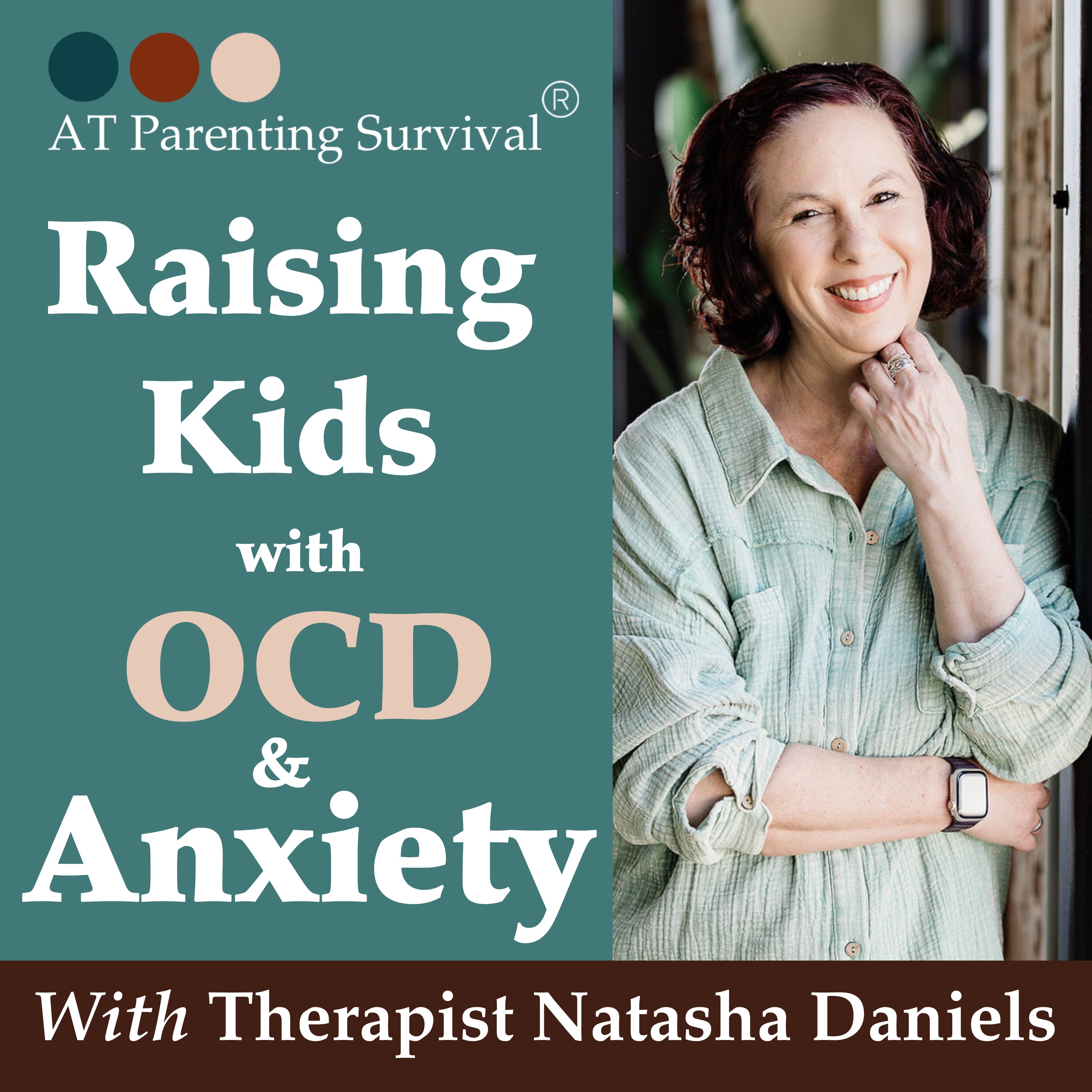
AT Parenting Survival's episode addresses a common parental dilemma: when parents reduce accommodations for a child's OCD (a core therapeutic strategy), the child often becomes more distressed, irritable, or angry in the short term. This creates a painful paradox—parents question whether they're actually helping or making things worse. The episode explores why this counterintuitive worsening occurs, what that increased distress signals, and how parents can maintain boundaries without being pulled back into enabling OCD behaviors. The host, Natasha Daniels, frames this as a critical moment where understanding the mechanism of distress becomes essential to parental resolve. The episode is sponsored by NOCD, an online OCD therapy provider, and includes standard disclaimers that the content is informational and not a substitute for professional guidance. Resources mentioned include Daniels' website, an AT Parenting Community membership, free webinars, and published books. The episode appears to target parents actively managing a child's OCD who are struggling with the emotional toll of therapeutic withdrawal of accommodations—a real and documented challenge in exposure and response prevention (ERP) therapy. The core message seems to be that temporary distress is a sign the intervention is working, not failing, and that parents need support to weather this difficult transition without reverting to accommodations.
Verdict: A focused, timely episode for parents navigating OCD treatment withdrawal that delivers squarely on its premise with evidence-based framing and professional resources, though depth and pacing remain unverified.
Kids & Family rubric
-
Age-appropriate and engaging 3/5 20%
Content is designed for parents, not children; appropriateness depends on how the host frames difficult emotions, which the notes don't detail.
-
Educational or emotional value 4/5 20%
Directly addresses a high-stakes parental concern (why therapeutic withdrawal causes distress) with practical framing that normalizes a difficult process.
-
Trustworthy guidance 4/5 15%
Host appears grounded in ERP principles; includes disclaimer and professional resource (NOCD); frames distress as expected rather than alarming, which aligns with evidence-based OCD treatment.
-
Substance 3/5 15%
Show notes promise exploration of why distress increases, what it means, and how to support without relapse—solid core topics, but depth and specificity unknown from notes alone.
-
Delivers on its title 5/5 15%
Title promises explanation of why doing the right thing feels wrong; notes confirm the episode directly addresses this paradox and its resolution.
-
Value for time 3/5 15%
42 minutes is reasonable for a parenting guidance episode; pacing unknown, but the topic scope (why distress occurs + how to respond) could fit or drag depending on execution.
Worth it if you're a parent reducing accommodations for your child's OCD and struggling with guilt or doubt when your child's distress temporarily worsens.
Content flags
- Sponsored Episode includes a sponsored segment for NOCD with a call-to-action link; this is disclosed but represents a commercial relationship.
Based on the episode description. AI-generated; it can be wrong.