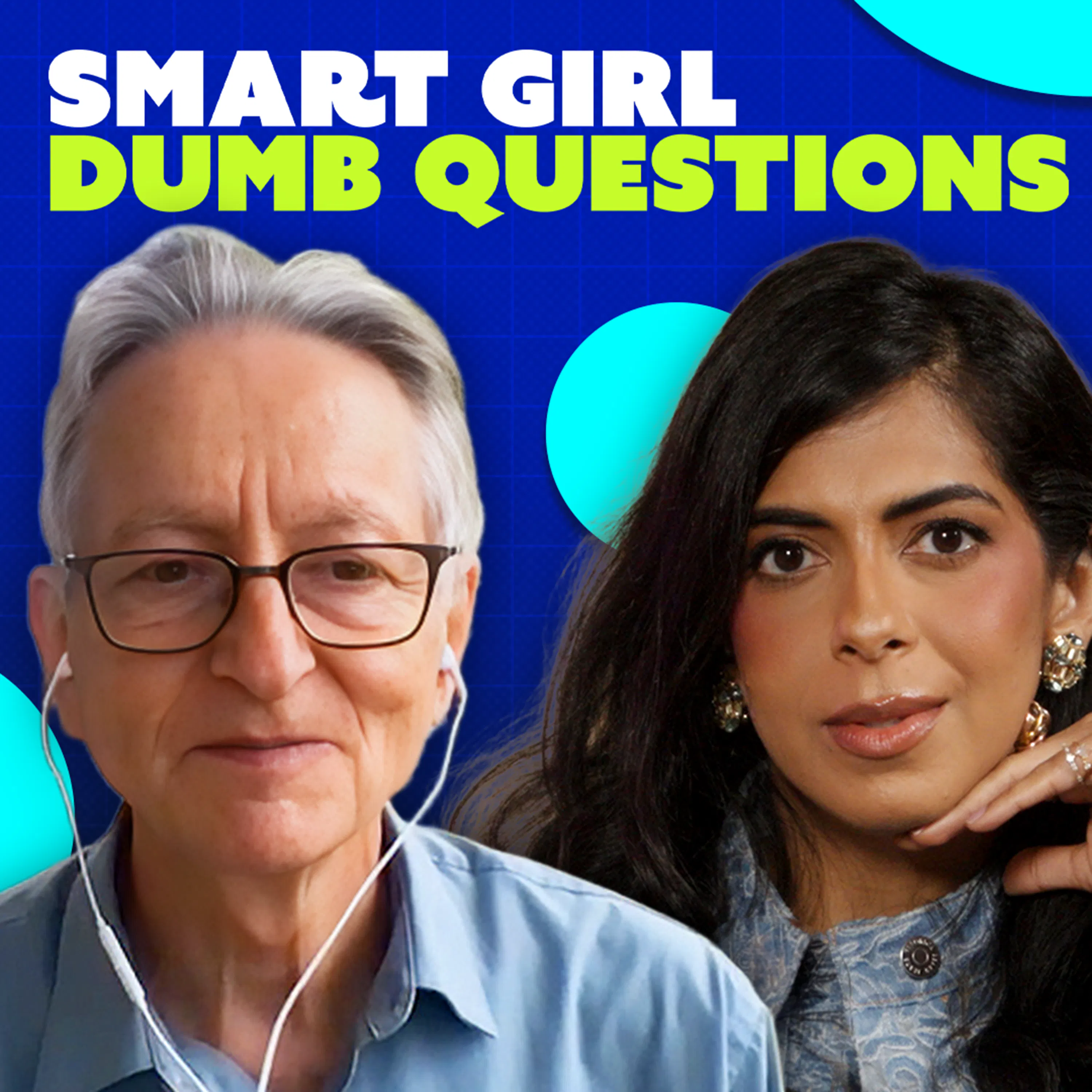
Can We Govern AI? with Godfather of AI Geoffrey Hinton
Evaluation and Summary
This is Part 3 of Smart Girl Dumb Questions' series with Geoffrey Hinton, the Nobel Prize-winning AI researcher often called the 'Godfather of AI.' The episode tackles governance and safety questions around advanced AI systems. The hosts ask Hinton about scenarios where AI becomes smarter than humans, whether AI can unlearn harmful behaviors, the risks of dangerous model releases (referencing Sam Altman's acknowledgment of dangerous models), and how much we can trust major AI lab leaders like Sam Altman, Demis Hassabis, and Dario Amodei. The episode also examines whether the Trump administration and US government are equipped to handle AI governance challenges. A lighter segment connects AI to beetles and The Beatles, suggesting some playful tangents alongside the serious policy discussion. This is positioned as part of an ongoing series, with two previous episodes available. The show invites audience participation through social media and a call-in line for 'dumb questions,' positioning itself as accessible and conversational rather than purely technical.
Verdict: A solid conversation with a credible AI authority on timely governance questions, but limited evidence of fresh insights or exceptional depth given the show notes provided.
Society & Culture rubric
-
Fresh perspective 3/5 20%
Hinton is a credible authority on AI capabilities, but the questions asked (AI safety, unlearning, government readiness) are well-trodden in current discourse; unclear if the episode offers novel angles beyond standard AI governance concern
-
Storytelling and voices 3/5 20%
Features Hinton as a prominent voice and appears to include hosts (Nayeema implied), but show notes don't detail personal stories or demonstrate range of perspectives beyond the expert guest.
-
Thoughtfulness 3/5 15%
Questions about trust, unlearning, and government capability suggest considered inquiry, but the brevity of show notes makes it hard to assess depth of exploration versus surface-level treatment.
-
Substance 3/5 15%
Covers multiple substantive topics (AI capabilities, safety, governance, trust in leaders) but the 55-minute runtime and tangent about beetles/Beatles suggests some padding alongside core content.
-
Delivers on its title 4/5 15%
Title promises governance discussion; show notes confirm questions about government readiness, trust in AI leaders, and safety mechanisms, though the Beatles/beetles tangent slightly dilutes focus.
-
Value for time 3/5 15%
55 minutes with a credible expert on important topics, but the lighter tangent and conversational format suggest moderate pacing rather than tight, efficient use of time.
How we score Society & Culture
Worth it if you want accessible, conversational coverage of AI governance from a Nobel Prize winner, but not if you're seeking groundbreaking new perspectives on AI safety.
Based on the episode description. AI-generated; it can be wrong.