Is it 'try and' or 'try to'? What does an epilogue do?
Evaluation and Summary
Grammar Girl episode 1226 tackles two distinct language questions in a 10-minute format. The first segment examines the phrase "try and" versus "try to," exploring why "try and" is so common in speech despite "try to" being the standard written form. The episode delves into linguistic history, noting that "try and" may actually be the older construction, and explains why this variant appears more frequently in spoken English than in writing. Notably, the episode addresses a cultural difference: Americans tend to find "try and" more bothersome than British speakers do, suggesting regional attitudes toward this grammatical choice differ. The second segment, written by guest contributor Karen Lunde, addresses the structure and function of epilogues. It clarifies what an epilogue actually does within a text, whether a single essay in a collection can have its own epilogue, and how epilogues differ from related but distinct elements like afterwords, postscripts, and codas. This distinction is valuable for writers and readers seeking to understand these often-confused literary devices. The episode credits a team of Patreon supporters ("Keepers of the Commas") and provides multiple ways for listeners to engage, including a Speakpipe option for sharing dialect recordings. The show notes indicate Mignon Fogarty hosts, with production support from Holly Hutchings and a full technical team. The episode is part of the Quick and Dirty Tips network and hosted on Acast. Grammar Girl offers supplementary resources including an edited transcript, LinkedIn Learning courses, a newsletter, and published books, suggesting a comprehensive educational ecosystem around the core podcast content.
Verdict: A solid, focused grammar lesson that delivers exactly what the title promises with clear structure and accessible content, though the 10-minute format limits depth on either topic.
Education rubric
-
Clarity of explanation 4/5 20%
Show notes indicate clear topic breakdown with specific distinctions (try and vs try to, epilogue vs afterword/postscript/coda), suggesting accessible explanations of potentially complex grammar concepts.
-
Accuracy 4/5 20%
Episode addresses historical linguistic evidence (try and as possibly older form) and regional variation, indicating research-backed content; no red flags in the described material.
-
Structure 4/5 15%
Two distinct segments with clear focus areas (phrasal verb choice, then literary device definitions) suggest logical organization within the 10-minute format.
-
Substance 3/5 15%
Two topics covered in 10 minutes means each gets limited depth; show notes promise exploration of history, regional differences, and multiple related terms, but brevity limits how much substance each can contain.
-
Delivers on its title 5/5 15%
Title explicitly asks about 'try and' vs 'try to' and what an epilogue does; show notes confirm both topics are directly addressed.
-
Value for time 4/5 15%
10-minute format is tight for two topics; pacing appears efficient based on show notes, though listeners seeking deep dives may find it brief.
Worth it if you're curious about common grammar debates, want quick answers on phrasal verbs and literary terms, or enjoy Grammar Girl's accessible approach to language questions.
Based on the episode description. AI-generated; it can be wrong.
Show notes
More from Grammar Girl
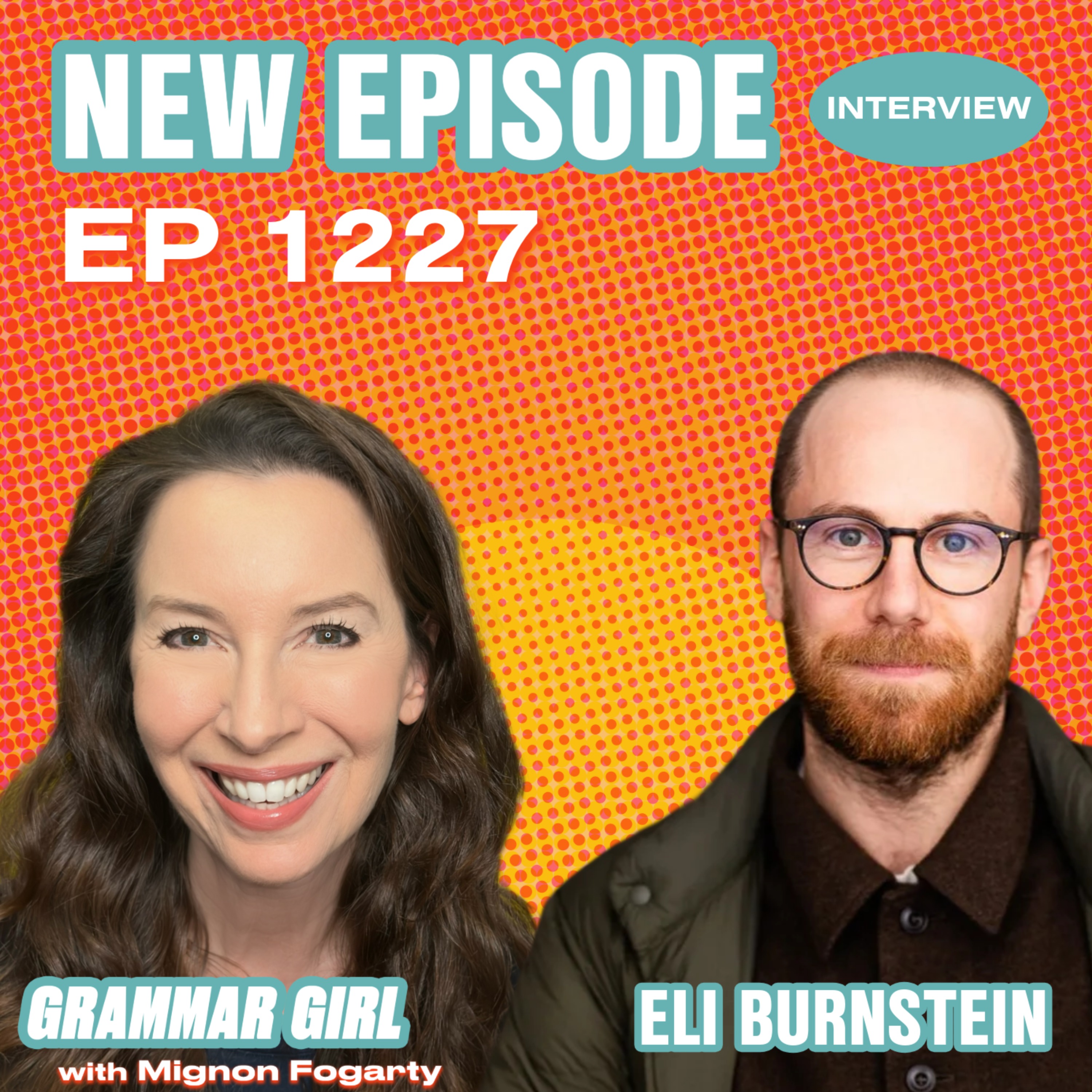
Grammar Girl hosts Eli Burnstein, author of 'Phrased & Confused,' to explore famous quotations that have been widely misunderstood or misattributed. The episode debunks several well-known quotes across different domains. Robert Frost's 'The Road Not Taken' is examined—the episode reveals that the 'road less traveled'…
Worth it if you enjoy language trivia, literary history, and learning the real stories behind famous misquotes.