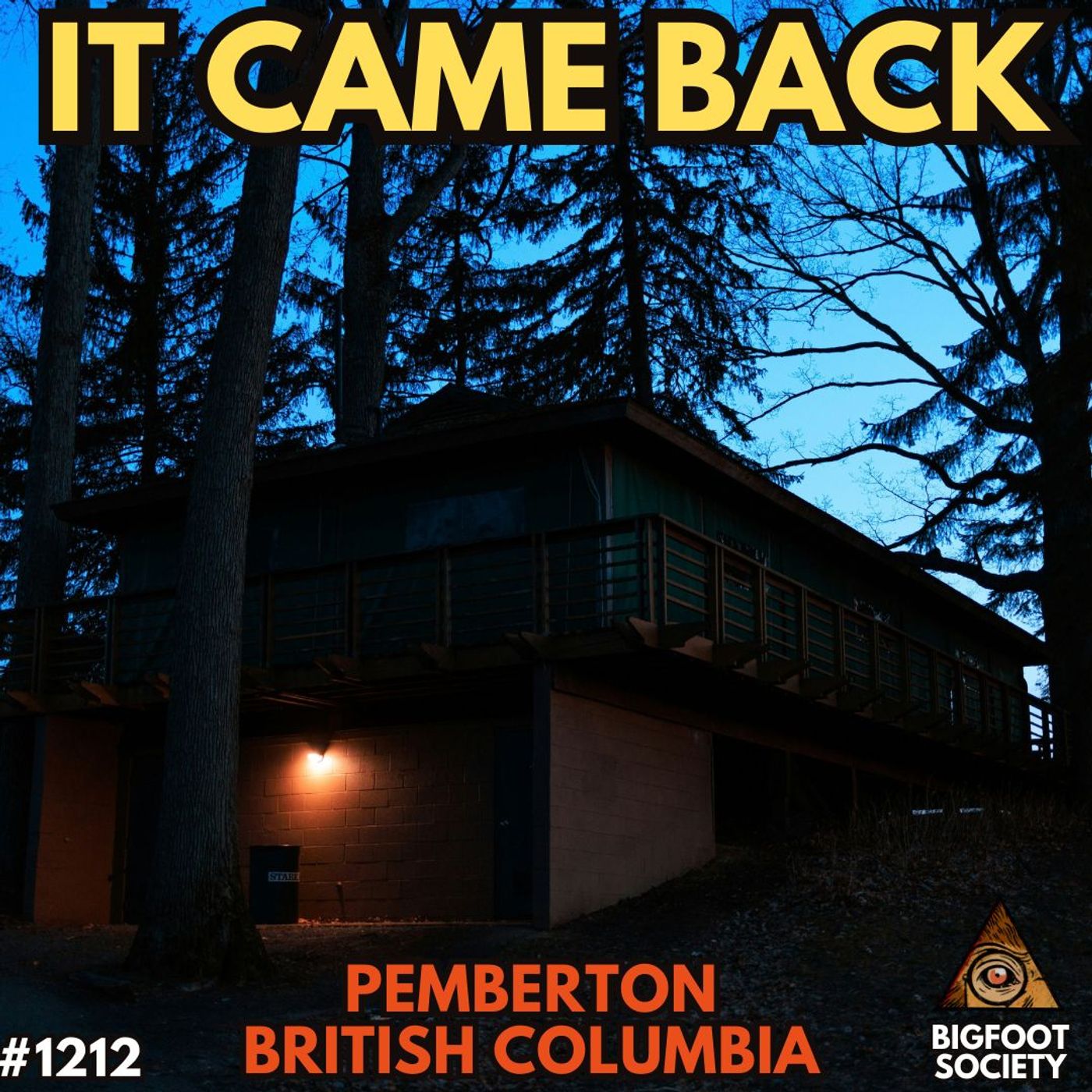
Retired RCMP Officer Comes Forward About a Bigfoot Call
Evaluation and Summary
Bigfoot Society features retired Royal Canadian Mounted Police officer Chris Raabis discussing an official police response to a Bigfoot-related incident near Pemberton, British Columbia. According to the episode description, a family contacted police after experiencing hours of circling and shrieking sounds around their home. Raabis describes interviewing the frightened family and hearing a colleague's account of witnessing a large, two-legged figure clearing a five-foot fence. The family reported the creature returned after the officer left. The episode also covers Raabis's own unexplained experiences near Nelson, BC, including strange chattering sounds during a nighttime dog walk, breaking trees, a loud impact he interpreted as a thrown boulder, and deer remains found without visible blood on surrounding snow. The central appeal is the credibility angle: a retired law enforcement officer lending official legitimacy to Bigfoot accounts by documenting a police file and sharing firsthand observations. The episode promises to explore 'what happened outside that family's home' and 'what is happening in these British Columbia forests,' framing these as genuine mysteries worthy of investigation.
Verdict: A credible-sounding guest lends surface appeal, but the episode lacks scientific rigor, alternative explanations, or investigative depth—it's entertainment-focused Bigfoot folklore rather than serious inquiry.
Science rubric
-
Scientific accuracy 1/5 20%
No scientific methodology, evidence evaluation, or alternative explanations offered; anecdotal accounts presented without skepticism or corroboration standards.
-
Clarity for non-experts 3/5 20%
The narrative is straightforward and easy to follow, but lacks context about how police investigate wildlife incidents or what natural explanations exist for the described phenomena.
-
Sense of discovery 2/5 15%
A retired officer's account adds a credibility angle, but the core material—unverified sightings and ambiguous sounds—is familiar Bigfoot folklore without novel evidence or insights.
-
Substance 2/5 15%
The episode relies on anecdotal storytelling; no investigation details, expert analysis, wildlife biology perspective, or documented evidence beyond the officer's recollection are evident from the notes.
-
Delivers on its title 4/5 15%
The title promises a retired RCMP officer's account of a Bigfoot call, and that is delivered; the episode covers the police response and the officer's own experiences as promised.
-
Value for time 2/5 15%
At 73 minutes, the episode appears to stretch anecdotal accounts without apparent depth, investigation, or substantive analysis that would justify the length.
Worth it if you enjoy Bigfoot folklore and find credibility in law enforcement accounts, but not if you expect scientific scrutiny or evidence-based analysis.
Content flags
- Ad-heavy Show notes contain extensive affiliate links, sponsorship calls (Supercast membership, YouTube membership, merch, coffee donations), and multiple product promotions (Beam, Wildgrain, Seed, LMNT, etc.) relative to the content itself.
Based on the episode description. AI-generated; it can be wrong.
Show notes
More from Bigfoot Society
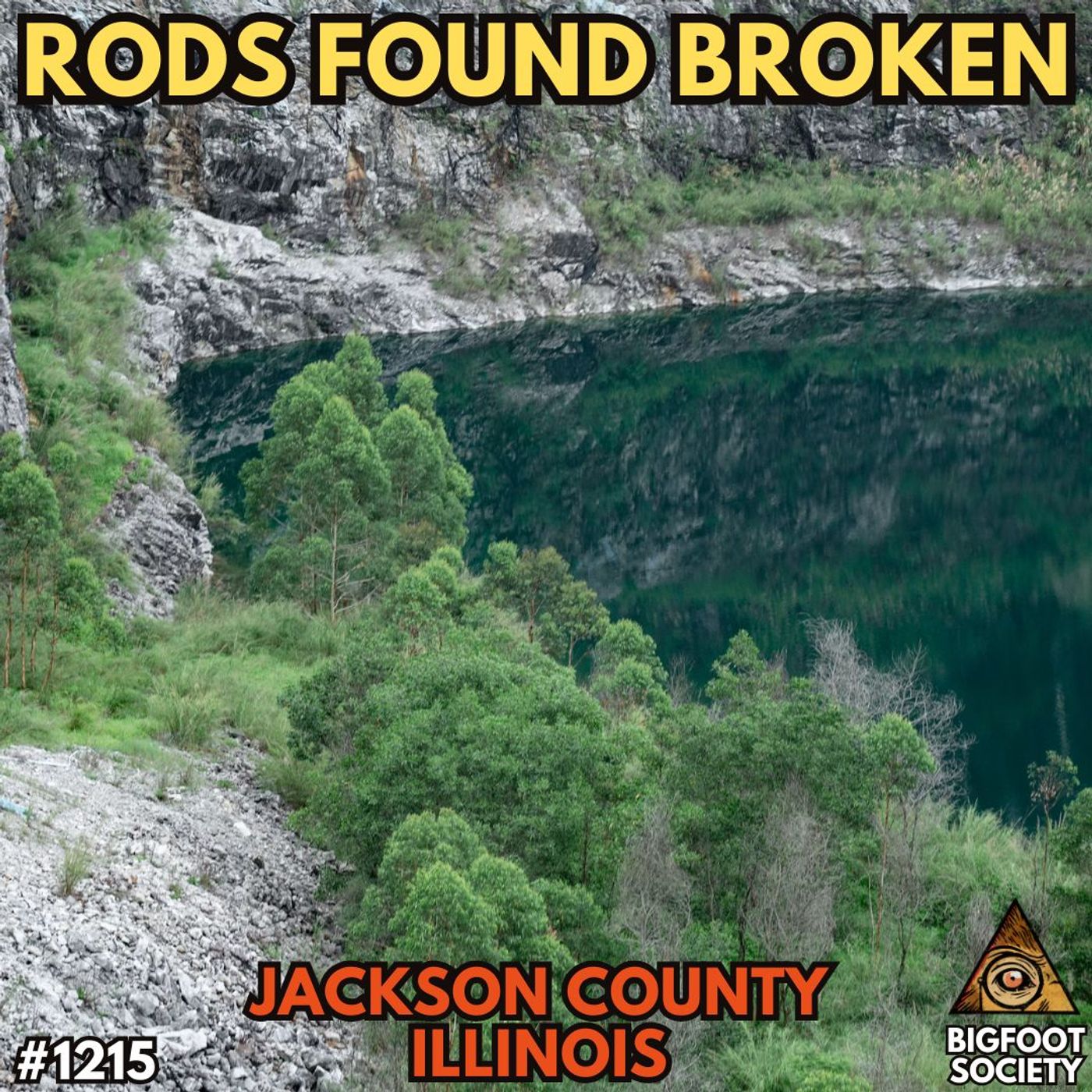
Bigfoot Society Episode 1215 features author and nurse John Reiners discussing two reported Bigfoot encounters: a 1983 incident at an isolated Illinois quarry pond where a father and son fishing were approached by a growling creature that jumped into the water and swam toward them, and Reiners' own Kentucky encounter…
Worth it if you enjoy Bigfoot folklore and anecdotal encounter narratives without requiring scientific evidence or critical analysis.
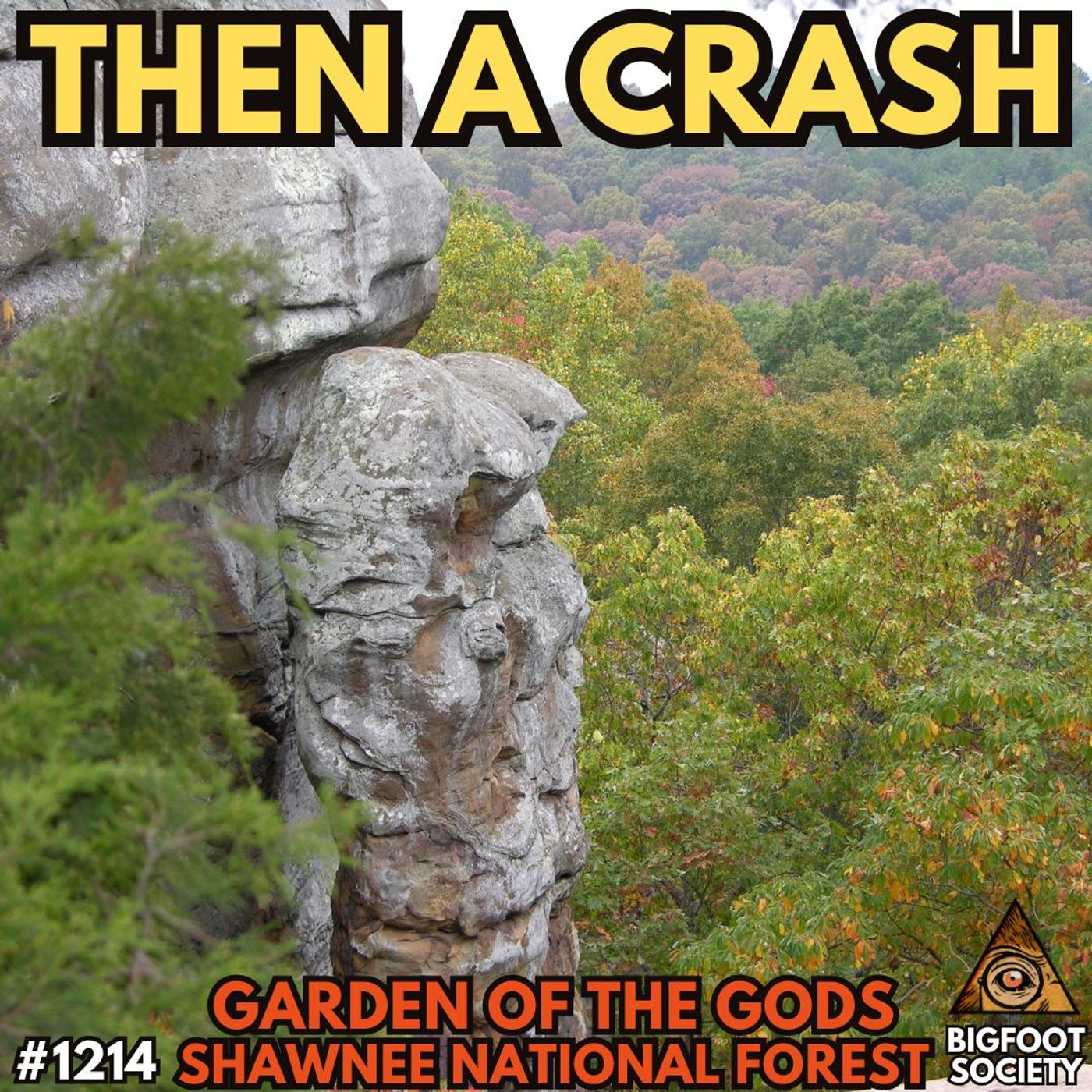
Bigfoot Society host Jeremiah Byron interviews documentary filmmaker Joe Tury and investigator Jason Dickerson about a field investigation they conducted in Shawnee National Forest's Garden of the Gods Wilderness area in Illinois. The episode centers on a specific encounter where the team recorded strange howls that…
Worth it if you enjoy Bigfoot folklore and first-person encounter stories without expecting scientific investigation or skeptical analysis.