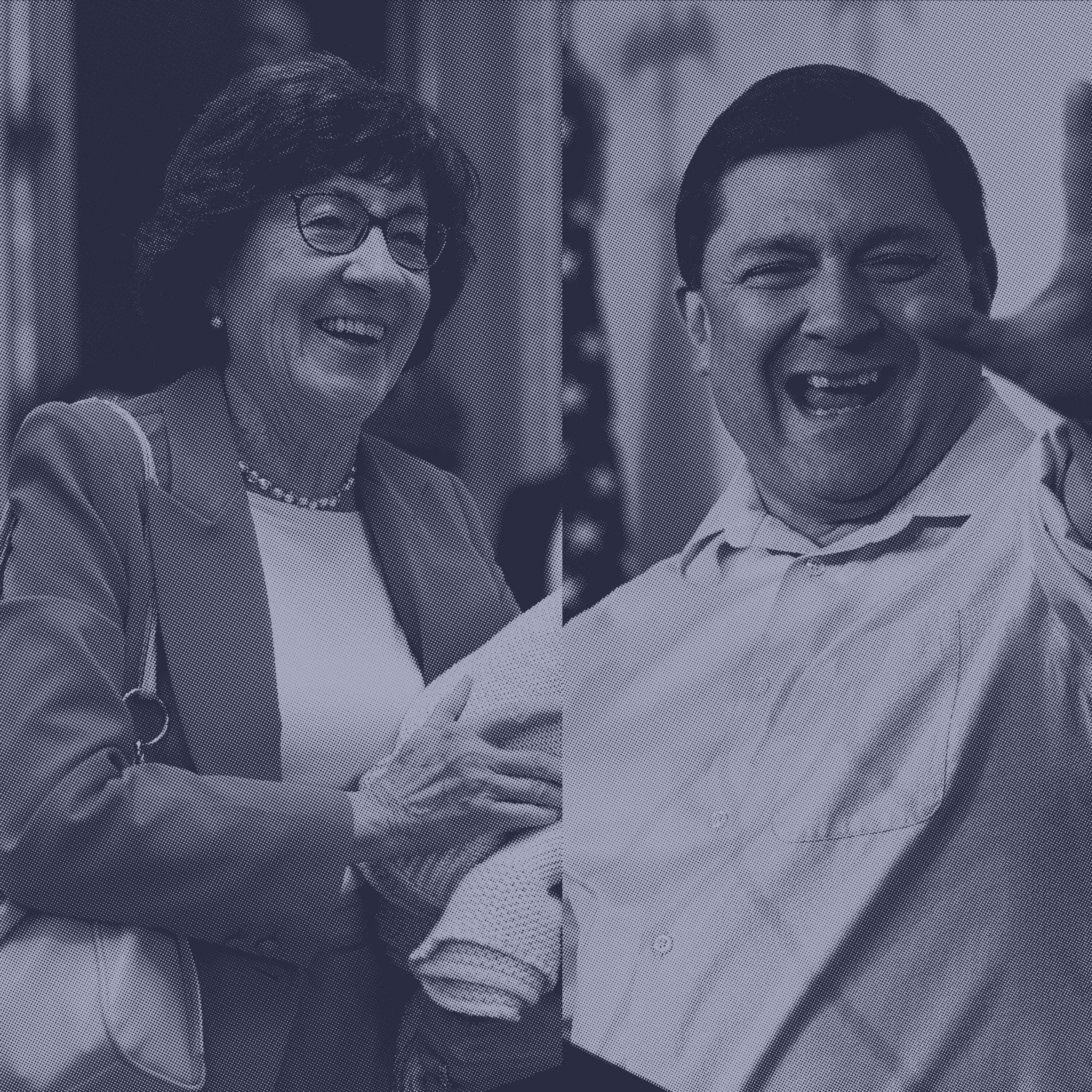
The path to Senate control runs through this state
Evaluation and Summary
The NPR Politics Podcast examines the 2026 Maine Senate race, a contest with national implications as Democrats seek to flip a seat held by Republican incumbent Susan Collins in a state that voted for Kamala Harris in 2024. The episode features voting correspondent Miles Parks, senior political correspondent Tamara Keith, and Maine Public's chief politics and government correspondent Steve Mistler discussing the candidates and the race dynamics. The Democratic nominee is Troy Jackson, a former state senator who replaced the original Democratic nominee in July. A key challenge for Jackson is low name recognition among voters—he has struggled to establish himself despite the favorable political environment. The episode covers the candidates themselves, their respective campaigns, and what lies ahead as early voting begins in Maine. The framing suggests this race is significant for determining Senate control, positioning Maine as a pivotal battleground. The episode appears to provide on-the-ground reporting from Maine through Mistler's local expertise, combined with national political context from NPR's Washington-based correspondents. The timing is relevant to the 2026 midterm cycle, and the episode capitalizes on the start of early voting to make the race immediately consequential for listeners. The show notes indicate straightforward political analysis rather than investigative reporting—the focus is on candidate profiles, campaign dynamics, and the electoral landscape rather than breaking news or original reporting. The episode length of 23 minutes suggests a focused segment rather than an exhaustive deep dive, appropriate for a news podcast's typical format.
Verdict: A timely, well-sourced political briefing that delivers on its promise to explain why Maine matters for Senate control, with credible reporting and relevant context for the 2026 cycle.
News rubric
-
Accuracy and sourcing 3/5 20%
NPR correspondents and Maine Public's chief politics correspondent provide credible sourcing; specific facts about Collins, Jackson, and the July nominee replacement are verifiable, though the show notes don't detail specific sources or dat
-
Balance and context 3/5 20%
Episode covers both candidates and their challenges; framing acknowledges Harris won Maine in 2024 and Jackson's name-recognition problem, but show notes don't indicate whether Collins's record or campaign message receives equal treatment.
-
Timeliness and relevance 5/5 15%
Episode is timely (published October 2026, early voting beginning) and explicitly frames the race as nationally significant for Senate control, making it clearly relevant to current political stakes.
-
Substance 3/5 15%
Show notes indicate candidate profiles and race dynamics are covered with local and national perspectives, but the 23-minute length and lack of detail about specific policy positions or reporting depth suggest solid but not dense content.
-
Delivers on its title 5/5 15%
Title promises focus on the path to Senate control through this state; episode directly addresses Maine's pivotal role, the incumbent and challenger, and the electoral landscape as early voting begins.
-
Value for time 4/5 15%
23 minutes is appropriate for a focused political briefing with three credible correspondents; likely well-paced for a news podcast, though show notes don't indicate whether there are tangents or filler.
Worth it if you're tracking the 2026 midterms, care about Senate races, or want to understand why Maine is a battleground despite Harris's 2024 win.
Based on the episode description. AI-generated; it can be wrong.
Show notes
More from The NPR Politics Podcast

The NPR Politics Podcast episode examines the Protect College Sports Act, legislation that has been the subject of advertising campaigns urging constituents to contact their representatives. The episode features three NPR correspondents: Miles Parks (voting correspondent), Eric McDaniel (congressional reporter), and…
Worth it if you've seen ads for the Protect College Sports Act and want a quick, credible explanation of what it actually does and why Congress cares.

The NPR Politics Podcast examines California's ballot proposition for a one-time wealth tax on billionaires, a timely topic given the state's concentration of ultra-wealthy residents. The episode features voting correspondent Miles Parks, senior political correspondent Tamara Keith, and KQED correspondent Marisa…
Worth it if you're a California voter deciding on the wealth tax proposition or interested in how unusual political coalitions form around tax policy.

The NPR Politics Podcast examines the 2026 midterm landscape in three key Midwest states where both parties see pickup opportunities. The episode features voting correspondent Miles Parks, senior political editor Domenico Montanaro, and Minnesota Public Radio host Clay Masters discussing the Senate races in Iowa,…
Worth it if you're tracking 2026 Senate races in the Midwest or want a quick political briefing on Iowa, Minnesota, and Nebraska electoral dynamics.