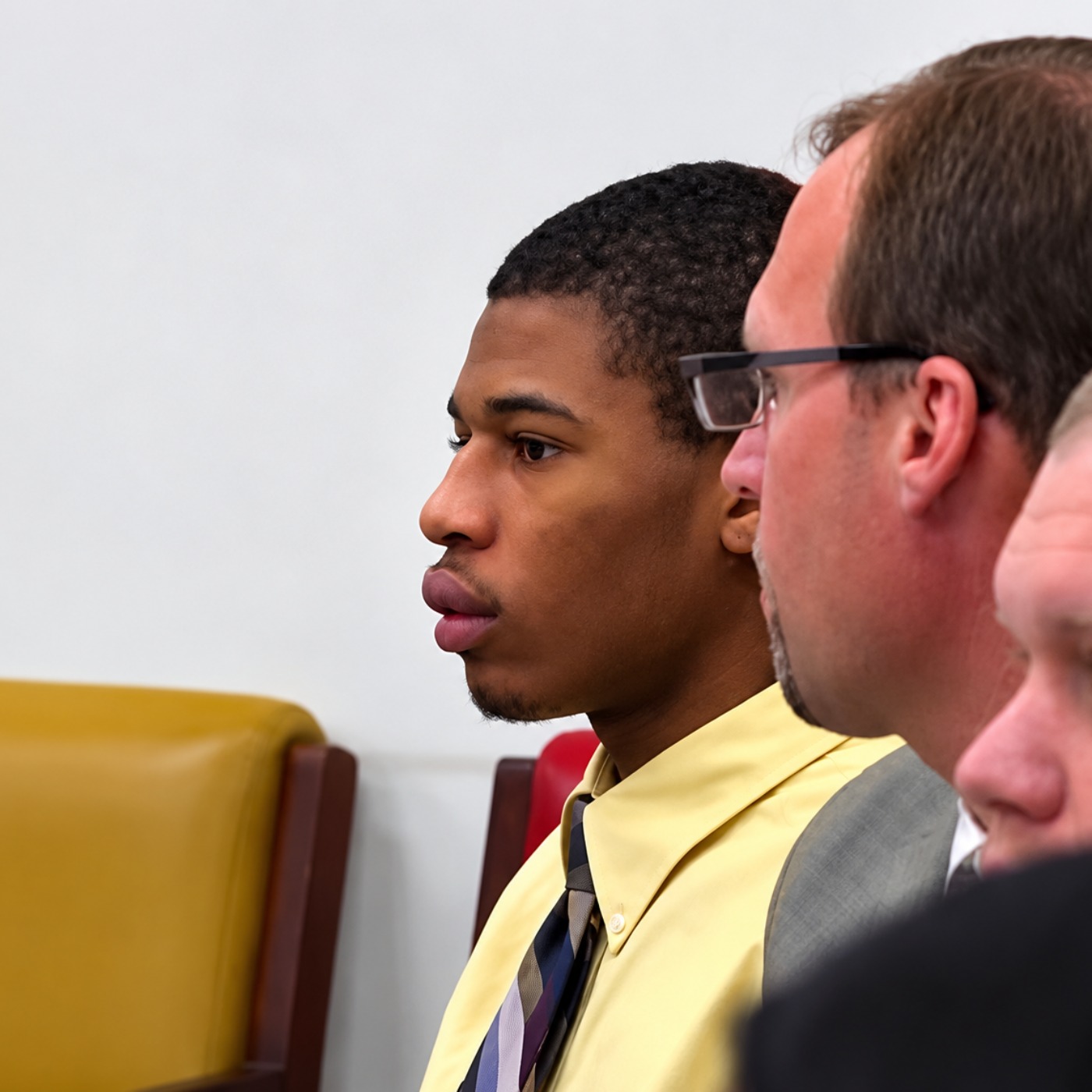
Traveontaye Berry: The Unrecorded Lineup | 52 Years in Just 2 Hours P6
Evaluation and Summary
Part Six of the Traveontaye Berry series examines a critical procedural failure in his criminal investigation: an unrecorded photo lineup identification. The episode focuses on Myleka Avery, the prosecution's only eyewitness, who in her first two police interviews stated she did not know Berry and had no idea who fired the gun in her home. The turning point came during a photo lineup procedure—but crucially, this lineup was never recorded. Instead of documenting the actual moment Avery allegedly identified Berry from the photos, police only began recording afterward, with the officer asking retrospectively: 'Now I just showed you a photo lineup and you picked someone out. Who did you pick?' The episode highlights how this procedural gap undermines the integrity of the identification process. Recorded lineups serve a vital protective function: they prevent suggestion and influence from officers, create an objective record of what actually occurred, and protect both witness and accused. Without documentation, there is no way to verify whether the identification was genuine, whether the officer inadvertently guided the witness, or whether the process followed proper protocol. The episode frames this as particularly damaging given that Avery had explicitly stated twice before that she couldn't identify the shooter, yet suddenly could after an undocumented procedure. This is positioned as Part Six of a larger investigative series examining how Berry received a 52-year sentence in what the show suggests was a flawed process. The episode appears to be part of a broader narrative arc examining systemic problems in Berry's case, with earlier episodes having covered other issues like conflicting eyewitness accounts and problematic police procedures.
Verdict: A focused, legally substantive examination of a genuine procedural failure that delivers exactly on its promise, though limited source material prevents full assessment of storytelling craft and pacing.
True Crime rubric
-
Research depth 3/5 20%
Shows notes detail specific procedural failures and quote the actual officer's question, suggesting access to case materials and recordings, though depth of original reporting beyond case documents is unclear.
-
Storytelling 3/5 20%
The narrative structure is clear—building from earlier episodes to focus on one damaging procedural gap—but limited source material prevents assessment of how compellingly the 31-minute episode develops this story.
-
Respect for victims 3/5 15%
Focuses on procedural integrity rather than sensationalizing; treats the witness and defendant seriously, though the show notes don't provide enough detail to assess full victim-centered framing.
-
Substance 3/5 15%
The core issue—an unrecorded identification procedure and its implications—is substantive and legally significant, though a 31-minute episode on one procedural problem may contain padding or repetition.
-
Delivers on its title 5/5 15%
Title promises examination of an unrecorded lineup; show notes confirm this is exactly what the episode delivers with specific detail about the procedure and its absence of documentation.
-
Value for time 3/5 15%
31 minutes for one procedural issue is reasonable if well-developed, but without hearing the episode, pacing cannot be fully assessed; the core material seems substantial enough to justify the length.
Worth it if you're interested in criminal justice failures, wrongful conviction cases, or the Traveontaye Berry series, and want to understand how procedural shortcuts can undermine case integrity.
Based on the episode description. AI-generated; it can be wrong.
Show notes
More from One Minute Remaining - Stories from the inmates
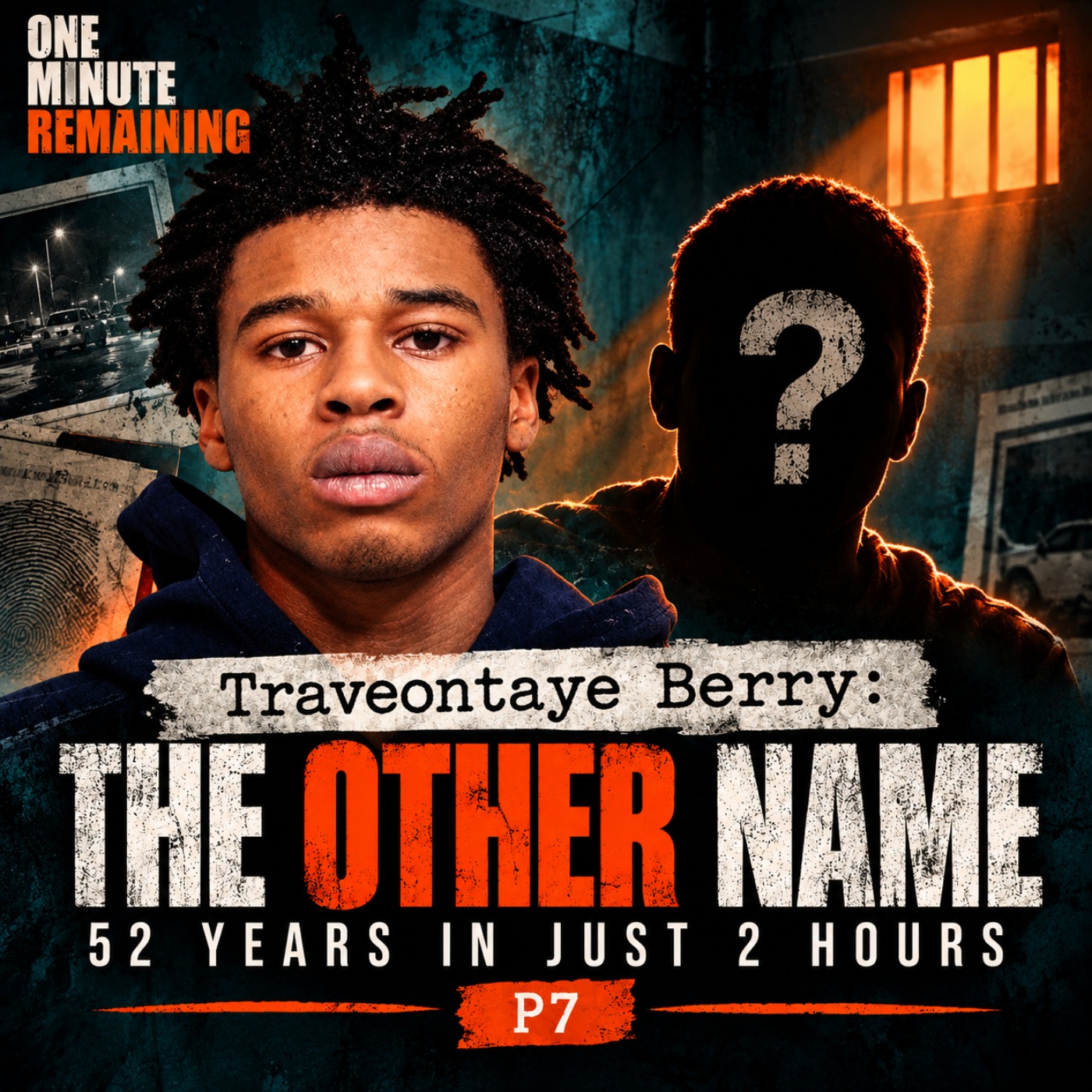
Part Seven of 'One Minute Remaining's' investigation into the Traveontaye Berry case examines a critical gap in the murder investigation of Carl Green Jr. The episode focuses on an alternative suspect—a person whose name surfaced repeatedly during the initial investigation. According to witness statements given to…
Worth it if you're invested in the Traveontaye Berry series or interested in how investigative bias and selective police focus can shape criminal cases.